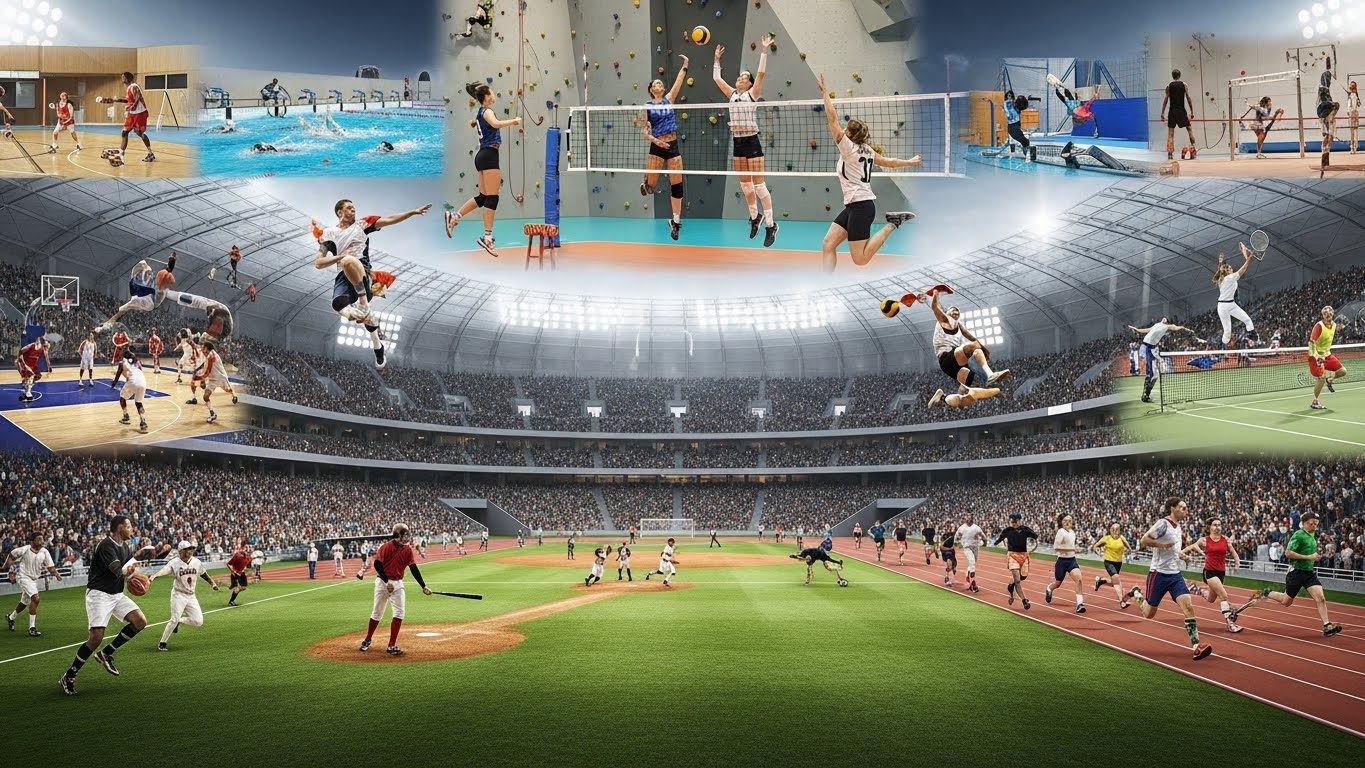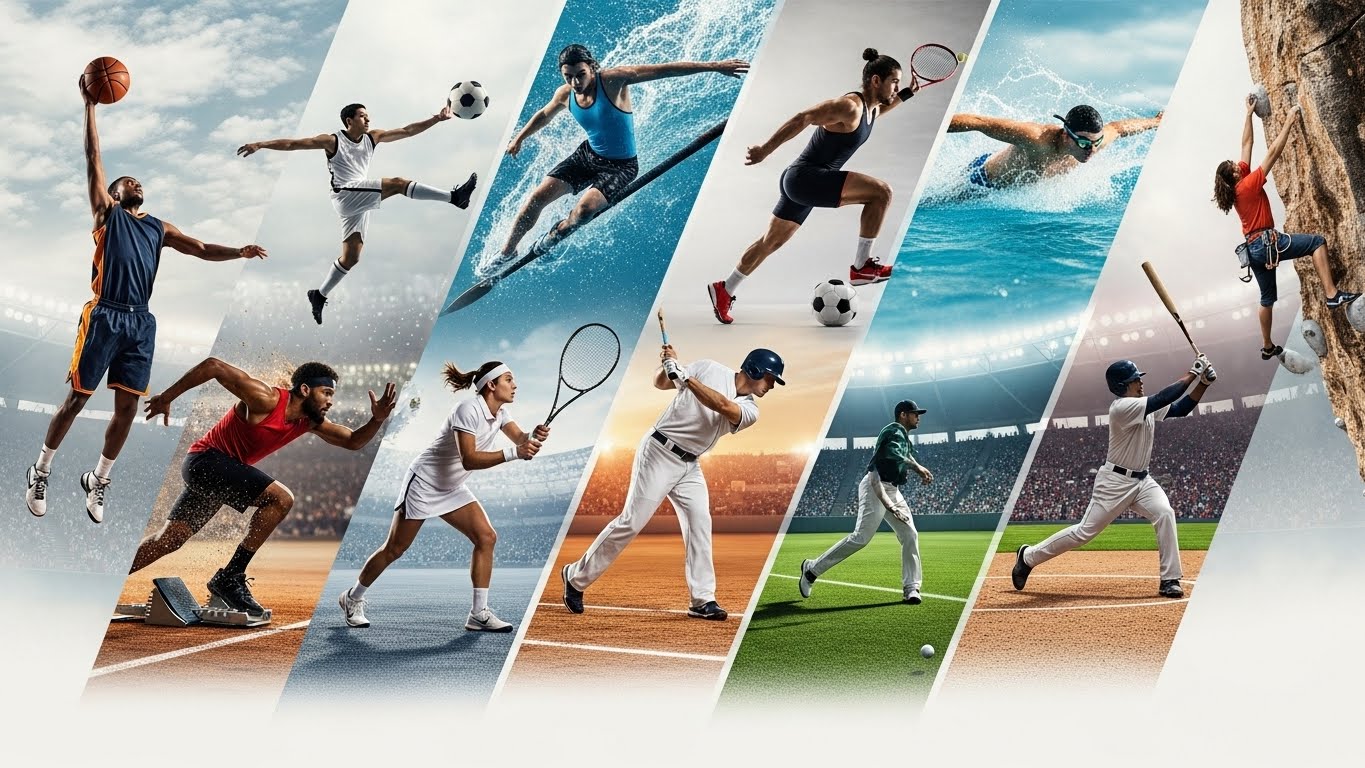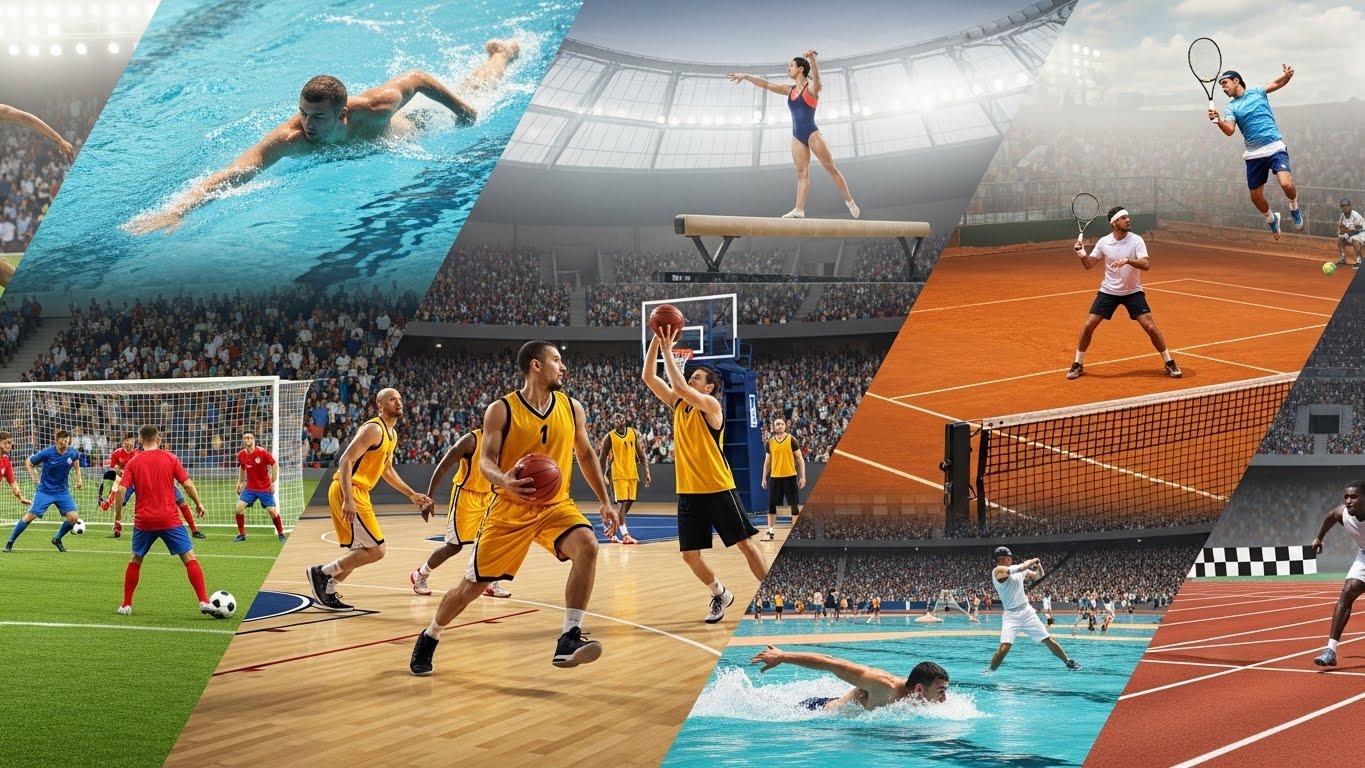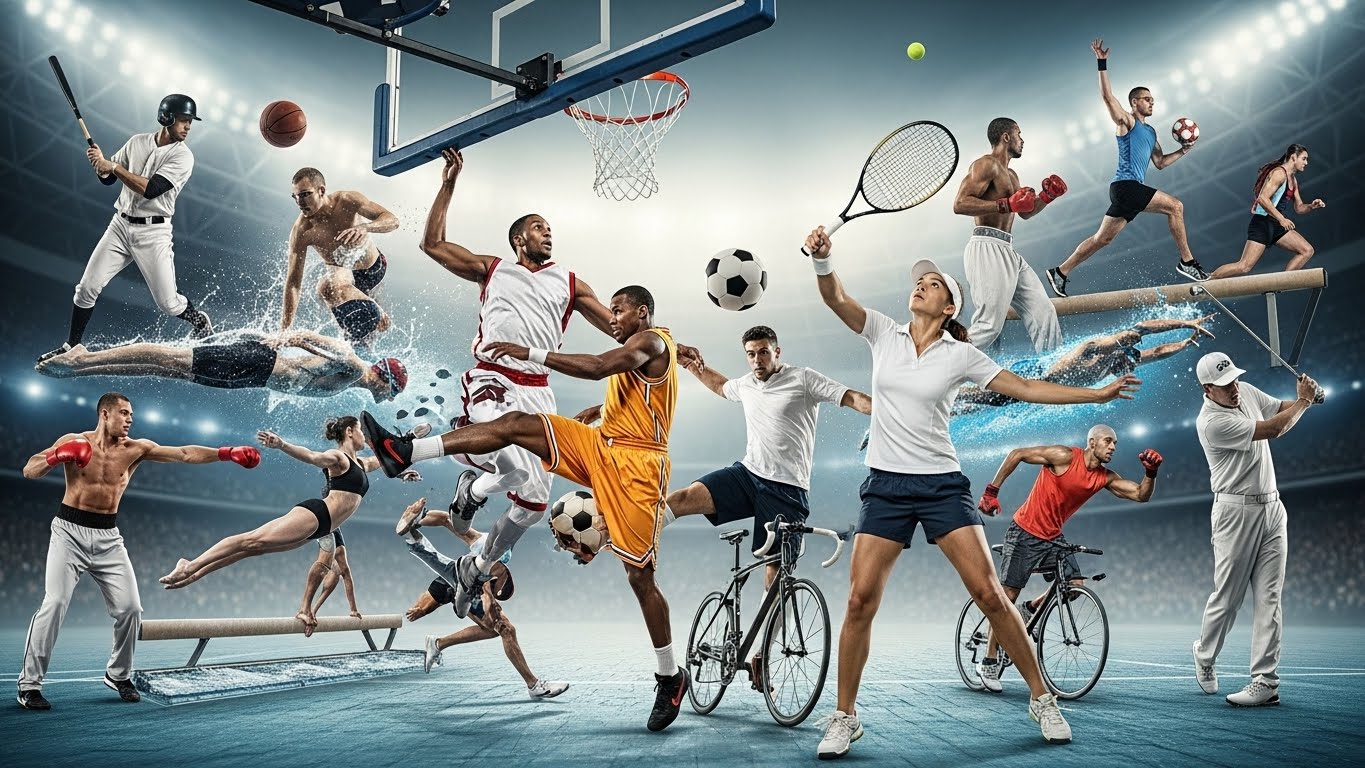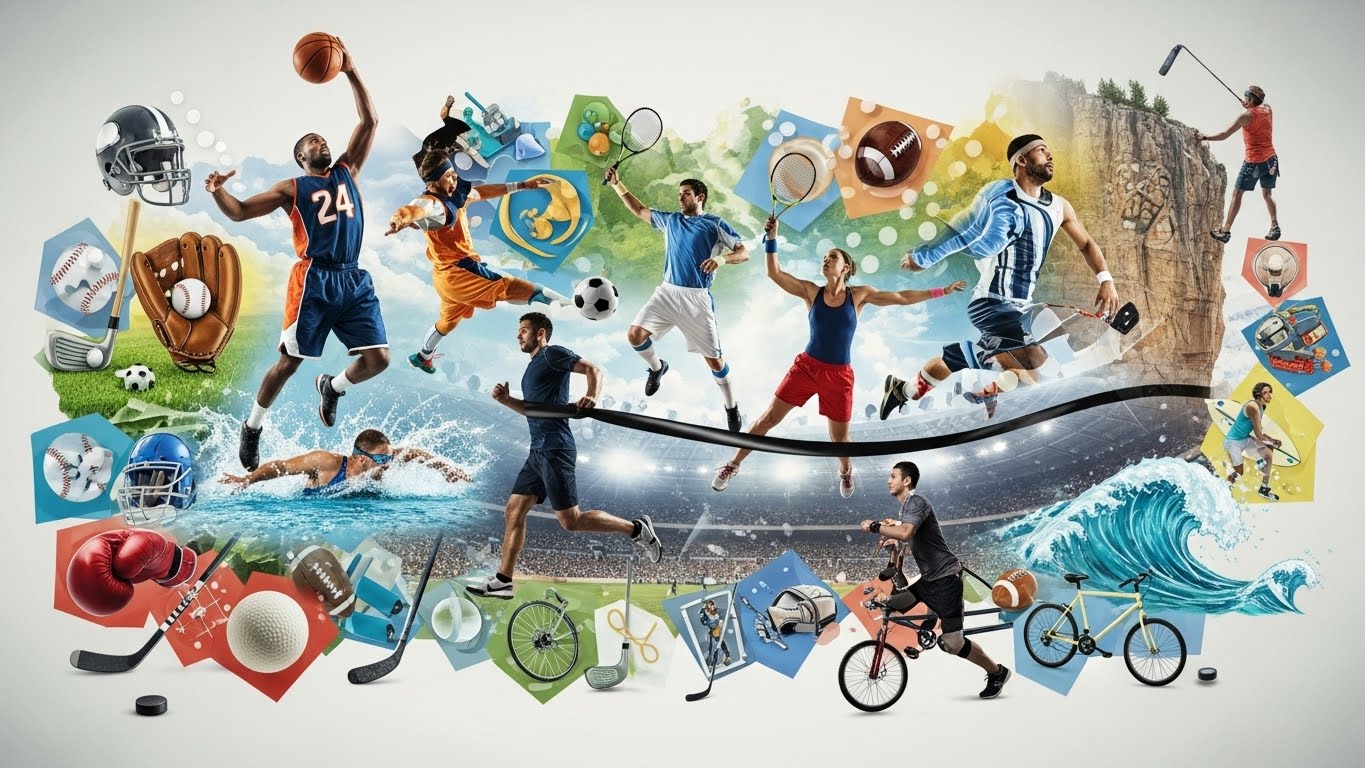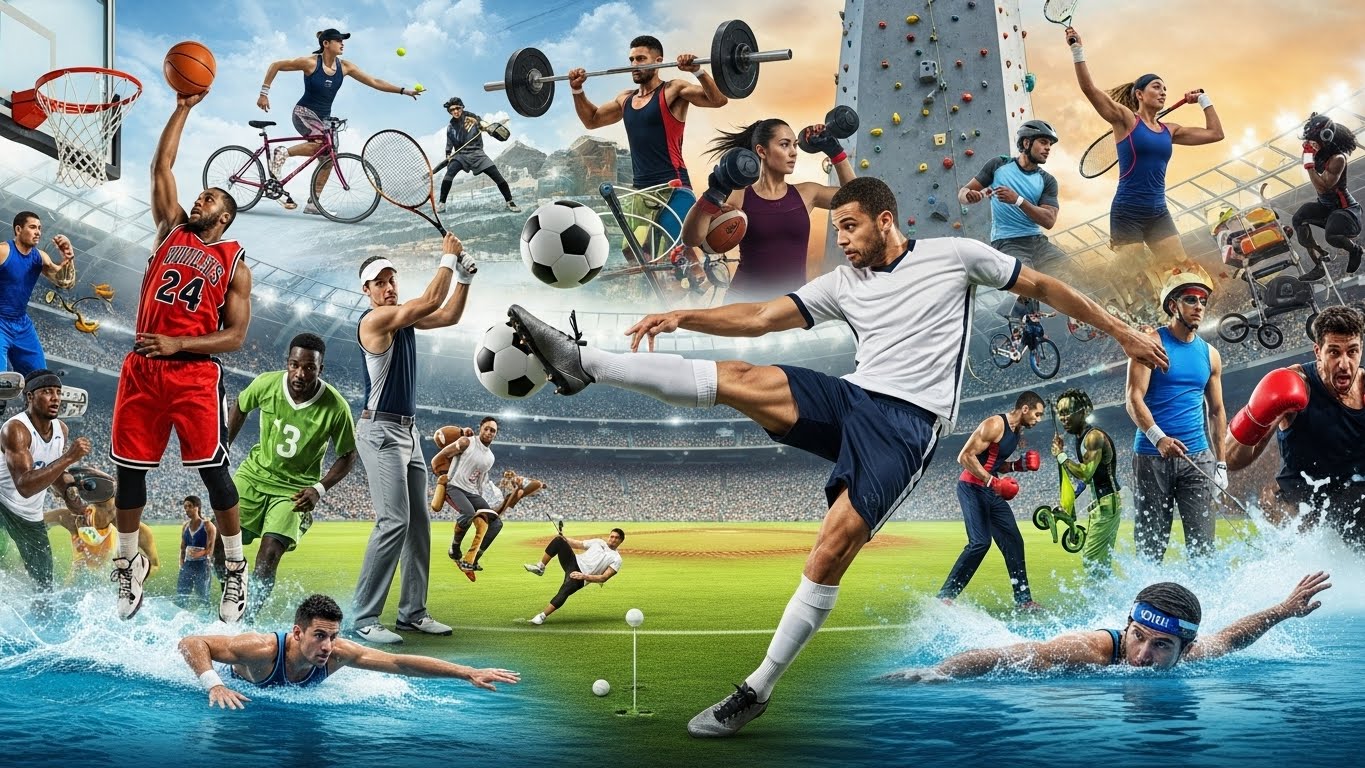

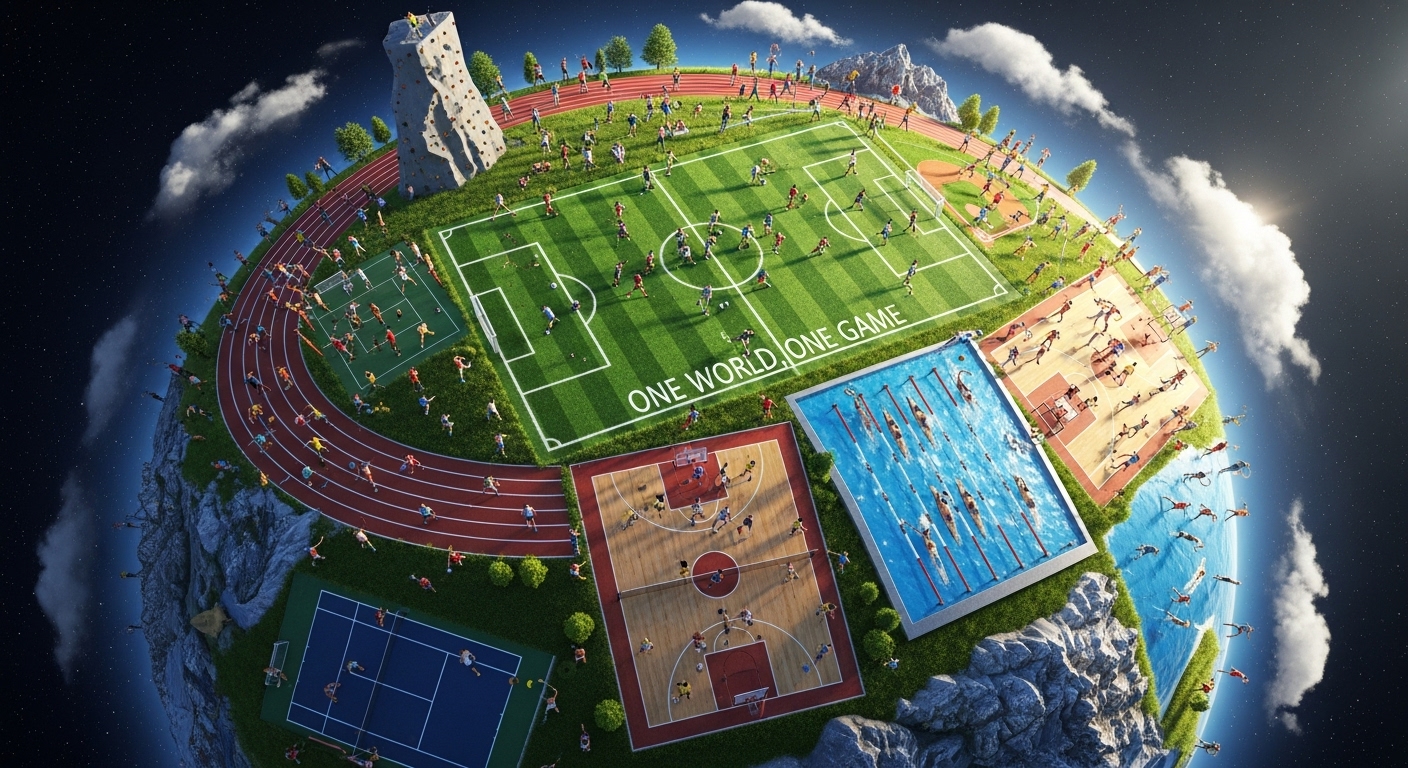
Sports have always been an integral part of human civilization. From ancient times when games were played for survival and glory, to the modern era where billion-dollar industries revolve around athleticism and competition, sports continue to define cultures, inspire generations, and unite people across borders. The beauty of sports lies in their universality — every society, regardless of its geography or economy, engages in some form of organized competition. Whether it’s football, cricket, athletics, basketball, or newer forms like eSports, the passion remains the same.
This article explores the evolution, significance, and future of sports in today’s world. It dives into their impact on society, economy, technology, and even personal growth. Sports are no longer just games; they are global movements, social equalizers, and powerful cultural forces that continue to shape the way we live.
The Origins and Evolution of Sports
The concept of sports dates back thousands of years. In ancient civilizations, physical contests were not just entertainment; they were rituals that reflected strength, endurance, and social hierarchy. The earliest records of organized sports come from Egypt, where games like wrestling, archery, and swimming were practiced. Similarly, ancient Greece gave birth to the Olympic Games — a festival that celebrated human excellence through athletic competition.
The ancient Romans popularized gladiatorial contests that combined sport and spectacle. Though brutal by modern standards, they demonstrated the human fascination with competition, bravery, and victory. Meanwhile, in Asia, martial arts evolved as both physical and spiritual disciplines, representing balance between the body and mind.
As centuries passed, sports began to take on more organized forms. The 19th century, particularly in Britain, witnessed the codification of rules for many modern games such as football, cricket, tennis, and rugby. Colonization helped spread these sports worldwide, turning them into global phenomena. By the 20th century, the modern Olympic Games had revived the ancient tradition, uniting athletes from every continent in a spirit of friendly competition.
Sports as a Reflection of Society
Sports have always mirrored the values, struggles, and aspirations of the societies that create them. In times of peace, they serve as celebrations of human potential. In times of conflict, they become symbols of resistance or unity. For instance, during the Civil Rights era in the United States, athletes like Jackie Robinson and Muhammad Ali became icons not only for their skills but also for their courage to challenge injustice.
In post-colonial nations, sports have been a means to assert identity on the global stage. When India won its first Cricket World Cup in 1983, it was more than a sporting victory — it was a declaration of self-confidence and national pride. Similarly, African nations competing in football tournaments like the World Cup or the African Cup of Nations often see their achievements as symbols of progress and unity.
Sports also reveal the social and economic divisions within societies. Access to facilities, coaching, and opportunities often determines who can succeed. Yet, time and again, stories emerge of athletes rising from poverty or adversity to reach greatness, proving that talent, determination, and perseverance can transcend circumstances.
The Economic Powerhouse of Modern Sports
In today’s world, sports have become one of the most powerful industries on the planet. Major events such as the FIFA World Cup, the Olympics, and the Super Bowl attract billions of viewers and generate massive economic activity. Broadcasting rights, sponsorships, and merchandise sales have turned sports into lucrative enterprises that rival the entertainment and technology sectors.
Athletes themselves have become global brands. Figures like LeBron James, Lionel Messi, Virat Kohli, and Serena Williams are not only champions in their fields but also influential entrepreneurs and philanthropists. Their marketability has led to endorsement deals that sometimes exceed their professional earnings.
The rise of sports tourism has also contributed to this economic boom. Cities that host major sporting events experience surges in tourism, infrastructure development, and international visibility. However, this growth has not been without criticism. The construction of massive stadiums and the cost of hosting global tournaments often spark debates about sustainability, inequality, and the displacement of local communities.
The Technological Revolution in Sports
Perhaps the most dramatic transformation in sports over the past few decades has been driven by technology. From performance analytics to broadcasting innovations, technology has reshaped how sports are played, managed, and consumed.
In training, athletes now rely on data analysis, wearable sensors, and virtual simulations to refine their techniques. Coaches use artificial intelligence to study opponents, identify weaknesses, and develop strategies. Instant replay, video assistant referees (VAR), and goal-line technology have increased fairness and accuracy in officiating, though they sometimes stir controversy among traditionalists.
The viewing experience has also evolved. High-definition broadcasts, immersive camera angles, and streaming platforms have made sports more accessible than ever. Fans can follow their favorite teams from anywhere in the world, engaging in real-time commentary through social media. Technology has turned sports into a truly global, interactive experience.
Moreover, the rise of eSports — competitive gaming — has blurred the line between physical and digital competition. Once dismissed as entertainment, eSports now boast massive audiences, professional leagues, and multi-million-dollar prize pools. This expansion of the definition of “sports” demonstrates how technology continues to redefine human competition.
The Role of Sports in Education and Personal Development
Beyond entertainment and economics, sports play a vital role in shaping character and values. Participation in sports teaches discipline, teamwork, leadership, and resilience. It encourages individuals to set goals, face challenges, and learn from failure — lessons that extend far beyond the playing field.
Educational institutions have long recognized the value of sports in holistic development. School and college sports programs not only nurture future athletes but also help build confidence and social skills in young people. The sense of belonging, camaraderie, and shared purpose that comes from being part of a team is invaluable in personal growth.
Furthermore, sports provide an avenue for physical health and mental well-being. In an era dominated by digital distractions and sedentary lifestyles, regular participation in physical activity is crucial. Studies have consistently shown that sports reduce stress, boost cognitive function, and foster emotional stability. The connection between physical fitness and mental health has never been more important.
Gender Equality and Women in Sports
One of the most inspiring developments in modern sports is the rise of women athletes and the growing fight for gender equality. For centuries, sports were seen as a male-dominated domain, with limited opportunities for women to compete or receive recognition. However, the past few decades have witnessed remarkable progress.
The achievements of athletes such as Billie Jean King, Serena Williams, Megan Rapinoe, and Simone Biles have redefined what it means to be a female athlete. They have challenged stereotypes, demanded equal pay, and inspired millions of young girls to pursue their sporting dreams. Global events like the Women’s World Cup and the WNBA have shown that women’s sports can command massive audiences and commercial success.
Nevertheless, the battle for equality is far from over. Many female athletes still face disparities in funding, media coverage, and sponsorship. Yet, their persistence continues to push boundaries, creating a more inclusive sporting world that celebrates talent regardless of gender.
Sports and Global Unity
Sports possess a unique power to bring people together. When an athlete crosses a finish line or a team scores a goal, differences in language, culture, and politics fade, replaced by shared emotion and collective celebration. The Olympics, for example, stand as a testament to the potential of sports to foster peace and cooperation.
International sporting events often become platforms for diplomacy. “Ping-pong diplomacy” between the United States and China in the 1970s is one of the most famous examples, where table tennis matches helped thaw political tensions. Similarly, sporting gestures of solidarity — like teams wearing black armbands for victims of tragedy or kneeling to protest racial injustice — show that sports can also be vehicles for moral and social expression.
Even at the grassroots level, local tournaments and community games foster friendships and understanding among diverse groups. Sports remind us that competition does not have to mean conflict. It can instead be a form of mutual respect and shared humanity.
The Dark Side of Sports
While sports inspire greatness, they are not without flaws. The immense pressure to succeed can lead to unethical behavior, including doping, match-fixing, and corruption. Scandals in organizations and leagues often tarnish the image of sports and raise questions about integrity.
Doping remains one of the biggest threats to fair play. Despite strict anti-doping regulations, cases continue to emerge, showing the lengths some athletes and coaches will go to gain an edge. Corruption in governing bodies and manipulation of results for gambling profits have also damaged public trust.
Another dark aspect is the exploitation of athletes. In certain sports systems, young players are subjected to extreme training regimens, mental stress, and even abuse in the pursuit of excellence. The commercialization of sports, while economically beneficial, has sometimes reduced athletes to mere commodities.
Yet, awareness and reform are growing. Stronger governance, transparency, and athlete welfare programs are being implemented worldwide. The modern sports movement is learning to balance commercial interests with ethics, sustainability, and the well-being of participants.
The Role of Media and Celebrity Culture in Sports
Media has always been a powerful force in shaping public perception of sports. From radio commentaries to 24-hour sports channels, coverage has turned athletes into household names. Social media has taken this influence to another level, giving athletes direct access to their fans and platforms to share their personal stories, opinions, and activism.
However, the media spotlight can be both a blessing and a curse. Fame brings immense pressure and scrutiny. Every action, word, or gesture by a public figure is dissected by millions. Mental health struggles among athletes have gained more visibility in recent years, with stars openly discussing anxiety, depression, and burnout. This transparency has encouraged important conversations about the human side of competition.
At the same time, sports journalism continues to play a vital role in storytelling — celebrating triumphs, investigating controversies, and preserving the history of athletic achievements. The relationship between sports and media is complex, but undeniably essential.
Sports and Mental Health Awareness
In recent years, the connection between sports and mental health has become a crucial topic. Athletes, often seen as symbols of strength, are not immune to psychological struggles. The pressure to perform, fear of failure, injuries, and the relentless pursuit of perfection can take a heavy toll.
When elite athletes like Naomi Osaka or Michael Phelps spoke publicly about their mental health challenges, it sparked a global movement of empathy and awareness. It showed that even the strongest individuals need support and that mental fitness is as vital as physical training.
Sports psychology has since become a key component of athlete preparation. Mindfulness, visualization, and resilience training are now standard practices. Furthermore, recreational sports offer therapeutic benefits for ordinary people, helping them manage stress, build confidence, and find joy in physical activity.
Mental health awareness in sports marks a profound shift — a reminder that the true spirit of competition is not about defeating others but about mastering oneself.
Youth and the Future of Sports
The future of sports depends largely on how the younger generation engages with it. In a digital era dominated by screens, attracting youth participation is both a challenge and an opportunity. Traditional sports are competing with online entertainment, yet the essence of play remains deeply human.
Grassroots programs and school initiatives are crucial in nurturing talent and promoting physical activity. Exposure to sports at an early age fosters not only athletic skill but also lifelong habits of discipline and teamwork. Moreover, with advancements in technology, young athletes now have access to world-class training resources, even in remote regions.
Inclusivity will also define the future of sports. Efforts to ensure equal access for girls, differently-abled individuals, and marginalized communities are transforming the landscape. Paralympic sports, for example, have gained tremendous respect and visibility, showing that determination transcends physical limitations.
The youth of today are not only the athletes of tomorrow but also the audience, innovators, and leaders who will shape the global sporting narrative.
The Environmental Responsibility of Sports
As awareness of climate change grows, sports organizations are recognizing their responsibility toward environmental sustainability. Large-scale events generate significant carbon footprints through travel, construction, and waste. The challenge now is to make sports greener without compromising their global appeal.
Initiatives such as carbon-neutral stadiums, renewable energy use, and sustainable transportation are becoming more common. The Tokyo Olympics, for instance, emphasized recycling and eco-friendly materials in their organization. Many leagues encourage fans to adopt green practices, from digital tickets to reduced plastic consumption.
Sports have the potential to be powerful advocates for environmental action. When athletes and institutions champion eco-conscious causes, they influence millions of followers. The intersection of sports and sustainability represents a hopeful direction — one where human achievement aligns with planetary health.
The Timeless Spirit of Competition
Despite all the transformations — technological, social, and commercial — the essence of sports remains timeless. It is about pushing boundaries, testing limits, and celebrating the beauty of effort. Whether played in a crowded stadium or a neighborhood park, the thrill of competition and the joy of victory remain universal.
Sports remind us of what is best in humanity: courage, persistence, respect, and unity. They teach us that success is not merely about winning but about striving, learning, and growing. Every game tells a story — of triumph and heartbreak, of teamwork and individual brilliance, of dreams realized and lessons learned.
As we move into the future, sports will continue to evolve, reflecting the spirit of their time. Yet their core will always be rooted in that simple, powerful desire that drives every athlete: to be better than before.
Conclusion
The world of sports is far more than a collection of games. It is a mirror of humanity — our ambitions, our conflicts, and our hopes. From ancient arenas to digital stadiums, from local playgrounds to Olympic podiums, sports have remained one of the purest expressions of human potential.
They inspire us to move, to connect, to dream, and to believe. They break barriers and build bridges. They celebrate diversity while reminding us of our shared humanity. Whether you are a passionate athlete, a casual fan, or someone who simply appreciates the spectacle, sports touch your life in some way.
As the world continues to change, so too will sports — adapting, innovating, and growing. But their heart will remain the same: a timeless pursuit of excellence, unity, and joy that defines what it means to be human.