

Introduction
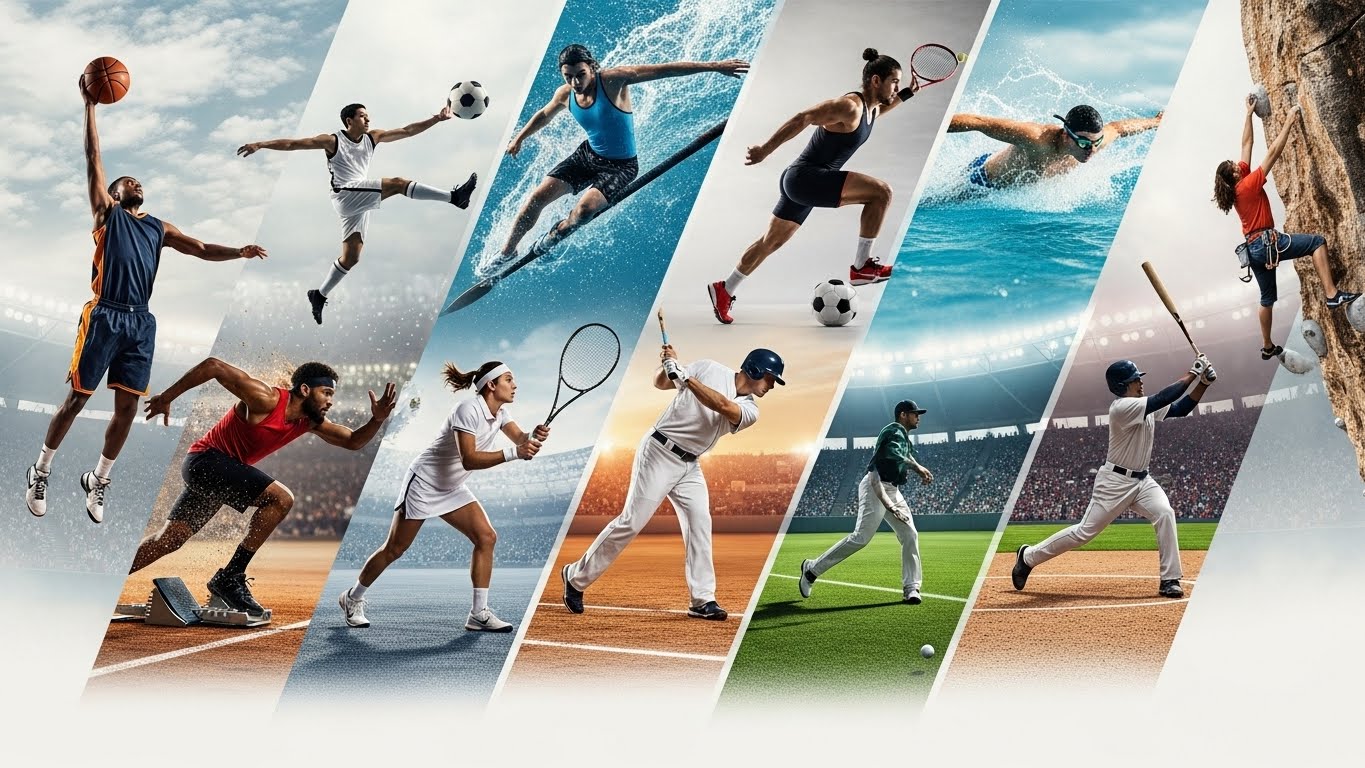
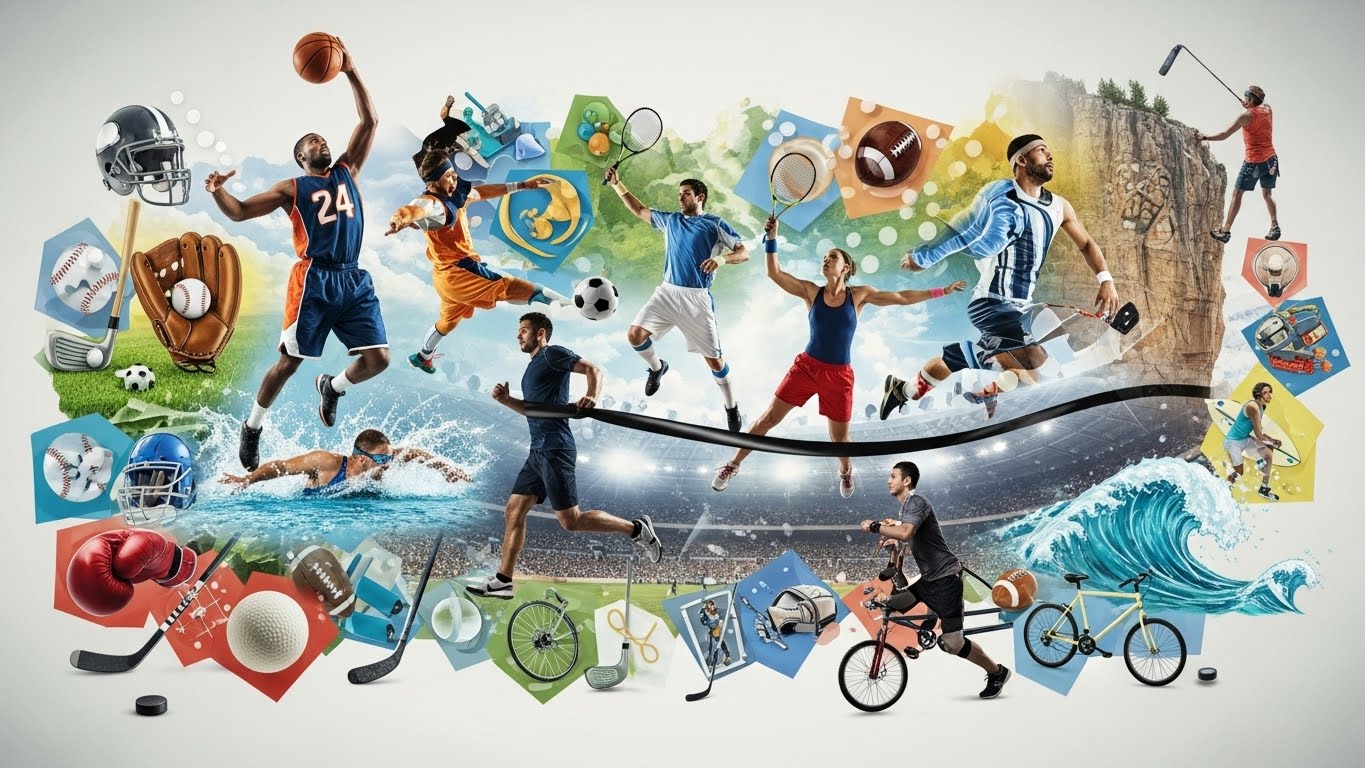
Sports are far more than just games; they are a reflection of discipline, passion, and human potential. From local playgrounds to international arenas, sports influence our physical well-being, mental strength, and social connections. They teach lessons that extend far beyond the field, instilling values that stay with us throughout life.
The Importance of Sports in Personal Development
Engaging in sports improves both physical and mental health. Regular activity strengthens muscles, enhances endurance, and boosts overall fitness. Mentally, sports cultivate focus, resilience, and determination. Players learn to set goals, stay motivated, and face challenges with courage, building confidence that carries into other aspects of life.
Team Sports and the Power of Collaboration
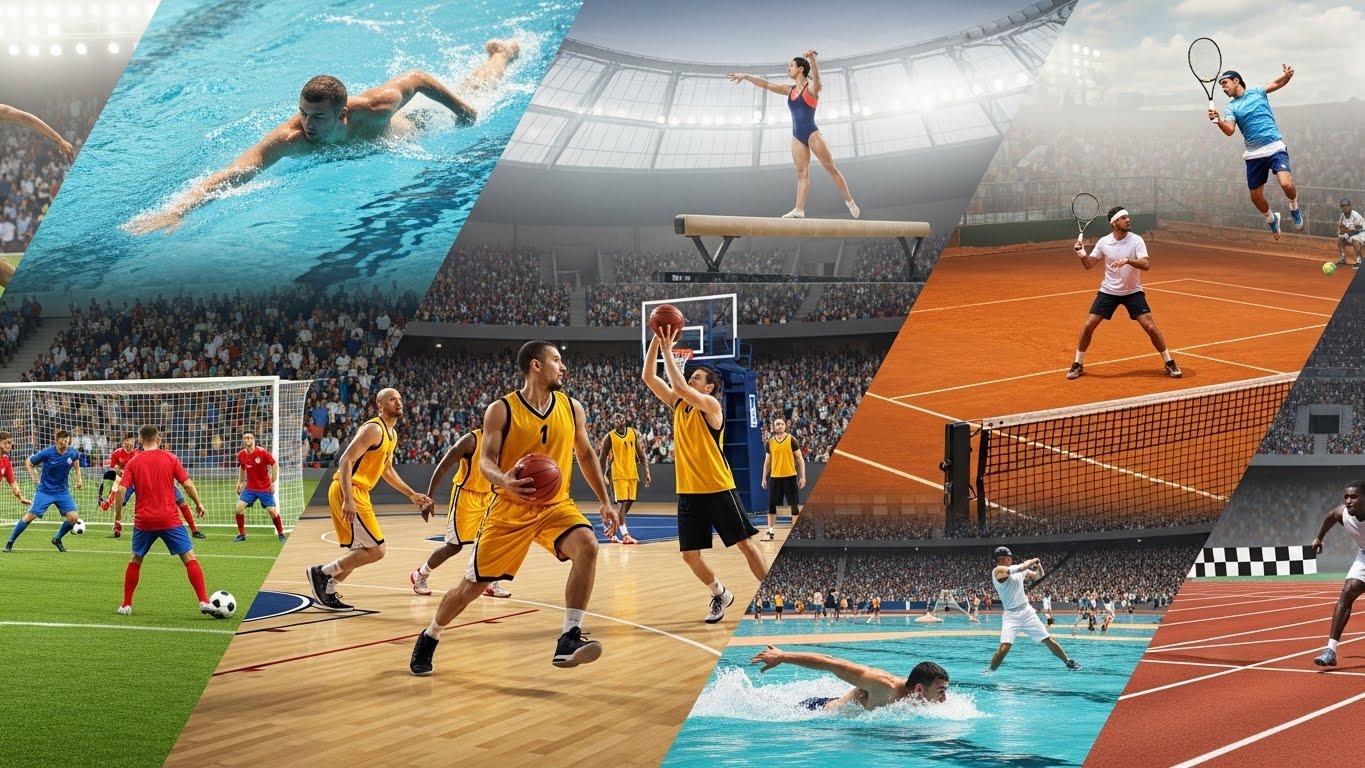
Team sports such as football, basketball, and volleyball emphasize cooperation and strategy. Success depends on communication, trust, and collective effort. Players develop leadership, empathy, and sportsmanship. Team sports also foster a sense of belonging and community, teaching that shared effort often leads to greater accomplishments than individual performance alone.
Individual Sports and Self-Discipline
Individual sports like athletics, swimming, and tennis focus on personal dedication and responsibility. Athletes rely on self-motivation, consistent practice, and mental toughness to excel. These sports teach persistence, patience, and accountability, demonstrating that personal growth and achievement often come from consistent effort and determination.
Sports as a Social Connector
Sports unite people across cultures, communities, and generations. Local tournaments foster community pride, while international events like the Olympics promote global unity. They encourage fair play, mutual respect, and shared celebration. Sports provide opportunities for cultural exchange and help build relationships that transcend social and geographic boundaries.
Technology and Modern Sports
Technology has revolutionized the world of sports. Advanced training equipment, performance analytics, and wearable devices allow athletes to enhance their skills and track progress. Digital platforms and live broadcasting connect fans with teams and events worldwide. Technology ensures accuracy, fairness, and engagement, making sports more interactive and accessible than ever.
Health and Lifestyle Benefits
Regular participation in sports promotes overall health. It strengthens the heart, improves flexibility, and enhances coordination. Sports also support mental well-being by reducing stress and boosting mood. They encourage discipline, healthy habits, and time management, helping individuals lead balanced and fulfilling lives.
The Future of Sports
The future of sports is dynamic and innovative. Esports and virtual competitions are expanding the definition of athletic performance. Sustainable practices in sporting events are becoming increasingly important, and inclusivity initiatives are ensuring opportunities for people of all abilities. The evolution of sports promises a future where passion, skill, and innovation continue to inspire generations.
Conclusion
Sports are a powerful tool for building character, promoting health, and fostering unity. They teach resilience, teamwork, and dedication while providing enjoyment and inspiration. Beyond trophies and victories, the essence of sports lies in the lessons learned, the friendships formed, and the spirit of perseverance that drives every athlete. Sports remind us that success is earned through effort, determination, and collaboration, both on and off the field.