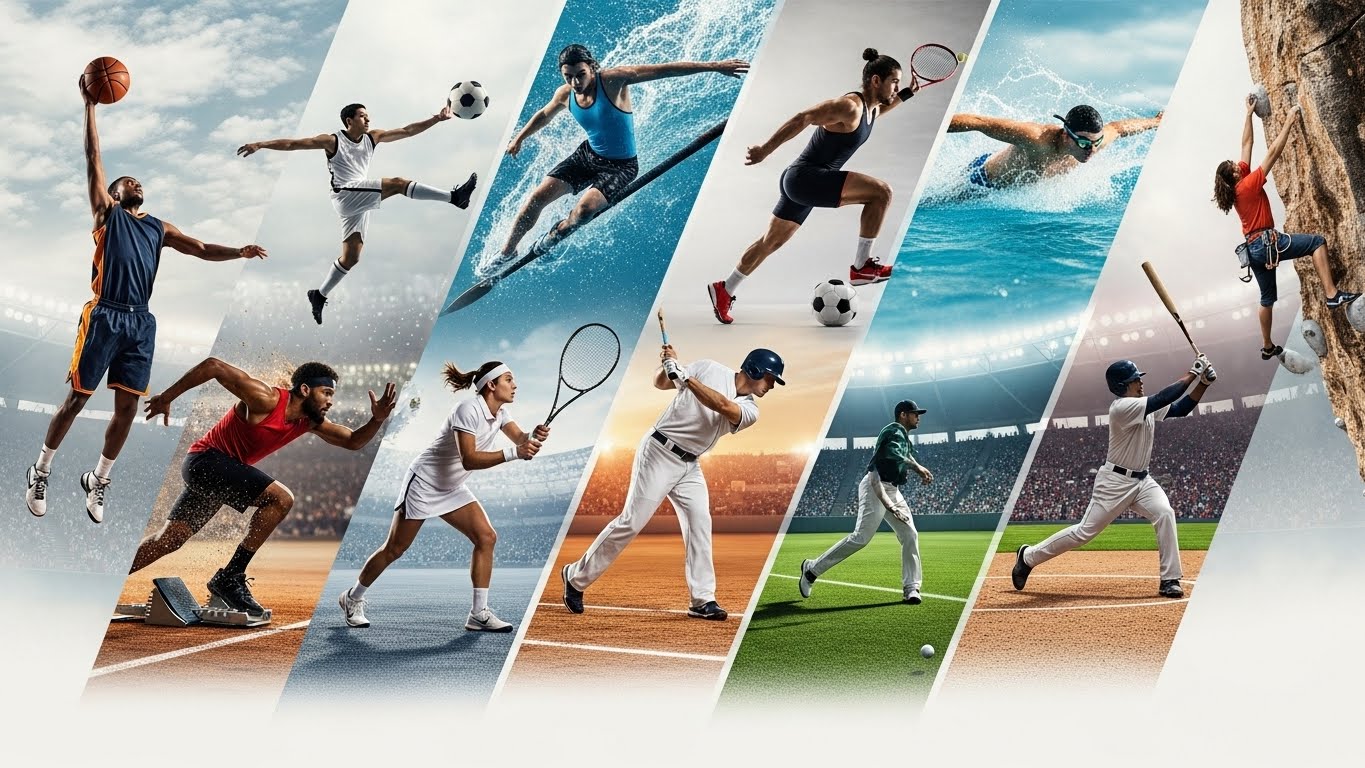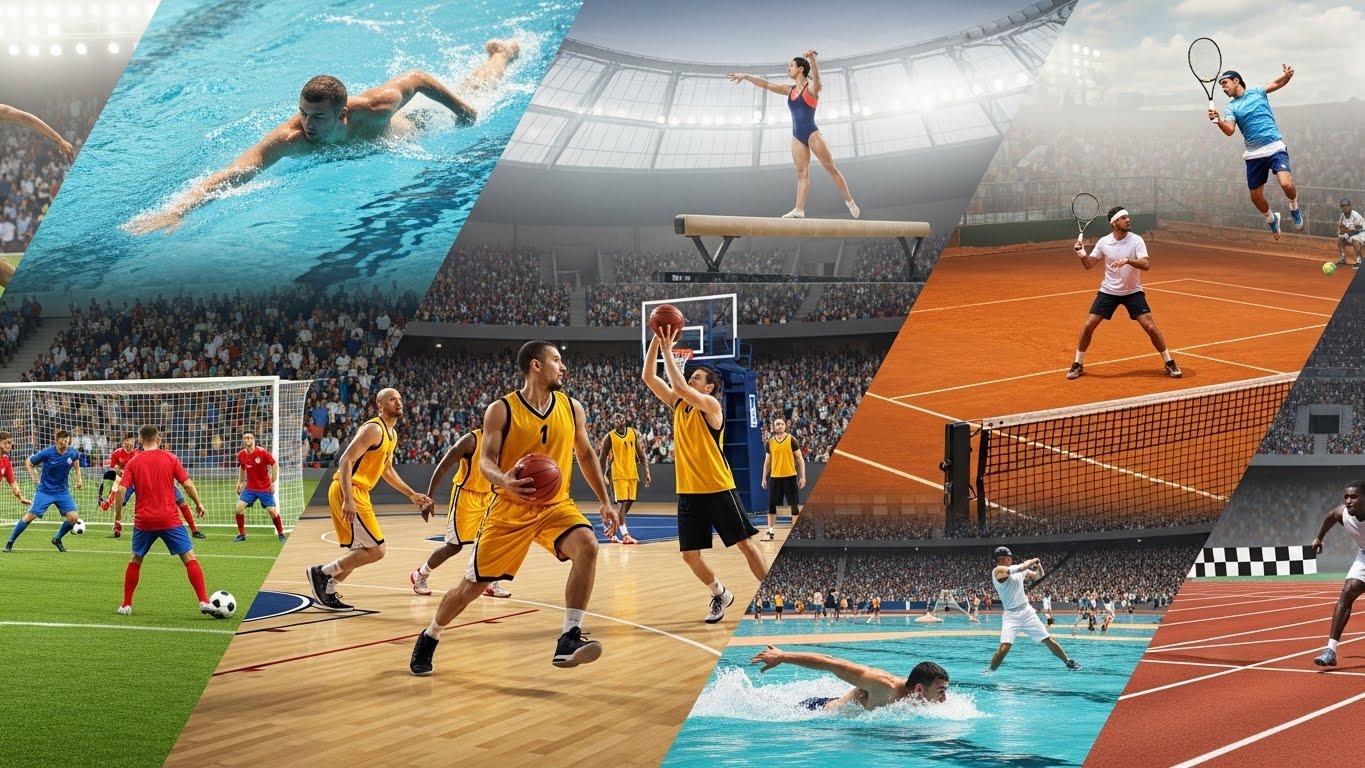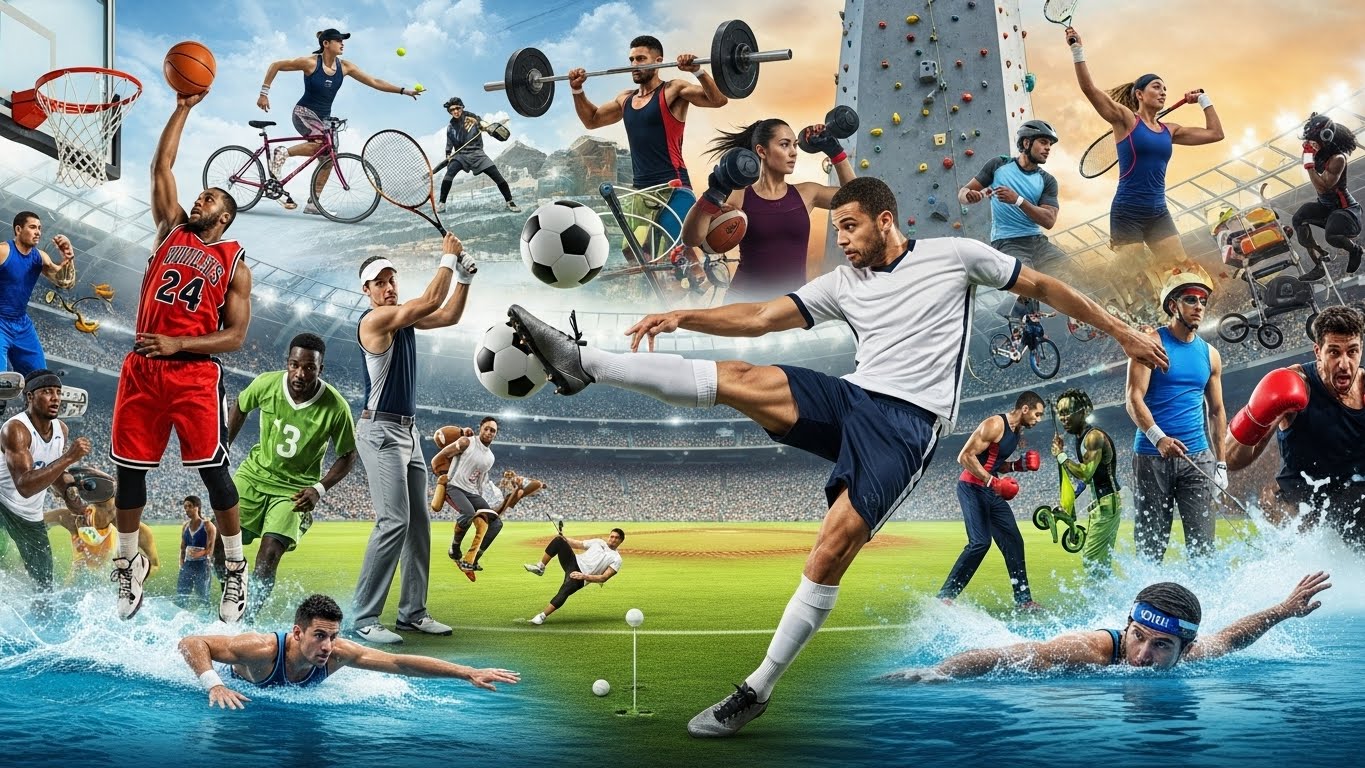

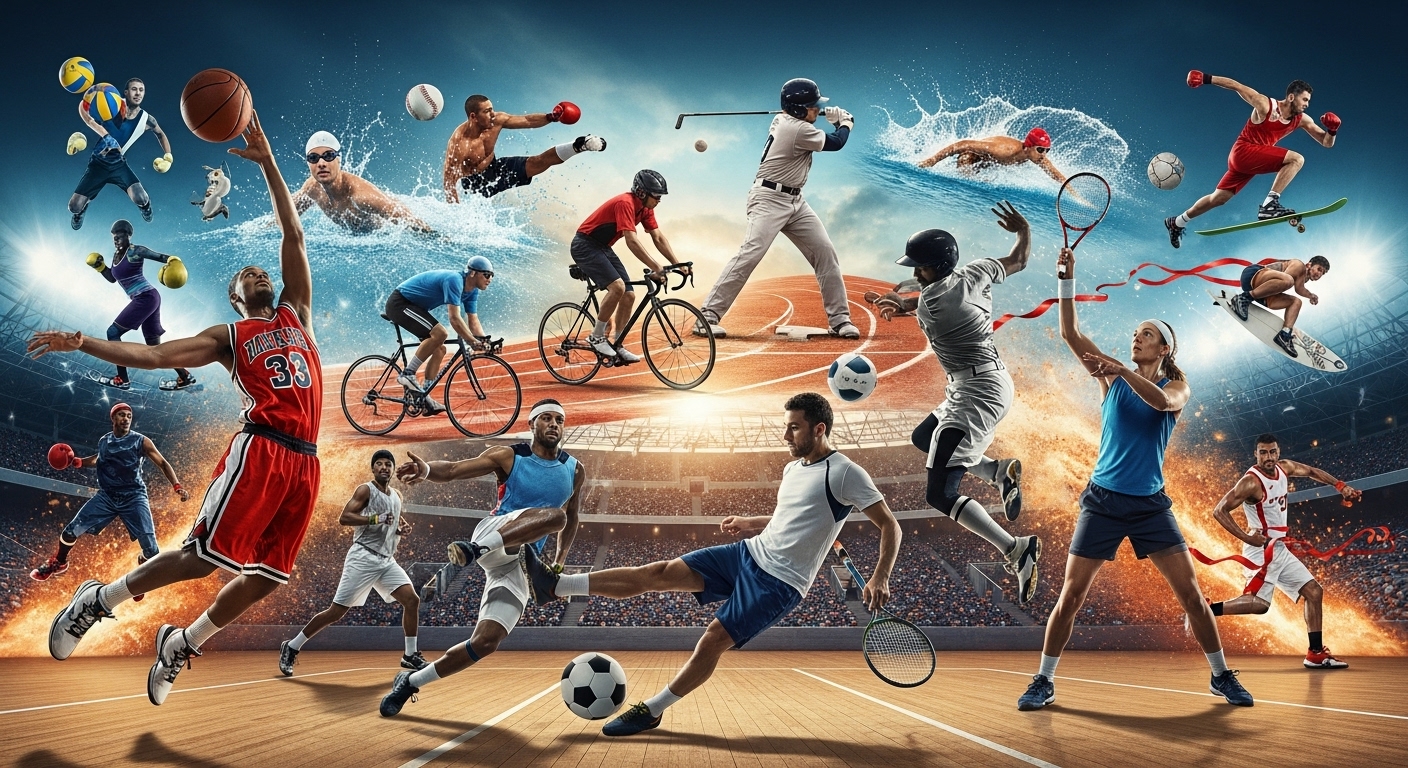
Sports have been an integral part of human society for centuries, shaping cultures, communities, and even individuals. Whether it’s a simple game of tag in a park or a grand Olympic event, sports have a unique ability to unite people from diverse backgrounds, enhance physical and mental well-being, and teach life lessons that extend far beyond the field. In this blog, we’ll dive into the multifaceted role of sports in modern society, exploring their impact on physical health, mental resilience, community spirit, and personal growth.
The Evolution of Sports: From Ancient Rituals to Modern Competitions
The history of sports is deeply rooted in ancient civilizations, where physical contests often served as a means of religious or social ritual. The ancient Greeks, for instance, celebrated athletic prowess through the Olympic Games, an event that still exists today, albeit in a more competitive and commercialized form. These early sports weren’t just about physical performance; they were also symbolic of strength, discipline, and the human spirit.
Over the centuries, sports evolved, transforming into structured competitions and eventually becoming an essential part of global culture. By the 19th and 20th centuries, modern sports such as football, basketball, and tennis began to gain prominence. The invention of professional leagues, the spread of broadcasting, and the rise of international competitions turned sports into a global phenomenon.
Today, sports are more than just an activity—they are a massive industry, a form of entertainment, and a shared passion that brings millions of people together, regardless of their backgrounds.
Physical Health: The Body in Motion
One of the most obvious and essential benefits of participating in sports is the improvement of physical health. Regular physical activity is crucial in maintaining a healthy body and preventing various diseases. Sports help improve cardiovascular health, increase muscle strength, enhance flexibility, and promote better coordination.
Cardiovascular Benefits
Sports like running, swimming, cycling, and football significantly enhance cardiovascular endurance. The heart, being a muscle, grows stronger with regular exercise, improving its efficiency in pumping blood throughout the body. This reduces the risk of heart disease, stroke, and high blood pressure.
Muscle and Bone Strength
Weight-bearing sports such as soccer, basketball, and tennis are great for building muscle and bone density. The repetitive movements in these sports stimulate bone growth and can prevent conditions like osteoporosis later in life. Additionally, muscle-strengthening activities improve joint stability, reducing the risk of injury.
Weight Management and Metabolism
Sports can play a significant role in managing weight and preventing obesity. Engaging in sports raises the metabolism, helping the body burn calories more efficiently. A combination of aerobic exercise and strength training, which is typical in many sports, promotes fat loss while increasing lean muscle mass, leading to healthier body composition.
Mental Resilience: The Mind in Motion
While the physical benefits of sports are often emphasized, the mental and emotional advantages cannot be overstated. Engaging in sports challenges the mind just as much as the body, fostering discipline, focus, and resilience. The mental fortitude required to push through physical discomfort, overcome setbacks, and stay motivated is a skill that extends far beyond the playing field.
Stress Relief and Emotional Well-being
One of the most significant psychological benefits of sports is stress reduction. Physical activity stimulates the production of endorphins, often referred to as “feel-good” hormones, which help alleviate stress and anxiety. Whether it’s a quick jog, a team game, or even a yoga session, sports can provide a much-needed escape from daily pressures, promoting overall mental well-being.
Building Focus and Discipline
Sports require concentration, strategic thinking, and a great deal of discipline. Athletes must learn how to manage their time, set goals, and stay committed to improving. These qualities are essential not just in sports but also in life. The lessons of focus and perseverance that come from sports can be applied to other areas, such as academics, career, and personal growth.
Boosting Confidence and Self-Esteem
Participating in sports offers the opportunity for individuals to achieve personal milestones, whether it’s breaking a personal record or mastering a new skill. These achievements boost self-confidence and self-esteem, empowering individuals to take on challenges both inside and outside of the sporting world.
Social Connections: Building Communities Through Sports
One of the most beautiful aspects of sports is their ability to bring people together. Whether it’s a local game, a school team, or a global event like the FIFA World Cup or the Olympics, sports create a sense of belonging and foster connections between individuals from diverse backgrounds.
Unity in Diversity
Sports are one of the few universal languages that transcend geographical, cultural, and linguistic barriers. A soccer match between two nations can unite millions of people in a way that politics and religion often fail to. The shared love for the game, the excitement of a goal, or the thrill of a final whistle create bonds that surpass differences.
Teamwork and Collaboration
Team sports, in particular, are an excellent example of how sports teach the value of collaboration. Working together towards a common goal—whether it’s scoring a touchdown, winning a basketball game, or sailing to victory—requires trust, communication, and mutual respect. These are invaluable skills that benefit individuals in their personal and professional lives.
Moreover, team sports teach players how to handle victories and defeats with grace. Winning a championship is celebrated, but losing teaches resilience, humility, and the importance of bouncing back stronger.
Sportsmanship and Fair Play
Sports also impart important life lessons related to sportsmanship. Learning how to win without arrogance and lose without bitterness is a key part of the journey. Athletes are often called upon to demonstrate respect for their opponents, the rules of the game, and the officials, all of which cultivate fairness, integrity, and empathy.
The Power of Role Models: Inspiration Through Sports
In addition to fostering personal growth and community connections, sports provide role models for individuals of all ages. The stories of athletes overcoming adversity, breaking records, and achieving greatness are inspiring. From Serena Williams and Michael Jordan to Usain Bolt and Simone Biles, these figures embody perseverance, hard work, and the power of self-belief.
Athletes often come from humble beginnings, overcoming personal challenges such as poverty, injury, or discrimination to reach the pinnacle of their sport. Their journeys serve as powerful reminders that with dedication and resilience, anything is possible. Many of these athletes also use their platform to advocate for social causes, further solidifying their influence as role models.
Sports and Youth Development: Shaping Future Generations
For young people, sports offer a unique platform for personal development. Beyond physical health and fitness, participation in sports helps young individuals learn essential life skills such as teamwork, leadership, responsibility, and time management. Organized sports also provide a structured environment, helping children and teenagers stay disciplined and focused.
Preventing At-Risk Behavior
Engagement in sports can also serve as a protective factor against negative behaviors such as substance abuse, violence, and criminal activity. Sports offer young people a sense of purpose and belonging, reducing the likelihood that they will engage in risky behaviors. The discipline and mentorship that come with being part of a team can steer youth in a positive direction.
Encouraging a Healthy Lifestyle
Sports can also encourage a lifelong commitment to physical activity. Children who grow up participating in sports are more likely to continue exercising into adulthood. As they transition into their teenage and adult years, the lessons learned on the field or court—about commitment, healthy habits, and physical well-being—can become ingrained in their lifestyle.
The Global Impact of Sports: Beyond the Local
The global nature of sports today extends their influence far beyond local communities. International sporting events like the World Cup, the Olympics, and the Super Bowl attract millions of viewers worldwide, creating a shared experience that transcends cultural and political boundaries. These events not only promote sportsmanship but also provide a platform for economic growth, tourism, and international cooperation.
The Future of Sports: Innovation and Technology
As technology continues to evolve, so too does the landscape of sports. Advances in equipment, training methods, and performance analysis are pushing the boundaries of what athletes can achieve. Virtual reality (VR) and augmented reality (AR) are beginning to transform how fans engage with sports, offering immersive viewing experiences and interactive features.
Additionally, data analytics has become a game-changer in performance optimization. Athletes and coaches are now able to access detailed metrics on everything from speed and heart rate to biomechanics, allowing them to tailor training programs and improve outcomes.
Conclusion: The Enduring Power of Sports
In conclusion, sports are much more than just games. They are powerful tools that promote physical and mental health, foster social connections, teach valuable life skills, and provide inspiration to millions around the world. Whether it’s a professional athlete breaking records on the global stage or a local team practicing in a community park, the impact of sports is far-reaching and enduring.
Sports continue to hold the power to unite, inspire, and transform. They teach us that no matter the outcome, the journey itself is what shapes us. Through sports, we learn to strive, to fail, and to rise again—with each challenge, becoming stronger, more resilient, and more connected to the world around us. So, the next time you lace up your sneakers or cheer for your favorite team, remember that sports are more than just a pastime—they are a force for good.