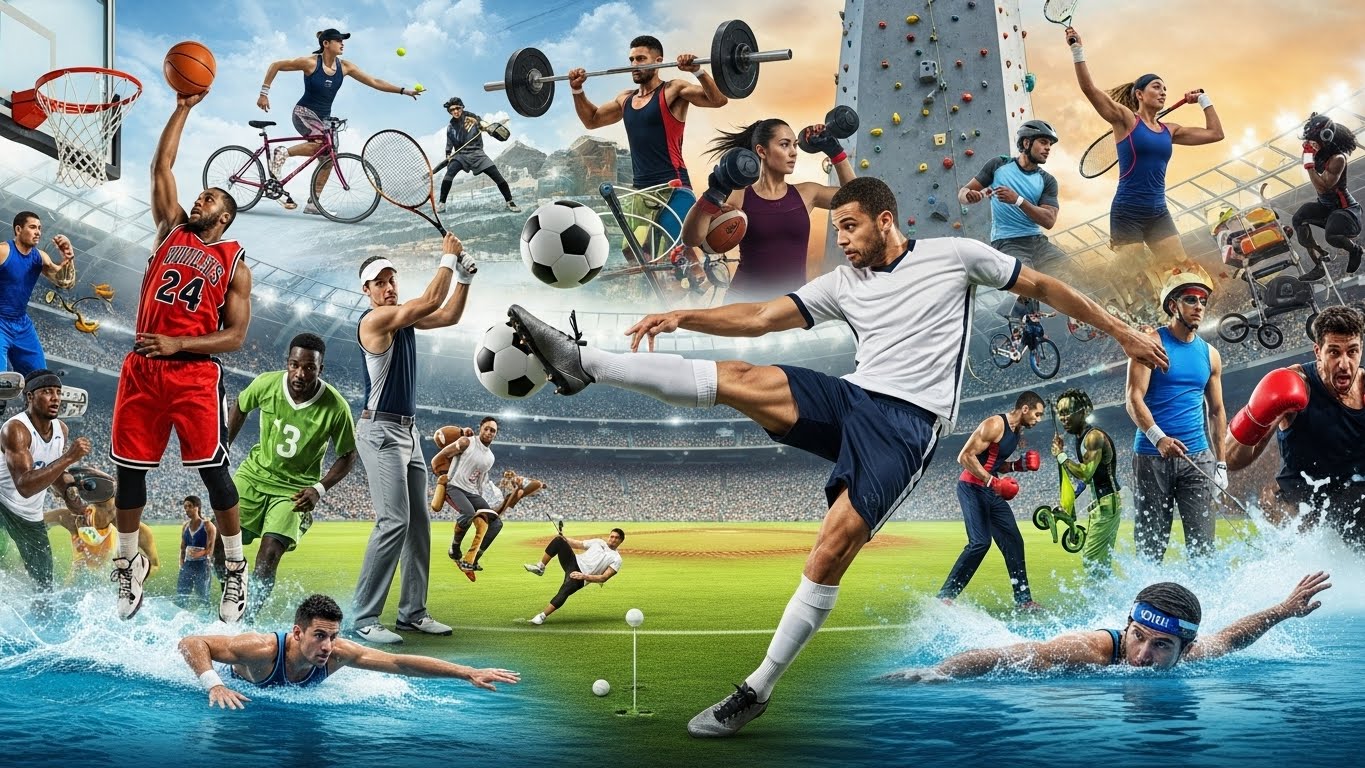


Introduction: The Universal Power of Sports
Sports are not just games—they are an essential part of human life, connecting people through passion, discipline, and emotion. Whether it is a small match on a dusty field or a grand tournament watched by millions, sports symbolize the strength of the human spirit. They inspire unity, foster character, and teach the value of perseverance. Throughout history, sports have evolved from simple competitions into powerful global phenomena that shape identities, societies, and even the future.
The Origins of Human Competition
From the earliest days of civilization, humans have tested their strength and skill against one another. Ancient societies celebrated physical excellence through games and rituals. In Greece, the first Olympic Games were held nearly three thousand years ago to honor the gods and celebrate athletic achievement. The ancient Egyptians practiced wrestling and swimming, while Chinese dynasties promoted martial arts for discipline and defense.
These early competitions were not only about entertainment but also about survival and unity. They helped communities build trust and cooperation, teaching lessons that extended beyond the playing field. Sports have always been a mirror of human ambition—a way to challenge nature, opponents, and one’s own limits.
The Transformation of Modern Sports
The modern era of sports began in the nineteenth century, when standardized rules, organized leagues, and global tournaments emerged. Football, cricket, basketball, tennis, and athletics gained worldwide popularity, turning athletes into icons and games into traditions. The revival of the Olympic Games in 1896 reconnected humanity to its ancient roots while promoting peace and friendship among nations.
Television and digital media transformed sports into a universal spectacle. Fans could now witness matches from anywhere in the world, creating a shared experience that crossed borders and languages. The emotional connection between athletes and spectators turned sports into a cultural phenomenon, making heroes out of those who could capture victory through strength, strategy, and heart.
Sports and the Human Mind
Sports are not just physical battles—they are deeply psychological. Every athlete faces moments of doubt, fear, and pressure. Overcoming these emotions requires mental strength and emotional intelligence. Sports teach self-control, patience, and resilience, showing that victory often begins in the mind before it is achieved on the field.
The thrill of competition also improves mental health. Physical activity releases endorphins, reducing stress and anxiety. Team sports promote social connection and a sense of belonging, while individual sports encourage self-reflection and focus. Whether playing professionally or recreationally, sports help people build confidence, balance, and mental clarity.
Character Building Through Competition
Sports are powerful teachers. They instill values that shape individuals and communities alike. Through victory and defeat, athletes learn humility, respect, and perseverance. Losing a match can be as important as winning, as it teaches the importance of learning, adapting, and improving.
Teamwork is another essential lesson of sports. Every successful team demonstrates cooperation, trust, and unity. Players must rely on one another to achieve a common goal, proving that success is rarely achieved alone. This spirit of collaboration extends to life outside sports—teaching people how to work with others, communicate effectively, and handle challenges with dignity.
Health and Well-Being Through Sports
In an age where sedentary lifestyles dominate, sports provide a vital path to health and wellness. Regular physical activity improves cardiovascular strength, muscle tone, flexibility, and endurance. It helps prevent chronic diseases like diabetes, obesity, and heart conditions.
Beyond physical health, sports also boost mental and emotional well-being. They encourage discipline, time management, and self-motivation. Even a simple daily activity, such as jogging or playing a local game, can rejuvenate the body and refresh the mind. For children and youth, engaging in sports develops lifelong habits of fitness and focus, laying the foundation for a healthy future.
The Unifying Force of Sports
One of the most beautiful aspects of sports is their ability to unite people. When fans gather to support their teams, they set aside differences of race, religion, and nationality. Sports become a language of harmony, spoken and understood by all. Major events like the FIFA World Cup or the Olympic Games demonstrate this unity on a global scale.
Sports also promote peace and diplomacy. Nations that might struggle politically often find common ground through athletic exchange. Athletes serve as ambassadors of goodwill, proving that friendship and respect can overcome conflict. When a nation celebrates its heroes, it is not just a victory in sport—it is a triumph of identity, pride, and hope.
The Role of Women in Sports
For centuries, women faced barriers that kept them from participating in competitive sports. But today, women’s sports are thriving, inspiring generations with stories of strength and resilience. Female athletes have shattered stereotypes, proving that talent and determination know no gender.
Icons such as Serena Williams, Simone Biles, and many others have redefined excellence, achieving greatness through hard work and courage. Their success has also encouraged equality, leading to more opportunities and recognition for women in all levels of athletics. This growing inclusivity is one of the most significant achievements in modern sports history, symbolizing progress toward fairness and empowerment.
Technology’s Influence on Sports
Modern technology has revolutionized how sports are played, trained for, and experienced. Advanced analytics, wearable trackers, and artificial intelligence allow coaches and athletes to measure performance with precision. Video replays ensure fairness, while virtual simulations prepare players for real-world challenges.
Fans, too, benefit from technology through live broadcasts, virtual reality experiences, and instant updates. Stadiums are becoming smarter, with systems that enhance safety and engagement. As technology continues to evolve, it will keep redefining the boundaries of what is possible in sports—while preserving the timeless human element of effort and emotion.
Sports as a Tool for Social Change
Throughout history, sports have been a platform for justice, equality, and reform. Athletes have used their visibility to raise awareness about important causes, from racial equality to environmental sustainability. Sporting organizations now champion campaigns for mental health, education, and diversity, making sports a force for good beyond the field.
In many developing regions, community sports programs help underprivileged youth find direction and purpose. They offer opportunities for education, employment, and personal growth. Sports teach that talent can come from anywhere and that hard work and dedication can overcome poverty and prejudice.
The Global Economy of Sports
Sports have also become a massive global industry, generating billions of dollars annually. From ticket sales and merchandise to sponsorships and broadcasting, the business of sports fuels economies worldwide. Cities hosting international tournaments experience tourism booms, infrastructure development, and job creation.
While commercialization has its critics, it also brings opportunities for innovation and inclusion. Sports marketing connects brands with fans in creative ways, while athlete endorsements inspire trust and aspiration. However, it is vital to ensure that financial growth does not overshadow the integrity and purity of the game.
Ethics and Fair Play in Sports
The spirit of sportsmanship is built on fairness, honesty, and respect. True champions play not just to win but to uphold these values. Unfortunately, issues such as doping, corruption, and unsportsmanlike behavior can threaten the credibility of sports. Maintaining ethical standards is essential to preserving trust and integrity.
Education about fair play, anti-doping programs, and transparent governance help keep sports honorable. Fans and players alike must remember that sports are not only about results—they are about respect, discipline, and human excellence.
The Future of Sports
As we move into the future, sports are evolving faster than ever. Esports, or competitive gaming, have emerged as a new frontier, attracting millions of players and viewers worldwide. Virtual reality and artificial intelligence are transforming how people train and compete. Yet, despite these technological advances, the essence of sports remains unchanged—the joy of participation, the thrill of competition, and the pursuit of greatness.
Environmental sustainability is also shaping the future of sports. Green stadiums, eco-friendly materials, and sustainable event planning are becoming essential as the world becomes more conscious of its ecological footprint. The goal is to ensure that the passion for sports continues to thrive without harming the planet.
Challenges Facing Modern Sports
Despite its global popularity, the world of sports faces challenges. Economic inequality, political interference, and commercialization sometimes overshadow its true purpose. Mental health issues among athletes are rising, as the pressure to perform grows stronger. It is vital to support athletes as humans first, ensuring they receive care, rest, and respect beyond their professional careers.
Accessibility is another challenge. Millions of talented youth around the world lack facilities, coaching, and opportunities. Bridging this gap is essential to make sports truly global and inclusive. By investing in grassroots programs and community initiatives, the world can unlock hidden potential and nurture future champions.
Conclusion: The Timeless Spirit of the Game
Sports are a celebration of humanity in its purest form. They embody courage, unity, and joy. Every race run, every goal scored, and every victory achieved tells a story of hard work and heart. Sports teach us to push beyond our limits, to respect others, and to never give up—no matter the odds.
In a world often divided by politics, race, or belief, sports remind us of what truly unites us: our shared humanity. The spirit of sports lives in every athlete, every fan, and every dreamer who believes in the beauty of effort. As long as people continue to play, compete, and cheer with passion, the arena of sports will never end—it will continue to inspire generations and keep the pulse of humanity alive.