
Introduction
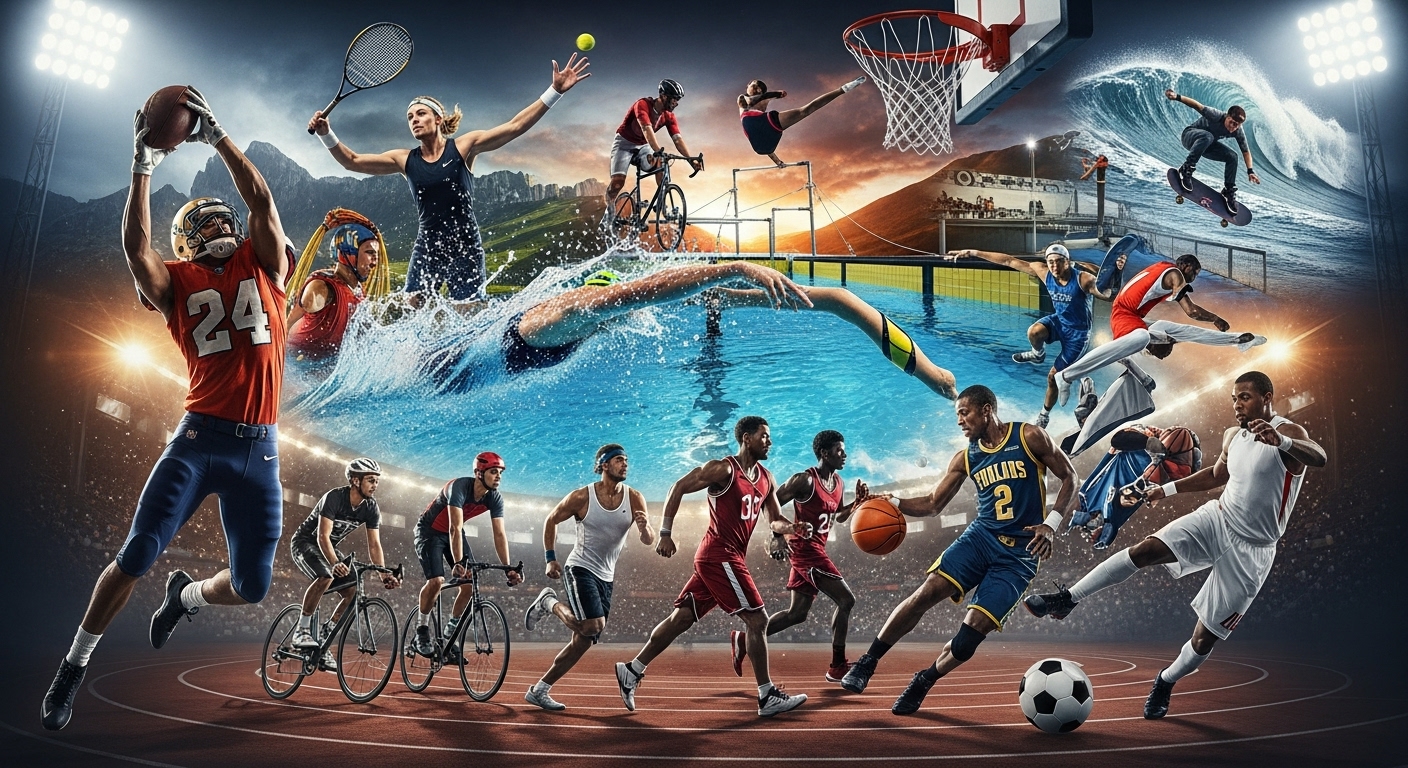
Sports have been an integral part of human culture for centuries, serving as a source of entertainment, a tool for physical and mental development, and a medium for fostering social cohesion. From local community games to international competitions, sports play a crucial role in shaping societies, promoting values, and inspiring millions around the world. More than just a contest of skill and strength, sports influence health, education, economics, and culture, leaving a lasting impact on individuals and communities alike. This blog explores the multifaceted world of sports, examining its history, benefits, societal significance, and future prospects.
The Historical Evolution of Sports
The roots of sports can be traced back to ancient civilizations. In ancient Greece, the Olympic Games were held to celebrate athletic prowess and honor the gods, creating a platform for cultural exchange and unity among city-states. Similarly, ancient civilizations in China, Egypt, and Mesopotamia engaged in physical contests, martial arts, and competitive games for entertainment and military training.
Throughout the Middle Ages, sports were often linked to military preparedness and social hierarchy. Jousting, archery, and wrestling were common, reflecting both physical skill and strategic thinking. The Industrial Revolution marked a turning point, giving rise to organized sports leagues, standardized rules, and professional competitions. Sports gradually transformed from recreational activities to structured systems that emphasized performance, teamwork, and spectatorship.
Physical Health Benefits of Sports
One of the most obvious benefits of sports is the improvement of physical health. Regular participation in physical activities enhances cardiovascular fitness, strengthens muscles and bones, improves flexibility, and promotes overall wellness. Engaging in sports helps prevent lifestyle-related illnesses such as obesity, diabetes, and heart disease.
Sports also foster healthy habits. Athletes learn the importance of nutrition, regular exercise, and rest, developing routines that contribute to long-term well-being. Even recreational sports encourage an active lifestyle, which is crucial for maintaining physical and mental health in modern sedentary societies.
Mental and Psychological Advantages
Sports are not just beneficial for the body; they significantly impact mental health. Physical activity triggers the release of endorphins, which elevate mood, reduce stress, and combat anxiety and depression. Engaging in sports provides an outlet for emotions, helping individuals cope with pressures from daily life.
Competitive sports also develop mental resilience. Athletes learn to handle pressure, stay focused under challenging circumstances, and recover from setbacks. These psychological skills are invaluable, extending beyond sports into personal and professional life, helping individuals navigate challenges with composure and determination.
Teamwork and Social Skills
Sports are a powerful medium for teaching teamwork and social interaction. Team sports like football, basketball, and volleyball require communication, coordination, and strategic collaboration. Players learn to support one another, understand collective goals, and appreciate the importance of each individual’s role in achieving success.
Participating in sports also nurtures leadership skills. Captains and experienced players guide teams, make critical decisions, and mediate conflicts, fostering qualities such as responsibility, empathy, and motivation. Through sports, individuals develop interpersonal skills that enhance relationships in educational, professional, and social contexts.
Cultural Significance of Sports
Sports are deeply woven into cultural identity and heritage. Legendary athletes and historic matches often symbolize national pride and collective achievement. Events like the Olympic Games, the FIFA World Cup, and major international tournaments captivate global audiences and create shared experiences across cultures.
Sports also reflect societal values and provide platforms for addressing social issues. Athletes use their visibility to advocate for equality, environmental sustainability, and social justice. Sports, therefore, act as both a cultural expression and a catalyst for societal change, demonstrating their significance beyond the playing field.
Economic Impact of Sports
Sports contribute significantly to the global economy. Professional leagues, tournaments, and sporting events generate revenue through ticket sales, broadcasting, merchandise, and sponsorships. Local economies benefit from sports tourism, stadium construction, and related service industries.
The sports industry also drives innovation and employment. Technology, media, fitness equipment, apparel, and digital platforms associated with sports create jobs and generate economic activity. By integrating technology and entertainment, sports continue to expand their economic footprint, making them an essential component of modern markets.
Technology and Innovation in Sports
Modern sports are increasingly shaped by technology. Wearable devices, motion sensors, and fitness trackers provide detailed insights into performance and health metrics. Video analysis and motion capture systems help athletes improve technique and strategize effectively.
Broadcasting technology has transformed spectator experiences. Live streaming, virtual reality, and interactive platforms allow fans to engage with sports globally, regardless of location. Data analytics enable teams to evaluate performance, predict outcomes, and optimize strategies. Technology has enhanced both athletic performance and audience engagement, creating a more dynamic sports ecosystem.
Inclusivity and Diversity in Sports
Sports offer a platform for promoting inclusivity and diversity. Adaptive sports programs empower individuals with disabilities to participate competitively, fostering confidence and skill development. Women’s sports have gained recognition and professional opportunities, promoting gender equality and challenging traditional norms.
Sports bring together people from different cultural, social, and economic backgrounds. Participation and viewership encourage empathy, understanding, and respect, creating communities united by shared experiences and mutual appreciation. Inclusivity ensures that sports continue to serve as a medium for empowerment and social integration.
Sports and Education
Education and sports are intrinsically connected. Schools and universities integrate athletic programs to promote physical fitness, discipline, and holistic development. Student-athletes learn time management, goal setting, and perseverance, balancing academics with competitive performance.
Sports also teach life lessons that extend beyond the classroom. Handling competition, facing setbacks, and celebrating achievements cultivate resilience, character, and problem-solving skills. Participation in sports complements formal education by fostering personal growth, teamwork, and leadership.
Challenges in Sports
Despite its numerous benefits, sports face significant challenges. Issues such as doping, corruption, and match-fixing undermine fairness and integrity. Over-commercialization can prioritize profit over athlete well-being, eroding the spirit of competition.
Athlete burnout and mental health concerns are rising. Intense training, high expectations, and public scrutiny place significant stress on professional and amateur athletes alike. Addressing these challenges requires ethical governance, adequate support systems, and a focus on physical and mental health to preserve the integrity and benefits of sports.
The Future of Sports
The future of sports promises technological innovation, greater inclusivity, and sustainability. Advancements in virtual reality, augmented reality, and wearable technology will enhance training, competition, and fan engagement. Global connectivity allows wider participation and spectating, breaking geographic barriers and expanding access.
Sustainability will become a key focus. Eco-friendly stadiums, energy-efficient facilities, and responsible event management practices will define the next generation of sports infrastructure. Sports will continue to unite communities, inspire individuals, and foster cultural and social development.
Conclusion
Sports are far more than games; they are a reflection of human ambition, culture, and social connection. They promote physical health, mental resilience, teamwork, and leadership, while also contributing to economic growth, technological innovation, and cultural identity. From local playgrounds to international arenas, sports bring communities together, inspire individuals, and celebrate excellence.
As sports continue to evolve, they will integrate new technologies, promote inclusivity, and emphasize sustainability. Their impact extends beyond the field, teaching life lessons, shaping societies, and connecting people worldwide. Sports embody human potential, perseverance, and collaboration, proving that their true power lies in more than just victory.