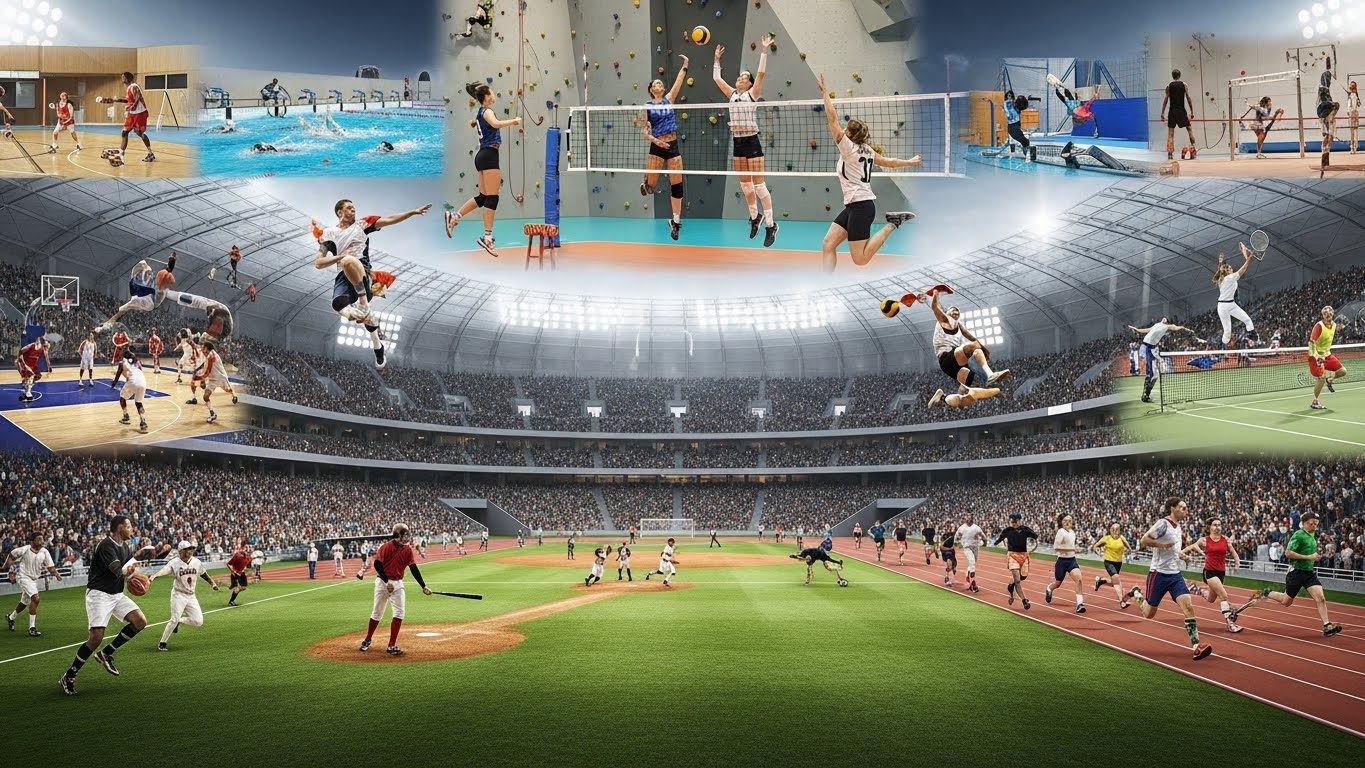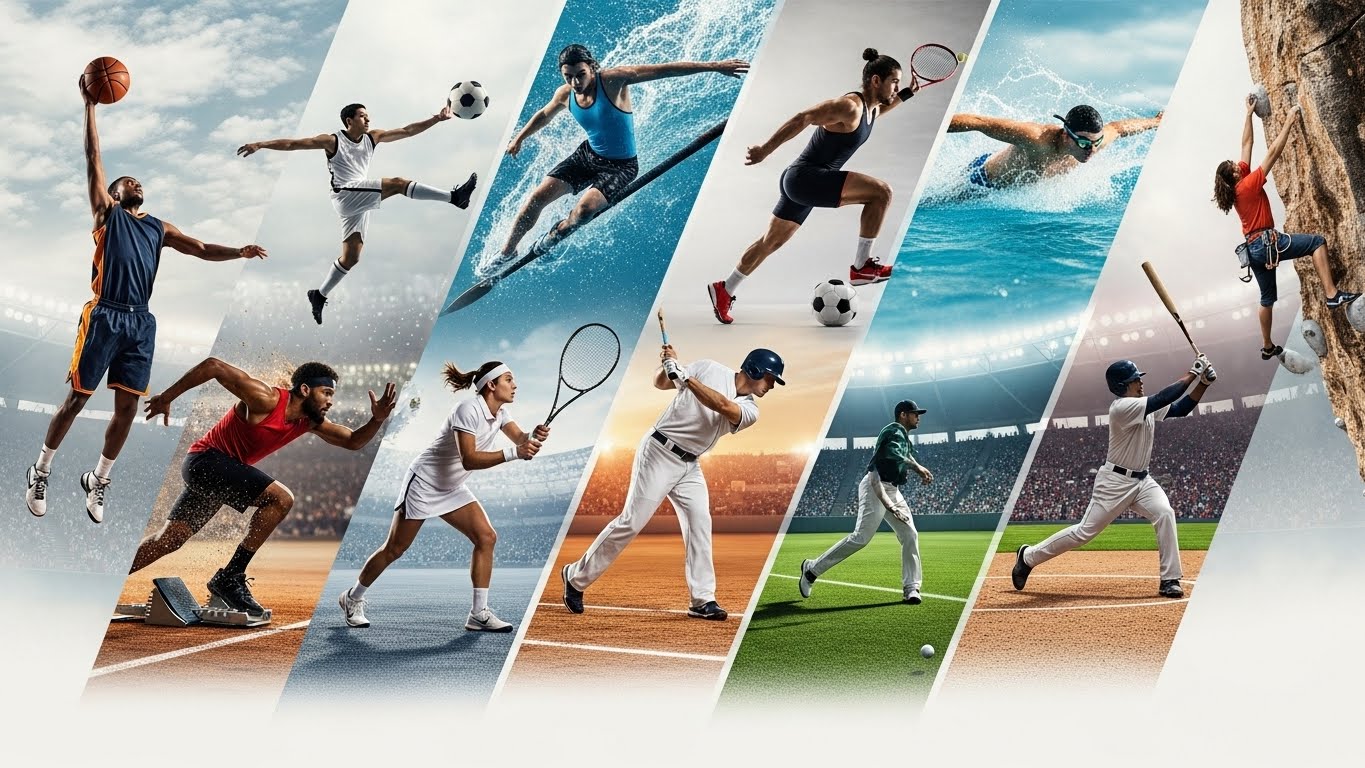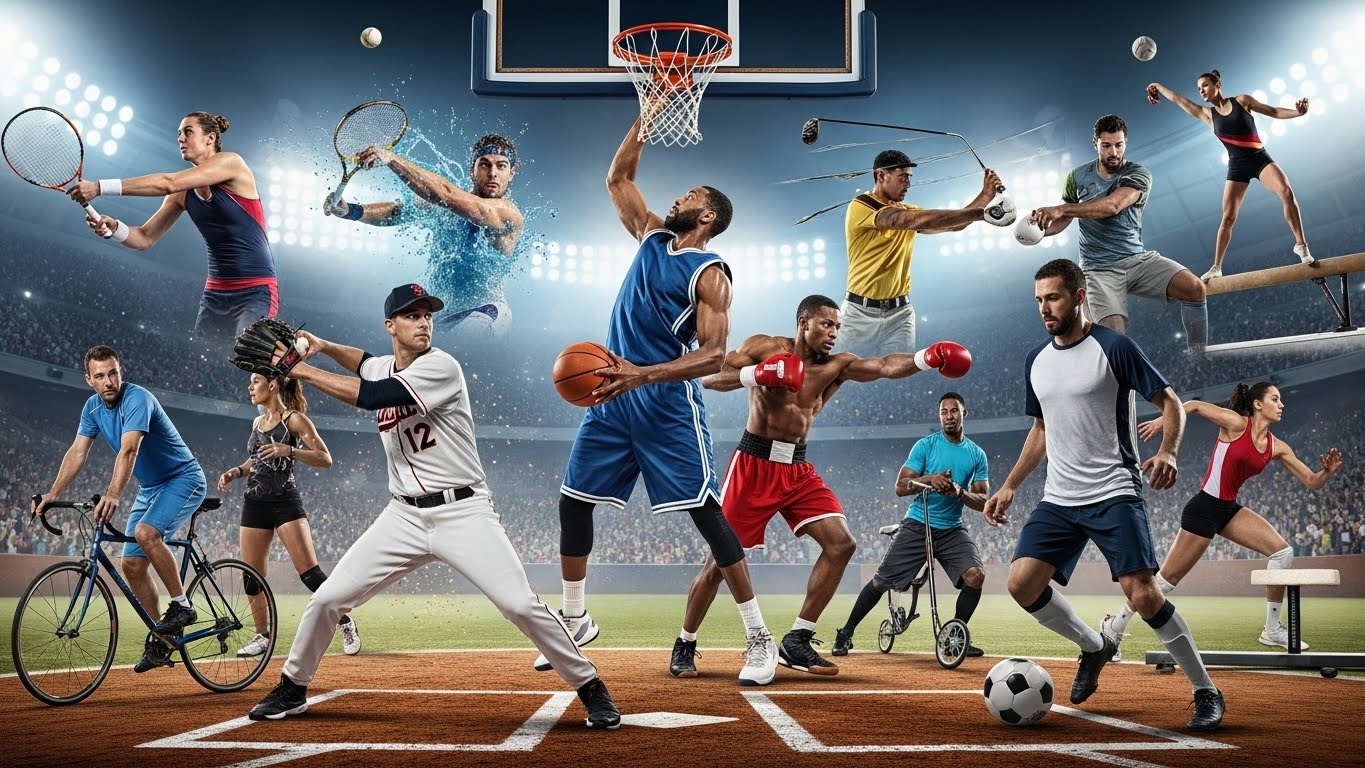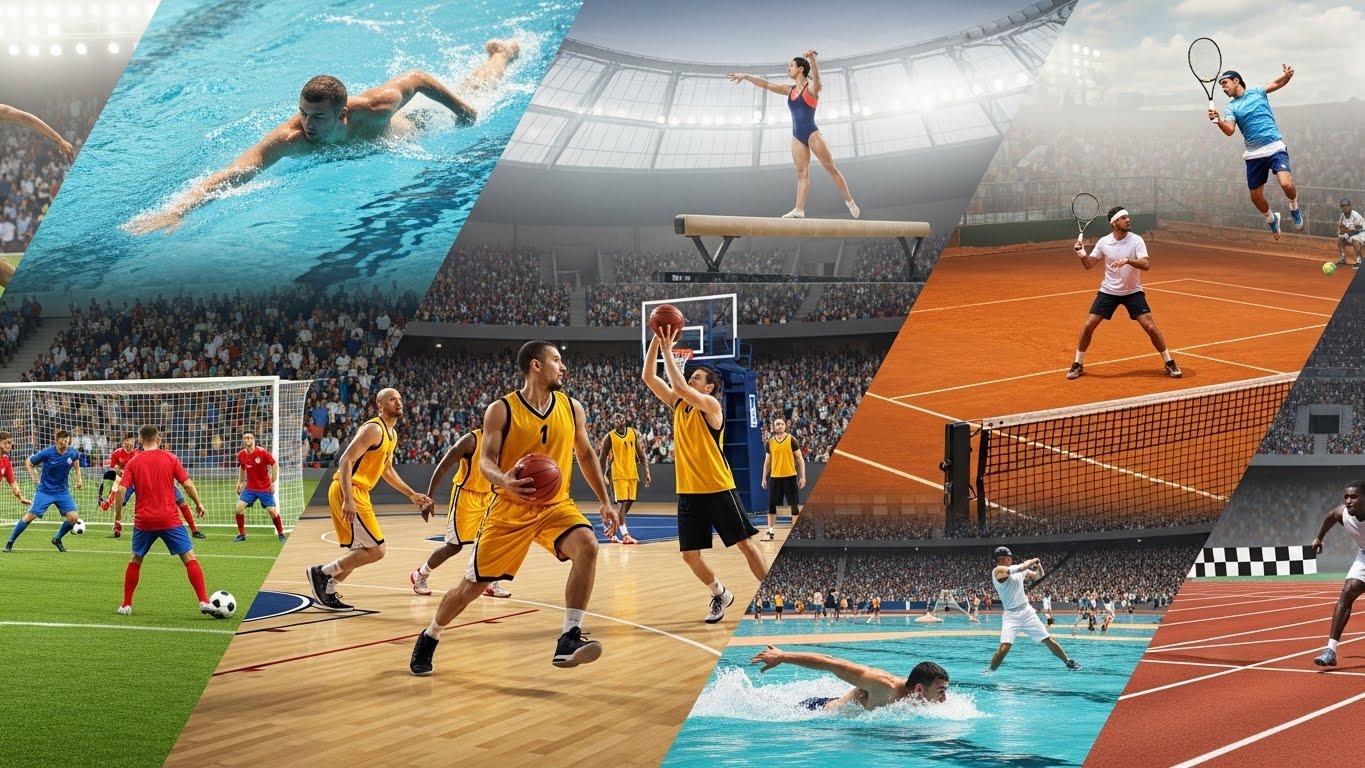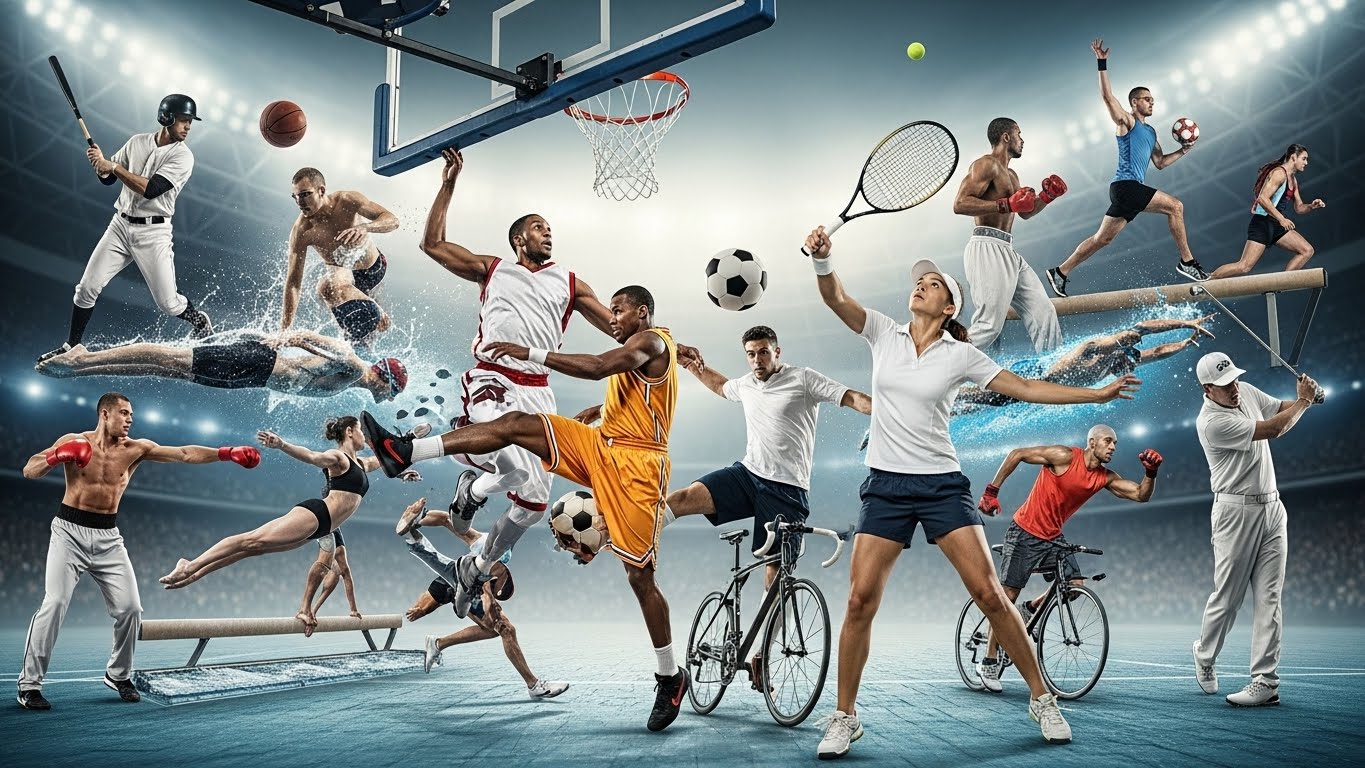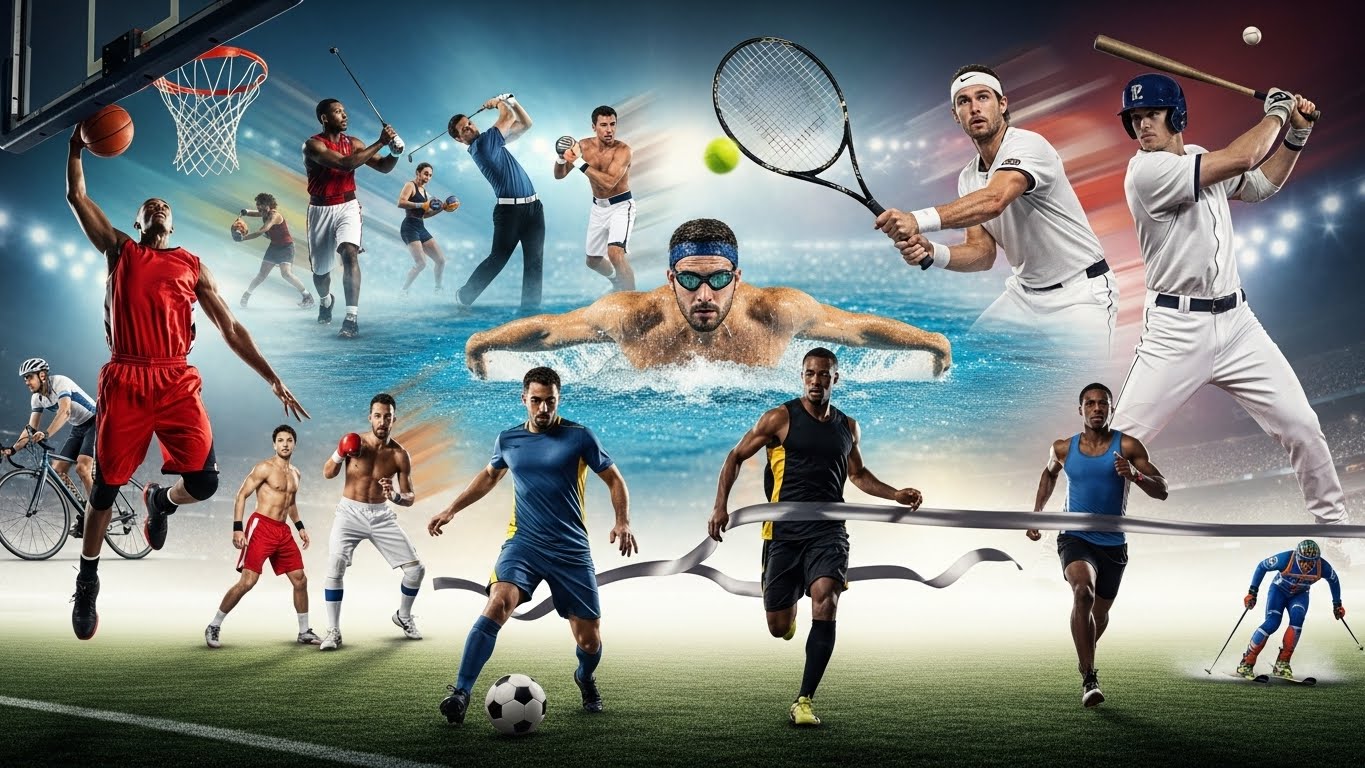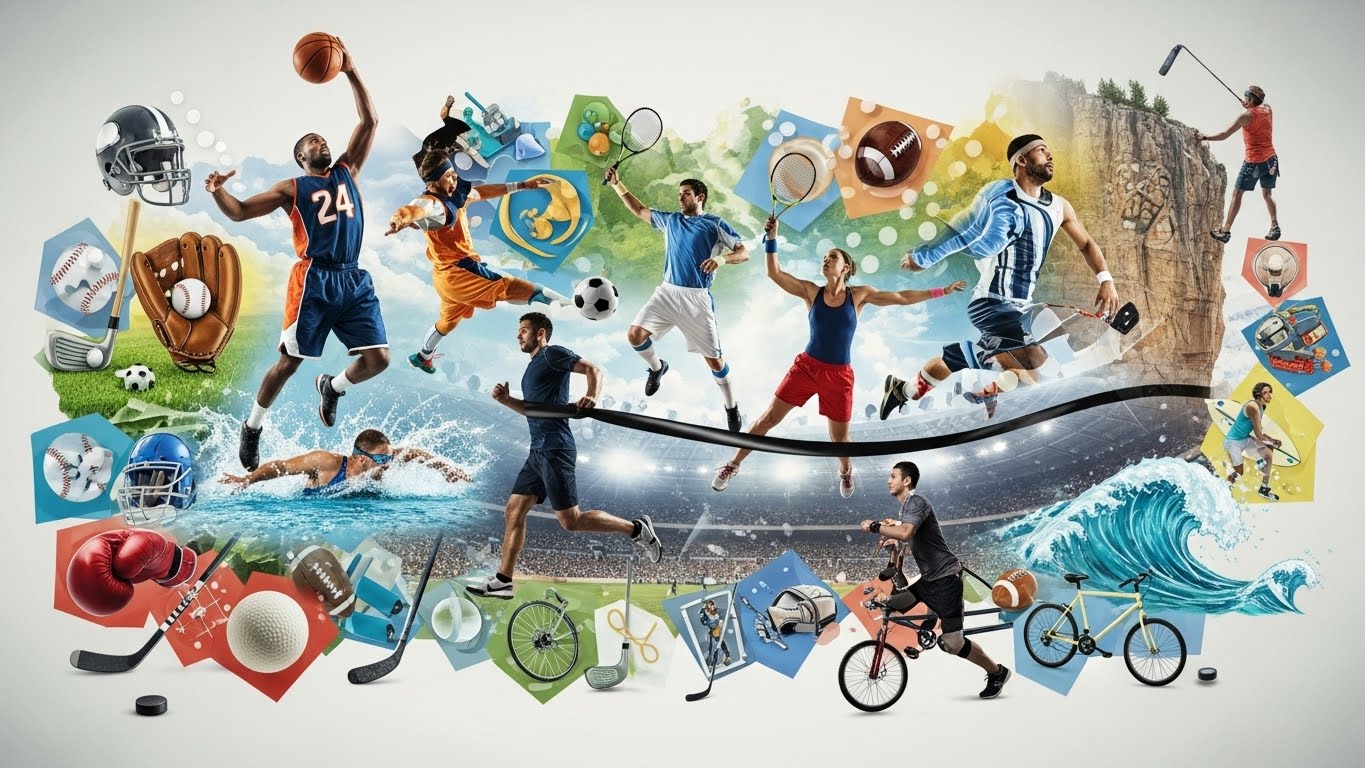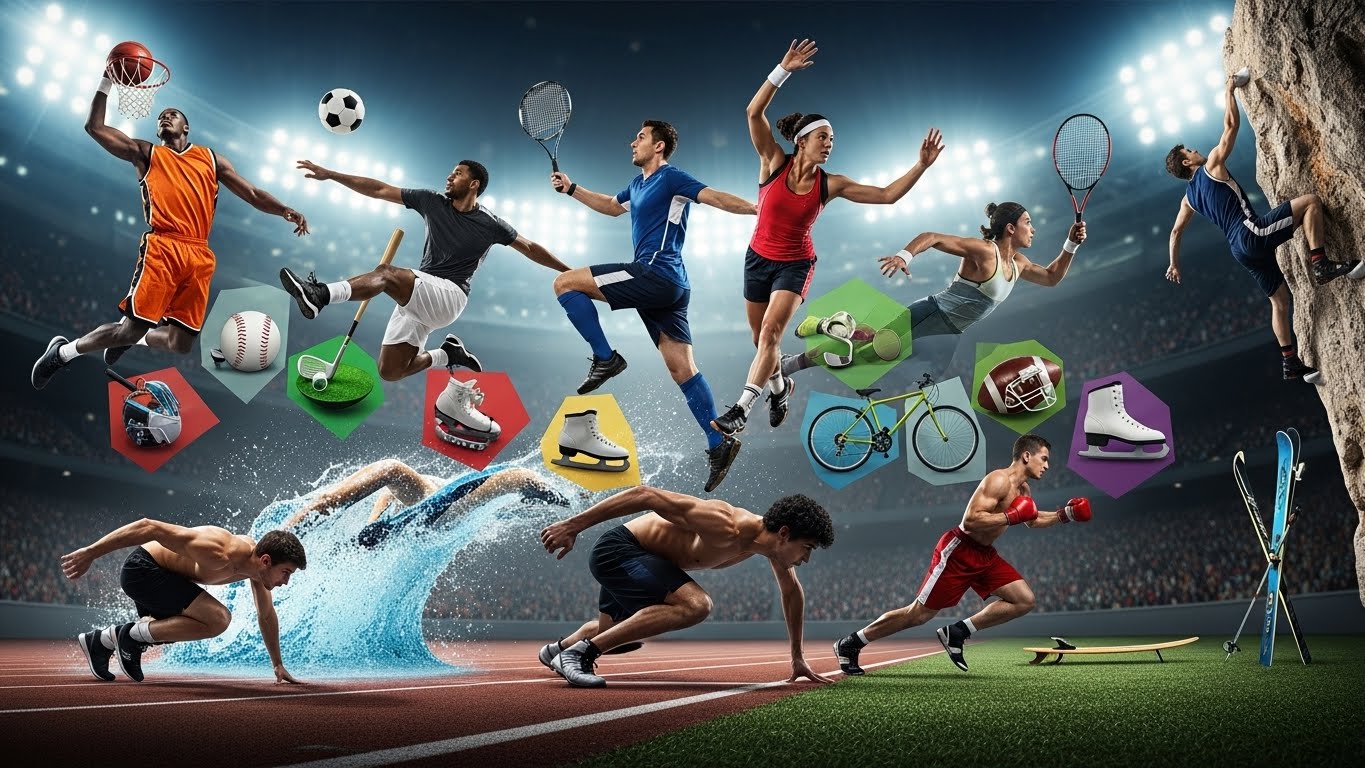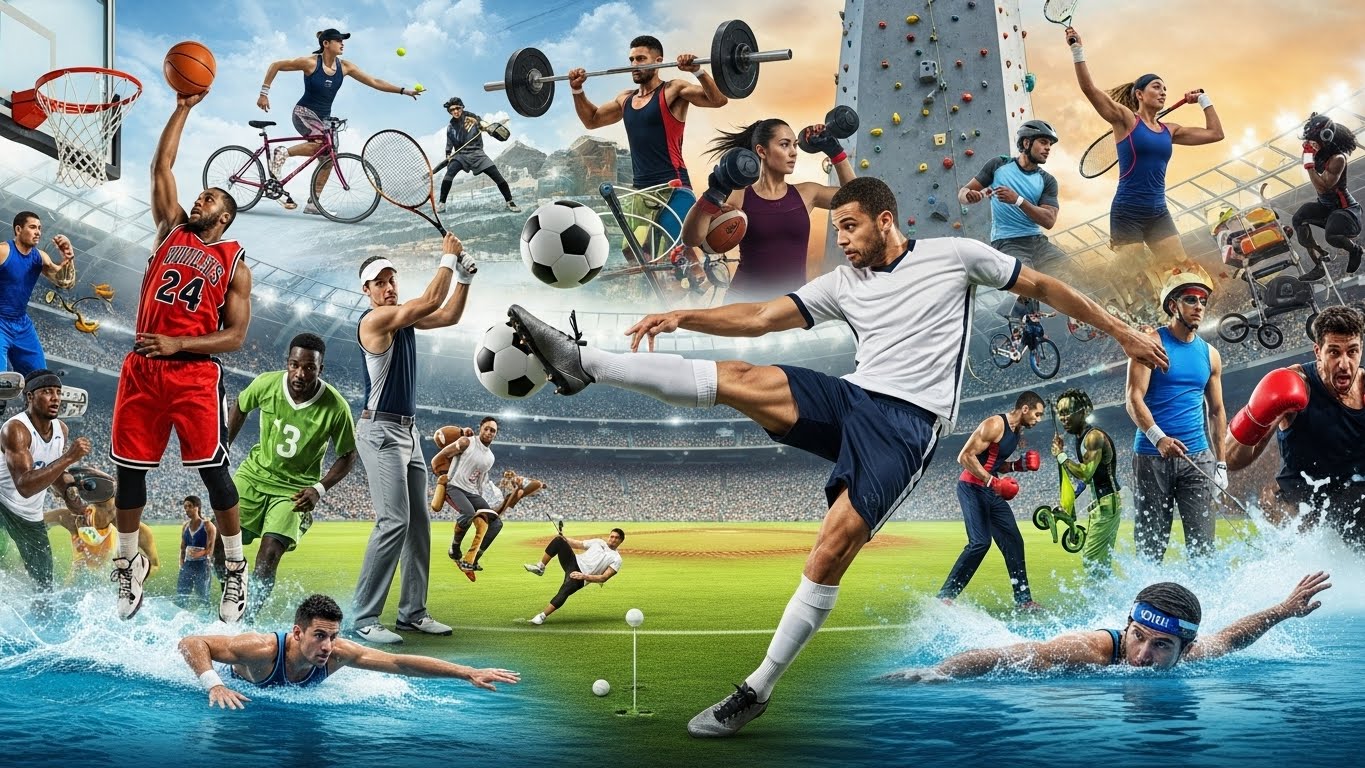

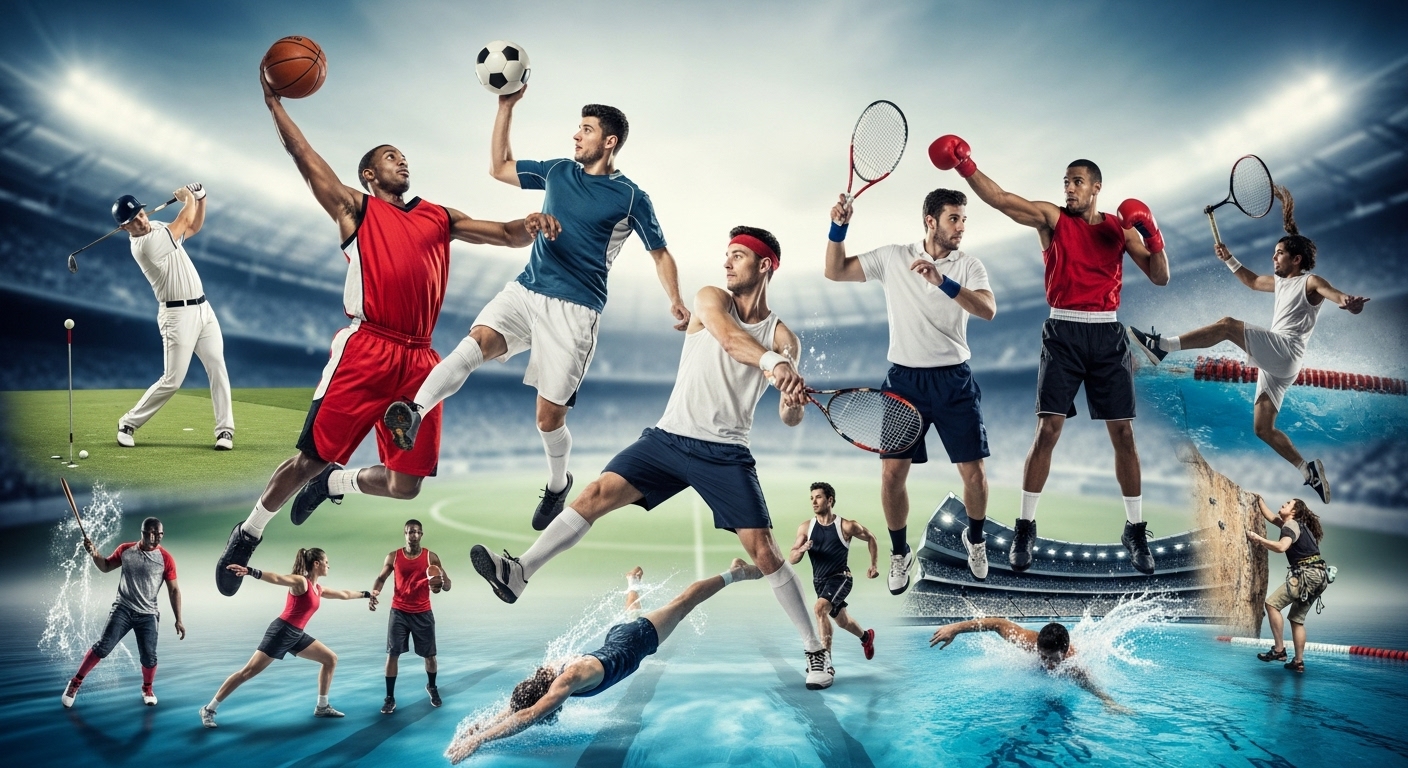
Sports have been an integral part of human civilization for thousands of years. From ancient Olympic games in Greece to modern professional leagues around the globe, sports have provided a platform for showcasing talent, fostering teamwork, and creating unforgettable moments. They transcend cultural, linguistic, and social barriers, offering both participants and spectators an unparalleled sense of excitement and unity.
The Origins of Sports
The history of sports can be traced back to ancient civilizations where games and physical contests were a significant part of community life. In ancient Greece, the Olympic Games were not just a showcase of physical ability but also a spiritual and cultural celebration. Wrestling, running, and chariot racing were popular events, emphasizing the importance of discipline, endurance, and strategy. Similarly, ancient Egypt, China, and Mesopotamia had their own forms of physical games, often linked with military training or religious rituals.
Sports in these early societies were more than just recreation; they were an essential part of cultural identity. They taught resilience, cooperation, and the importance of fair play. This historical foundation laid the groundwork for the modern sports culture we know today.
Evolution of Modern Sports
The modern era of sports began during the 19th century with the formalization of rules and the establishment of clubs and leagues. Football, cricket, and baseball became organized sports with professional competitions and international tournaments. Standardized rules ensured fair play and allowed for larger-scale competitions.
The 20th century saw a dramatic expansion of sports globally. Events like the FIFA World Cup, the Olympic Games, and Wimbledon captured international attention. Innovations in broadcasting technology brought sports into the homes of millions, creating iconic athletes and unforgettable moments. Today, sports are not just competitions—they are cultural phenomena, inspiring passion, loyalty, and identity among fans worldwide.
The Role of Physical Fitness in Sports
One of the core aspects of sports is physical fitness. Athletes dedicate countless hours to training, improving strength, endurance, agility, and flexibility. Physical fitness is not only essential for optimal performance but also reduces the risk of injuries and enhances overall health.
Endurance sports like marathon running or cycling require a combination of cardiovascular fitness and mental fortitude. Strength-based sports such as weightlifting or wrestling rely heavily on muscle development and precision. Team sports, including football, basketball, and hockey, combine individual physical fitness with coordination, strategy, and communication skills.
Beyond professional athletes, sports encourage individuals to pursue an active lifestyle. Participation in sports promotes cardiovascular health, reduces stress, and strengthens social connections. Fitness and sports are therefore deeply intertwined, benefiting both mental and physical well-being.
Teamwork and Collaboration in Sports
Sports, particularly team-based games, teach invaluable lessons in teamwork and collaboration. Success in sports rarely comes from individual effort alone. Players must communicate, strategize, and support one another to achieve collective goals.
In football, understanding the roles of each team member and executing coordinated plays often determines the outcome of a match. Basketball relies on quick decision-making and trust between players. Volleyball emphasizes timing and precision among teammates. These dynamics translate into real-life skills, fostering leadership, cooperation, and conflict resolution.
Moreover, sports can bridge social gaps. Players from diverse backgrounds come together, united by a common purpose. This inclusivity strengthens communities and teaches respect, empathy, and understanding—qualities essential both on and off the field.
Mental Toughness and Sports Psychology
Physical skill alone is not enough to excel in sports; mental strength is equally crucial. Sports psychology explores how athletes manage pressure, overcome setbacks, and maintain focus during critical moments.
Techniques such as visualization, goal setting, and mindfulness help athletes perform under intense scrutiny. Mental toughness allows them to push beyond physical limits, recover from losses, and maintain consistency in performance. Legendary athletes often attribute their success as much to mindset as to physical preparation.
For amateur players, sports can also build confidence and resilience. Learning to handle victory and defeat gracefully, adapting to challenges, and staying motivated during training fosters lifelong skills applicable beyond sports.
The Cultural Impact of Sports
Sports are deeply embedded in culture, influencing fashion, language, and entertainment. Fans celebrate victories with fervor, wear team colors with pride, and often identify themselves through the teams or athletes they support.
Major sporting events like the Super Bowl or the Olympics attract global audiences and inspire countless conversations. Sports also impact art, literature, and media. Films, documentaries, and novels often center around athletes, capturing the human struggle and triumph inherent in competition.
Furthermore, sports have the power to unite nations. Historic matches or events can foster national pride and even act as catalysts for social change. For instance, the integration of professional leagues or the rise of women’s sports has challenged societal norms and promoted equality.
Women in Sports: Breaking Barriers
Historically, women faced significant barriers in sports participation. However, the 20th and 21st centuries have witnessed a remarkable rise in women athletes breaking records and gaining recognition. Icons like Serena Williams, Simone Biles, and Megan Rapinoe have not only excelled in their fields but also become symbols of empowerment and resilience.
Women’s sports leagues are now growing rapidly, attracting fans and media attention. This growth challenges stereotypes, promotes gender equality, and inspires younger generations to pursue their athletic ambitions. The inclusion of women in all areas of sports has fundamentally transformed the landscape, emphasizing that talent and dedication know no gender.
Technology and Sports: The Modern Era
Technology has revolutionized sports in countless ways. From instant replays to advanced analytics, technology enhances performance, fairness, and fan engagement. Wearable devices monitor heart rate, oxygen levels, and movement patterns, providing athletes with precise data to optimize training.
In professional leagues, video-assisted refereeing ensures fairness and minimizes human error. Virtual reality allows fans to experience immersive simulations of games. Even eSports, a digital extension of competitive gaming, has emerged as a legitimate sporting domain, blending technology and skill in unprecedented ways.
The intersection of technology and sports continues to evolve, promising greater accessibility, accuracy, and excitement for participants and spectators alike.
Iconic Moments in Sports History
Sports history is filled with moments that have left a lasting impression. Jesse Owens’ triumph at the 1936 Olympics challenged racial prejudice. The Miracle on Ice in 1980 united a nation around an underdog hockey team. More recently, athletes breaking world records or winning first-time championships create stories that inspire millions.
These moments transcend statistics; they reflect perseverance, courage, and the human spirit. They remind us that sports are not just about competition but about creating narratives that resonate across generations.
The Globalization of Sports
In the modern world, sports have become a global phenomenon. International tournaments bring together athletes from all continents, fostering cultural exchange and mutual respect. Football, cricket, basketball, and tennis have fan bases spanning the globe.
Globalization has also made it possible for athletes to pursue opportunities in foreign leagues, enhancing competition and skill transfer. Fans can follow international events in real-time, creating a worldwide community connected by the love of sports.
The Role of Coaches and Mentors
Behind every successful athlete is a team of coaches, trainers, and mentors. These individuals guide skill development, strategy, and personal growth. Effective coaching not only improves performance but also nurtures character, discipline, and resilience.
Coaches play a critical role in shaping sports culture. They instill values of hard work, respect, and fair play, ensuring that sports remain a positive influence in society. Mentorship extends beyond physical training, often impacting athletes’ personal and professional lives long after their active careers.
Sports and Education
Sports and education are closely linked. Schools and universities often use sports as a tool to teach teamwork, leadership, and time management. Student-athletes balance rigorous academic and training schedules, developing skills that serve them in both arenas.
Scholarships and programs for talented athletes provide opportunities for higher education that may otherwise be inaccessible. This intersection of sports and education highlights the holistic benefits of athletic engagement, fostering well-rounded individuals prepared for diverse challenges.
The Economic Impact of Sports
Sports contribute significantly to global and local economies. Professional leagues, stadiums, merchandising, and media rights generate billions of dollars annually. Hosting major events like the Olympics or the FIFA World Cup boosts tourism, infrastructure development, and international investment.
Even grassroots sports programs create employment, stimulate local businesses, and provide opportunities for community engagement. The economic influence of sports underscores its importance beyond entertainment, making it a vital sector of modern society.
The Future of Sports
The future of sports promises innovation, inclusivity, and sustainability. Advances in technology, analytics, and training methodologies will continue to elevate performance standards. There is a growing emphasis on making sports accessible to all, regardless of gender, ability, or socioeconomic background.
Sustainable practices in stadium construction, event management, and equipment manufacturing are becoming priorities. Evolving fan experiences, virtual engagement, and integration with digital platforms will redefine how sports are consumed.
Ultimately, sports will continue to inspire, unite, and challenge humanity. It will remain a testament to human potential, creativity, and resilience.
Conclusion
Sports are far more than games or competitions. They are a reflection of human culture, a driver of physical and mental development, and a unifying force across the globe. From the thrill of victory to the lessons learned in defeat, sports shape lives in profound ways.
As we continue to embrace new technologies, celebrate diversity, and expand opportunities, sports will remain an essential part of our lives—encouraging excellence, fostering unity, and igniting passion across generations.