
Introduction: Sports as a Universal Phenomenon
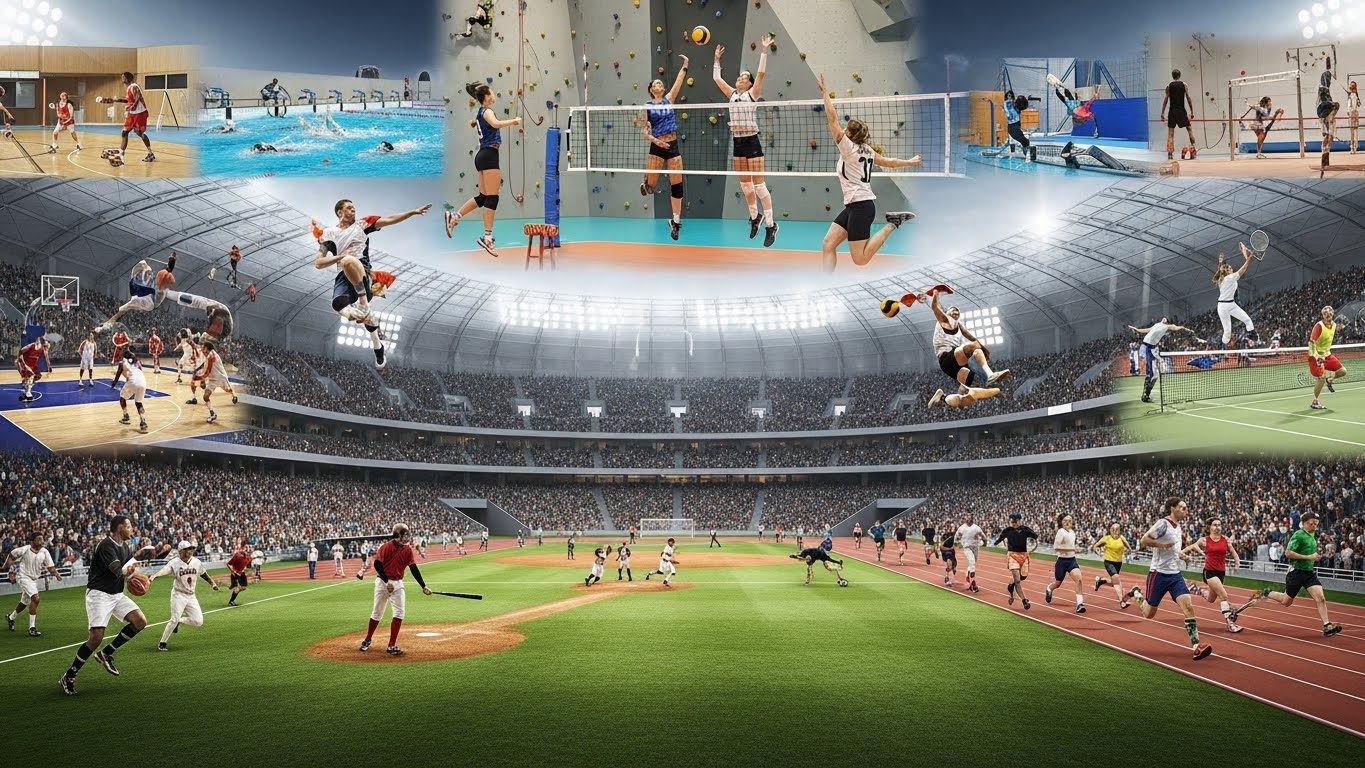
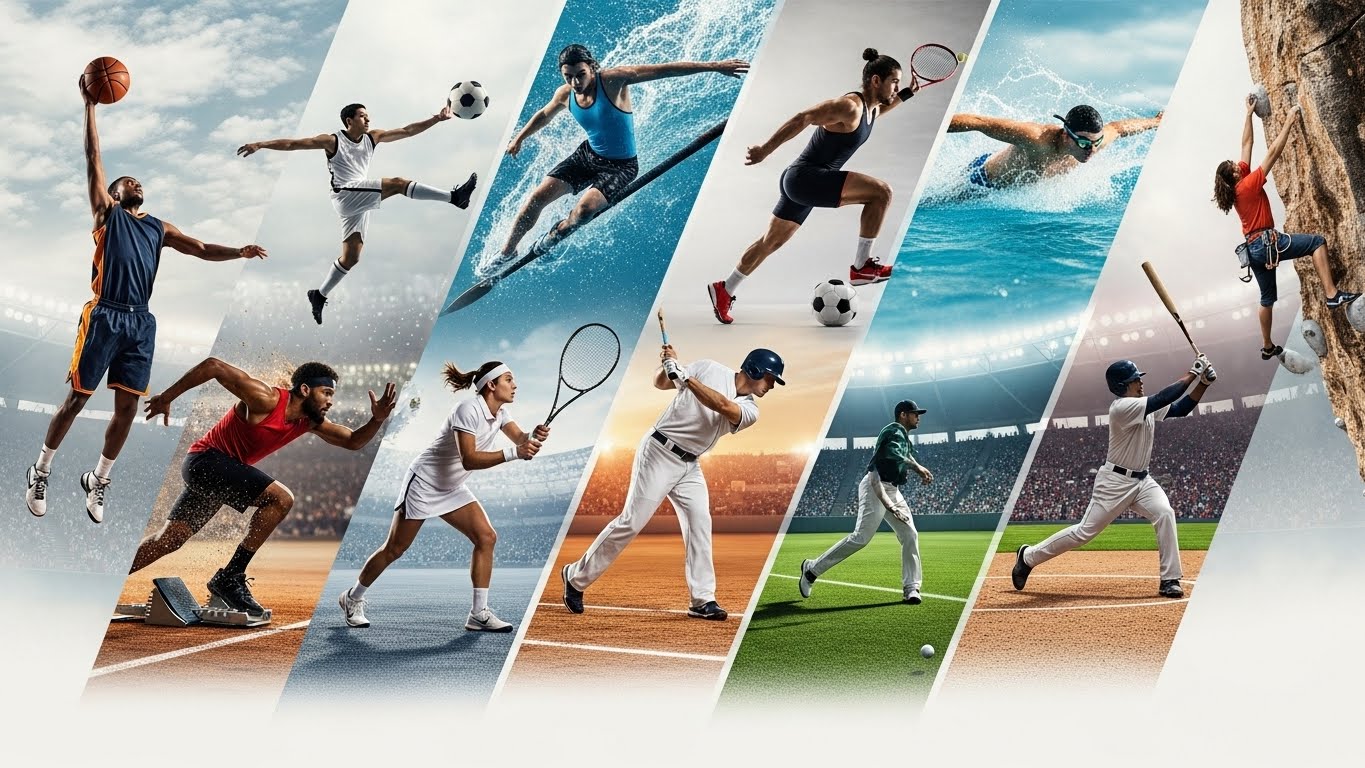
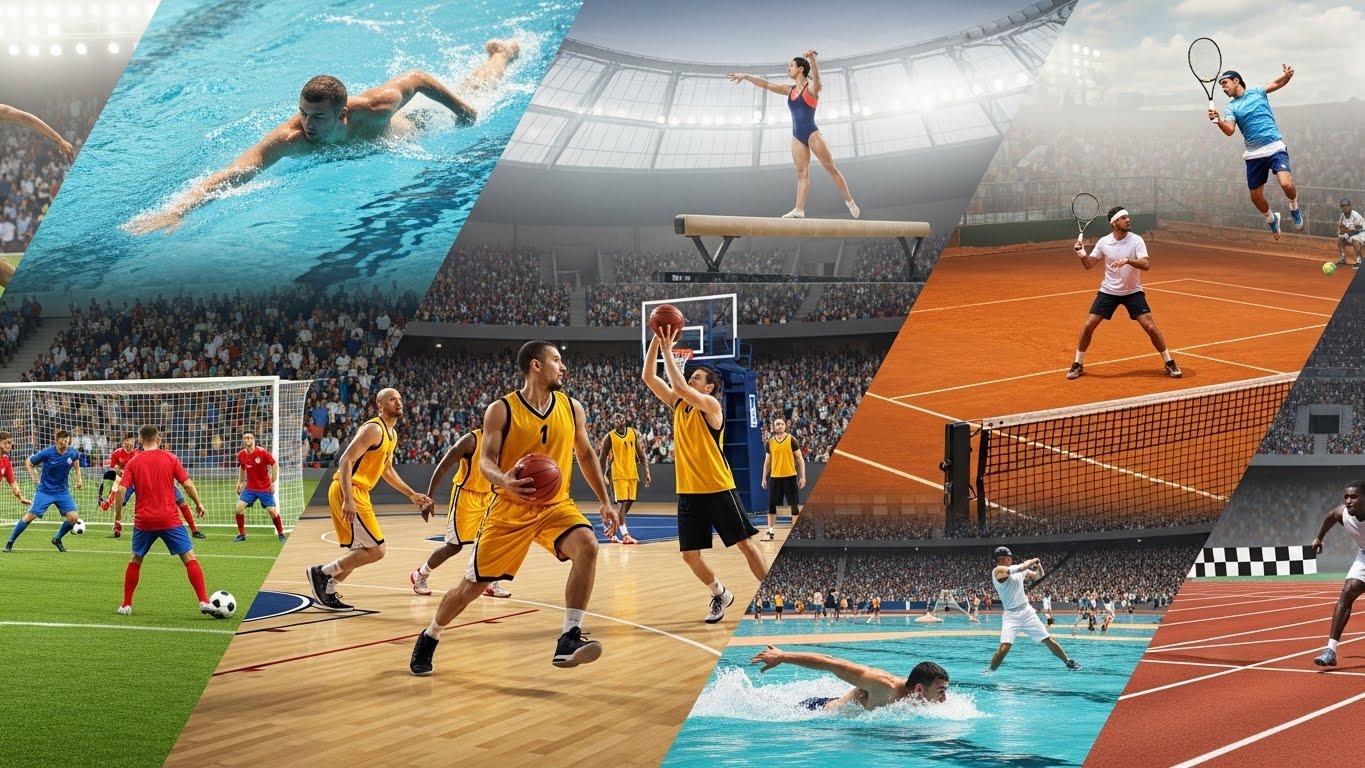
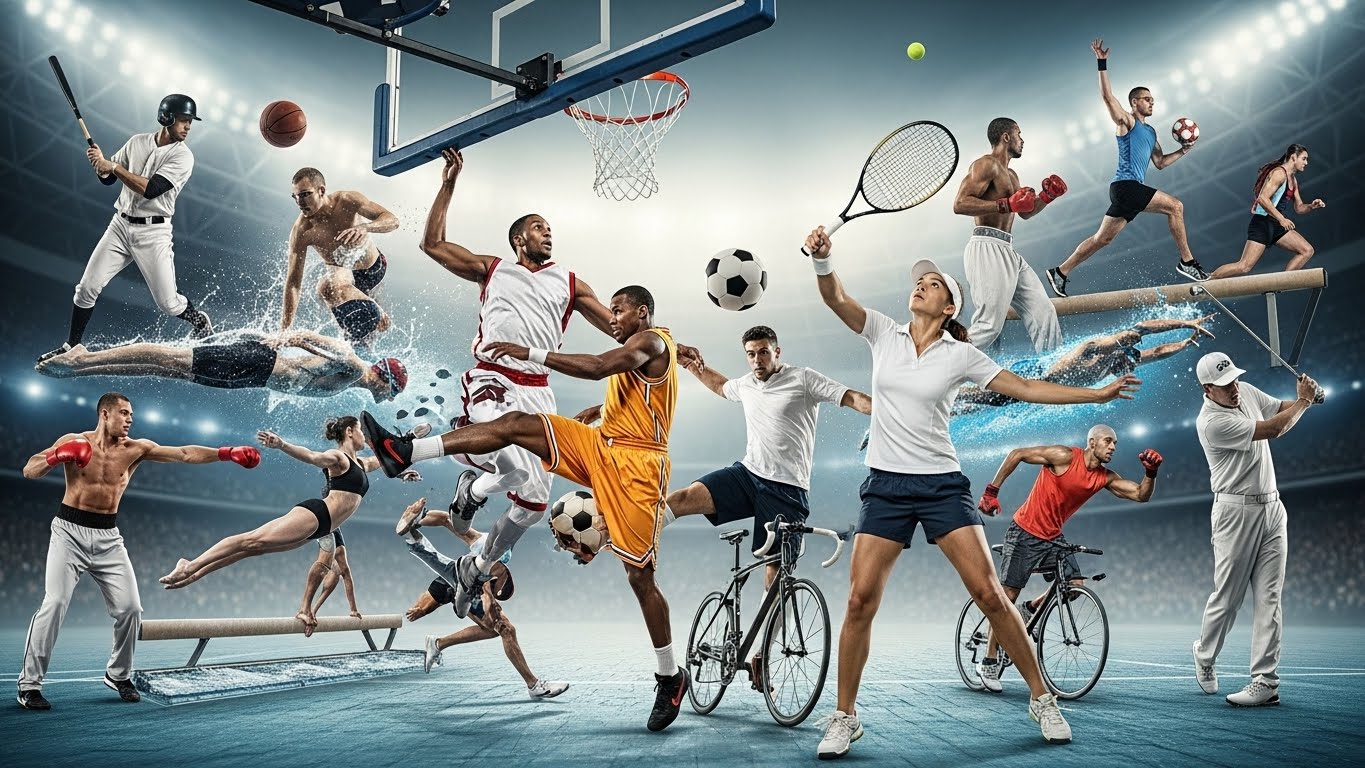
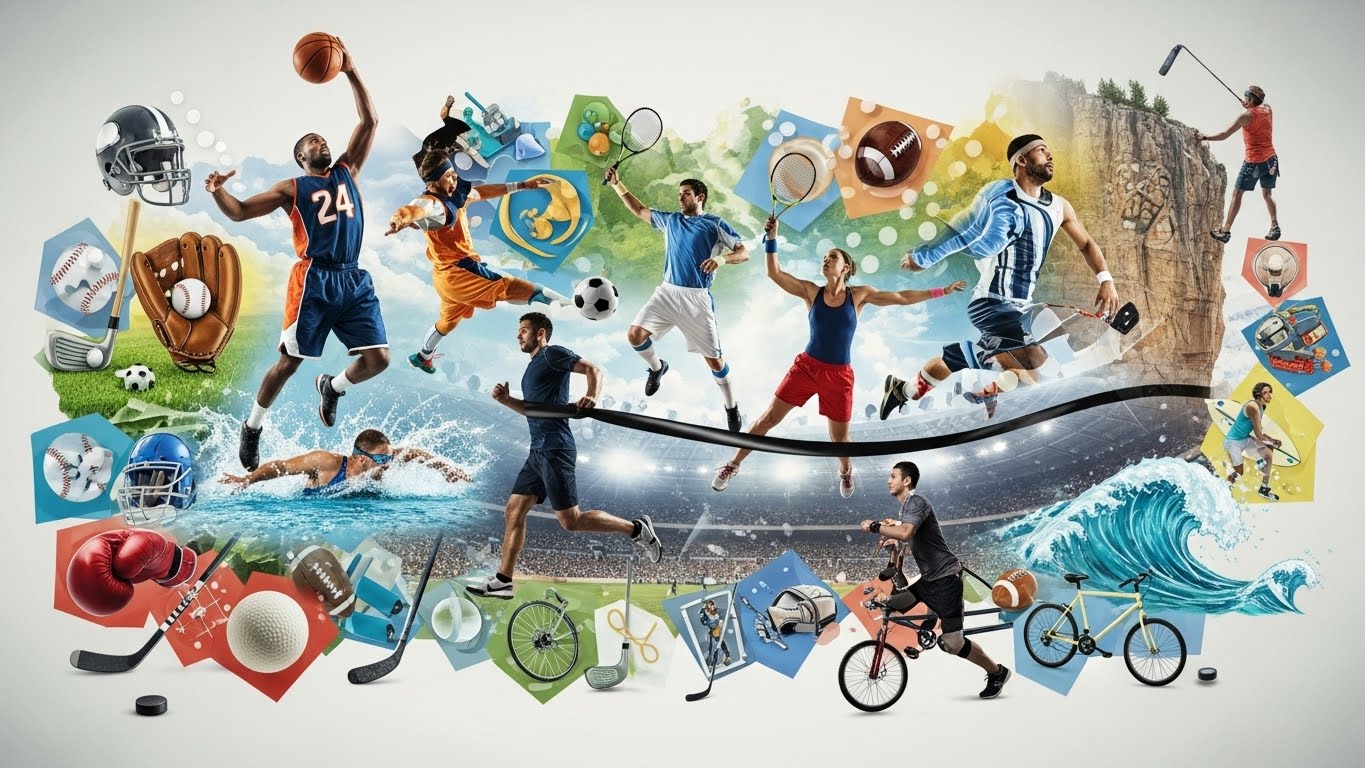
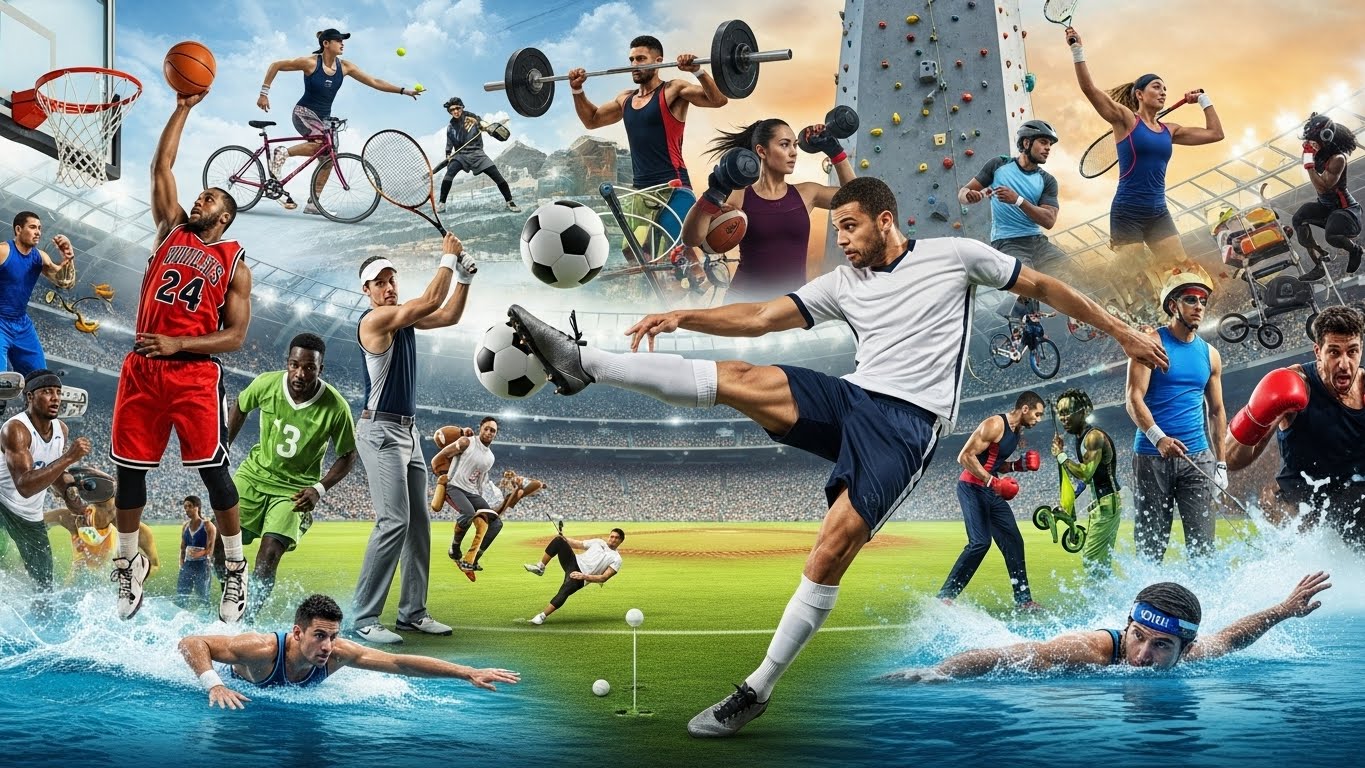
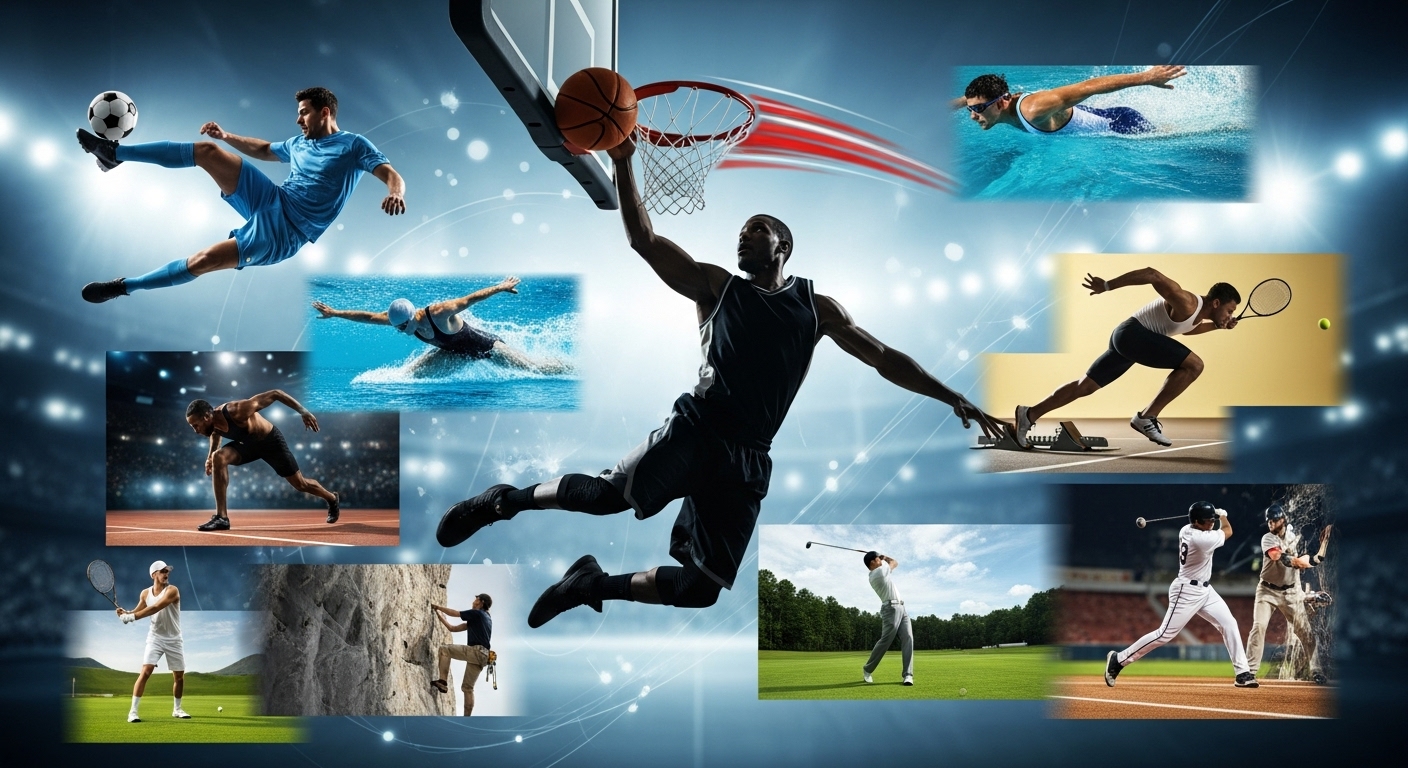
Sports are far more than just physical contests; they are a reflection of human determination, creativity, and culture. Across the world, sports bridge divides of language, geography, and social background. They provide a stage for both individual excellence and collective effort. Whether it is children playing in a neighborhood park, local teams competing for regional honors, or professional athletes performing on a global stage, sports influence lives in profound ways. They instill discipline, encourage healthy living, foster teamwork, and inspire people to push beyond their limits. This blog explores the multifaceted world of sports, highlighting its physical, psychological, cultural, and societal impact.
A Glimpse into History: From Ancient Rituals to Modern Sports
The origins of sports date back thousands of years. Ancient civilizations, such as Greece, China, and Egypt, practiced physical contests as part of cultural and religious traditions. The Olympic Games, originating in Greece, celebrated not only athletic prowess but also human potential. Over time, sports evolved into organized competitions with established rules, teams, and leagues. Modern sports, whether football, basketball, cricket, or athletics, are a product of centuries of refinement. They are now deeply embedded in social structures, entertainment industries, and educational systems worldwide.
The Psychology Behind Sports: Why We Are Drawn to Competition
One of the most fascinating aspects of sports is their psychological impact. Humans are naturally drawn to challenge, suspense, and achievement, which sports provide in abundance. Fans experience a range of emotions, from the exhilaration of victory to the disappointment of defeat. Sports create a sense of belonging, as supporters identify with teams or athletes and share a collective journey. This emotional engagement is more than entertainment—it reinforces social bonds, inspires personal growth, and motivates individuals to pursue excellence in their own lives.
Physical Benefits of Sports: Building Strong Bodies
Participation in sports is one of the most effective ways to maintain physical health. Regular activity enhances cardiovascular fitness, strengthens muscles, improves flexibility, and promotes better coordination. Each sport targets specific skills: swimming improves endurance, gymnastics increases balance and agility, while weightlifting builds strength and resilience. Beyond athletic performance, sports reduce the risk of chronic diseases such as obesity, diabetes, and heart conditions. Engaging in physical activity also encourages lifelong healthy habits that extend far beyond the playing field.
Mental Health Benefits: Strengthening the Mind
Sports are equally important for mental and emotional well-being. Exercise triggers the release of endorphins, which reduce stress and elevate mood. Participation in sports also develops discipline, patience, and perseverance. Athletes learn to set goals, manage pressure, and overcome setbacks, building resilience that extends to everyday challenges. For many people, sports serve as a form of therapy—a structured, rewarding outlet for tension and anxiety. Whether training alone or competing with others, sports provide a powerful way to maintain balance and mental clarity.
Teamwork and Collaboration: Lessons from the Field
One of the most important life skills sports teach is teamwork. In team sports like football, volleyball, or basketball, success depends on communication, trust, and mutual support. Players learn to understand each other’s strengths and weaknesses, strategize collectively, and work toward a common goal. This understanding of cooperation and accountability translates to professional and personal environments, fostering collaboration, empathy, and conflict-resolution skills. Individual talent alone cannot replace the synergy of a well-coordinated team, making teamwork a cornerstone of both sports and life.
Leadership Development Through Sports
Sports also cultivate leadership abilities. Captains and senior players often take on roles that require decision-making, motivation, and guidance. Leading a team involves inspiring confidence, managing conflict, and maintaining focus under pressure. These qualities carry over into business, education, and community settings. Many successful leaders attribute their strategic thinking, resilience, and ability to motivate others to experiences gained through sports. The lessons of leadership learned on the field are often as impactful as any formal education.
Cultural Significance of Sports
Sports are deeply intertwined with culture. In many nations, certain sports are part of national identity and pride. Local traditions and historical context shape the way sports are played and celebrated. Sporting events often bring communities together, fostering social cohesion and collective celebration. International competitions, such as world championships, transcend borders and encourage cultural exchange, understanding, and mutual respect. Through sports, people express shared values and build a sense of belonging, reinforcing the cultural fabric of societies.
Women in Sports: Breaking Barriers and Inspiring Generations
Historically, women faced barriers in sports participation, but this is rapidly changing. Female athletes now compete at the highest levels, demonstrating skill, determination, and resilience. Their achievements challenge stereotypes and empower younger generations to pursue sports without limitation. Programs promoting women’s participation in athletics have expanded globally, highlighting the importance of inclusivity and equality. The success of female athletes not only inspires but also reshapes societal perceptions about capability, ambition, and opportunity.
Technology and Modern Sports
Technology has transformed sports in multiple ways. Advanced equipment and training methods help athletes maximize performance. Wearable devices track movement, heart rate, and other metrics to optimize training. Video-assisted decision-making ensures fairness and accuracy in competitions. Technology also enhances fan experience, providing real-time statistics, virtual access to games, and interactive engagement. From training to entertainment, technology is redefining the landscape of sports, making it more precise, dynamic, and inclusive.
Youth Sports: Developing Skills and Character
Introducing children to sports from a young age provides numerous benefits. Participation encourages physical fitness, improves coordination, and instills values like discipline, responsibility, and sportsmanship. Team sports teach communication and social skills, while individual sports foster independence and self-motivation. Encouraging enjoyment rather than solely focusing on competition is crucial to sustaining interest. Youth sports provide the foundation for a lifetime of healthy habits, confidence, and personal growth.
Sports as a Tool for Social Change
Athletes and sporting organizations increasingly use their platforms to advocate for social causes. Many work to address issues such as inequality, education, poverty, and health. Sports programs in underprivileged communities offer opportunities for training, mentorship, and personal development. Participation in sports can break cycles of disadvantage, instilling discipline, ambition, and hope. The social impact of sports extends far beyond the field, demonstrating their potential to create meaningful, positive change in society.
Major Sporting Events: Celebrating Excellence
Global sports tournaments capture the imagination of millions. Events like world championships, continental games, and national leagues celebrate talent, hard work, and achievement. They provide moments of joy, unity, and inspiration, drawing fans together regardless of their backgrounds. Hosting major sporting events also encourages local development, from infrastructure to tourism. These competitions highlight not only athletic excellence but also human potential, perseverance, and the joy of shared experiences.
The Future of Sports
The future of sports promises exciting developments. Esports and virtual competitions are gaining legitimacy, offering alternative forms of athletic engagement. Sports science continues to push the boundaries of performance, health, and safety. Inclusivity is a key focus, with adaptive sports for athletes with disabilities expanding opportunities for participation. Environmental sustainability is also becoming a priority, influencing how stadiums are designed and how events are organized. The evolution of sports will continue to balance tradition with innovation, ensuring accessibility, engagement, and excellence for generations to come.
Conclusion: The Lasting Impact of Sports
Sports are far more than entertainment—they shape individuals, communities, and societies. They foster physical and mental health, teach invaluable life skills, inspire leadership, and unite people across cultures. From casual participants to professional athletes, the lessons learned through sports resonate throughout life. They promote equality, perseverance, and collective achievement while inspiring hope and ambition. Sports are not just games; they are a way of life that continues to influence humanity, fostering growth, connection, and the pursuit of excellence.