
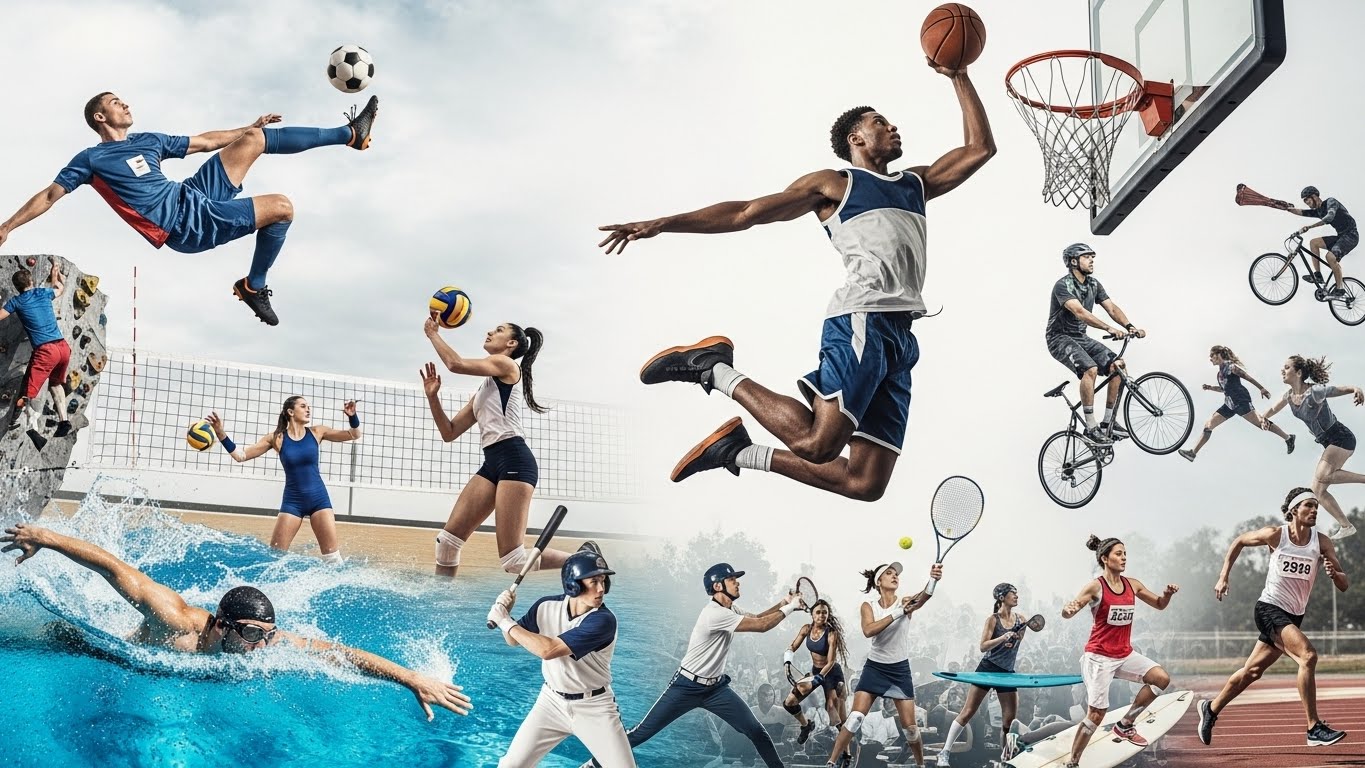
Sports have always been an essential part of human culture, representing more than just physical activity or entertainment. They reflect our values, our desire to compete, and our ability to unite, regardless of background or nationality. From the ancient Olympic Games to modern-day global sporting events, sports have continuously evolved to reflect and shape societies. In this blog post, we will explore the role of sports in our lives, their societal impact, and the growing intersection between technology, culture, and performance. We will also look at the future of sports and how emerging trends are transforming the way we engage with athletics and competition.
The Power of Sports: Beyond the Game
At their core, sports are a form of human expression. They allow athletes to push their physical, mental, and emotional boundaries while offering spectators a chance to witness human achievement at its highest level. But beyond this basic definition, sports offer numerous other benefits that resonate deeply within society.
The Unifying Force of Sports
One of the most powerful aspects of sports is their ability to unite people across different walks of life. Regardless of race, gender, or social background, sports can bring people together, creating a sense of shared experience and identity. When a nation’s team competes on the global stage—whether it’s the Olympics, the FIFA World Cup, or the Super Bowl—the entire country often rallies behind them. This collective sense of unity can foster a strong sense of national pride and solidarity, helping to bridge cultural and ideological divides.
Moreover, sports have a way of transcending language and geographical barriers. A person from Brazil and someone from Japan may not speak the same language or have the same cultural background, but when they come together to watch a football match or cheer for a favorite athlete, they experience a shared emotion. This universal nature of sports is one of its most profound qualities, making it a powerful tool for diplomacy and peace-building efforts.
Personal Growth and Development Through Sports
For athletes, sports provide much more than just a platform for competition. They offer an avenue for personal growth, teaching individuals valuable life lessons that extend far beyond the field of play. The discipline required to train and compete at a high level, the resilience to overcome setbacks, and the ability to work as part of a team are just a few of the important qualities athletes develop. These life skills can be transferred to other areas of life, helping individuals grow personally and professionally.
For young people, sports can be a crucial component of development. Participation in sports teaches teamwork, leadership, and perseverance. Children who engage in sports tend to develop stronger social skills, better academic performance, and improved self-esteem. These benefits can last a lifetime, making sports an essential part of childhood development.
The Evolution of Modern Sports
Sports have come a long way since their origins in ancient civilizations. The early forms of organized sport, such as the Olympic Games in ancient Greece, were relatively simple and focused on individual feats of strength and skill. Over time, sports became more complex, with team-based competition, specialized training, and formalized rules emerging as central components.
The Birth of Modern Sports
The 19th and early 20th centuries saw the rise of many of the sports we recognize today. Games like football (soccer), basketball, tennis, and baseball became more formalized, with leagues, teams, and international competitions. The Industrial Revolution and advances in transportation and communication played a key role in this evolution, making it easier for teams and players to compete across longer distances and for sports to gain mass popularity.
The creation of professional sports leagues in countries like the United States, England, and France helped solidify sports as a commercial enterprise. In the U.S., leagues such as the National Football League (NFL) and Major League Baseball (MLB) became dominant forces in American culture, while in Europe, football clubs and national teams became an integral part of national identity.
The Globalization of Sports
In the latter half of the 20th century, sports began to take on an increasingly global nature. International competitions like the Summer and Winter Olympics, the FIFA World Cup, and the Tour de France brought together athletes from all over the world. These events became some of the most-watched television spectacles globally, as people from different cultures came together to cheer for their favorite athletes.
The rise of satellite television and digital media further amplified this globalization, making it possible for fans to watch sports events from anywhere in the world. The accessibility of sports content has increased engagement and participation at every level, from grassroots competitions to professional leagues. Today, sports are more than just local or national events; they are global celebrations of athleticism, skill, and unity.
The Business of Sports: More Than Just a Game
Sports have always had an economic dimension, but in recent decades, they have become a multi-billion-dollar industry that spans sponsorships, broadcasting, merchandising, and ticket sales. The commercialization of sports has transformed the way athletes, teams, and organizations operate.
The Role of Sponsorships and Media
One of the driving forces behind the business of sports is sponsorship. Major corporations sponsor teams, leagues, and individual athletes to gain visibility and align their brands with the values of success, teamwork, and determination. The partnerships between sports and brands are incredibly lucrative, with companies paying millions of dollars for naming rights, advertising space, and product placement.
Television and streaming platforms also play a significant role in the financial success of sports. The broadcasting rights for major sporting events, such as the NFL Super Bowl or the UEFA Champions League, are worth billions of dollars. These broadcasting deals have made sports accessible to fans around the world while creating a steady revenue stream for teams and organizations. In turn, this money is reinvested into improving facilities, training programs, and the overall fan experience.
The Rise of Esports and Digital Sports
In recent years, esports (competitive video gaming) has emerged as a major player in the sports industry. With millions of viewers worldwide, esports tournaments are now broadcast on major streaming platforms and even television networks. The esports industry is projected to continue its rapid growth, attracting both sponsors and fans who are eager to engage with competitive gaming.
Digital sports, such as fantasy leagues and esports, are reshaping how we experience and interact with competition. Through technology, fans can now become participants in a virtual sense, managing their fantasy football teams or competing in online tournaments. These innovations are democratizing access to the world of sports and making it more interactive than ever before.
Technology’s Impact on Sports Performance
The integration of technology into sports has opened up new possibilities for both athletes and teams. From advanced analytics to wearable devices, technology is revolutionizing how athletes train, compete, and recover.
Wearable Technology and Performance Tracking
Wearable technology, such as fitness trackers, heart rate monitors, and GPS devices, has given athletes a new way to monitor their performance and optimize their training. These devices provide real-time data on everything from an athlete’s heart rate to their running speed, allowing coaches and trainers to adjust their training regimens accordingly.
In addition to wearable devices, advancements in biomechanics and motion tracking systems have enabled athletes to fine-tune their techniques. High-speed cameras and sensors can capture every movement, providing detailed feedback on an athlete’s form and mechanics. This data can help athletes avoid injuries, increase efficiency, and enhance their overall performance.
Artificial Intelligence and Data Analytics
Artificial intelligence (AI) and data analytics have become central to many sports teams’ strategies. Teams in major leagues like the NBA, MLB, and Premier League use sophisticated algorithms to analyze player performance, identify patterns, and make informed decisions about player recruitment, game strategies, and injury prevention.
Coaches and analysts now have access to an enormous wealth of data, which helps them make more precise, evidence-based decisions. AI is also being used to predict the outcome of matches, develop new training methods, and even create virtual simulations of games to test strategies. These advancements are making sports more data-driven and strategic, adding new layers of complexity to the games we love.
The Future of Sports: Trends and Innovations
The world of sports is constantly evolving, and the future holds exciting possibilities. As technology continues to advance, sports will become more immersive, accessible, and interactive. Here are a few key trends to watch for in the coming years.
Virtual and Augmented Reality in Sports
Virtual and augmented reality (VR and AR) are poised to transform how we experience sports. VR can create fully immersive experiences where fans can feel as though they are sitting courtside or on the field during a game, even if they are miles away. AR, on the other hand, can enhance live broadcasts by providing real-time statistics, player info, and other interactive elements during games.
Increased Inclusivity and Equality
Sports are gradually becoming more inclusive, with increased opportunities for women, athletes with disabilities, and other underrepresented groups to compete at the highest levels. The push for gender equality and greater diversity in sports will continue to grow, breaking down barriers and creating a more inclusive sporting world.
The Intersection of Sports and Wellness
As awareness of mental health and overall wellness continues to rise, there is a growing focus on the holistic well-being of athletes. Teams and organizations are recognizing the importance of mental health support, mindfulness, and recovery as essential components of athletic performance. The future of sports will likely involve a more integrated approach to health, where physical and mental wellness go hand in hand.
Conclusion: A Universal Language
Sports are a universal language that transcends borders, brings people together, and celebrates the best of human potential. Whether as a participant or a spectator, sports offer us the opportunity to experience joy, sorrow, triumph, and defeat—emotions that make us human. As sports continue to evolve and adapt to technological advancements and cultural shifts, their significance in our lives will only grow. The future of sports promises exciting innovations and a continued celebration of athleticism, unity, and the human spirit.