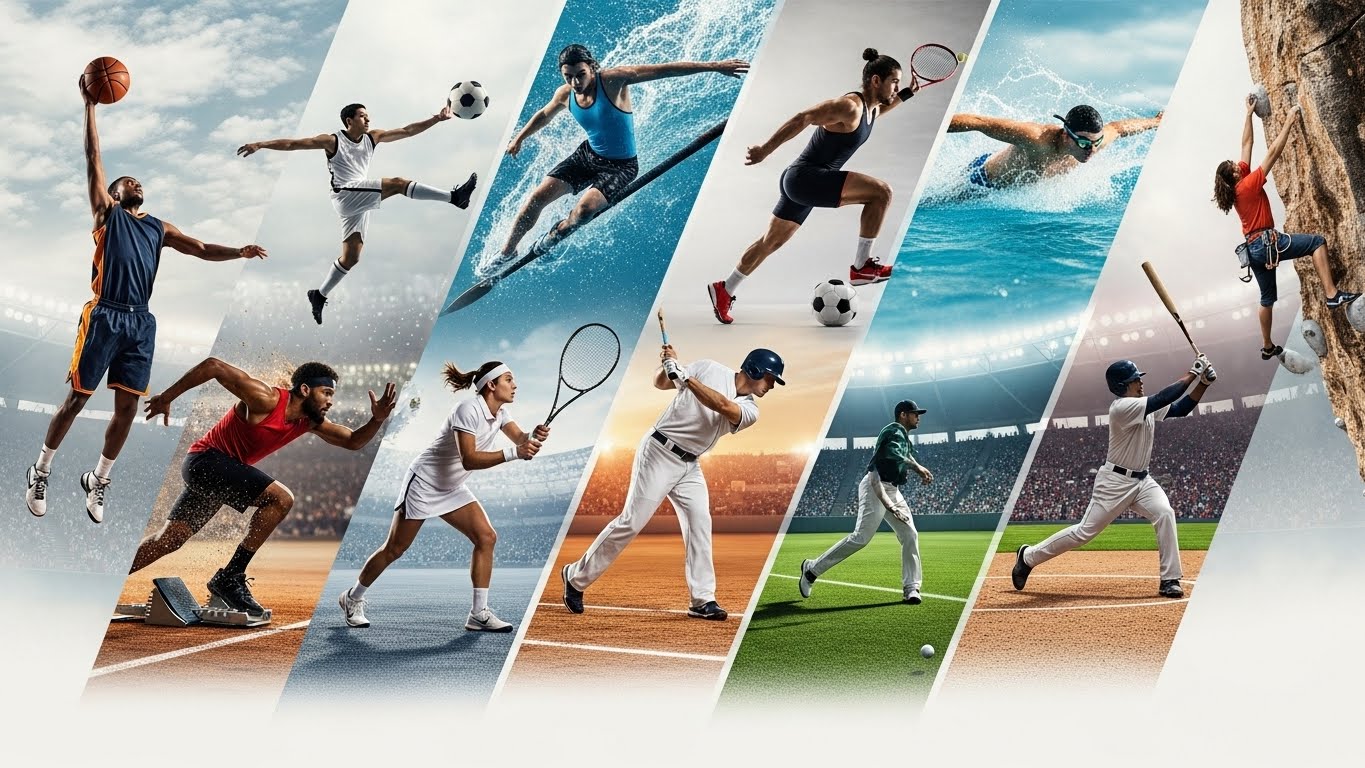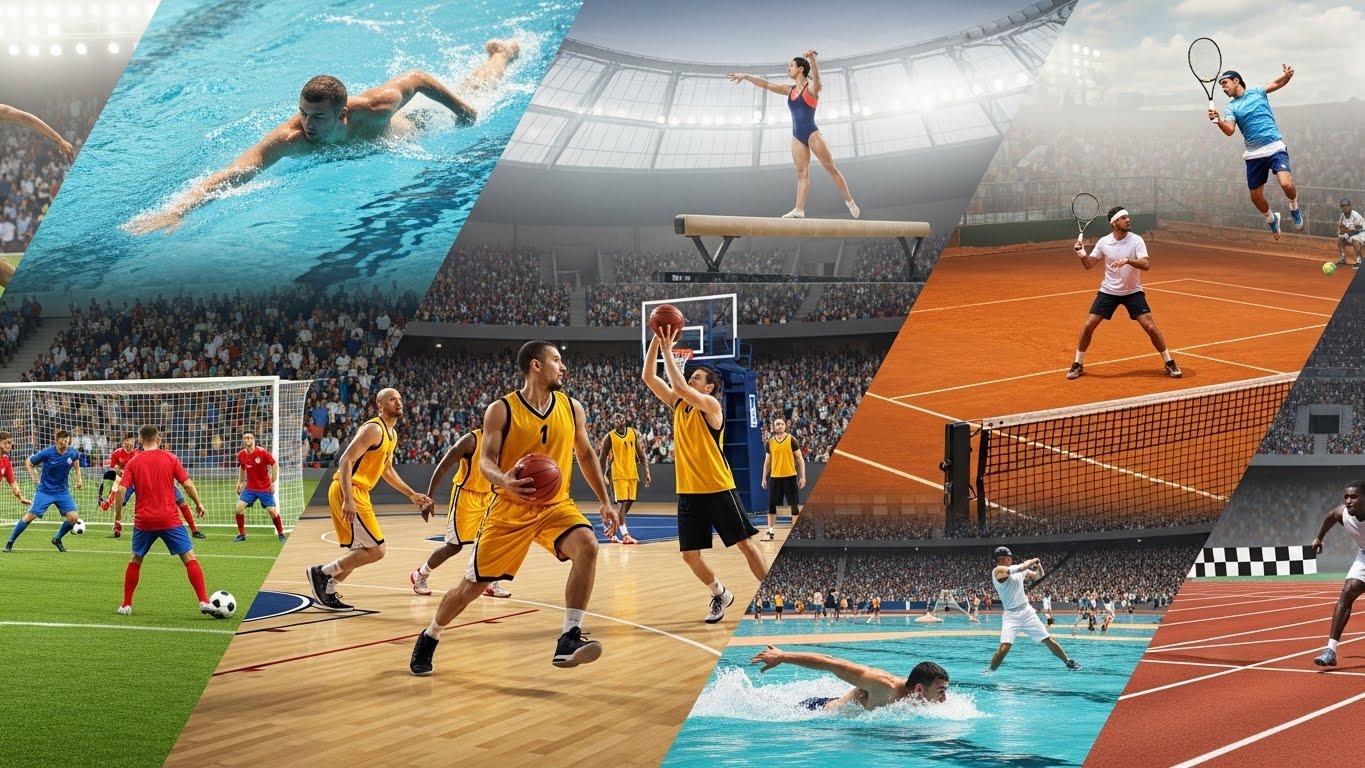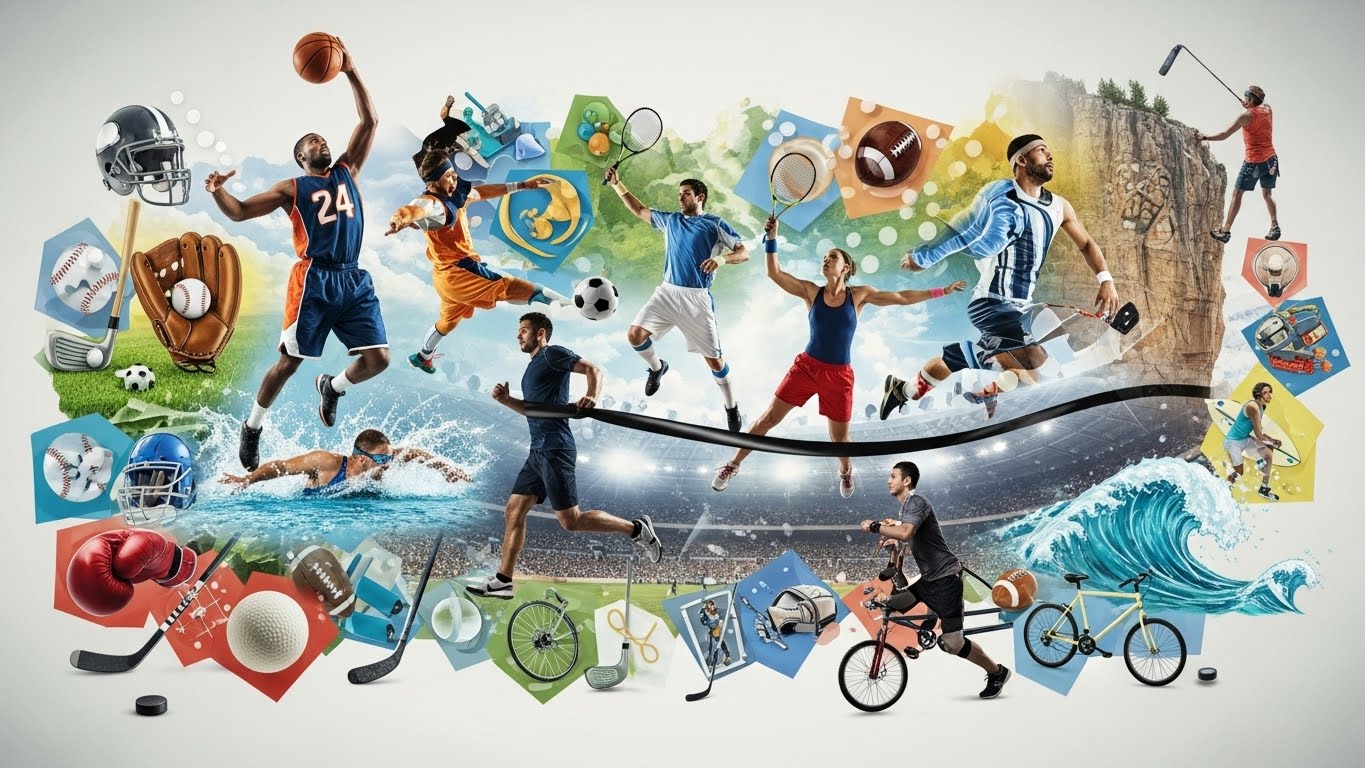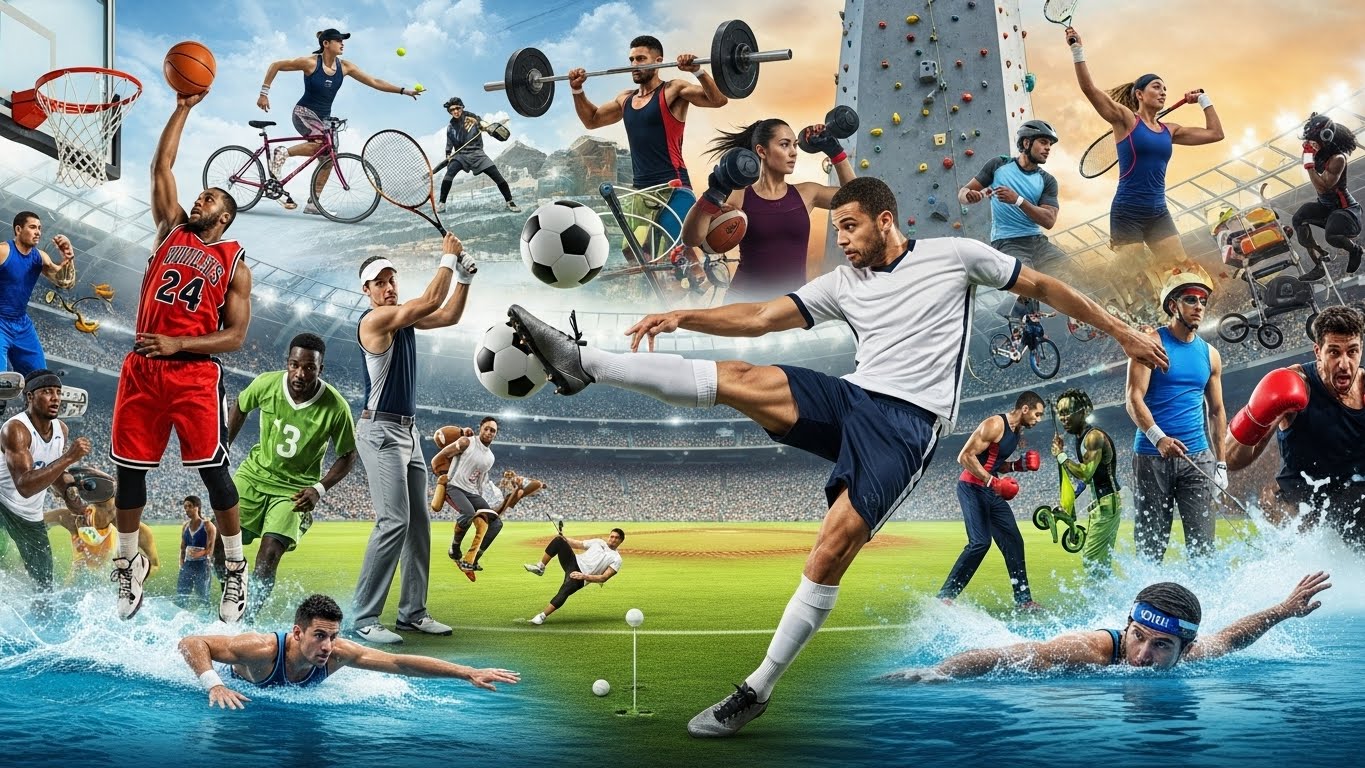


Sports have been an integral part of human culture for centuries, shaping societies, fostering community, and inspiring individuals. They go beyond physical activity, encompassing values of discipline, teamwork, strategy, and perseverance. From local playgrounds to international stadiums, sports influence social, cultural, and economic spheres, making them a powerful force in modern life. This blog explores the history, impact, benefits, challenges, and future of sports, highlighting why they remain central to human development and entertainment.
A Historical Perspective on Sports
Sports have existed in some form since ancient civilizations. The earliest records of organized physical competitions date back to ancient Egypt and Mesopotamia, where athletic contests were held as part of religious and cultural rituals. The ancient Greeks popularized competitive sports through the Olympic Games, celebrating physical excellence, discipline, and honor. Events like running, wrestling, and chariot racing became symbols of human strength and endurance.
In the Roman Empire, gladiatorial contests, chariot races, and team sports provided entertainment and demonstrated societal hierarchy. During the Middle Ages, jousting, archery, and hunting were popular among nobility, while community games fostered social cohesion among common people.
The modern era brought organized leagues, codified rules, and international competitions. Football, cricket, basketball, and tennis evolved into global phenomena, supported by media coverage, stadium infrastructure, and professional athletes. Sports became not only a pastime but a profession, offering opportunities for talent, fame, and cultural impact.
The Social Impact of Sports
Sports play a crucial role in fostering social cohesion and community identity. Local teams, leagues, and clubs provide opportunities for people to engage, collaborate, and celebrate shared interests. Fans rally around teams and athletes, creating a sense of belonging and pride. Major sporting events like the Olympics or the FIFA World Cup unite nations and transcend cultural, linguistic, and political barriers.
Participation in sports promotes teamwork, communication, and leadership skills. Athletes learn to collaborate, strategize, and respect diverse perspectives, lessons that translate into everyday life. Community-based sports programs also encourage youth engagement, mentorship, and positive social behavior, reducing crime and promoting healthy lifestyles.
Physical and Mental Health Benefits of Sports
Sports offer significant physical benefits. Regular participation improves cardiovascular health, strengthens muscles and bones, enhances flexibility, and boosts overall fitness. Engaging in physical activity reduces the risk of chronic diseases such as obesity, diabetes, and hypertension, contributing to longevity and well-being.
Beyond physical health, sports positively influence mental health. Exercise triggers the release of endorphins, reducing stress, anxiety, and depression. Participation fosters discipline, goal-setting, and resilience, teaching individuals to cope with challenges and setbacks. Team sports enhance social interaction, reducing feelings of isolation and fostering emotional intelligence. In many ways, sports serve as both a preventive and therapeutic tool for holistic health.
The Economic Influence of Sports
Sports are a major economic driver worldwide. Professional leagues, tournaments, and events generate billions in revenue through ticket sales, broadcasting rights, merchandise, and sponsorships. Iconic athletes often become global brands, attracting endorsements and commercial partnerships that contribute significantly to national and international economies.
Local economies benefit from sporting events through tourism, hospitality, and retail. Hosting large-scale competitions stimulates infrastructure development, including stadiums, transportation networks, and urban planning. Sports-related industries, such as equipment manufacturing, training facilities, and fitness technology, also contribute to employment and economic growth.
Sports as a Cultural Phenomenon
Sports are deeply intertwined with culture and identity. They reflect societal values, celebrate heritage, and inspire collective experiences. Traditional sports like sumo wrestling in Japan, capoeira in Brazil, or hurling in Ireland highlight regional customs and historical significance. International sports, such as football or athletics, foster cultural exchange, collaboration, and global understanding.
Media and entertainment amplify sports’ cultural impact. Iconic moments, legendary athletes, and historic victories shape narratives that resonate across generations. Sports inspire art, literature, fashion, and film, demonstrating their influence beyond the field and into everyday cultural life.
Technology and Innovation in Sports
Technological innovation has transformed sports in recent decades. Wearable devices, smart equipment, and performance analytics help athletes optimize training, monitor health, and enhance performance. Video-assisted refereeing, goal-line technology, and instant replays ensure fairness and accuracy in competition.
Digital platforms allow fans to engage with sports through live streaming, virtual experiences, and interactive content. Sports video games and e-sports have emerged as complementary industries, attracting younger audiences and expanding the definition of competitive sports.
Women in Sports: Breaking Barriers
Historically, sports were dominated by men, with women facing limited opportunities and societal barriers. However, the landscape has shifted dramatically. Female athletes now compete at the highest levels, from the Olympics to professional leagues, inspiring generations and challenging gender norms.
Women’s sports leagues, increased media coverage, and advocacy for equality have elevated visibility and recognition. Female athletes not only achieve excellence on the field but also influence social change, promoting empowerment, inclusivity, and diversity in sports and beyond.
The Role of Youth and Grassroots Sports
Grassroots sports are the foundation of athletic development and social engagement. Youth participation fosters physical fitness, teamwork, discipline, and personal growth. Schools, clubs, and community programs provide access to structured sports activities, nurturing talent and instilling lifelong values.
Grassroots initiatives also promote inclusivity, enabling children from diverse backgrounds to participate. Exposure to organized sports at a young age encourages healthy habits, leadership skills, and social responsibility, shaping well-rounded individuals and future professional athletes.
Challenges in the World of Sports
Despite its positive impact, sports face several challenges. Corruption, match-fixing, and doping undermine integrity and public trust. Commercialization and excessive focus on profit can overshadow fair competition and athlete welfare.
Injuries, mental health pressures, and burnout are significant concerns for professional athletes. Maintaining a balance between performance, health, and personal life is essential to ensure longevity in sports careers. Additionally, ensuring accessibility, equality, and inclusivity remains an ongoing challenge, particularly in marginalized communities or regions with limited resources.
The Future of Sports
The future of sports is dynamic and evolving. Technological advancements, including virtual reality, augmented reality, and artificial intelligence, will enhance training, fan engagement, and event experiences. E-sports and digital competitions are expanding the definition of sports, attracting new audiences and merging entertainment with athletic competition.
Globalization will continue to shape sports, fostering cultural exchange, international tournaments, and cross-border leagues. Sustainability and environmental considerations will influence stadium design, event management, and industry practices, ensuring that sports thrive responsibly in a changing world.
Why Sports Matter
Sports matter because they are more than just games—they are a reflection of human potential, resilience, and creativity. They inspire individuals to strive for excellence, teach essential life skills, and create communities that celebrate achievement and camaraderie.
Whether through participation or spectatorship, sports encourage physical health, mental well-being, social connection, and cultural expression. They provide opportunities for entertainment, education, economic growth, and personal development, making them a cornerstone of modern life.
Conclusion: The Enduring Power of Sports
Sports have the power to unite, inspire, and transform. From ancient competitions to modern professional leagues, they have shaped civilizations, reflected cultural values, and influenced global society. They foster physical fitness, mental resilience, teamwork, and leadership, offering lessons that extend far beyond the playing field.
As technology, globalization, and social awareness continue to evolve, sports will adapt and grow, remaining a vital part of human life. They are not merely games or entertainment—they are a universal language, a source of inspiration, and a testament to the enduring human spirit.
In every match, every race, and every victory, sports remind us of what humans can achieve through dedication, collaboration, and passion. They will continue to shape individuals, communities, and the world, proving that the power of sports goes far beyond the game itself.