
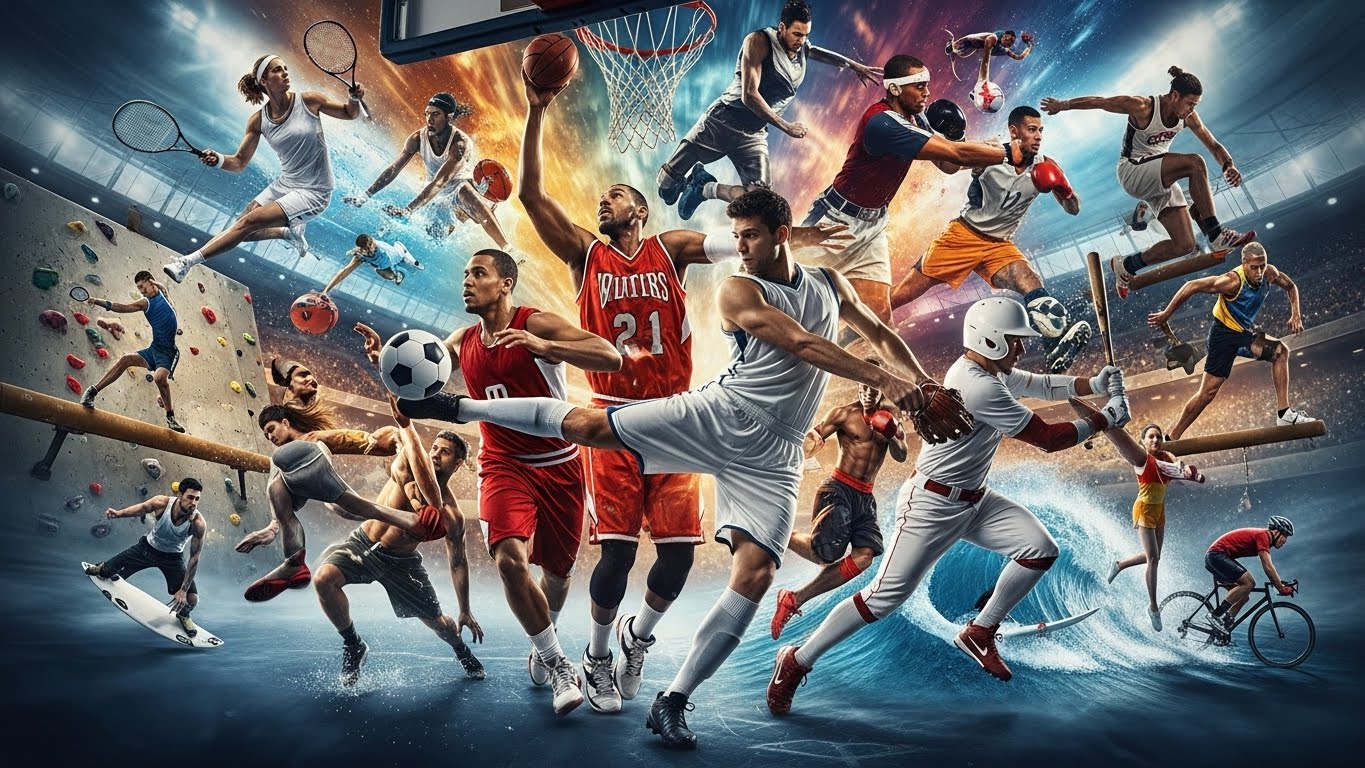
Introduction: The Universal Language of Sports
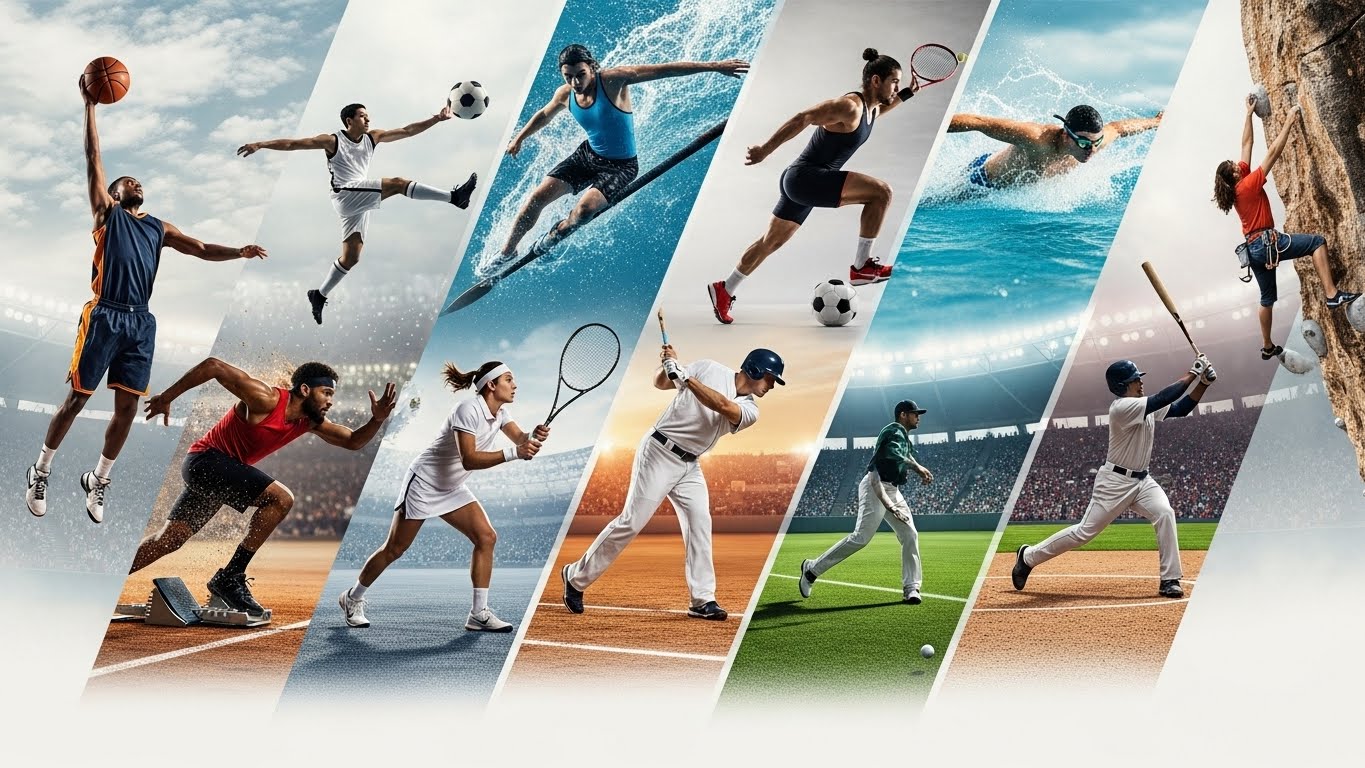
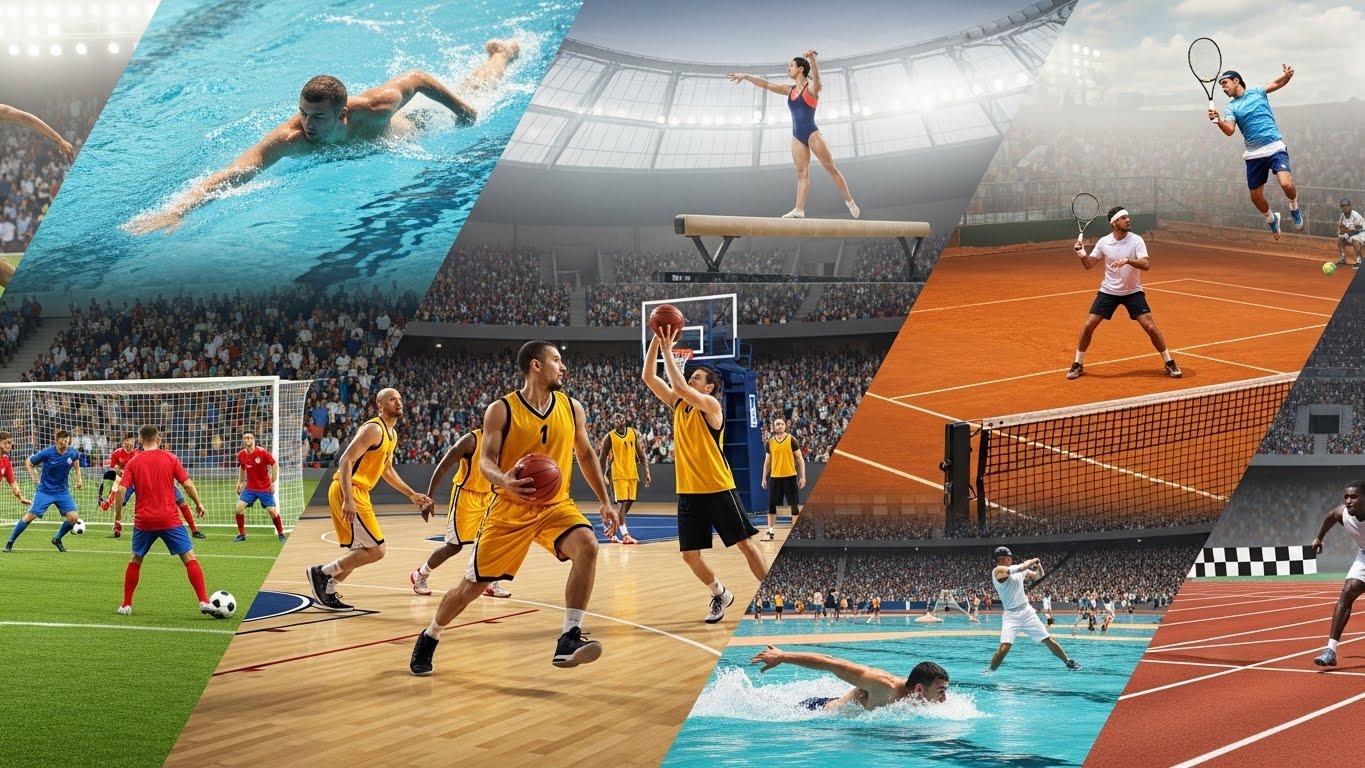
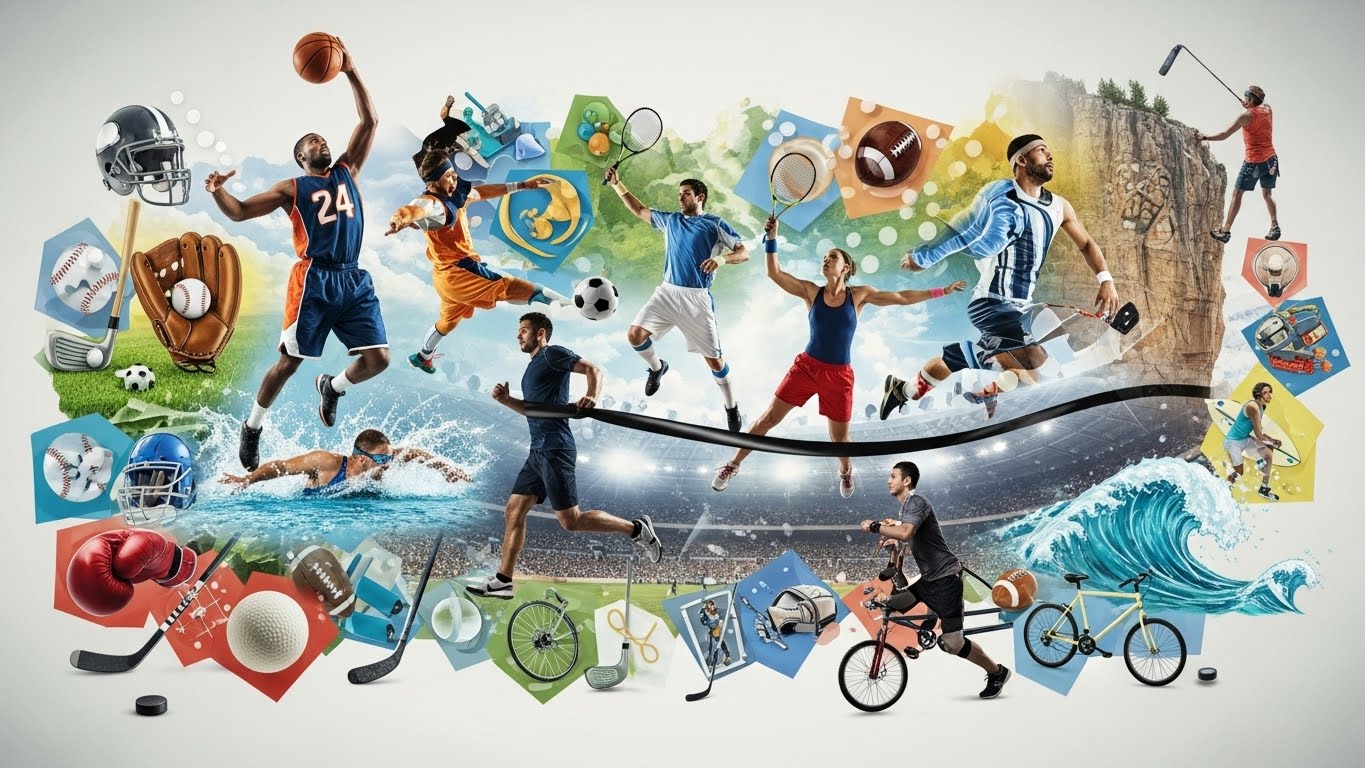
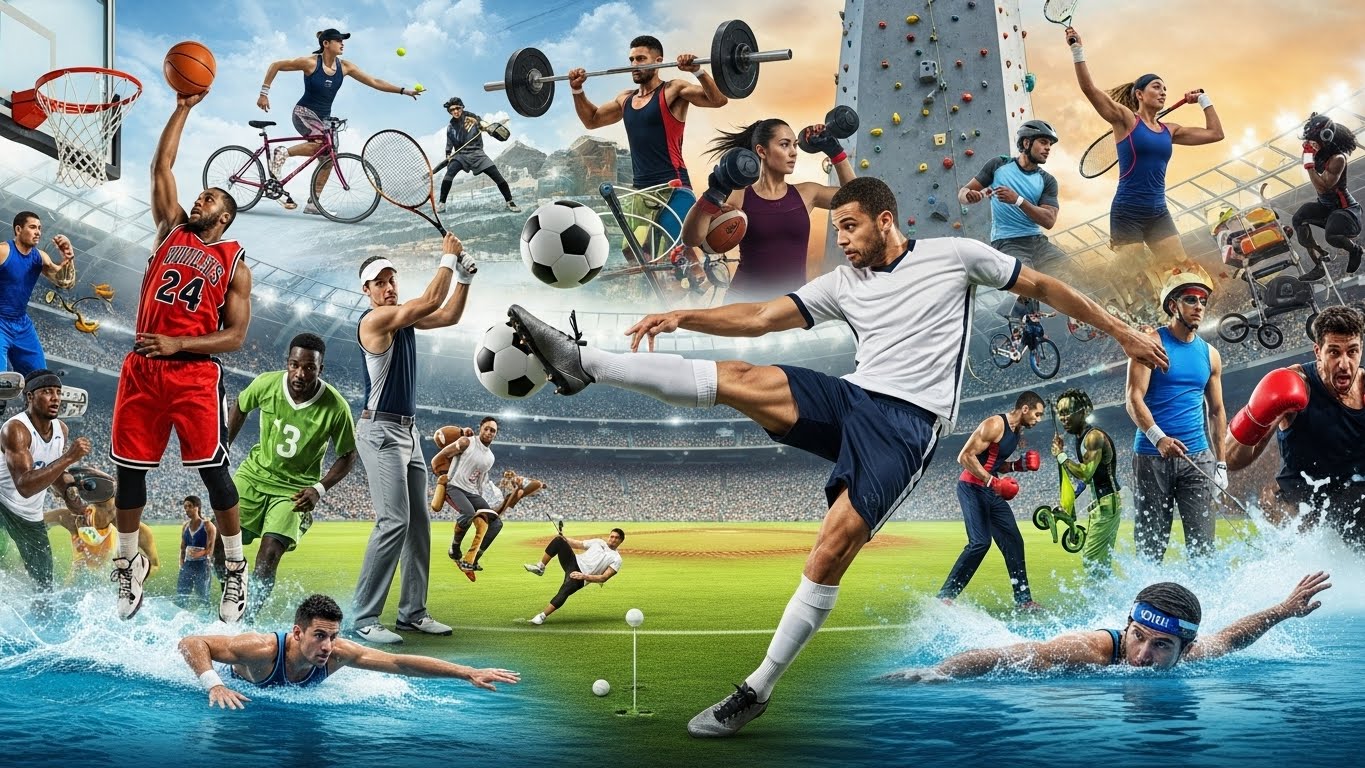
Sports have always been more than a mere competition. They are a universal language that transcends borders, cultures, and generations. Whether played in bustling cities, rural towns, or open fields, sports bring people together in a way few other activities can. From fostering personal growth to creating a sense of community, the impact of sports extends far beyond the final score. They challenge individuals physically and mentally, while teaching essential life lessons such as discipline, teamwork, and perseverance. For millions around the globe, sports are not just games—they are a way of life. This article explores the multifaceted role of sports in society, personal development, and culture, highlighting why they continue to be an essential part of human experience.
The Physical Benefits of Sports
One of the most obvious advantages of engaging in sports is the physical benefits they provide. Regular participation in physical activities helps improve cardiovascular health, build muscle strength, enhance flexibility, and maintain a healthy body weight. Sports like swimming, soccer, and basketball require a combination of endurance, agility, and strength, making them excellent workouts. Beyond physical fitness, sports also improve coordination and motor skills, which are particularly beneficial for children and adolescents. Regular activity can prevent chronic diseases, boost immunity, and improve overall longevity. While gyms and fitness classes have become popular, the natural engagement and enjoyment offered by sports make them a more sustainable and enjoyable path to physical wellness.
Mental Health and Sports
Sports are not just beneficial for the body—they are equally essential for the mind. Engaging in regular physical activity stimulates the production of endorphins, chemicals in the brain that act as natural mood elevators. Athletes often experience reduced stress, anxiety, and depression due to their involvement in physical activity. Team sports, in particular, help develop emotional intelligence, as players must communicate effectively, resolve conflicts, and empathize with teammates. Individual sports, like running or swimming, encourage self-reflection and provide mental clarity. The discipline and focus required in sports also enhance cognitive abilities, improving decision-making skills and concentration. For young people, sports can be a preventive tool against behavioral problems and a source of positive mental reinforcement.
Teamwork and Social Skills
Participation in sports cultivates critical social skills. Team sports such as football, cricket, or volleyball require individuals to work together towards a common goal, teaching the importance of cooperation and collaboration. Athletes learn to trust one another, respect diverse perspectives, and navigate interpersonal challenges. These lessons translate seamlessly into professional and personal life, where teamwork is often essential. Even individual sports offer social interaction opportunities, whether through competitions, training sessions, or sporting clubs. Sports foster a sense of belonging and community, creating bonds that often last a lifetime. This social cohesion can be particularly empowering for young people, helping them build confidence and establish meaningful relationships.
Discipline and Perseverance
Sports demand discipline and perseverance, qualities that are invaluable in every aspect of life. Success in sports rarely comes overnight. Athletes invest countless hours in practice, conditioning, and skill development. They learn to handle failure gracefully, analyze mistakes, and improve continuously. The journey of a sportsperson illustrates the value of consistent effort and resilience. Facing setbacks, injuries, or defeats teaches players to remain focused and committed to their goals. These experiences cultivate a growth mindset, encouraging individuals to view challenges as opportunities rather than obstacles. The lessons learned through sports often shape an individual’s character, instilling determination and grit that last far beyond the playing field.
The Role of Sports in Education
Sports play a significant role in educational settings. Schools and colleges often integrate physical activities into their curriculum, recognizing the link between physical health, mental well-being, and academic performance. Students who participate in sports tend to exhibit better time management, discipline, and problem-solving skills. Sports also teach valuable life lessons that formal education may not address, such as handling pressure, setting goals, and ethical conduct. For many students, athletic participation provides a sense of purpose and identity, boosting self-esteem and motivation. Furthermore, scholarships and sports programs offer opportunities for higher education that may otherwise be inaccessible, emphasizing the transformative potential of sports in shaping futures.
Sports as a Cultural Phenomenon
Beyond personal benefits, sports are deeply intertwined with culture. Major sporting events like the Olympics, World Cup, and Super Bowl capture global attention, uniting people across continents in celebration of athletic excellence. Sports often reflect societal values, national pride, and historical traditions. For instance, sumo wrestling in Japan, cricket in India, and soccer in Brazil hold cultural significance far beyond the game itself. Communities rally around teams, and traditions emerge that become part of collective identity. Sports also provide a platform for social change, raising awareness about issues such as gender equality, racial inclusion, and environmental sustainability. They have the power to inspire, challenge norms, and create a sense of shared humanity.
The Business of Sports
Sports have evolved into a multi-billion-dollar industry, influencing economies and careers worldwide. Professional athletes, coaches, and trainers are part of an intricate ecosystem that includes sponsorships, media rights, merchandise, and tourism. Sports events create jobs, drive tourism, and generate revenue for local economies. Beyond financial impact, sports businesses foster innovation in areas like performance technology, wearable fitness devices, and broadcasting. While commercialization has raised concerns about prioritizing profits over passion, it has also expanded access, visibility, and opportunities for athletes and fans alike. The business of sports demonstrates how passion can be transformed into sustainable economic ventures while still celebrating human achievement.
Technology and Innovation in Sports
Advancements in technology have revolutionized sports. From video-assisted refereeing to wearable fitness trackers, technology has enhanced both performance and fan experience. Athletes now rely on data analytics to optimize training, prevent injuries, and improve strategy. Virtual and augmented reality technologies have transformed training environments, enabling simulation of real-game scenarios. Fans can engage with sports in immersive ways through digital platforms, e-sports, and online streaming. Technology not only improves efficiency and safety but also broadens access to sports, allowing people from remote locations to participate, learn, and enjoy games they might not have experienced otherwise. The synergy between sports and technology continues to push boundaries, creating new possibilities for both players and audiences.
Women in Sports: Breaking Barriers
The rise of women in sports has been a significant cultural shift, challenging long-standing stereotypes and promoting equality. Female athletes have excelled in every discipline, inspiring millions and proving that talent and dedication are not gender-specific. The visibility of women in sports encourages young girls to pursue athletics, fostering confidence, ambition, and leadership. Despite progress, challenges remain, including pay disparities, lack of media coverage, and unequal resources. Advocacy, policy changes, and societal support continue to play a crucial role in ensuring that women have equal opportunities to thrive in sports. Celebrating female athletes and their achievements highlights the transformative power of sports in promoting inclusivity and breaking societal barriers.
The Future of Sports
The future of sports promises a blend of tradition and innovation. Emerging trends include sustainable sports practices, integration of artificial intelligence in training and strategy, and growing global interest in non-traditional sports. Urbanization, technology, and lifestyle changes will shape how people engage with sports, both as participants and spectators. Youth engagement programs, international collaborations, and inclusive initiatives are likely to expand the reach and impact of sports globally. While the formats and platforms may evolve, the essence of sports—the joy of competition, the thrill of victory, and the lessons learned from challenge—will remain constant. Sports will continue to inspire, unite, and transform lives across generations.
Conclusion: More Than Just a Game
Sports are far more than games played on fields or courts. They are catalysts for personal growth, social cohesion, cultural expression, and economic development. They teach discipline, teamwork, resilience, and empathy, equipping individuals with tools for life beyond competition. Sports inspire communities, celebrate human potential, and bridge divides, proving that shared experiences can create lasting impact. As society progresses, the role of sports in shaping healthier, more connected, and more inclusive communities will only become more significant. Whether you are an athlete, a fan, or someone discovering sports for the first time, engaging with sports offers lessons and experiences that resonate throughout a lifetime. Sports remind us that the journey, the struggle, and the pursuit of excellence often matter as much as the outcome, making them a timeless and indispensable part of human civilization.