

Introduction: Sports as a Way of Life
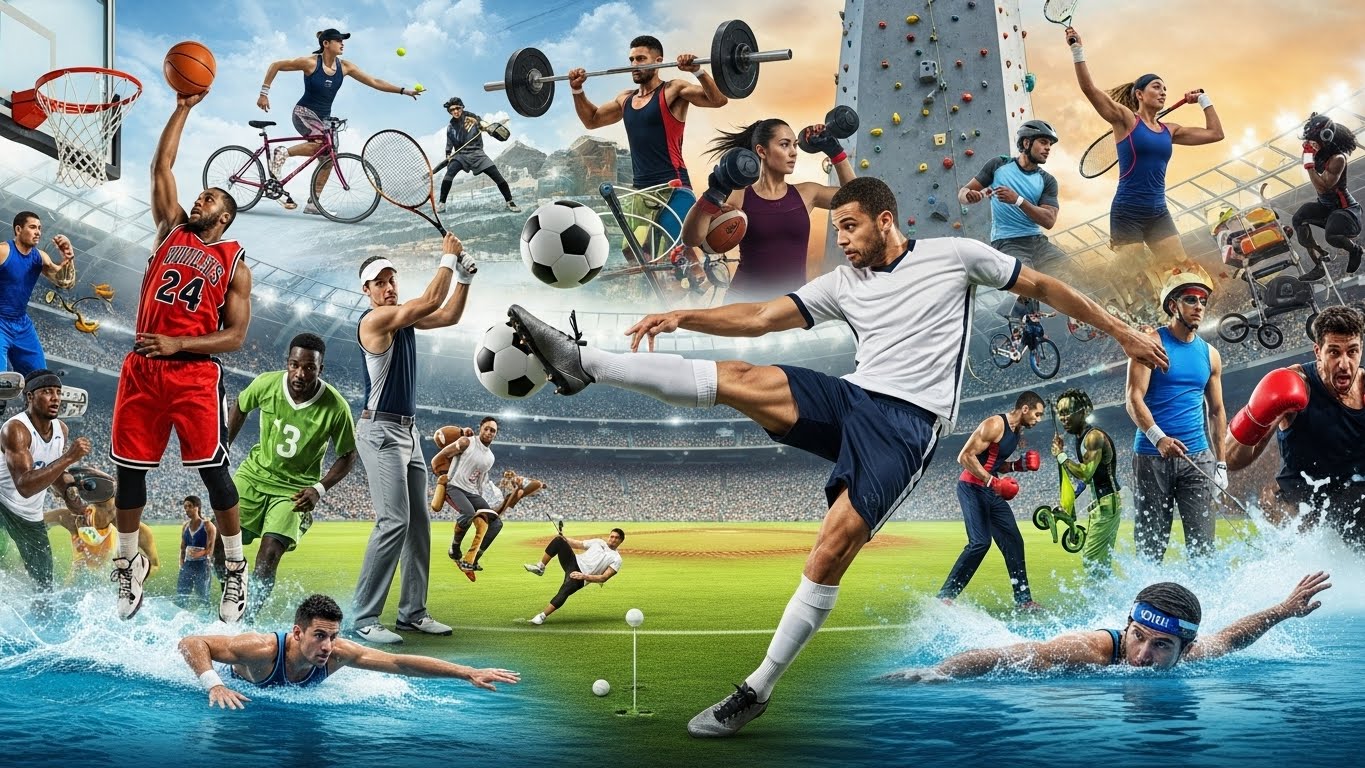
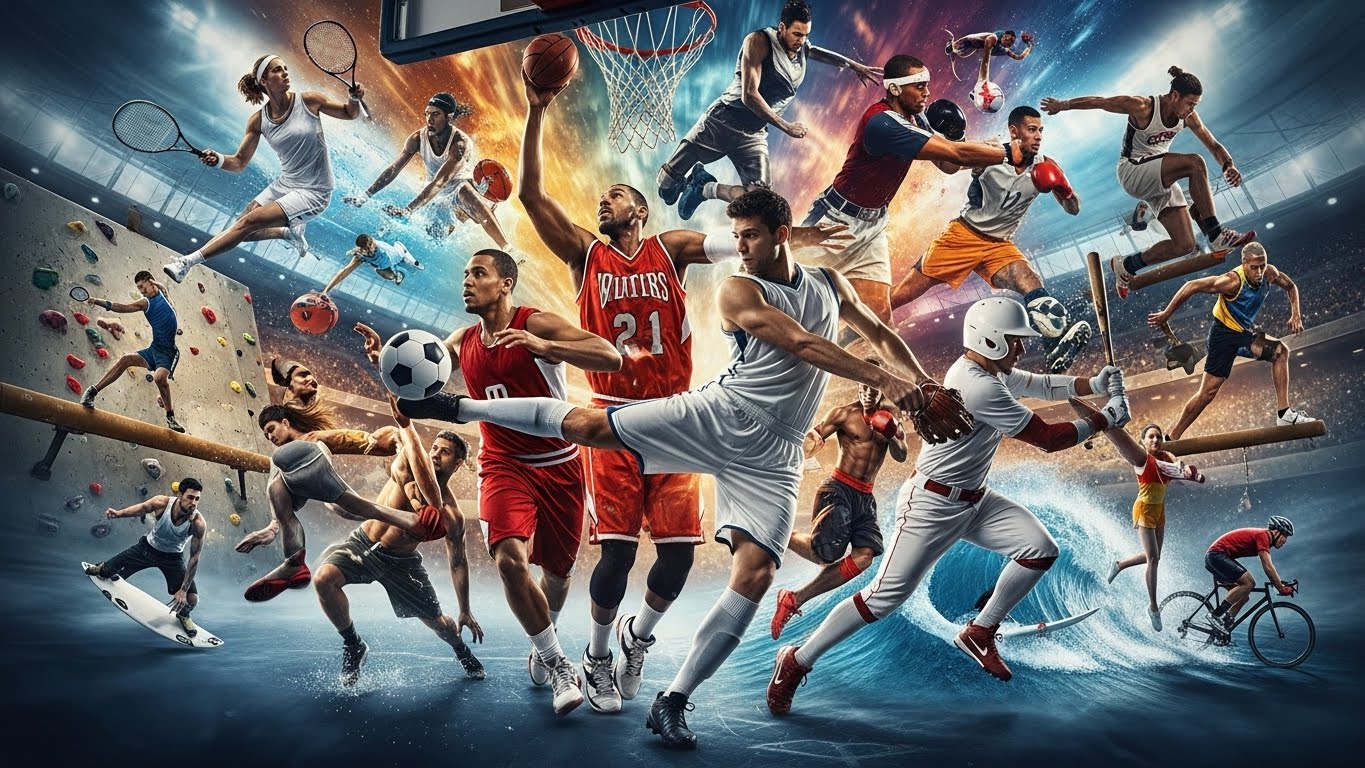
Sports have been an essential part of human civilization for centuries. From ancient competitions to modern-day tournaments, they are not merely games but reflections of discipline, strategy, and human spirit. Sports entertain, inspire, and challenge us, teaching lessons that go far beyond the confines of the playing field. They foster growth, resilience, and camaraderie, shaping individuals and communities alike.
Sports are not only about winning or losing; they are about pushing boundaries, testing limits, and embracing challenges. They cultivate patience, mental strength, and perseverance while providing an outlet for creativity and expression. Whether it is a child learning to kick a ball, a professional athlete chasing a world record, or a community gathering to support local teams, sports touch every aspect of our lives.
Physical Benefits: Building Strength and Endurance
One of the most evident advantages of sports is physical development. Regular participation in sports strengthens the body, improves cardiovascular health, and enhances flexibility. Activities such as running, swimming, football, and basketball build endurance, improve coordination, and maintain healthy body weight. Engaging in sports regularly also reduces the risk of chronic illnesses like diabetes, obesity, and heart disease.
Sports do more than improve muscles and stamina. They enhance motor skills, balance, and agility, which are crucial in daily life. Children who participate in sports are likely to maintain active lifestyles as adults, establishing long-term health habits. Moreover, physical exercise through sports releases energy positively, contributing to overall vitality and well-being.
Mental Strength: Sharpening the Mind
Sports are as much a mental challenge as a physical one. Strategic thinking, decision-making under pressure, and focus are core elements in almost every game. Whether analyzing an opponent’s tactics in chess or anticipating plays in soccer, athletes develop cognitive skills that enhance their mental sharpness.
Sports also play a critical role in emotional health. Physical activity triggers the release of endorphins, which reduce stress, anxiety, and depression. They provide an outlet for emotions, helping individuals manage frustration or disappointment constructively. Over time, consistent engagement in sports strengthens mental resilience, enabling athletes to cope with setbacks and maintain composure in high-pressure situations.
Character Development: Lessons in Discipline and Integrity
Participation in sports fosters important life skills and moral values. Discipline is one of the first qualities instilled in athletes. Regular practice, adherence to rules, and commitment to improvement shape an individual’s character. Time management, goal-setting, and self-motivation are natural byproducts of dedicated sports practice.
Sports also teach humility, respect, and ethical behavior. Winning graciously and accepting defeat without resentment are essential lessons that carry into everyday life. Team sports, in particular, cultivate collaboration, empathy, and leadership. Players learn to support teammates, communicate effectively, and resolve conflicts, all of which contribute to personal and professional growth.
Social Benefits: Building Community and Connections
Sports are a powerful social glue. They bring together people from different backgrounds, cultures, and ages, creating a sense of community and shared purpose. Local leagues, school competitions, and neighborhood games strengthen social bonds, offering opportunities for interaction, teamwork, and mutual support.
For children and young adults, sports provide a structured environment to develop social skills. Learning to cooperate, resolve disagreements, and celebrate collective achievements fosters emotional intelligence and social adaptability. Adults benefit similarly, forming friendships, networks, and connections through recreational and professional sports. Sports events often become cultural gatherings, encouraging inclusivity and engagement.
Sports as a Platform for Change
Beyond physical and social benefits, sports have historically been a catalyst for social change. Athletes often use their platform to promote equality, raise awareness about societal issues, and inspire action. From breaking racial barriers to advocating for gender equality, sports influence cultural norms and public consciousness.
Community programs and grassroots initiatives leverage sports to address challenges such as youth development, health awareness, and social inclusion. Through participation and observation, people learn about teamwork, respect, perseverance, and civic responsibility, reinforcing the transformative power of sports.
Technological Advances in Sports
Modern sports have evolved with the integration of technology. From wearable devices that track performance to virtual simulations for training, technology has enhanced both participation and spectator experience. Analytics, instant replays, and data-driven coaching help athletes refine their skills and strategies with precision.
While some argue that technology may overshadow the raw human element of sports, it undeniably pushes the boundaries of performance and understanding. Coaches and players can make informed decisions, while fans gain a deeper appreciation for the intricacies of the game. Technology also plays a role in injury prevention and recovery, ensuring athletes perform safely and sustainably.
Sports as a Career
For many, sports represent a lifelong career. Professional athletes, coaches, fitness trainers, and sports analysts build professions around their passion. A career in sports requires dedication, hard work, and resilience, but it offers rewards such as recognition, personal fulfillment, and financial stability.
Even outside professional sports, skills gained through athletic engagement—discipline, teamwork, leadership, and perseverance—are highly valued in other fields. Employers often seek individuals with the determination and collaborative mindset fostered by sports, demonstrating that lessons from the field translate to real-world success.
Cultural Significance of Sports
Sports hold profound cultural and historical importance. Events like the Olympics, cricket tournaments, and local traditional games connect people across nations and generations. They reflect societal values, historical traditions, and collective identity. Sports also serve as a form of cultural diplomacy, bridging differences and promoting understanding across borders.
Traditional sports unique to specific regions preserve heritage and foster pride, while modern international competitions celebrate global unity and excellence. These events inspire audiences, encourage participation, and create shared narratives that define communities.
The Future of Sports
The landscape of sports continues to evolve. Inclusivity, sustainability, and technology are shaping its future. Women’s participation in sports is growing rapidly, adaptive sports for differently-abled individuals are gaining recognition, and environmental considerations are increasingly integrated into events.
Virtual reality, artificial intelligence, and performance analytics will continue to advance the way athletes train and compete. Despite these innovations, the timeless essence of sports—teamwork, perseverance, resilience, and joy—remains unchanged. Sports will continue to unite people, inspire generations, and shape lives across the globe.
Conclusion: Sports as a Catalyst for Growth
Sports are far more than games. They are vehicles of personal growth, community engagement, and cultural expression. They enhance physical fitness, sharpen the mind, and teach essential life skills. Beyond the field, they inspire leadership, resilience, empathy, and teamwork.
The ultimate victory in sports is not always measured by medals or trophies but by the lessons learned, friendships formed, and the personal growth achieved. By embracing sports in our lives, whether as participants, spectators, or supporters, we connect with a universal human experience that celebrates effort, courage, and the pursuit of excellence.
In the end, the spirit of sports transcends competition. It is a journey of self-discovery, social connection, and the pursuit of greatness in every sense of the word.