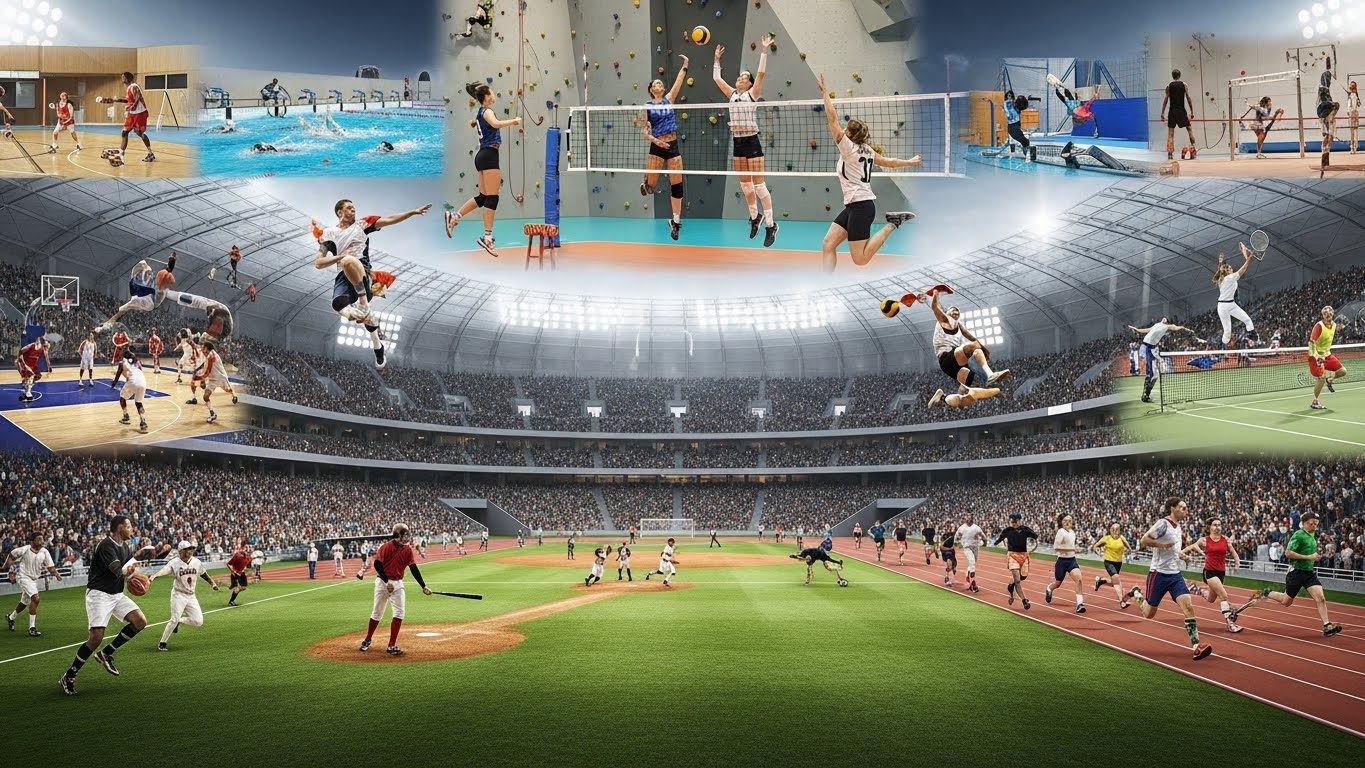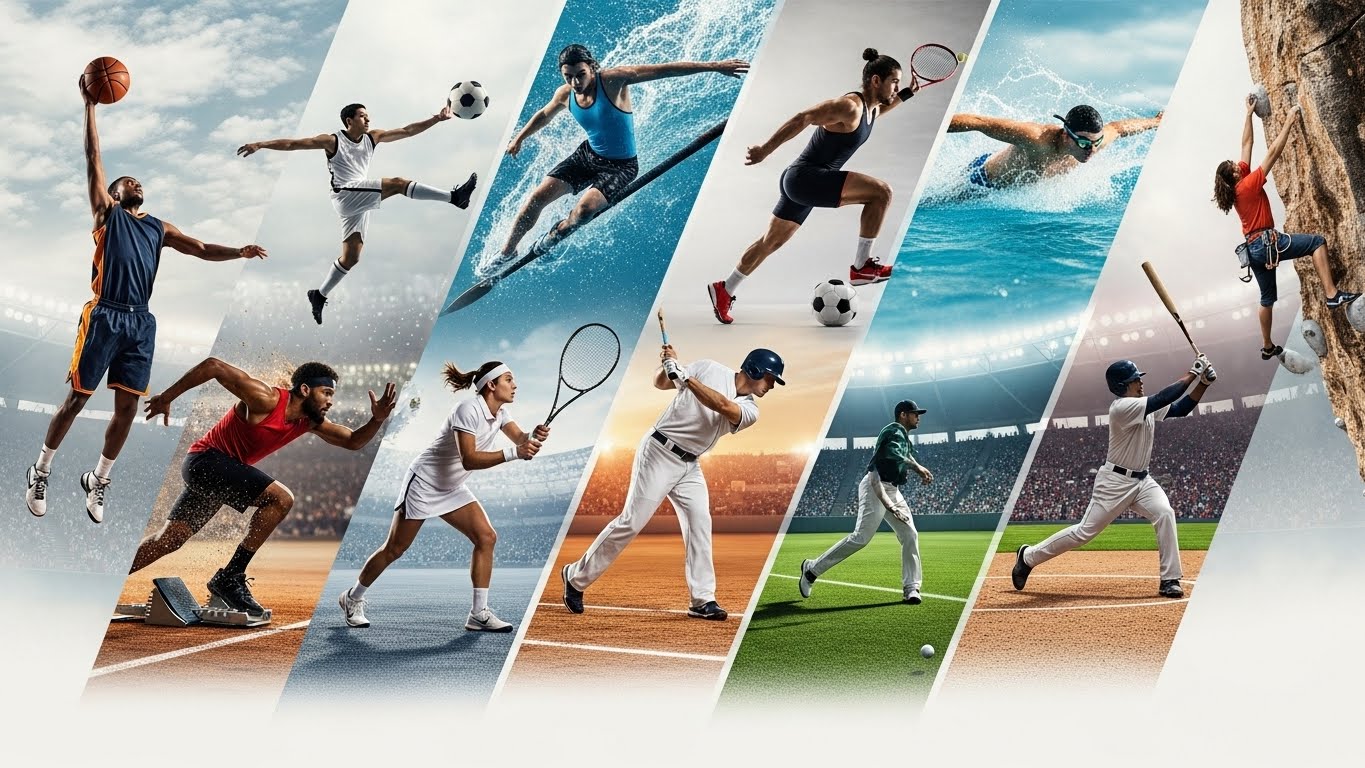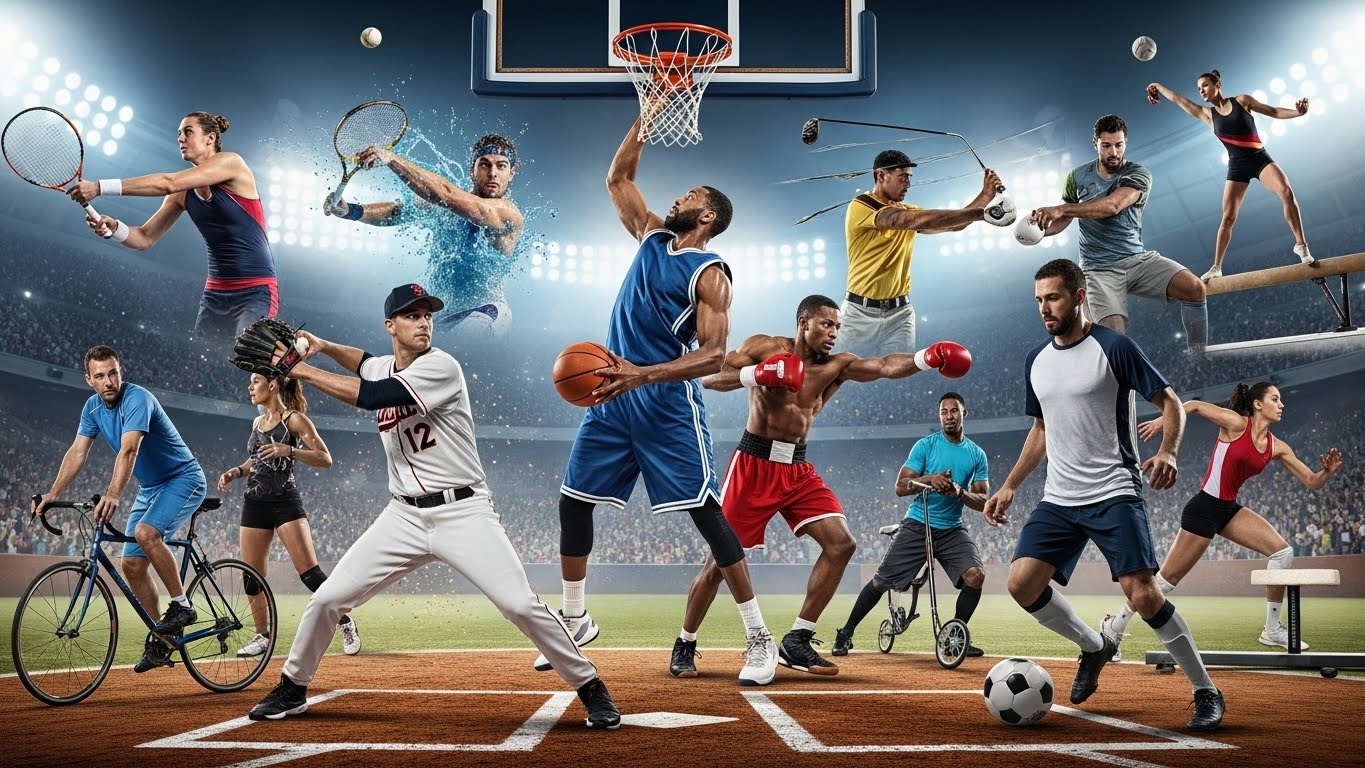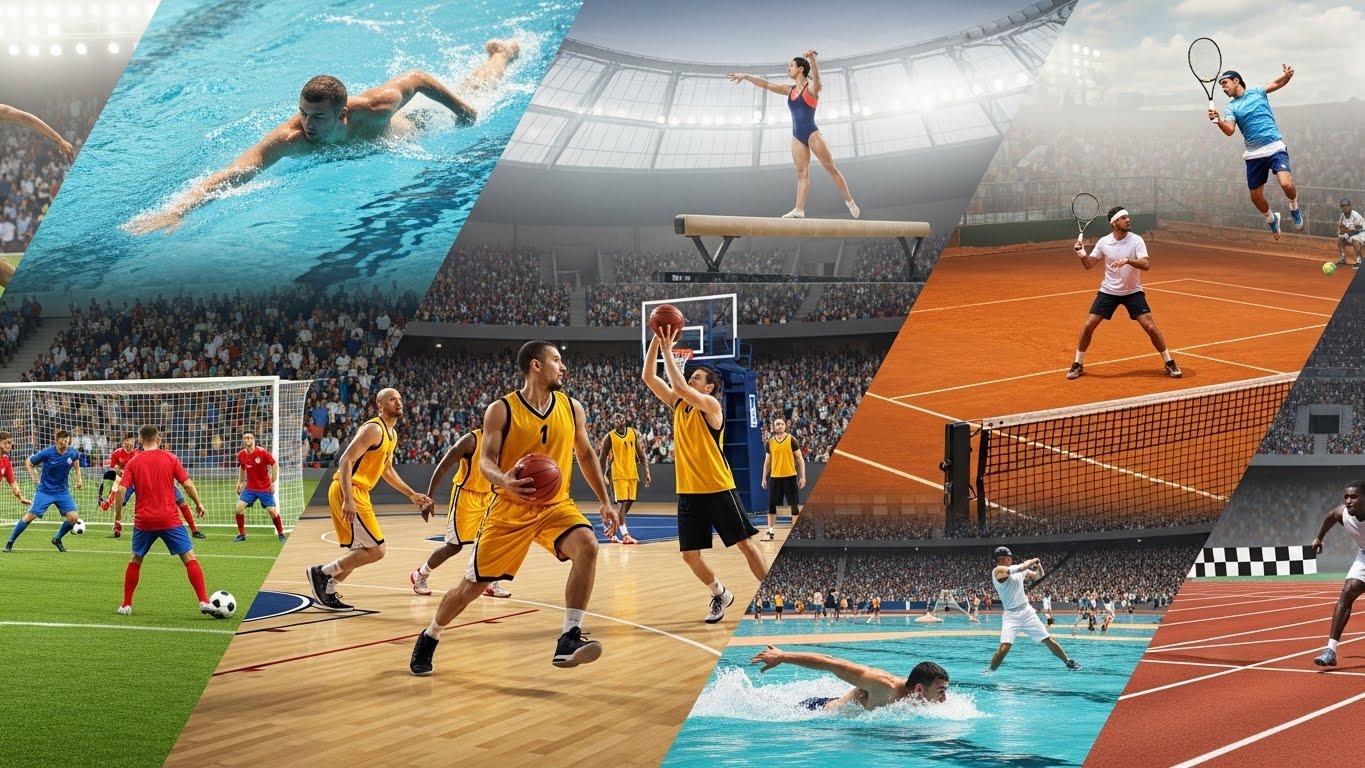

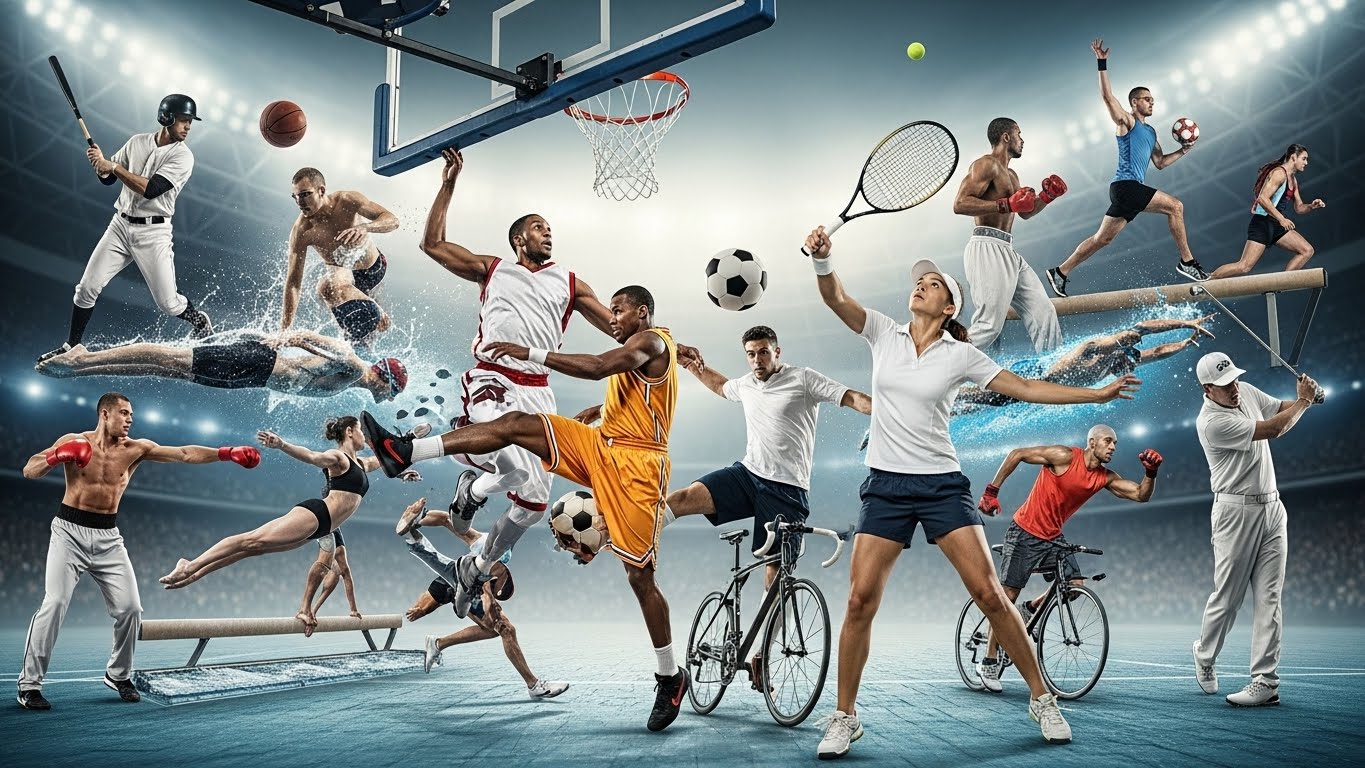
Sports have always been more than just a form of entertainment. They are a reflection of society, a catalyst for personal growth, and a unifying force that transcends borders, cultures, and languages. From the roar of a stadium filled with fans to the quiet determination of an athlete training alone, sports have a profound impact on both individuals and communities. In this blog, we will explore the many dimensions of sports, from its physical benefits to its social and psychological effects, and why it continues to be an essential part of human life.
The Physical Power of Sports
At its core, sports are about movement. Engaging in regular physical activity through sports offers numerous health benefits. Cardiovascular fitness, muscular strength, flexibility, and endurance are all enhanced through consistent participation. Activities such as running, swimming, cycling, or playing team sports improve heart health and increase stamina. Beyond the obvious health advantages, regular participation in sports also boosts the immune system, reduces the risk of chronic illnesses, and helps maintain a healthy weight.
Physical activity through sports is also a preventative measure against mental fatigue and neurological decline. Studies have shown that exercise improves blood circulation to the brain, promotes neuroplasticity, and reduces the risk of cognitive diseases. Therefore, sports not only build a strong body but also a resilient mind.
Psychological Benefits of Sports
While physical benefits are more apparent, the psychological advantages of sports are equally significant. Participation in sports enhances self-esteem, confidence, and mental resilience. When an athlete pushes past their limits or achieves a personal best, it fosters a sense of accomplishment that translates into other areas of life.
Sports also provide a constructive outlet for stress and anxiety. The physical exertion combined with strategic thinking involved in most sports helps the brain release endorphins, the body’s natural mood elevators. Moreover, sports cultivate emotional intelligence. Players learn to handle wins and losses, manage pressure, and develop empathy by working closely with teammates. These life skills often surpass the duration of a sports career, benefiting individuals in their personal and professional lives.
Team Sports vs. Individual Sports
Sports can broadly be categorized into team sports and individual sports, each offering unique experiences and benefits. Team sports like football, basketball, cricket, or volleyball emphasize collaboration, communication, and collective strategy. Athletes learn to rely on one another, build trust, and coordinate efforts toward a common goal. The shared victories and defeats create bonds that can last a lifetime and instill a sense of community.
On the other hand, individual sports such as tennis, swimming, gymnastics, or athletics focus more on personal discipline, accountability, and self-motivation. Athletes in these sports develop a strong internal drive as their performance depends largely on their own effort and decision-making. While the competitive pressure can be intense, individual sports teach valuable lessons in independence and self-reliance.
Both types of sports contribute to holistic development, and choosing between them often depends on personal preference, personality, and long-term goals. Many athletes, however, find that combining team and individual sports can offer the best of both worlds.
The Role of Sports in Education
Sports play an essential role in the educational system. Schools and colleges often emphasize physical education not merely as recreation, but as a key component of overall development. Participation in sports during academic life improves concentration, discipline, and time management skills. Students who engage in regular physical activity tend to perform better academically due to improved cognitive function and stress management.
Moreover, competitive sports in educational institutions teach valuable lessons about goal-setting, perseverance, and leadership. Students learn to handle pressure, overcome challenges, and work collaboratively, all of which are critical skills for future professional and personal success. Educational sports programs also offer opportunities for scholarships and career development in the sports industry, opening doors that may otherwise remain inaccessible.
Sports as a Cultural Phenomenon
Sports have always mirrored societal values and cultural identities. From ancient Olympic Games in Greece to traditional sports like sumo wrestling in Japan or bullfighting in Spain, sports are deeply intertwined with heritage and history. They serve as a cultural bridge, connecting people from diverse backgrounds and fostering mutual understanding.
Global sporting events such as the FIFA World Cup, the Olympics, and the Cricket World Cup attract billions of viewers, highlighting the unifying power of sports. Fans celebrate not only athletic excellence but also national pride and shared human experiences. These events often transcend politics, language, and geography, creating a platform for global unity and cultural exchange.
Economic Impact of Sports
Beyond physical and social benefits, sports also play a significant role in the global economy. Professional sports leagues, international tournaments, and local competitions generate substantial revenue through ticket sales, merchandising, sponsorships, and broadcasting rights. Cities that host large-scale sports events often see a boost in tourism, infrastructure development, and job creation.
Moreover, the sports industry encompasses a vast array of professions, from athletes and coaches to physiotherapists, sports psychologists, event managers, and marketing professionals. This creates employment opportunities and fosters economic growth. The commercialization of sports has transformed it into a lucrative career path while simultaneously enhancing its accessibility and global reach.
Sports and Technology
In recent years, technology has transformed how sports are played, watched, and analyzed. Wearable devices track athletes’ performance, monitor health metrics, and optimize training routines. Advanced analytics help coaches make data-driven decisions, while video review systems ensure fair play and accuracy in competitive sports.
Technology has also revolutionized fan engagement. Virtual reality, live streaming, and interactive platforms allow fans to experience sports like never before. Social media enables athletes to connect directly with supporters, creating a more personal and immersive experience. Technology continues to push the boundaries of what is possible in sports, making it safer, more efficient, and more entertaining.
Sports as a Vehicle for Social Change
Sports have the power to drive social change and promote equality. Initiatives in sports have addressed issues such as gender inequality, racial discrimination, and social inclusion. Programs encouraging girls’ participation in sports, campaigns against racism, and inclusive events for differently-abled athletes highlight the role of sports as a force for good.
Athletes themselves often become advocates for social causes. Their visibility and influence can inspire millions to take action, raise awareness, and support meaningful change. Sports, in this way, extend beyond the boundaries of physical activity and entertainment, becoming a platform for advocacy, education, and societal progress.
The Lifelong Impact of Sports
The influence of sports extends far beyond the playing field. Lifelong habits of discipline, resilience, teamwork, and perseverance are cultivated through regular participation. Former athletes often carry these lessons into their careers, relationships, and personal endeavors. Even for those who do not pursue sports professionally, staying active and engaged in recreational sports ensures ongoing physical health, mental well-being, and social connection.
Sports also offer opportunities for recreation and joy at every stage of life. From weekend leagues for adults to community programs for seniors, participation in sports promotes a sense of purpose, connection, and fulfillment. The lessons learned and memories created through sports remain with us, enriching life in countless ways.
Conclusion
Sports are much more than a game. They are a reflection of our values, a builder of character, a source of health and joy, and a powerful agent for social and economic change. Whether played individually or as part of a team, whether at a professional level or simply for leisure, sports enrich our lives in ways that few other activities can.
In a rapidly changing world, the lessons of sports—discipline, teamwork, resilience, and fair play—remain timeless. They remind us that human potential is limitless when we combine effort, strategy, and passion. Beyond the cheers of the crowd and the thrill of competition, sports continue to shape our minds, bodies, and societies, leaving an indelible mark on generations past, present, and future.