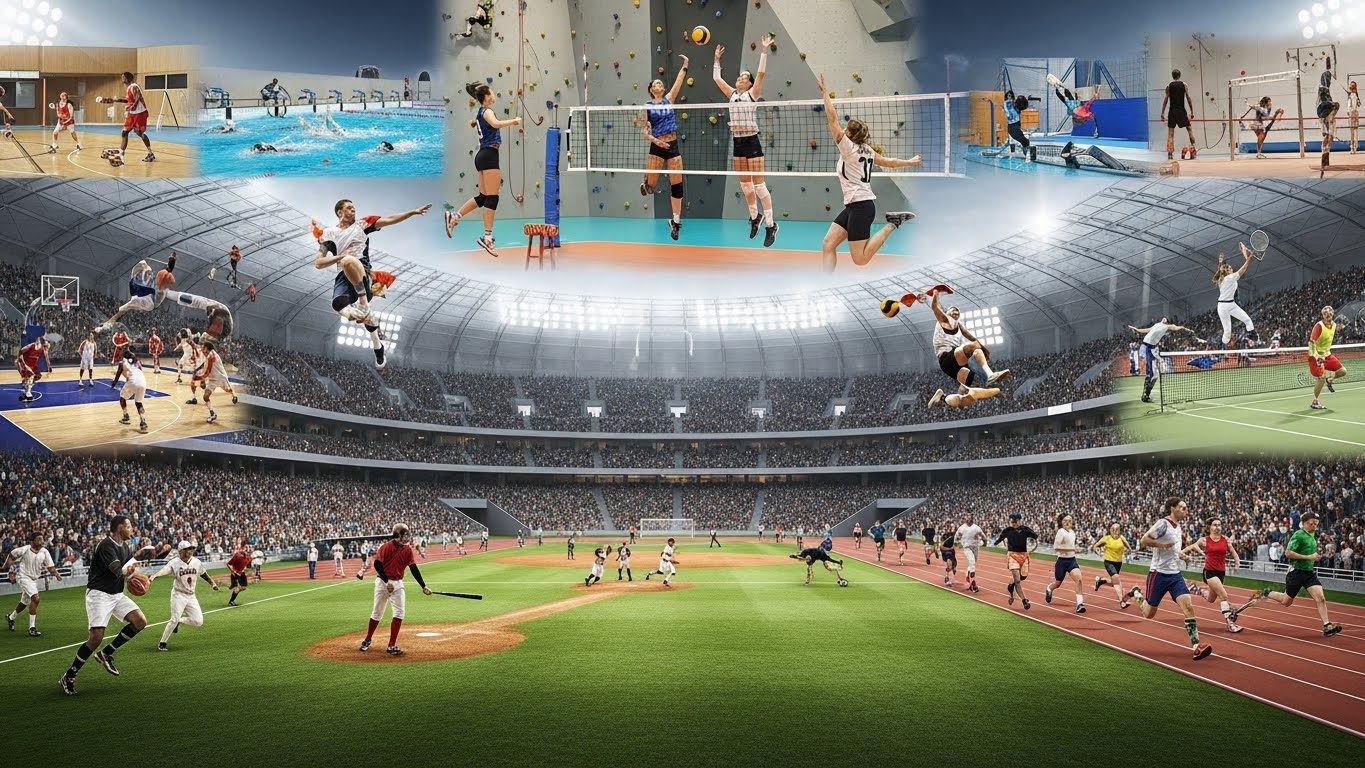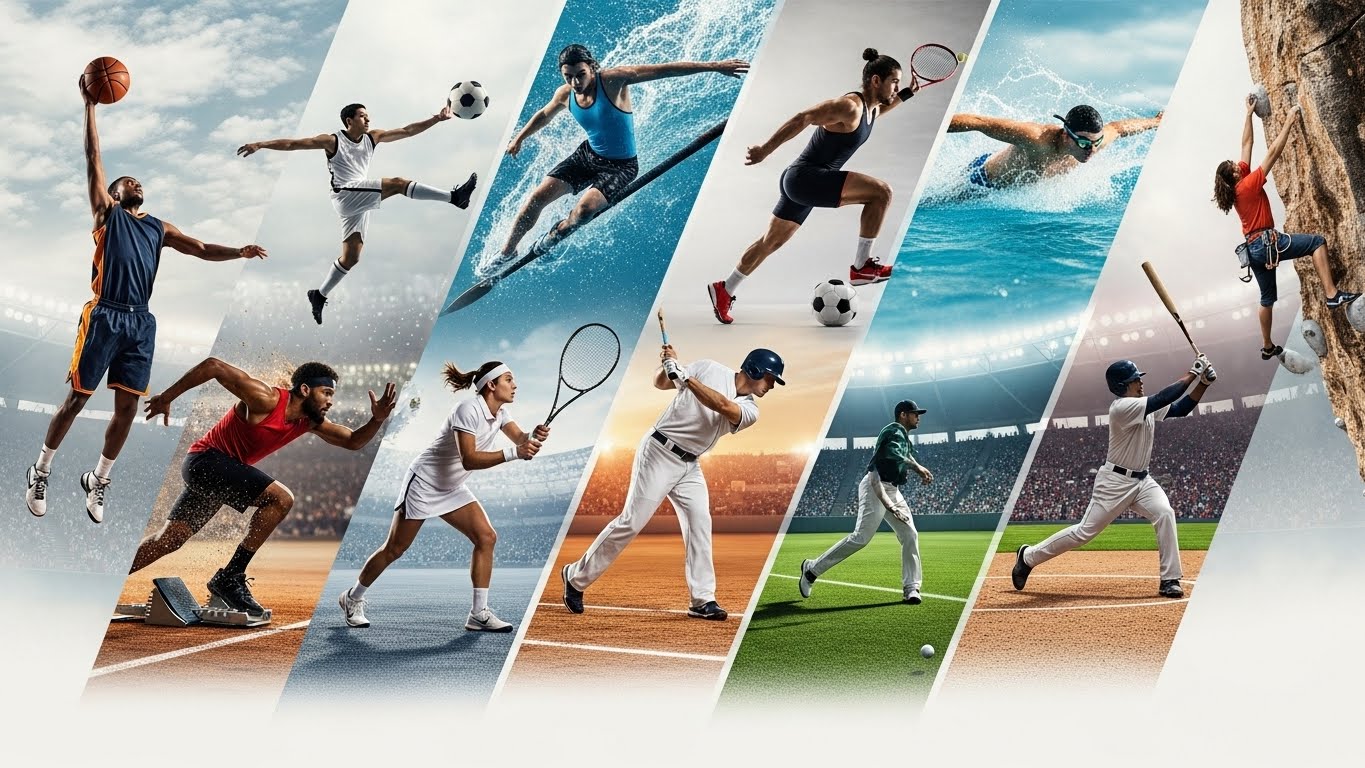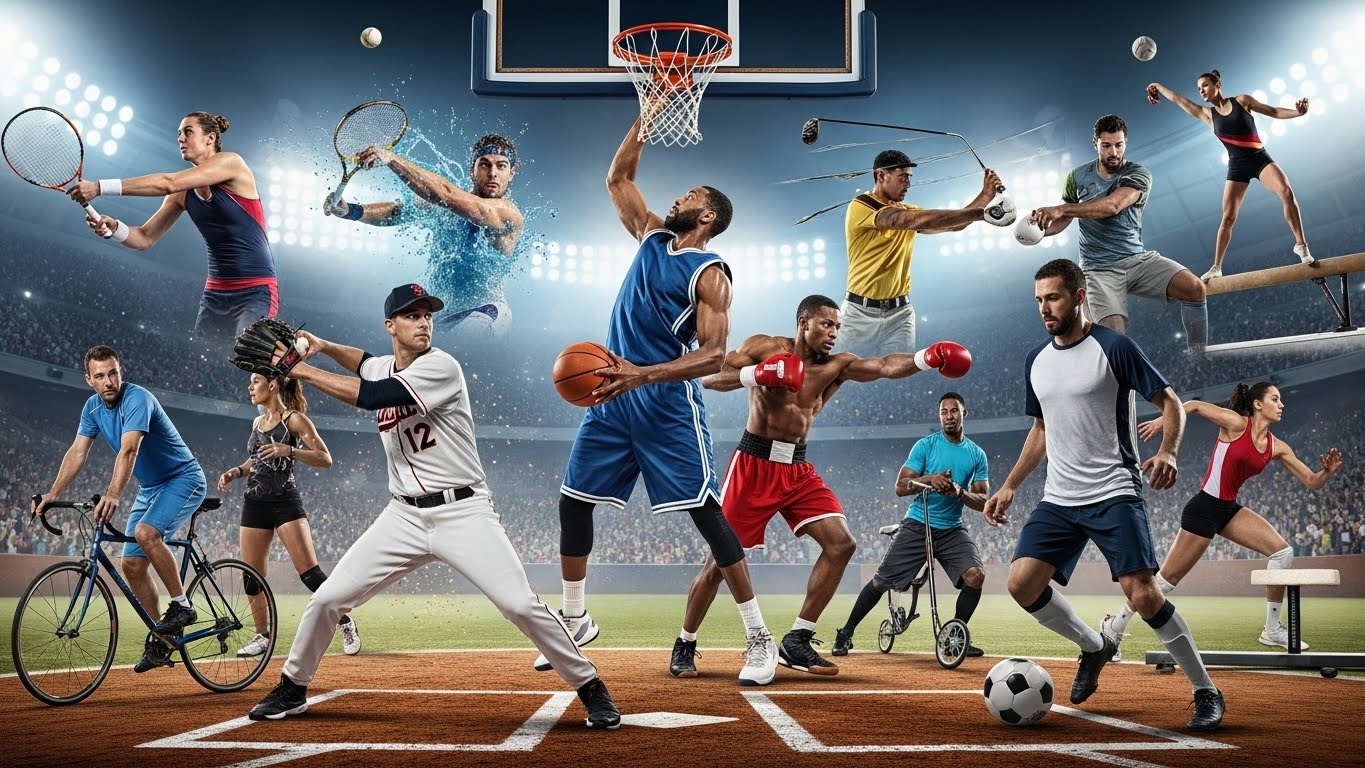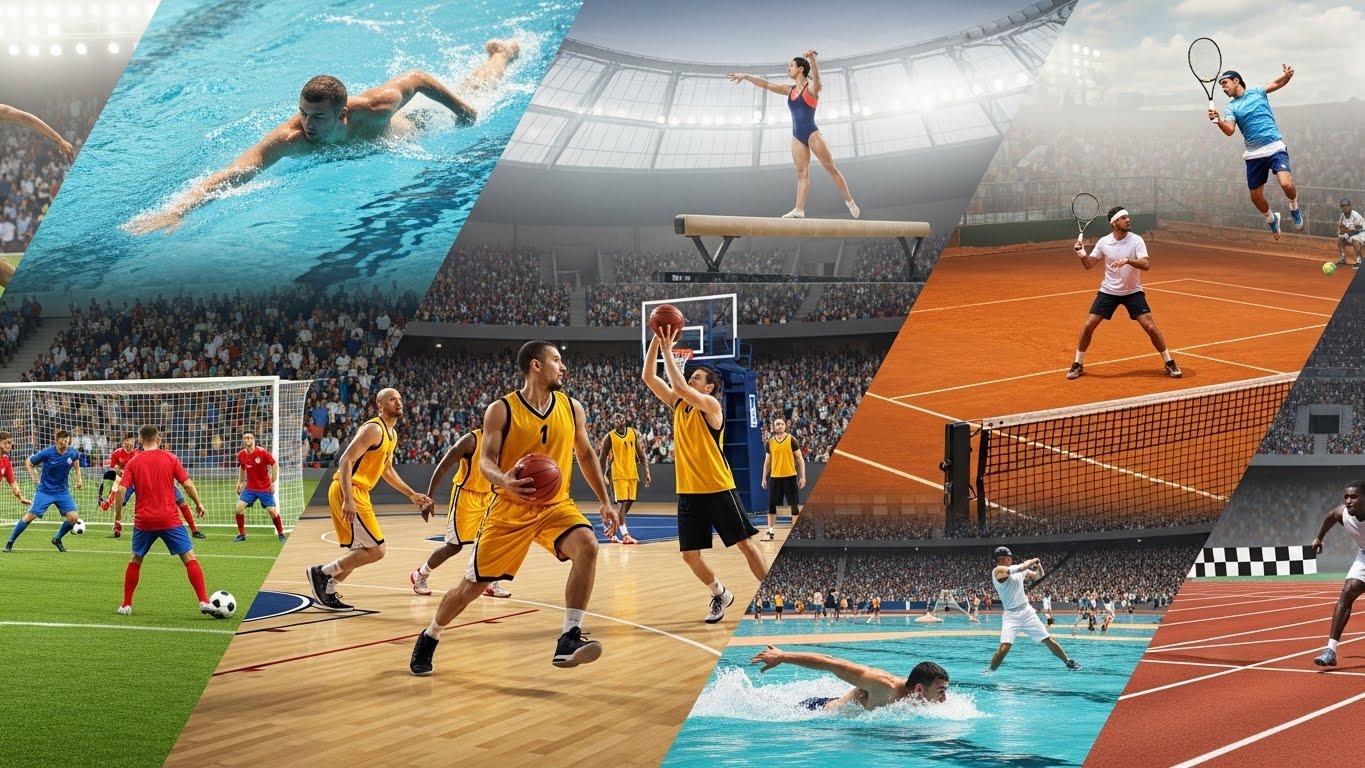


Introduction: Sports as a Universal Language
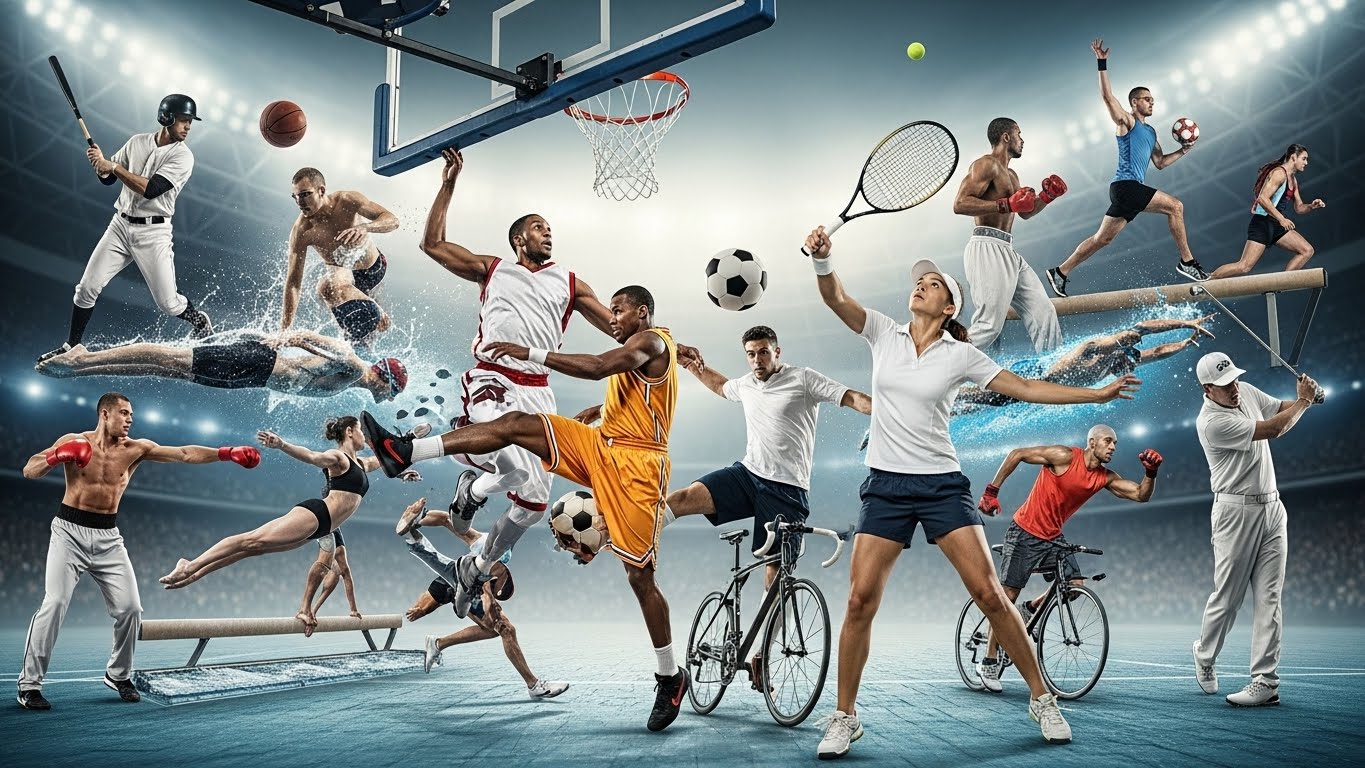
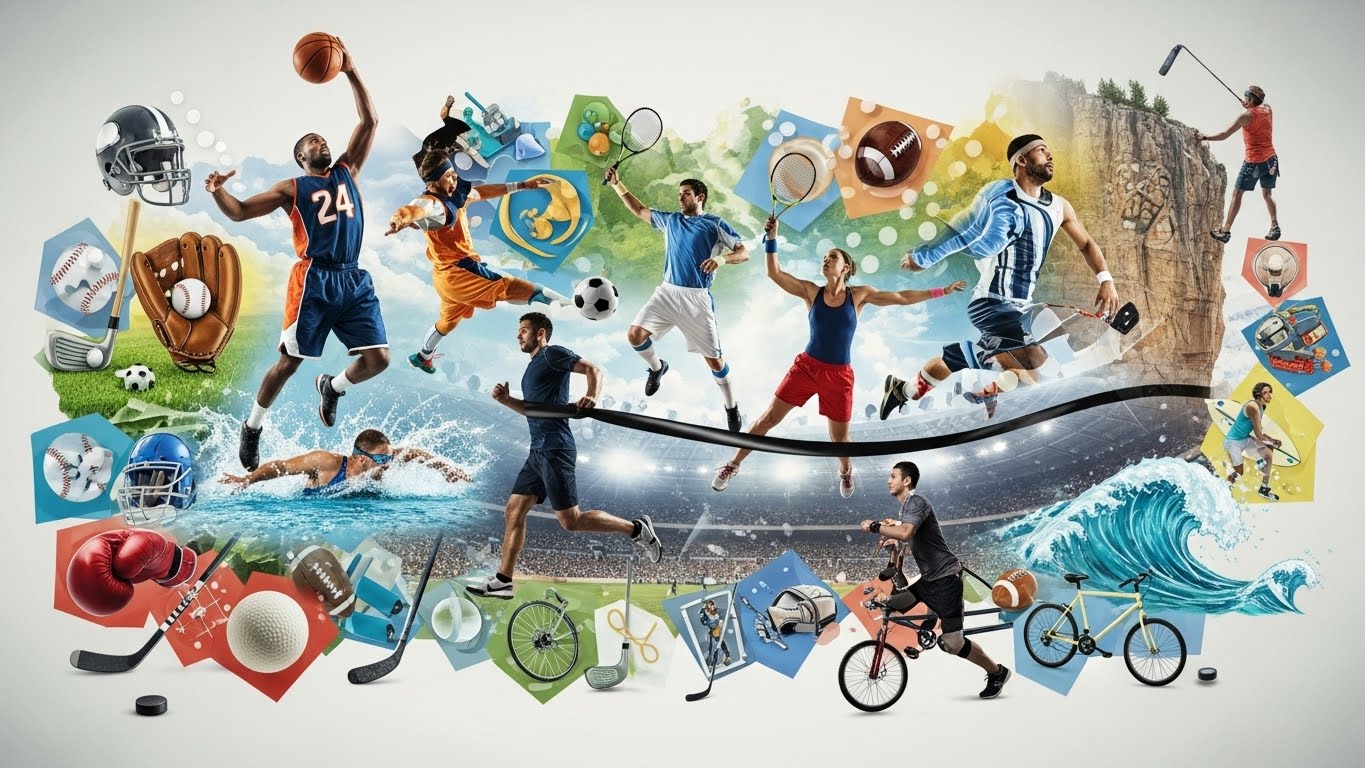
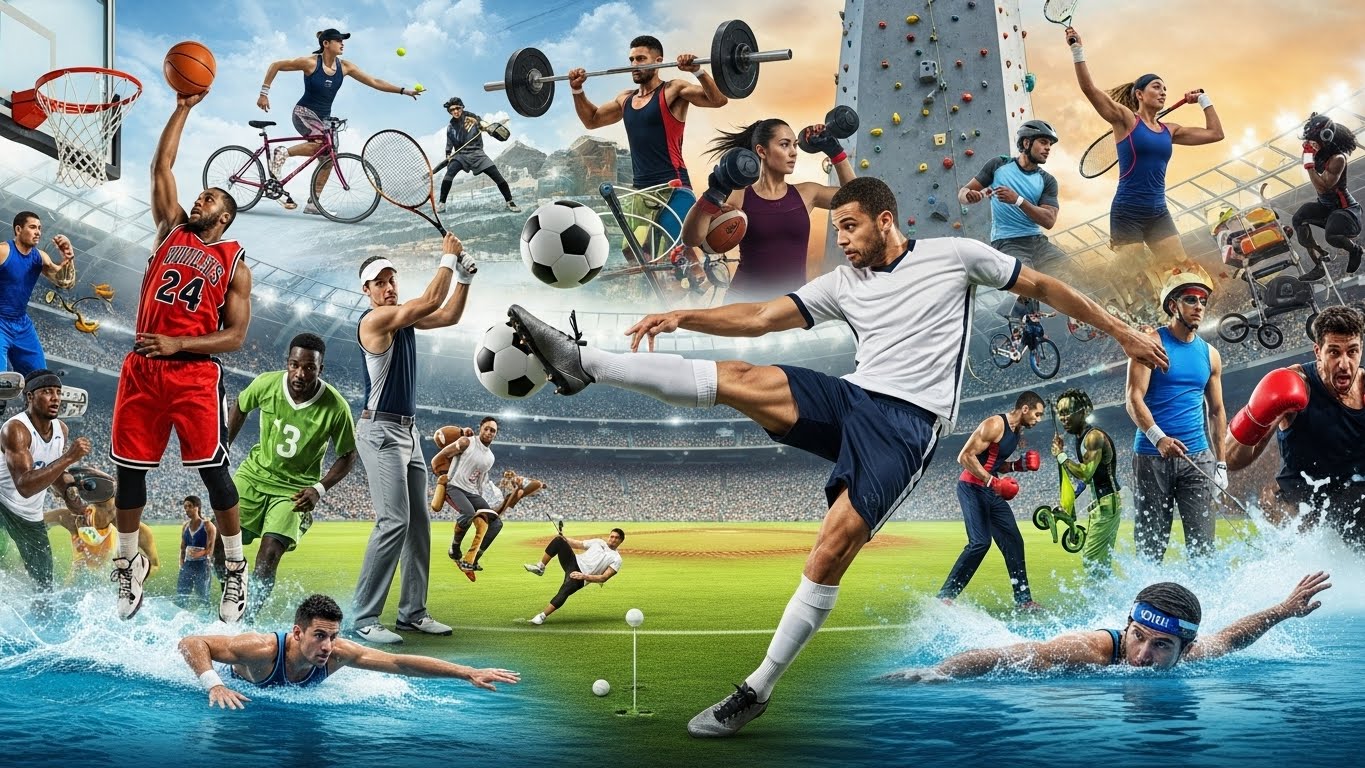
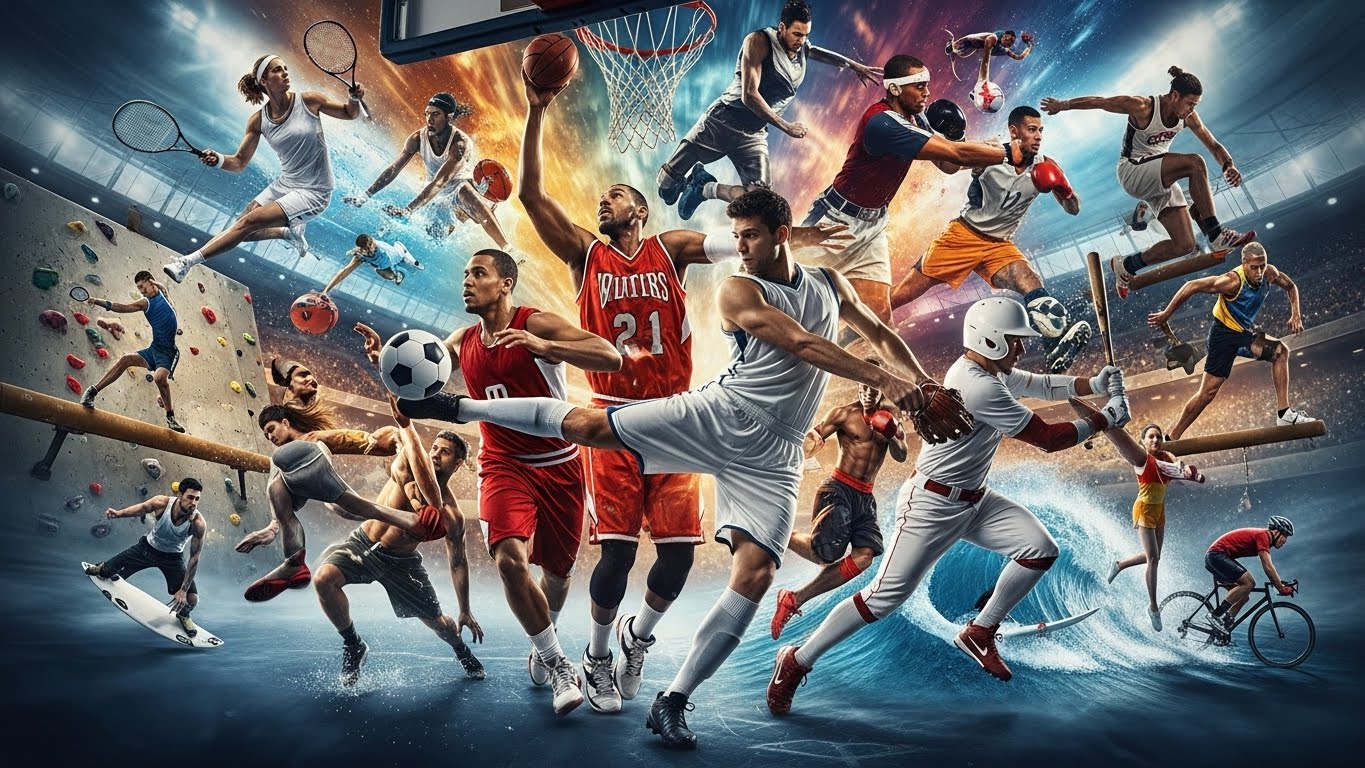
Sports have been a vital part of human civilization for centuries, transcending borders, languages, and cultures. From ancient athletic competitions to modern professional leagues, sports unite people, inspire communities, and shape individual character. More than just games, sports offer lessons in teamwork, discipline, resilience, and fair play. This blog explores the evolution of sports, their cultural and social impact, the science behind athletic performance, and how they continue to influence modern society.
The Origins of Sports
The history of sports dates back thousands of years. Ancient civilizations such as Greece, Egypt, and China engaged in athletic competitions for both entertainment and spiritual purposes. The Olympic Games, first held in 776 BC in Greece, are among the earliest recorded organized sports events, emphasizing physical prowess, discipline, and honor. Over time, different cultures developed unique sports that reflected their environment, values, and societal structures. Wrestling, archery, and chariot racing were popular in ancient societies, while team-based sports gradually emerged as community entertainment and preparation for physical challenges.
Evolution of Modern Sports
Modern sports, as we know them, began to take shape during the 19th and 20th centuries. Standardized rules, organized leagues, and formal competitions created a structured approach to athletic endeavors. Sports like football, cricket, basketball, and baseball became popular globally, while others remained regionally significant. Technological advancements, including better training equipment, improved playing surfaces, and video analysis, enhanced both performance and spectator experiences. This evolution also turned sports into a profession, creating opportunities for athletes to pursue full-time careers.
The Physical and Mental Benefits of Sports
Participating in sports offers numerous physical benefits. Regular exercise improves cardiovascular health, builds strength, enhances flexibility, and boosts endurance. Beyond the physical advantages, sports also contribute to mental well-being. They teach discipline, focus, stress management, and goal-setting. Team sports foster cooperation and communication, while individual sports promote self-motivation and resilience. Scientific studies consistently highlight that children and adults involved in sports are more likely to develop confidence, leadership skills, and a positive mindset.
Sports as a Career Path
For many, sports are more than just recreation—they are a professional pursuit. Professional athletes dedicate years to rigorous training, honing skills, and mastering strategies specific to their sport. Behind every successful athlete is a team of coaches, nutritionists, physiotherapists, and support staff who ensure optimal performance. Beyond playing, sports have created careers in coaching, sports journalism, sports management, officiating, and sports marketing. The industry’s growth provides financial stability for talented individuals while inspiring millions to pursue their dreams.
The Role of Sports in Education
Sports play a critical role in education and personal development. Schools and universities around the world integrate athletics into their curricula to promote physical fitness and teach essential life skills. Student-athletes learn time management, teamwork, and resilience while balancing academic responsibilities. Scholarships for sports excellence provide opportunities for talented individuals to access higher education, often opening doors to global exposure and career advancement. Educational sports programs also instill values of ethics, perseverance, and respect for others, contributing to holistic development.
Global Sporting Events and Their Impact
International sporting events such as the Olympic Games, FIFA World Cup, and Cricket World Cup have a profound cultural and economic impact. These events foster international cooperation, national pride, and cultural exchange. Millions of fans from diverse backgrounds come together to celebrate shared passions, transcending political, religious, and linguistic barriers. Economically, host countries benefit from tourism, infrastructure development, and global media attention. These events also inspire aspiring athletes, encouraging participation in sports at grassroots levels.
Sports and Social Inclusion
Sports have the power to promote social inclusion and equality. Programs designed for people with disabilities, women’s sports leagues, and youth initiatives provide opportunities for marginalized groups to participate and excel. Adaptive sports, such as wheelchair basketball and para-athletics, highlight that athleticism is not limited by physical challenges. Women’s sports, which historically received less recognition, are gaining global attention, breaking stereotypes and providing role models for future generations. By promoting inclusivity, sports encourage diversity and foster a sense of community.
The Science Behind Athletic Performance
The success of athletes is not purely based on talent; science plays a significant role. Nutrition, physiology, psychology, biomechanics, and data analytics are integral to optimizing performance. Modern athletes follow carefully structured diets to fuel their bodies, undergo specialized training to build strength and endurance, and use mental conditioning to enhance focus and resilience. Sports technology, including wearable devices, motion capture, and performance analysis software, allows athletes to refine techniques, prevent injuries, and maximize results. This scientific approach has elevated athletic performance to unprecedented levels.
Sports and Technology: Transforming the Game
Technology has transformed how sports are played, viewed, and managed. Instant replay systems, goal-line technology, and performance tracking tools have increased accuracy, fairness, and engagement. Digital platforms allow fans to follow games in real time, access statistics, and participate in interactive experiences. Virtual reality and augmented reality are beginning to create immersive training and viewing experiences, offering new ways to engage with sports. The integration of technology ensures that sports remain dynamic, accessible, and evolving.
The Cultural Significance of Sports
Sports are deeply embedded in culture. They influence fashion, music, media, and social norms. Iconic athletes become cultural symbols, representing resilience, excellence, and determination. Sports rituals, traditions, and celebrations strengthen community bonds and national identity. From street basketball in urban neighborhoods to traditional folk games in rural areas, sports reflect societal values and human creativity. They are not just competitions; they are cultural expressions that connect people across generations and regions.
Challenges Facing Modern Sports
Despite the many benefits, modern sports face challenges. Issues such as doping, corruption, excessive commercialization, and player exploitation threaten the integrity of competitions. Injuries and mental health struggles among athletes require careful attention and support. Gender inequality, pay disparities, and limited access for underprivileged communities also remain pressing concerns. Addressing these challenges is essential to ensure that sports continue to promote fairness, ethics, and inclusivity while remaining enjoyable and inspiring.
Sports and Community Development
Sports contribute significantly to community development. Local leagues, recreational clubs, and community initiatives provide safe spaces for children and adults to engage in physical activity. Community sports programs promote health, social interaction, and conflict resolution. They also provide a platform for mentorship and leadership development. By encouraging active lifestyles and collaboration, sports foster stronger, healthier, and more connected communities.
The Future of Sports
The future of sports promises innovation, inclusivity, and global connectivity. Esports, virtual competitions, and technologically enhanced training methods are expanding the definition of athleticism. Grassroots programs, youth engagement, and initiatives promoting equality will ensure broader participation and talent development. As sports continue to adapt to societal changes and technological advancements, they will remain a powerful force in shaping culture, inspiring individuals, and bringing people together worldwide.
Conclusion: More Than a Game
Sports are more than just physical contests; they are a reflection of human ambition, creativity, and resilience. They teach invaluable life lessons, create communities, and inspire generations. From the thrill of competition to the joy of teamwork and the celebration of cultural traditions, sports impact every aspect of life. As we look to the future, sports will continue to evolve, influence society, and serve as a universal language that unites humanity in pursuit of excellence, passion, and connection.