

Introduction: More Than a Game
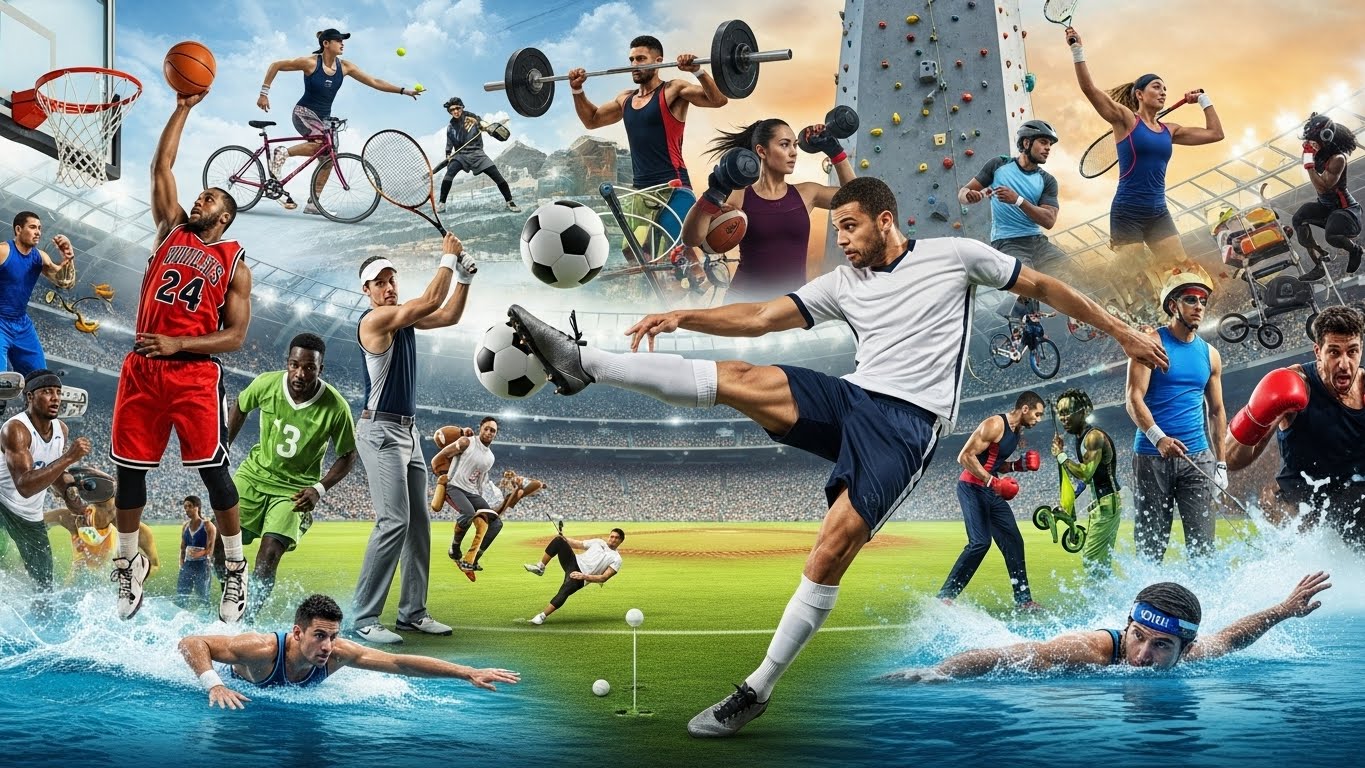
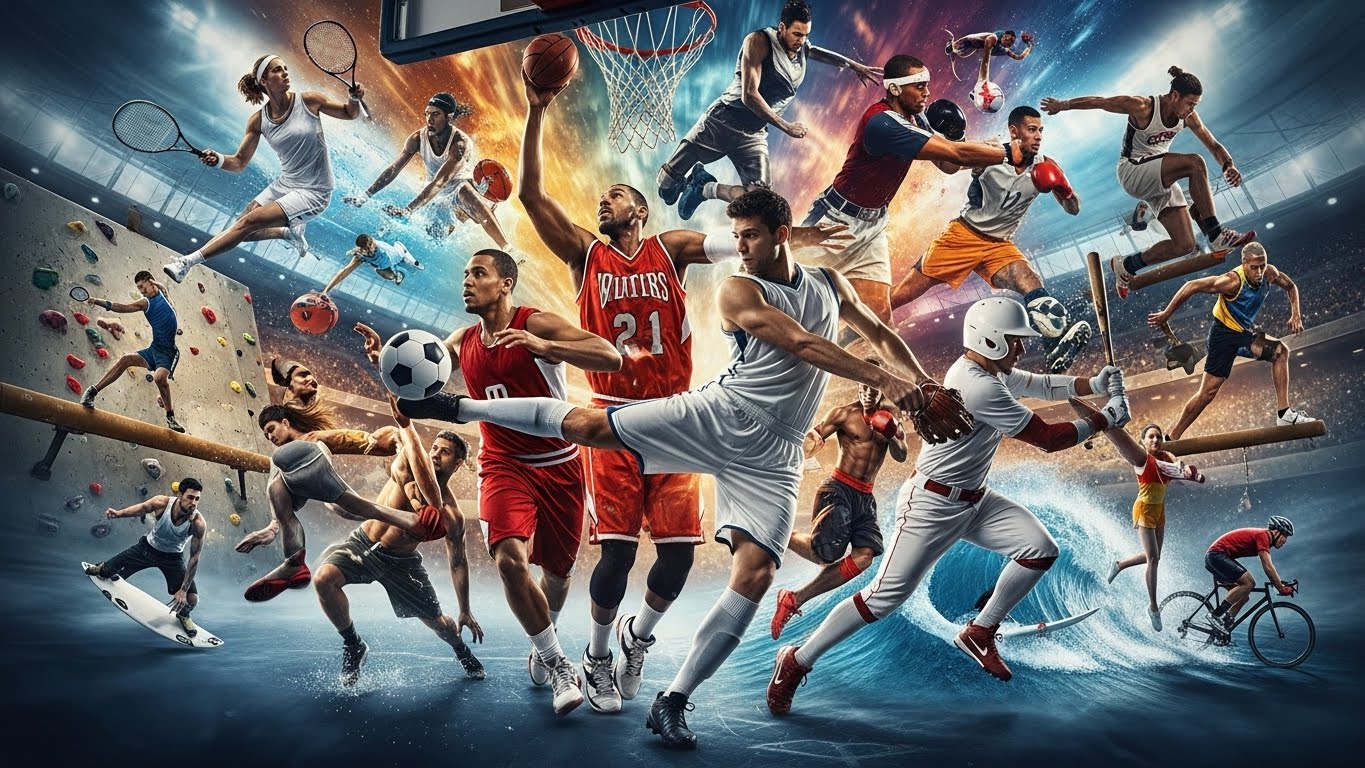
Sports are often seen as entertainment, a way to pass time or enjoy competition. Yet, beneath the cheers, rivalries, and scoreboards lies a powerful force that influences culture, identity, health, and even global unity. From dusty village fields to glittering international stadiums, sports tell stories of struggle, discipline, passion, and hope. They are not merely games played for victory but living experiences that reflect who we are as individuals and societies. This blog explores how sports transcend physical competition and become a vital part of human life.
The Historical Roots of Sports
The history of sports is deeply woven into the history of civilization itself. Ancient societies used physical contests to prepare warriors, honor gods, and strengthen community bonds. The Olympic Games in ancient Greece were not just athletic events but sacred gatherings that promoted peace and unity among rival city-states. Similarly, traditional sports across Asia, Africa, and the Americas were connected to rituals, survival skills, and social values.
As civilizations evolved, sports adapted to changing times. What began as simple physical challenges gradually transformed into organized competitions with rules, governance, and widespread appeal. This evolution reflects humanity’s desire for structure, fairness, and shared experiences.
Sports as a Universal Language
One of the most remarkable qualities of sports is their ability to cross borders, languages, and cultures. A football match, a cricket game, or a basketball contest can be understood and enjoyed by people from vastly different backgrounds. The emotions felt during a close contest are universal, excitement, disappointment, pride, and joy resonate with everyone.
International sporting events bring together nations that may otherwise remain divided. For a brief moment, political differences fade as athletes represent the best of human potential. Sports provide a platform where mutual respect is built through fair play and shared admiration for skill and effort.
The Role of Sports in Physical and Mental Health
Sports play a crucial role in promoting physical well-being. Regular participation improves cardiovascular health, strengthens muscles, enhances flexibility, and builds endurance. Beyond physical benefits, sports contribute significantly to mental health. Engaging in sports reduces stress, improves mood, and fosters a sense of achievement.
Team sports, in particular, help individuals develop social skills and emotional intelligence. They teach cooperation, communication, and empathy. Individual sports, on the other hand, build self-reliance, focus, and resilience. In both cases, sports offer a healthy outlet for emotions and a constructive way to deal with challenges.
Discipline, Character, and Life Lessons
Sports are often described as a classroom without walls. They teach lessons that extend far beyond the field. Discipline is one of the most important values instilled through sports. Athletes learn the importance of practice, consistency, and patience. Success rarely comes overnight, and sports reinforce the idea that hard work is essential for progress.
Failure is another powerful teacher in sports. Losing a match or missing a crucial opportunity can be painful, but it builds resilience and humility. Sports teach individuals how to accept defeat gracefully, learn from mistakes, and return stronger. These lessons are invaluable in everyday life, where setbacks are inevitable.
The Emotional Power of Sports
Few experiences match the emotional intensity of sports. The final seconds of a close match, the underdog’s unexpected victory, or a legendary comeback can leave lasting impressions. Fans form deep emotional connections with teams and athletes, often associating sports moments with personal memories.
Sports also provide a sense of belonging. Supporting a team creates a shared identity among fans, fostering community spirit. Celebrations and disappointments are experienced collectively, strengthening social bonds. In this way, sports serve as emotional anchors in people’s lives.
Sports and Youth Development
For young people, sports are a powerful tool for growth and development. Participation in sports helps children build confidence, develop coordination, and learn teamwork. It also keeps them engaged in positive activities, reducing the likelihood of negative behaviors.
Youth sports programs often emphasize values such as fairness, respect, and perseverance. Coaches become mentors, guiding young athletes not only in skill development but also in character building. These early experiences shape attitudes toward discipline, leadership, and responsibility that last into adulthood.
The Business and Economics of Sports
Modern sports are also a major economic force. Professional leagues, international tournaments, and sporting events generate employment, tourism, and global revenue. Athletes have become global icons, influencing fashion, advertising, and popular culture.
While commercialization has expanded opportunities and visibility, it has also introduced challenges. The pressure to win, financial inequality among teams, and ethical concerns require careful management. Balancing the business side of sports with its core values remains an ongoing challenge.
Technology and the Future of Sports
Technology has transformed how sports are played, viewed, and analyzed. Advanced training methods, performance tracking, and data analysis have pushed athletic limits further than ever before. Fans now experience sports through multiple platforms, with instant replays, in-depth statistics, and immersive coverage.
Looking ahead, technology will continue to shape sports in new ways. Innovations in equipment, health monitoring, and fan engagement promise exciting possibilities. However, preserving the human spirit of sports, passion, unpredictability, and fair competition, will remain essential.
Sports as a Force for Social Change
Sports have often played a role in challenging social barriers and promoting equality. Athletes have used their platforms to raise awareness about injustice, inspire change, and advocate for inclusion. From breaking racial barriers to promoting gender equality, sports have reflected and influenced social progress.
These moments remind us that athletes are not just performers but voices capable of inspiring millions. When sports align with positive social values, they become powerful agents of transformation.
Conclusion: The Enduring Spirit of Sports
Sports are far more than physical contests. They are stories of human effort, emotion, and connection. They teach discipline, resilience, and teamwork while providing joy, inspiration, and unity. Whether played professionally or casually, sports touch lives in profound ways.
In a world often divided by differences, sports remind us of our shared humanity. The thrill of competition, the respect for opponents, and the celebration of excellence bring people together. As long as humans value movement, challenge, and community, sports will continue to thrive, shaping not only bodies but hearts and minds for generations to come.