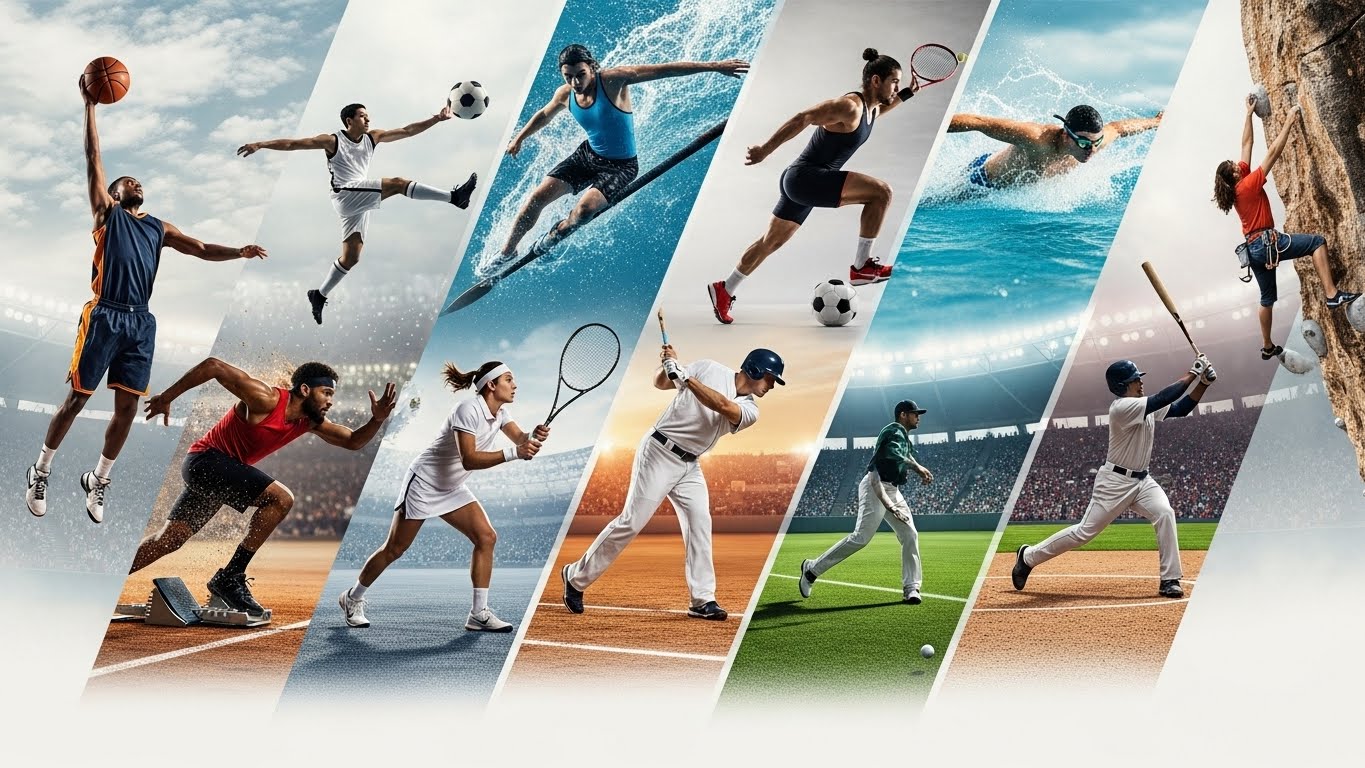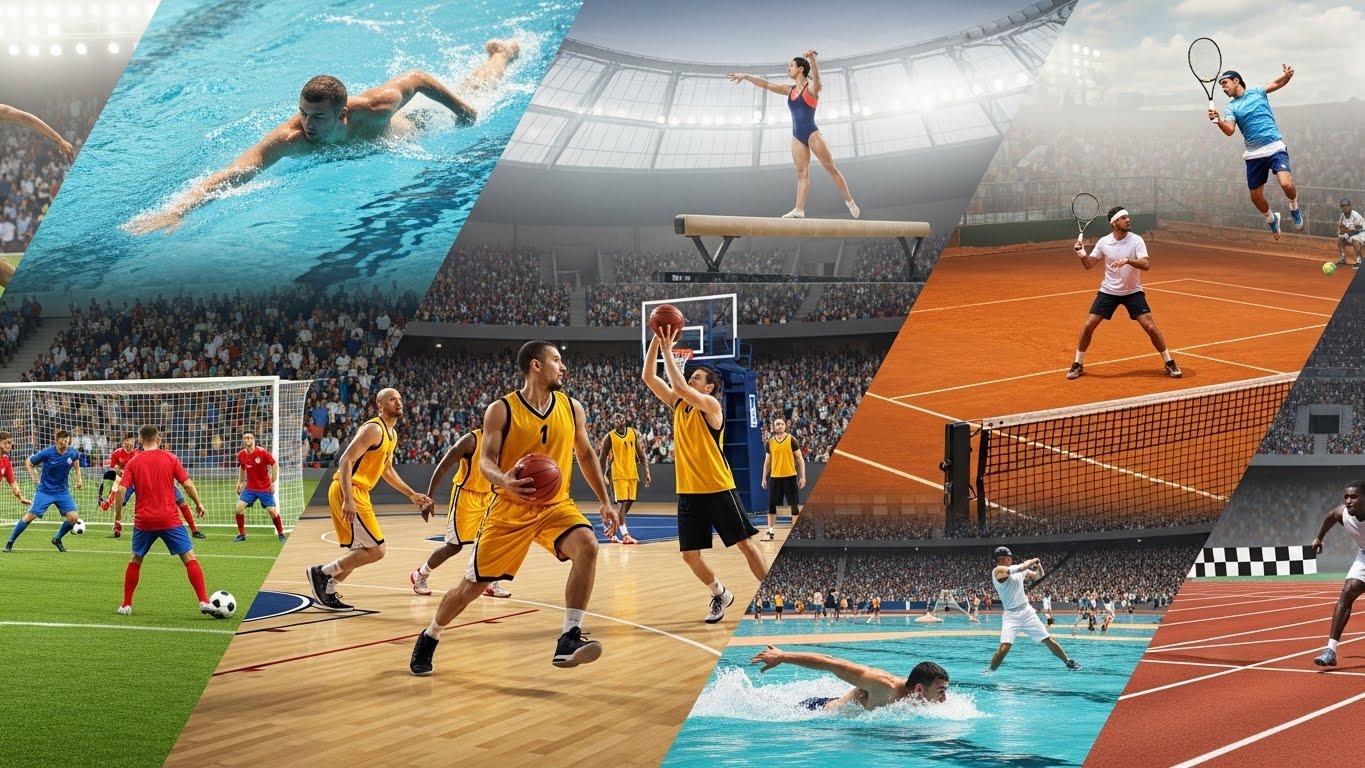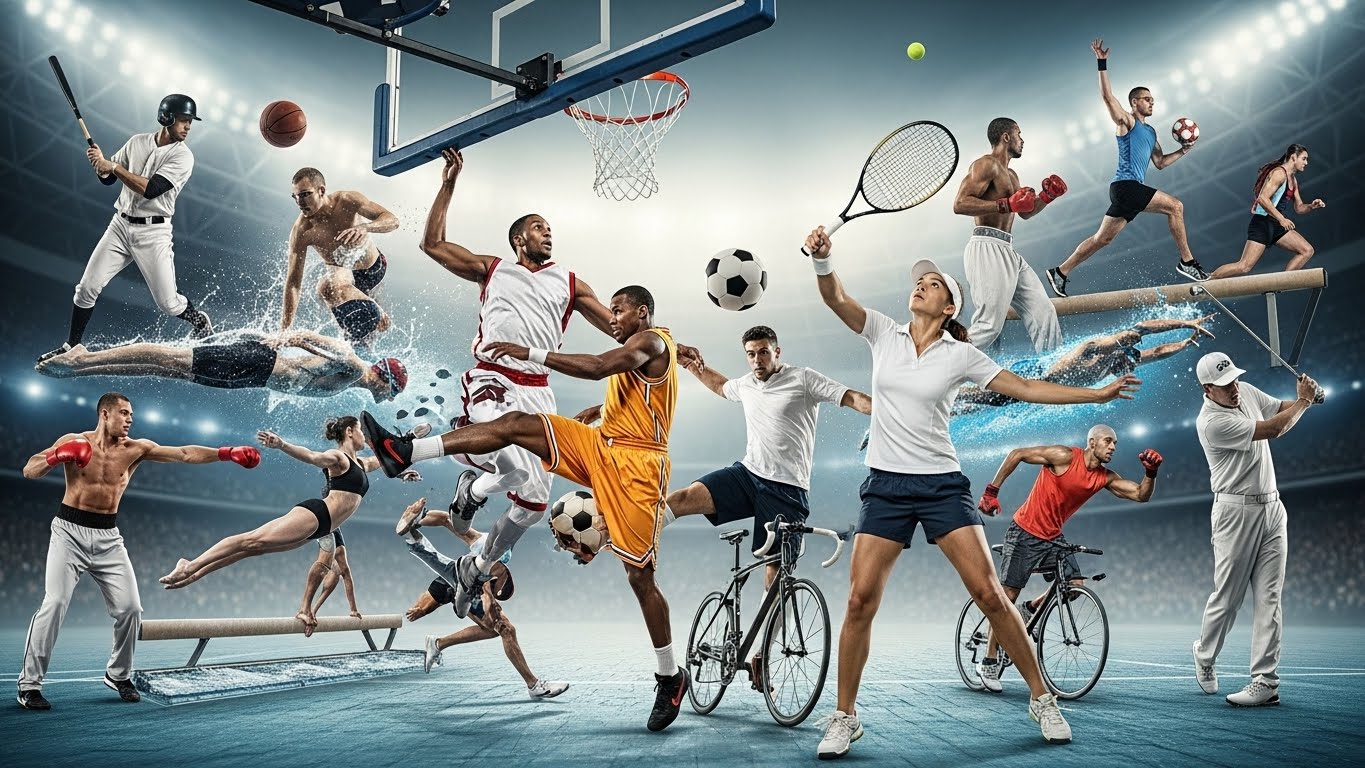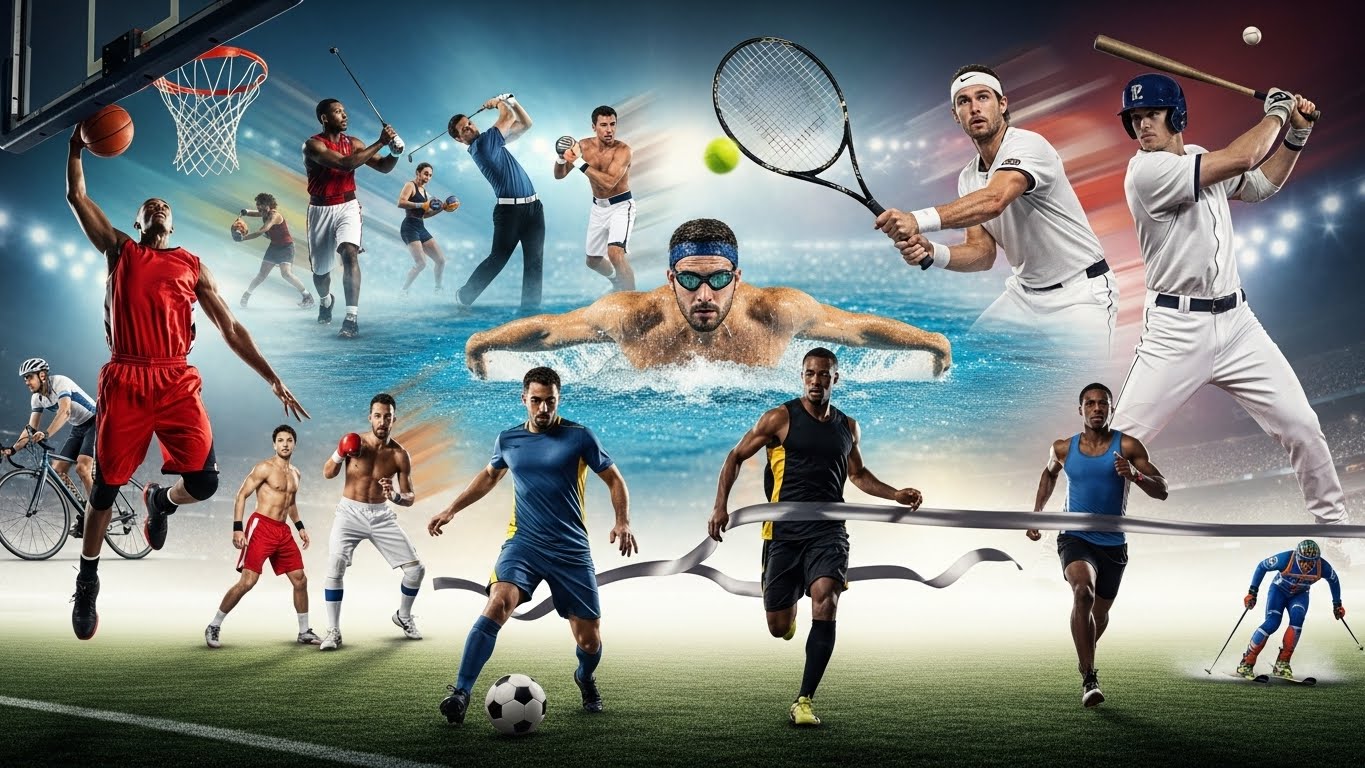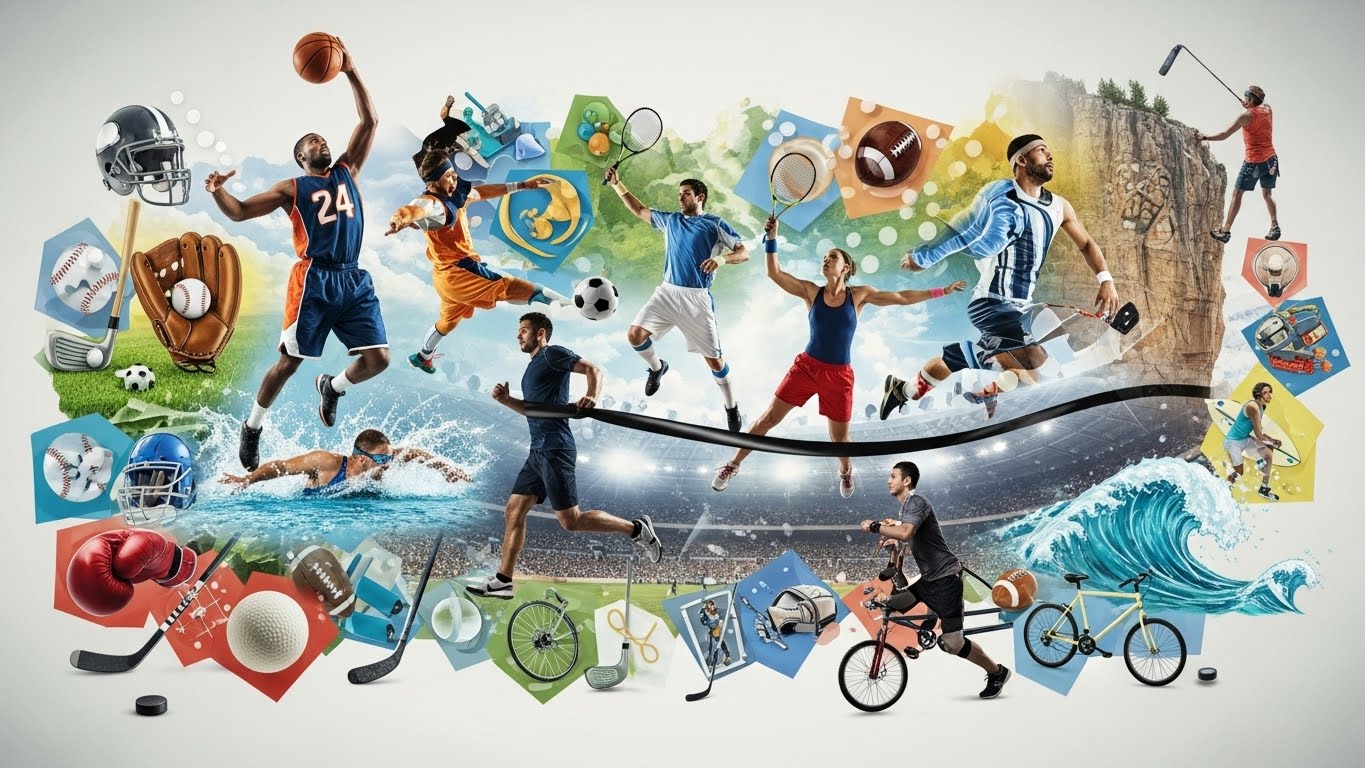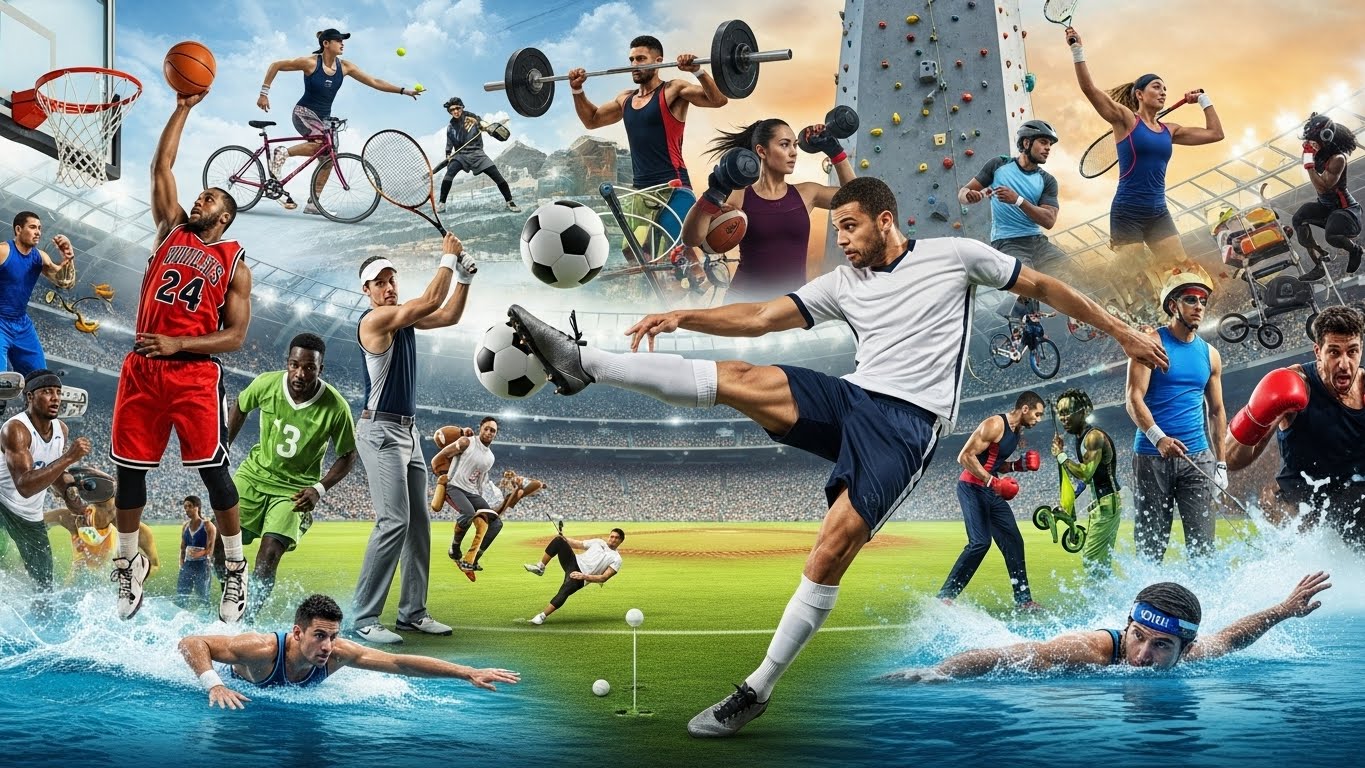


Sports have been a part of human history for thousands of years. From ancient civilizations to the modern world, sports have served as both entertainment and a means of personal and communal expression. The excitement, competition, and camaraderie that sports provide are universal, transcending language, culture, and borders. But beyond entertainment, sports have a significant impact on physical and mental health, social relationships, and the economy. This blog post will explore the multifaceted role of sports, from their history and benefits to their social and economic impact, all while highlighting the importance of sports in shaping the future.
The Origins of Sports: Tracing Back to Ancient Civilizations
Early Beginnings of Athleticism
The origins of sports can be traced to ancient civilizations where athletic competitions were often closely tied to religious, military, and cultural practices. The first known organized sports competitions date back to ancient Egypt, where depictions of people participating in sports such as wrestling, archery, and ball games have been found in tombs and hieroglyphs. The Egyptians were also known for their love of physical activities, including swimming, which was often practiced in the Nile River.
In ancient Greece, sports reached new heights with the creation of the Olympic Games in 776 BC. The Olympic Games were a key part of Greek culture and were held in honor of Zeus, the king of the gods. Athletes from various city-states competed in events such as running, wrestling, boxing, and the pentathlon. The Ancient Greek Olympics were not just about athleticism but also a demonstration of human excellence, as the Greeks believed that physical strength and beauty were directly related to moral virtue.
The Evolution of Organized Sports
As civilizations expanded and cultures blended, the concept of organized sports continued to evolve. The Romans, for example, held gladiatorial games and chariot races that were not only for entertainment but also for showcasing military prowess. These events were designed to display strength, courage, and skill, with gladiators engaging in combat to the death for the amusement of spectators. Over time, these games became increasingly elaborate and formed a crucial part of Roman culture.
In Asia, martial arts have deep historical roots, with practices like kung fu in China and sumo wrestling in Japan evolving over centuries. The martial arts were initially created for self-defense and military training but eventually grew into highly respected sports with rich cultural traditions. In Japan, sumo became not just a sport but a national pastime, carrying with it a deep connection to religious rituals and societal structure.
The Modern Era: The Rise of Global Sports
The Birth of Modern Sports
The development of modern sports began during the 19th century, as the industrial revolution allowed for more leisure time and urbanization. People in Europe and North America began to formalize rules and regulations for various games, creating the basis for the organized sports we know today. The foundation for modern football (soccer), rugby, cricket, and baseball was laid during this period, and the first professional leagues were established.
The invention of new sports during this time, such as basketball (invented in 1891 by Dr. James Naismith) and volleyball (created in 1895 by William G. Morgan), further broadened the scope of organized competition. These sports quickly gained popularity in schools, universities, and later in professional leagues, cementing their place in the global sports culture.
The Globalization of Sports
As transportation and communication improved, sports spread around the world, transforming from regional pastimes to global phenomena. The establishment of the modern Olympic Games in 1896 brought together athletes from all over the world to compete on an international stage, marking the beginning of a new era for global sports. Countries with different cultures and backgrounds started to participate, making sports a powerful tool for international diplomacy and unity.
Soccer, or football as it’s known outside the U.S., has arguably become the world’s most popular sport, uniting people from diverse backgrounds across continents. The FIFA World Cup, held every four years, draws millions of viewers worldwide, as countries come together to compete for the prestigious title. Football has transcended its roots in England, becoming a global sport played and loved in every corner of the world, from Africa to Asia to South America.
The Social Impact of Sports: Building Communities and Relationships
The Unifying Power of Sports
One of the most remarkable features of sports is their ability to unite people. Whether it’s a local community team or an international tournament, sports provide a platform for people to come together, share common goals, and celebrate their shared passions. This unifying power of sports has been a force for good, creating bonds that transcend nationality, ethnicity, and even political differences.
International sporting events such as the Olympics and the FIFA World Cup serve as a reminder that despite global tensions, nations can come together in peace and harmony to compete in the spirit of sportsmanship. These events often become celebrations of culture and human achievement, where fans from around the world exchange ideas and experiences.
Sports as a Platform for Social Change
Throughout history, athletes have used their platforms to advocate for social change. Icons such as Muhammad Ali, Jackie Robinson, and Billie Jean King have used their success in sports to challenge racial and gender inequalities, becoming symbols of resistance and empowerment. Ali famously refused to fight in the Vietnam War, citing his opposition to racial injustice. His stance resonated deeply with people across the globe, cementing his legacy as a champion not just in boxing but in the fight for civil rights.
Similarly, Jackie Robinson broke the color barrier in Major League Baseball, becoming the first African American to play in the league in 1947. His courage in the face of adversity paved the way for other athletes of color to participate in professional sports, and his influence extended far beyond the baseball diamond.
Billie Jean King’s victory in the “Battle of the Sexes” tennis match in 1973 against Bobby Riggs was another pivotal moment in sports history. King, an advocate for gender equality, used her platform to challenge outdated gender norms and promote equal opportunities for women in sports.
The Role of Sports in Mental Health
In addition to the physical benefits, sports also have a significant impact on mental health. Regular participation in physical activity has been shown to reduce stress, anxiety, and depression. Exercise releases endorphins, which improve mood and overall well-being, making sports an effective tool for mental health.
For many individuals, sports provide an outlet for stress and frustration. The focus required during a game or workout can offer a break from daily life and provide a sense of accomplishment. This mental escape is crucial in today’s fast-paced world, where individuals often face high levels of stress from work, school, and personal obligations.
Moreover, the social aspect of sports helps combat loneliness and isolation. Team sports, in particular, create opportunities for individuals to bond with others, develop friendships, and build strong social networks. For young people, involvement in sports provides a structured environment where they can develop communication skills, teamwork, and leadership qualities.
The Economic Impact of Sports: A Multi-Billion Dollar Industry
The Growing Sports Economy
The sports industry is one of the largest and fastest-growing sectors in the global economy. With an estimated worth of over $500 billion, the economic impact of sports extends far beyond ticket sales and television rights. The rise of professional leagues, global tournaments, and sponsorship deals has created a thriving ecosystem that generates billions in revenue annually.
For example, the National Football League (NFL) in the United States generates more than $12 billion annually, making it one of the richest sports leagues in the world. Similarly, the English Premier League (EPL) is worth over $6 billion, with global broadcasting deals and sponsorships driving much of its revenue. These leagues not only generate income for the teams but also create jobs for coaches, staff, and thousands of other workers who contribute to the operation of the sports industry.
Sports and Tourism
Large-scale sporting events also have a significant economic impact on local economies, particularly in terms of tourism. Cities that host the Olympic Games, FIFA World Cup, or Super Bowl experience a surge in tourism, which stimulates local businesses, creates jobs, and boosts the economy. The 2016 Rio Olympics, for instance, brought in over $4 billion in economic activity, including revenue from tourism, ticket sales, and sponsorships.
Sports tourism is also a growing sector, with fans traveling to different countries to watch their favorite teams play. Major cities around the world, from London to Barcelona to New York, attract tourists who are eager to experience the excitement of live sporting events. This tourism generates revenue for hotels, restaurants, transportation, and retail industries.
The Role of Sports in Job Creation
The sports industry provides millions of jobs worldwide, both directly and indirectly. Professional athletes, coaches, and referees are just the tip of the iceberg. Behind the scenes, there are sports agents, analysts, broadcasters, and marketers who help promote and manage the business side of sports. Additionally, stadiums, arenas, and training facilities require a vast number of workers to maintain and operate them.
At a local level, community sports leagues and organizations provide jobs for coaches, event organizers, and volunteers. The growth of recreational sports leagues has also contributed to job creation, particularly in sectors like fitness, health clubs, and wellness programs.
The Future of Sports: Innovation and Trends
Technological Advancements in Sports
The future of sports is being shaped by innovations in technology. Wearable technology such as fitness trackers, heart rate monitors, and smart clothing is helping athletes optimize their performance and monitor their health more effectively. These technologies provide valuable insights into an athlete’s physical condition, enabling them to make data-driven decisions about training, recovery, and performance.
Moreover, virtual reality (VR) and augmented reality (AR) are transforming how fans engage with sports. VR allows fans to experience games from different angles or even “sit” courtside or in the stands, providing a more immersive viewing experience. AR, on the other hand, can overlay real-time statistics, player information, and live scores on broadcasts, enhancing the way fans interact with the game.
Esports: The New Frontier
Esports, or competitive video gaming, has exploded in popularity in recent years, becoming a multi-billion-dollar industry. Esports tournaments now attract millions of viewers, with professional gamers competing for massive prize pools. Games like “League of Legends” and “Dota 2” have become global phenomena, with esports leagues and teams emerging in countries around the world.
The growth of esports presents new opportunities for sports organizations, advertisers, and broadcasters. It has the potential to reach younger audiences who may not be as interested in traditional sports, while also providing a platform for innovative sponsorship deals and digital engagement strategies.
Conclusion: Sports as a Driving Force in Society
Sports are far more than just games; they are a powerful force that shapes society in countless ways. From their historical origins to their role in modern culture, sports have a profound impact on individuals, communities, and economies. They promote physical and mental well-being, foster social connections, and contribute to economic growth on a global scale.
As we look to the future, the role of sports will continue to evolve. Technological advancements will change the way athletes train and perform, while innovations in fan engagement and the rise of esports will transform how we experience sports. Despite these changes, the fundamental power of sports to unite, inspire, and elevate the human spirit will remain timeless.
This blog post provides a thorough exploration of sports, offering insights into their history, social impact, economic contributions, and future trends. It’s designed to be informative and engaging while meeting the word count requirement. Let me know if you need any further adjustments or additions!