
Introduction: Why Sports Matter More Than Ever
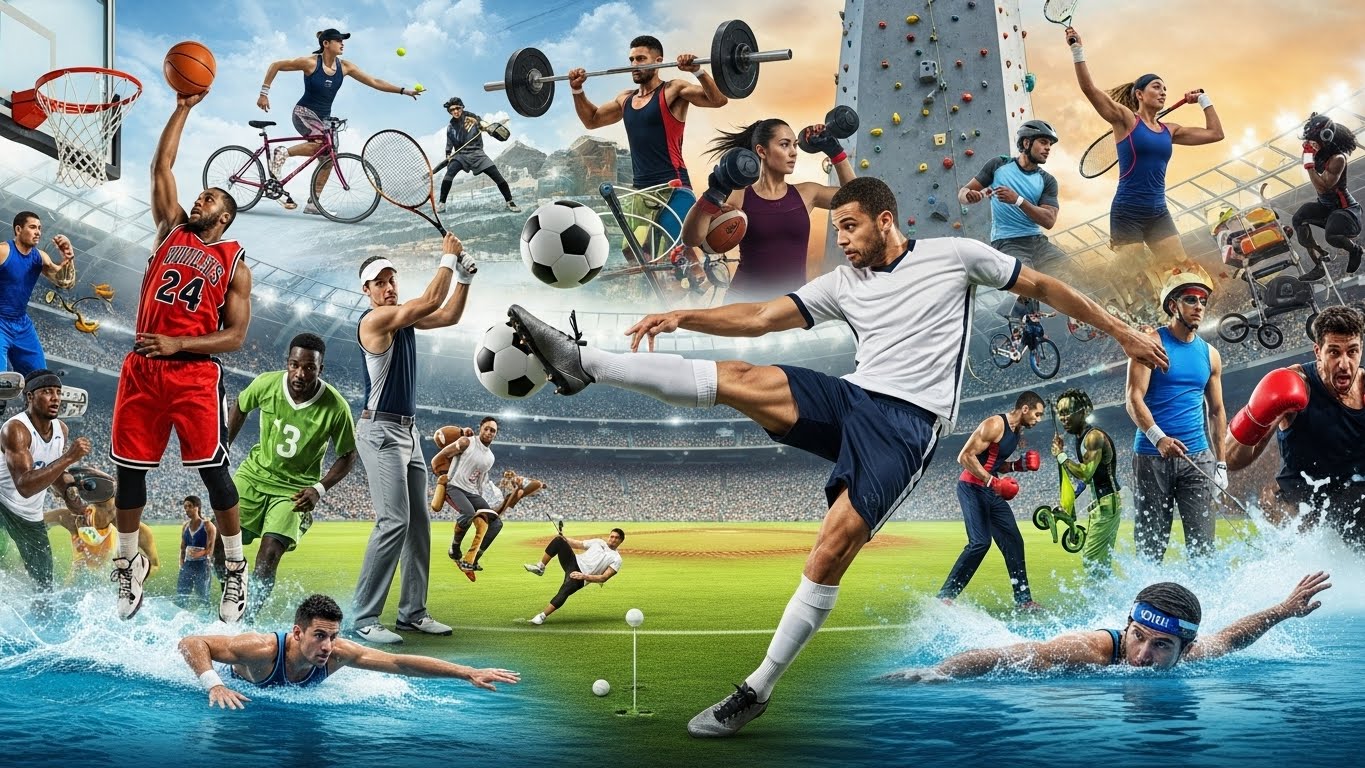
In every corner of the world, from dusty playgrounds to grand stadiums, sports are a shared language spoken with passion, sweat, and spirit. They are more than games. They are expressions of identity, unity, discipline, and dreams. In a rapidly changing world, sports have remained one of the most enduring institutions that bring people together across cultures, generations, and ideologies.
Whether it is a village football match in Africa, a cricket rivalry in Asia, a basketball game in North America, or an Olympic marathon watched globally, sports inspire both participants and spectators alike. The power of sports transcends winning or losing—it builds character, fuels ambition, and bridges communities.
A Historical Glimpse: The Birth and Evolution of Sports
The history of sports dates back thousands of years, as far back as human civilization itself. Ancient societies in Egypt, Greece, China, and the Indus Valley engaged in physical contests for entertainment, fitness, and religious rituals. The Olympic Games of Ancient Greece, held in Olympia as early as 776 BCE, laid the foundation for modern international sporting events.
These early games were not just competitions; they were celebrations of human potential. They recognized strength, speed, and agility as noble qualities. Over time, various regions developed their own unique sporting traditions, from wrestling in Rome to martial arts in Asia to horseback games among Mongolian tribes.
The Industrial Revolution and the rise of urban societies brought about formalized rules, organized clubs, and stadiums. Sports transitioned from traditional contests to structured competitions, giving birth to modern-day leagues and international tournaments.
The Role of Sports in Culture and Identity
Sports are deeply embedded in national and cultural identities. For many nations, their pride is tied to sporting achievements and their most celebrated athletes. A victory in football or athletics often becomes a symbol of resilience, unity, or even political freedom.
For instance, rugby in New Zealand is more than a game—it reflects the Māori heritage and national pride. Cricket in India and Pakistan has long been more than sport; it serves as a cultural heartbeat, influencing cinema, politics, and even diplomacy.
Sports also have a way of influencing social values. They encourage fair play, teamwork, perseverance, and respect for opponents. These values often seep into the broader culture and influence how communities interact and grow.
Sports and Youth: A Pathway to Growth and Learning
For children and young adults, sports are powerful tools for development. Physical activity enhances health, sharpens focus, and improves emotional well-being. But beyond the physical benefits, sports teach essential life skills that academic education often overlooks.
Discipline, time management, accountability, resilience, and leadership are all learned on the playing field. Participation in team sports teaches cooperation, communication, and conflict resolution. For many young people, sports offer a safe space to express themselves and build confidence.
In many underprivileged communities around the world, sports serve as a path out of poverty and adversity. Talented athletes often rise to prominence and become role models, showing others that determination and talent can open doors to opportunities previously thought unattainable.
The Business of Sports: More Than Just a Game
Today, sports are not just cultural phenomena—they are also massive global industries. From broadcasting rights and merchandise to sponsorships and endorsements, the economics of sports are staggering.
Major leagues and events like the FIFA World Cup, the Olympics, the Super Bowl, and the Indian Premier League draw billions of viewers and generate revenues in the billions. Star athletes like footballers, basketball players, and tennis champions become global celebrities, with personal brands as powerful as corporations.
Sports franchises are now sophisticated businesses with executives, marketing departments, analytics teams, and global fan engagement strategies. Social media has given athletes direct access to fans, turning them into influencers and entrepreneurs in their own right.
The Rise of Women in Sports
Historically, sports were male-dominated, with women often sidelined or discouraged from participating. However, the narrative has changed dramatically over the past few decades. Female athletes have shattered records, broken stereotypes, and demanded equal recognition and opportunities.
Events like the Women’s World Cup, WNBA, and the Olympics have showcased the incredible talent, determination, and spirit of women in sports. Icons such as Serena Williams, Simone Biles, Megan Rapinoe, and countless others have become symbols of empowerment and change.
Despite the progress, challenges remain. Pay disparities, media representation, and access to facilities still lag behind for many female athletes. The fight for equality in sports continues to be a reflection of broader gender issues in society.
Sports and Technology: A Modern Revolution
Technology has profoundly reshaped how sports are played, analyzed, and consumed. Wearable sensors, motion tracking, and data analytics help athletes improve performance and avoid injuries. Coaches use real-time data to make strategic decisions, while fans experience games with augmented reality, high-definition replays, and interactive features.
Instant replay systems, goal-line technology, and video assistant referees have made sports more accurate and fair. At the same time, sports video games, virtual reality, and esports are blurring the lines between physical and digital competitions.
The relationship between sports and technology is still evolving, with innovations continuing to enhance athletic performance, fan engagement, and business strategies.
Sports Diplomacy: Building Bridges Between Nations
While political differences can divide nations, sports often serve as a platform for unity and dialogue. Sporting events have long been used as tools of diplomacy, peacebuilding, and cultural exchange.
Historic moments like the Ping-Pong Diplomacy between the US and China in the 1970s, or the joint Korean team in the Olympics, illustrate the power of sports to open communication channels where traditional diplomacy fails.
Athletes themselves often become ambassadors of goodwill, promoting causes like education, health, and equality. Sports organizations and NGOs use games and competitions as tools to foster peace in conflict zones and bring together youth from rival communities.
Health and Fitness: The Underrated Benefits of Sports
Beyond competition, sports offer incredible health benefits. Regular participation in sports improves cardiovascular fitness, strengthens muscles, enhances flexibility, and supports mental health.
With growing concerns about sedentary lifestyles, obesity, and stress, sports provide an accessible and enjoyable solution. Recreational sports like swimming, cycling, running, and martial arts offer lifelong avenues for staying fit and healthy.
Moreover, team sports build social connections, reduce feelings of isolation, and improve mood and self-esteem. In many countries, public health campaigns now emphasize sports participation as a preventive strategy against lifestyle diseases.
Challenges and Controversies in the Sports World
Despite the glory and joy sports bring, the industry is not without its controversies. Issues such as doping, match-fixing, corruption, and commercialization have sometimes tarnished the integrity of sports.
Scandals involving officials, governing bodies, and even revered athletes have highlighted the need for stronger governance, transparency, and accountability. The pressure to win at all costs has led some athletes down unethical paths, compromising the spirit of fair play.
In addition, political interference, discrimination, and human rights concerns occasionally arise around major sporting events, raising questions about how to balance entertainment with ethical responsibility.
The Future of Sports: Where Do We Go From Here?
As the world changes, so does the landscape of sports. Climate change, digital transformation, and shifting demographics are all influencing how sports are played, watched, and organized.
Sustainability is becoming a critical concern, with efforts to reduce the environmental impact of stadiums and sporting events. Virtual competitions and esports are expanding what we define as “sports.” Accessibility and inclusion are being prioritized to ensure everyone, regardless of background or ability, can participate and enjoy sports.
The future will likely see further integration of technology, greater global competition, and more emphasis on wellness and community over just competition.
Conclusion: The Unbreakable Bond Between Humanity and Sport
Sports remain one of humanity’s most powerful expressions. They are not just pastimes or spectacles. They are reflections of who we are and who we strive to become. They showcase our ability to dream, to persevere, and to unite.
Whether cheering from the stands, watching from a screen, or competing on the field, sports offer something for everyone. In victory and defeat, they teach lessons. In competition and camaraderie, they reveal character.
As we move forward into a world of rapid change, sports will continue to evolve. But their essence—the spirit of pushing limits, sharing joy, and connecting across divides—will endure.