

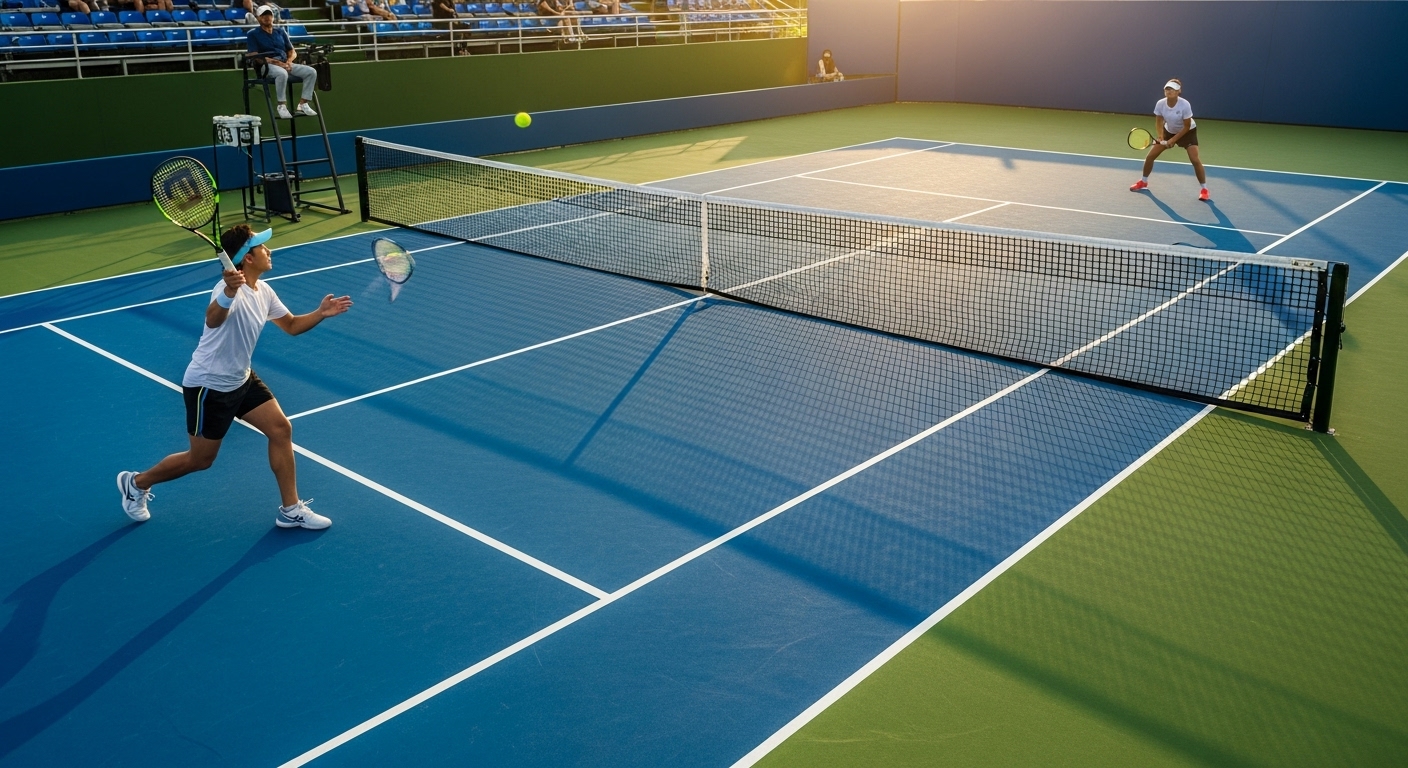
Tennis is a sport that combines precision, power, agility, and mental toughness. Whether you are a beginner hitting your first volleys or an advanced player refining your serve, learning from professional players can significantly improve your game. Tennis pros dedicate years to perfecting technique, fitness, and strategy, and their training routines offer valuable insights for players at all levels.
In this blog, we will explore essential tennis training tips from the pros, covering physical conditioning, technical skills, mental preparation, and strategic thinking. By incorporating these practices into your training regimen, you can enhance your performance, reduce injury risk, and gain a competitive edge on the court.
Physical Conditioning: The Foundation of Tennis
Physical fitness is the cornerstone of a successful tennis player. Pros spend countless hours building stamina, strength, and flexibility to withstand long matches and execute precise shots.
Agility and Footwork
Tennis requires rapid direction changes, sprints, and lateral movement. Professionals perform agility drills such as ladder exercises, cone drills, and side-to-side shuffles to improve speed and court coverage. Proper footwork ensures you reach the ball efficiently and maintain balance for accurate strokes.
Strength and Power
Upper body strength aids in powerful serves and groundstrokes, while lower body strength contributes to stability and explosive movement. Pros incorporate resistance training, weightlifting, and plyometric exercises to build functional strength that translates directly to their game.
Endurance and Stamina
Matches can last for hours, making cardiovascular fitness critical. Professional players run, cycle, and perform interval training to enhance stamina. Endurance training allows you to maintain high performance even in long, grueling matches.
Mastering Technique: Precision Over Power
Technical skill separates good players from great ones. Pros dedicate hours to perfecting the mechanics of each shot, ensuring consistency and precision.
Serve Perfection
The serve is one of the most important shots in tennis, often determining the flow of a match. Professionals focus on grip, stance, ball toss, and follow-through. Drills that emphasize placement, speed variation, and spin help develop a versatile serve capable of keeping opponents off balance.
Groundstrokes and Consistency
Forehands and backhands form the foundation of rally play. Pros emphasize proper foot positioning, rotation of the hips, and smooth follow-through. Repetition drills, shadow swings, and cross-court exercises improve accuracy, timing, and shot consistency.
Volleys and Net Play
Net play is essential for finishing points effectively. Professional players practice quick reactions, split-step timing, and controlled volleys. Drills against a partner or using a ball machine sharpen reflexes and hand-eye coordination at the net.
Specialty Shots
Drop shots, lobs, slices, and topspins add variety to your game. Pros practice these shots regularly to surprise opponents and gain tactical advantages during matches.
Mental Toughness: Winning the Mind Game
Tennis is as much a mental sport as a physical one. The ability to stay focused, handle pressure, and maintain confidence often determines the outcome of matches.
Concentration and Focus
Professional players train to block out distractions and maintain focus point by point. Techniques such as visualization, meditation, and pre-point routines help enhance concentration.
Handling Pressure
Tennis matches can swing with a single point. Pros develop strategies to stay calm under pressure, such as deep breathing, positive self-talk, and resetting between points. These mental habits prevent errors caused by stress and improve performance in crucial moments.
Goal Setting
Setting short-term and long-term goals helps maintain motivation and track progress. Professionals often focus on incremental improvements, such as improving first-serve accuracy or reducing unforced errors, which cumulatively enhance overall performance.
Tactical Awareness: Playing Smart Tennis
Skill and fitness are important, but understanding the tactical aspect of tennis sets pros apart. Reading the game, anticipating opponents’ moves, and exploiting weaknesses can turn matches in your favor.
Analyzing Opponents
Professional players study opponents’ strengths and weaknesses, observing patterns in shots, movement, and preferences. Knowing when to attack or defend helps develop match-winning strategies.
Court Positioning
Effective positioning reduces the distance you need to cover and maximizes shot options. Pros maintain an optimal stance, anticipate opponents’ shots, and move efficiently around the court to control rallies.
Shot Selection
Choosing the right shot at the right moment is critical. Pros vary shot type, placement, and pace to create openings, force errors, and dictate play. Practicing tactical shot selection improves decision-making under match conditions.
Adapting Mid-Match
Matches often require adjustments based on conditions, opponents’ form, or fatigue. Professionals analyze patterns during play and adapt tactics, demonstrating flexibility and strategic thinking.
Recovery and Injury Prevention
Training like a professional is not just about exertion; recovery and injury prevention are equally important. Tennis demands repetitive movements that can strain muscles and joints.
Stretching and Flexibility
Pros incorporate dynamic stretches before training and matches, and static stretches afterward. Flexibility reduces injury risk and enhances the range of motion for strokes and serves.
Nutrition and Hydration
Proper nutrition fuels performance and aids recovery. Pros focus on balanced diets rich in protein, carbohydrates, and healthy fats. Hydration before, during, and after training prevents fatigue and maintains focus.
Rest and Sleep
Adequate rest allows muscles to recover and prevents overtraining. Professionals prioritize sleep as an integral part of their training regimen, often including naps or relaxation sessions between practice sessions.
Physiotherapy and Monitoring
Regular physiotherapy, massage, and injury monitoring help identify potential problems early. Pros use these measures to maintain peak performance and prolong careers.
Practicing Like a Pro
Incorporating professional training habits into your routine can significantly improve your game.
Structured Practice
Pros follow structured practice sessions that balance technical drills, fitness, and match play. Replicating this structure ensures well-rounded development.
Consistency and Discipline
Consistency in training is key. Pros practice daily, focusing on both strengths and weaknesses. Developing a disciplined routine enhances skill retention and performance.
Match Simulation
Practicing under match-like conditions helps players apply techniques under pressure. Simulated games, practice matches, and competitive drills build resilience and strategic awareness.
Video Analysis
Many professionals use video to analyze strokes, movement, and opponent tendencies. Recording practice sessions and reviewing them can provide insights for improvement and correction of technical flaws.
Equipment and Technology
Modern tennis training involves using the right equipment and technology to gain an edge.
Racquet Selection
Choosing the correct racquet based on grip, weight, and balance can enhance control and power. Professionals experiment with equipment to match their playing style.
Ball Machines and Sensors
Ball machines allow repetitive practice for specific shots, while sensors and wearables track performance metrics such as swing speed, spin, and movement.
Court Surfaces
Training on different surfaces—hard, clay, grass—prepares players for the variety of conditions encountered in tournaments. Professionals adapt techniques to suit each surface type.
Motivation and Mindset
Tennis is a game of dedication and persistence. Learning from pros goes beyond technique; it’s about adopting the mindset that drives champions.
- Patience: Improvement takes time, and pros consistently work on small details.
- Resilience: Losses and mistakes are learning opportunities, not setbacks.
- Passion: Genuine love for the game fuels motivation through intense training and challenges.
- Adaptability: Being flexible in approach and strategy helps tackle new opponents and conditions effectively.
Conclusion: Elevate Your Game
Learning from professional tennis players provides a blueprint for improvement. By focusing on physical conditioning, mastering technique, developing mental toughness, applying tactical awareness, prioritizing recovery, and adopting a pro mindset, you can take your game to the next level.
Whether you aim to compete in tournaments or simply enjoy tennis at a higher level, incorporating these professional training tips ensures continuous growth, better performance, and more enjoyment on the court. Tennis is as much about dedication and strategy as it is about talent, and training like the pros will help you unlock your full potential.