

Introduction: The Multifaceted Influence of Sports
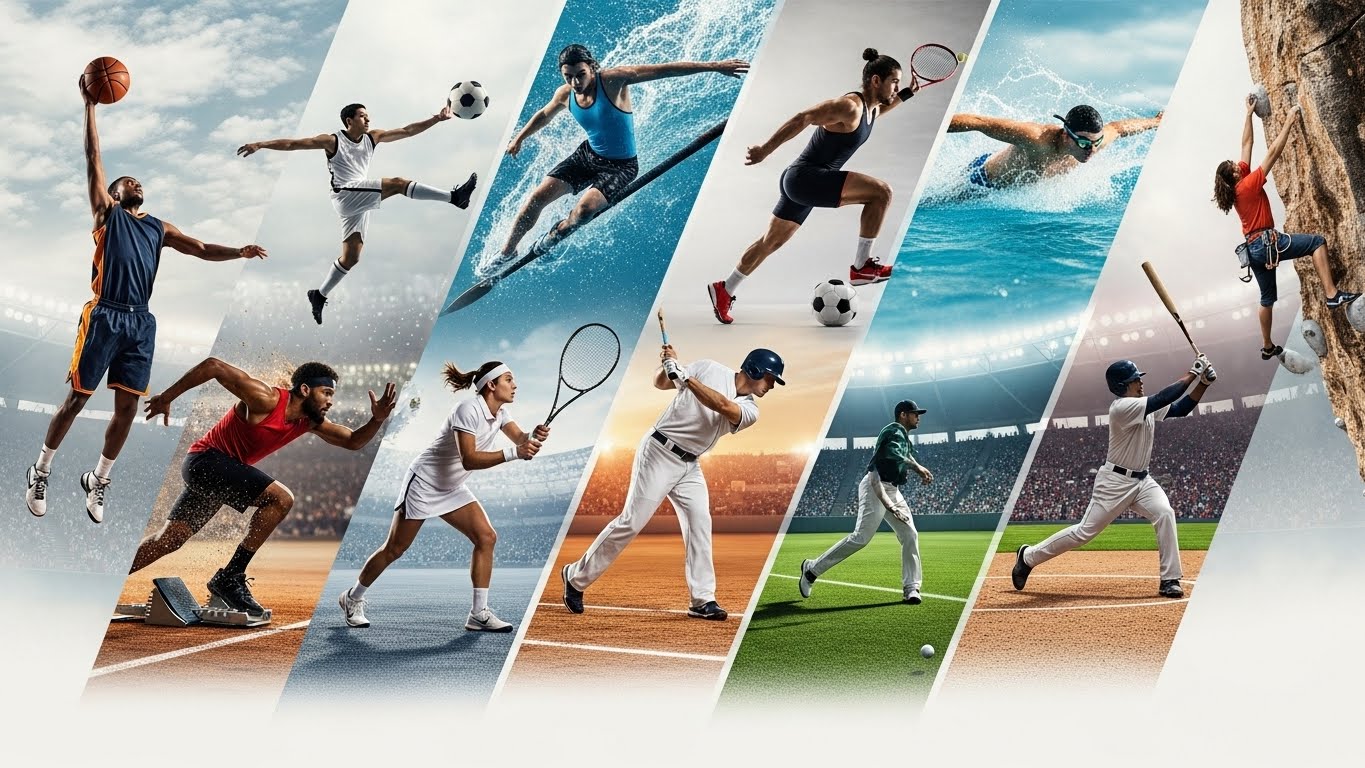
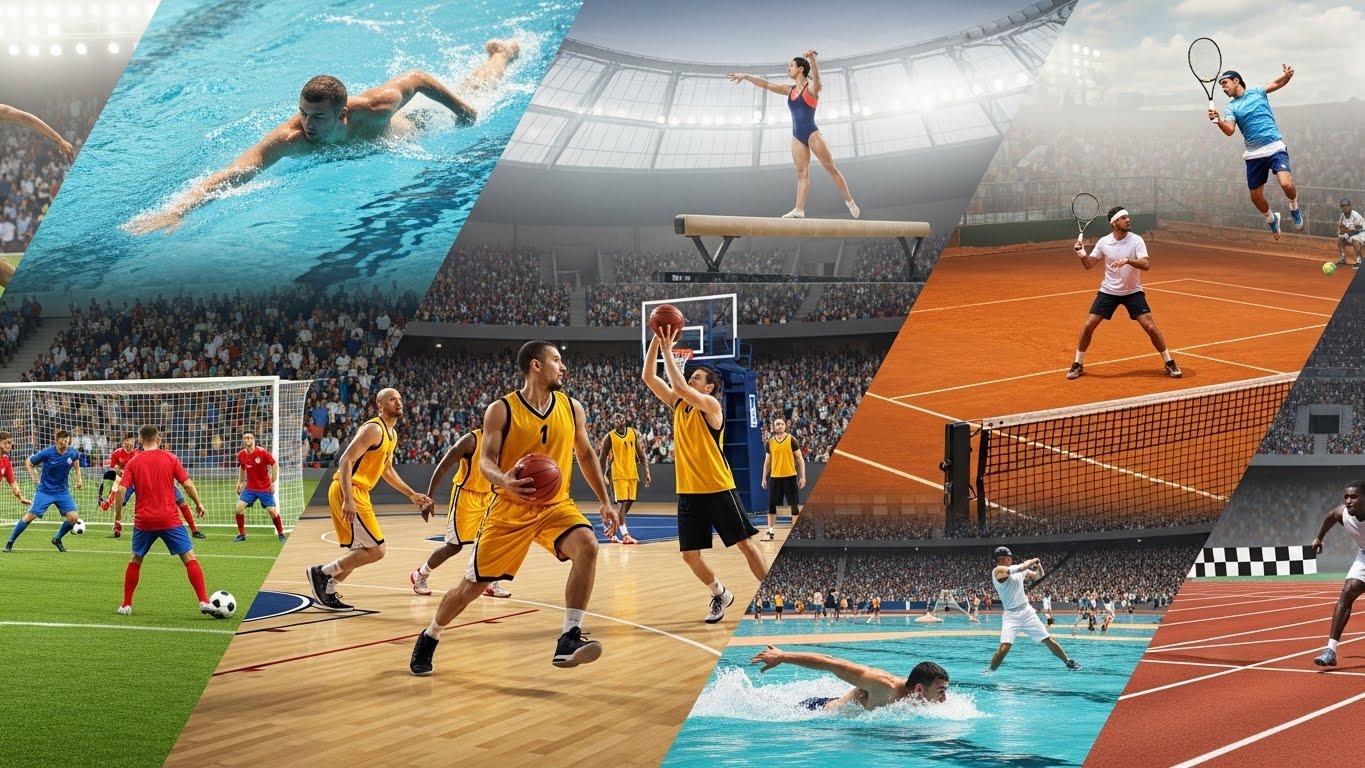
Sports are often seen as a mere form of entertainment or competition. People flock to stadiums or turn on their screens to witness the drama of a match. But what many may not realize is that sports are far more than just a game. They are a force that impacts individuals and communities in profound ways, influencing personal growth, societal change, and even mental health. From the first kick of a soccer ball to the final buzzer of a basketball game, sports shape who we are and how we interact with the world around us.
Sports as a Tool for Personal Growth
While many approach sports for the thrill of competition, the most lasting benefits often come from personal growth and development. Every match, every practice, and every challenge provides an opportunity to grow, not just physically, but mentally and emotionally as well.
For athletes, especially young ones, sports teach critical life skills that extend beyond the field or court. Discipline, focus, time management, and teamwork are just a few of the lessons that athletes learn along the way. These lessons help to mold individuals into well-rounded people, capable of facing life’s challenges with resilience and determination.
A child learning to bounce back after losing a match, for example, is not just learning how to play better next time; they’re learning how to persevere in the face of setbacks, a lesson that is invaluable throughout life. The sense of accomplishment gained from improving skills or achieving goals also boosts self-esteem and confidence, laying a strong foundation for success in other areas of life.
Fostering Connection Through Teamwork
One of the most powerful aspects of sports is its ability to foster a sense of community and connection. Team sports, in particular, bring people together, uniting individuals from different backgrounds and walks of life with a common goal. These shared experiences create strong bonds that go beyond the game itself.
Whether it’s a local soccer league or an international competition, the essence of sports is about collaboration and mutual support. Players rely on each other’s strengths and learn to work in harmony to achieve success. This cooperative mindset helps athletes to develop social skills, improve communication, and understand the importance of working towards collective goals.
Moreover, the camaraderie built through sports extends far beyond the team. Spectators, too, form a sense of community as they cheer for their teams, sharing in the highs and lows together. In cities around the world, sports provide a platform for people to come together, break down social barriers, and celebrate their collective identity.
The Positive Impact of Sports on Mental Health
In today’s fast-paced world, mental health has become a central topic of discussion. While the benefits of physical exercise are widely recognized, the mental health benefits of sports are often overlooked. Engaging in sports has a profound effect on reducing stress, anxiety, and depression, acting as a form of therapy that helps individuals manage emotional challenges.
Exercise triggers the release of endorphins, often referred to as the body’s “feel-good” hormones. This natural boost in mood can lift spirits and provide relief from daily pressures. For those struggling with anxiety or depression, physical activity in the form of sports can serve as a distraction, helping to clear the mind and focus on the present moment.
Furthermore, sports offer a sense of achievement that can significantly improve self-worth. Whether it’s mastering a new skill or accomplishing a personal goal, these victories—no matter how small—can provide a sense of purpose and fulfillment. Participating in sports also promotes better sleep, increases energy levels, and fosters a sense of routine, all of which contribute to improved mental well-being.
Sports as a Catalyst for Social Change
Beyond the individual and collective benefits, sports have long served as a platform for social change and advocacy. Athletes have used their fame and influence to speak out on issues ranging from racial inequality to gender rights, mental health awareness, and beyond.
The actions of high-profile athletes like Muhammad Ali, who stood against the Vietnam War, or Colin Kaepernick, who took a knee to protest police brutality, have sparked important societal conversations. Their courage to speak out and use sports as a vehicle for change has inspired countless others to take action, advocate for justice, and challenge societal norms.
Sports also provide opportunities for marginalized communities to find a voice and make a mark on the world stage. Events like the Paralympic Games highlight the capabilities of athletes with disabilities, proving that perseverance and determination know no physical limits. Women’s sports have also garnered increased attention in recent years, with athletes like Serena Williams and Megan Rapinoe advocating for gender equality in both sports and society.
The Lifelong Benefits of Staying Active
The impact of sports isn’t confined to childhood or the professional arena. In fact, the benefits of physical activity can last a lifetime. As individuals age, staying involved in sports or physical activities remains one of the best ways to maintain both physical and mental health.
For older adults, engaging in sports—whether it’s a light jog, yoga, or recreational swimming—can help preserve mobility, improve cardiovascular health, and reduce the risk of chronic conditions like arthritis or heart disease. Regular physical activity also helps in maintaining cognitive function and can even delay the onset of mental health issues, such as dementia or Alzheimer’s disease.
Moreover, sports provide an ongoing social outlet that is vital for emotional well-being. Especially for older adults who may experience isolation, being part of a sports team or community group offers both physical activity and meaningful social connections. These bonds help to combat loneliness and foster a sense of belonging.
Conclusion: The Enduring Power of Sports
Sports are far more than just games played for enjoyment. They are a tool for personal development, a source of mental and emotional well-being, a platform for social change, and a lifelong pathway to better health. Whether we are players, coaches, or fans, the lessons we learn through sports are invaluable, shaping not only our individual lives but the world around us.
As society continues to evolve, the role of sports remains indispensable. They not only serve as entertainment or competition but as a unifying force, teaching us important lessons about perseverance, teamwork, and social responsibility. Sports give us the tools to become better versions of ourselves, and, in doing so, make the world a better place for all. So next time you lace up your shoes or take a seat in the stands, remember—sports are much more than just a game. They are a force that can change lives.