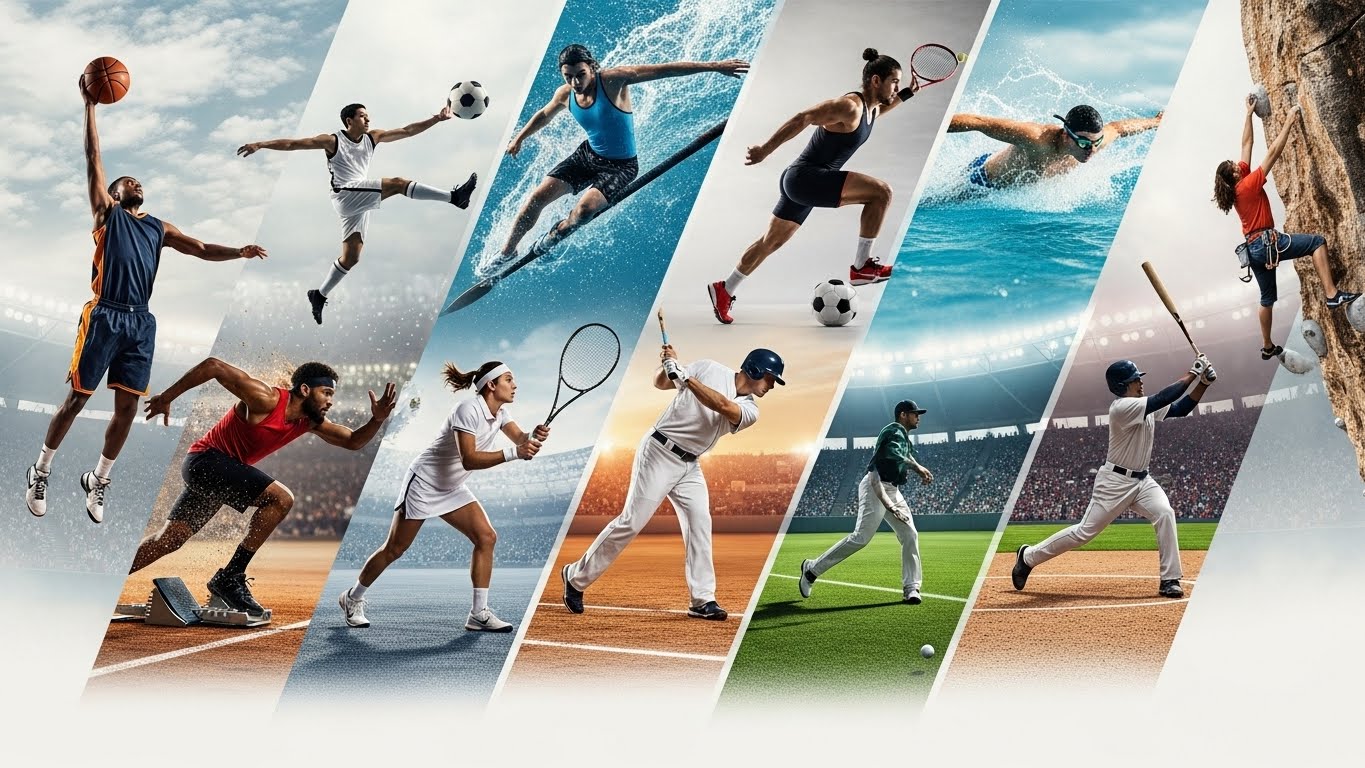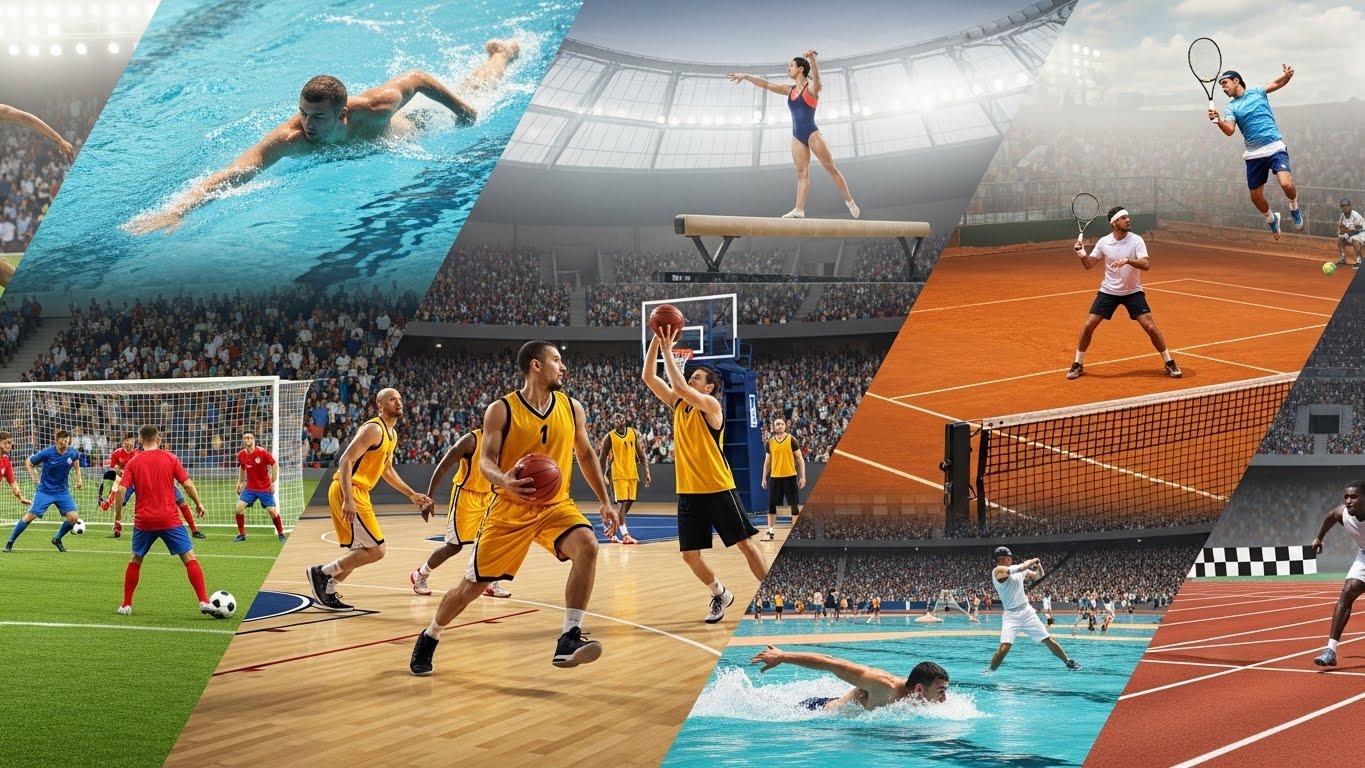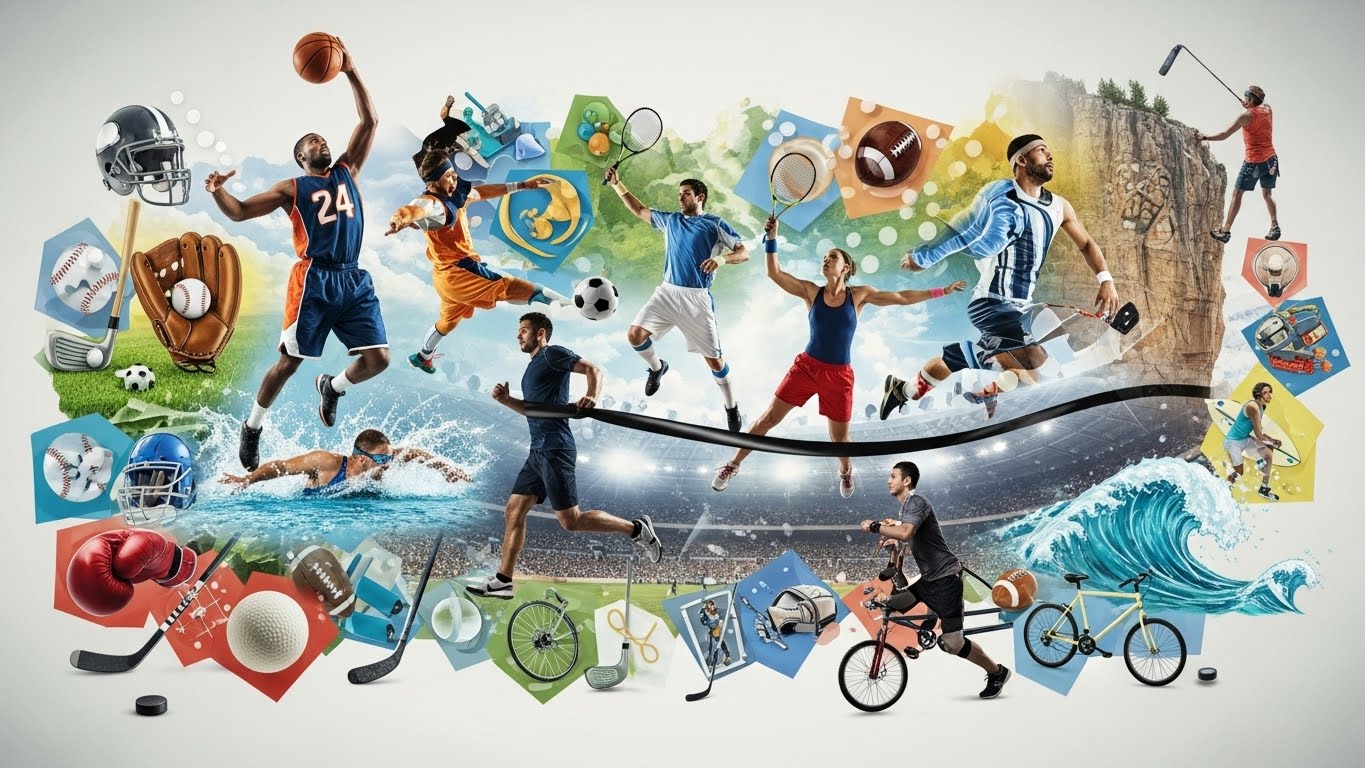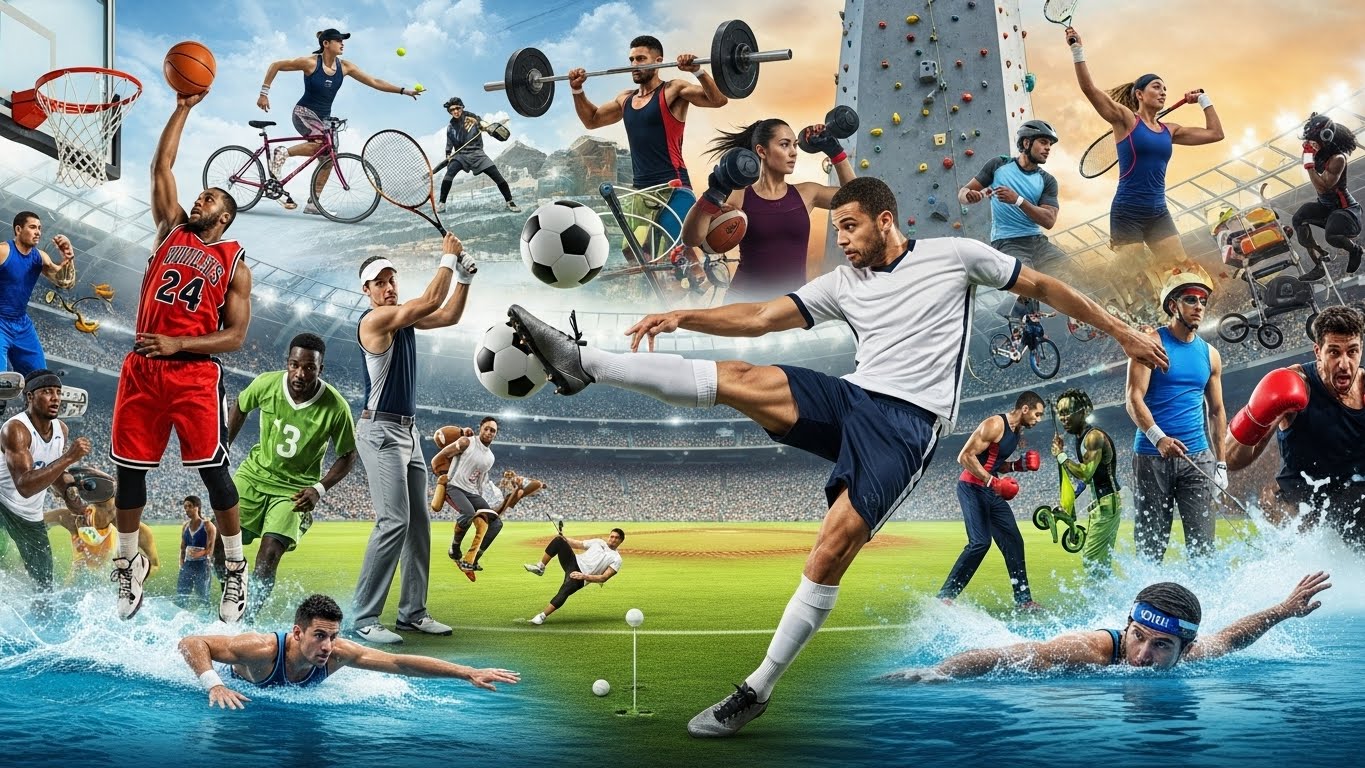

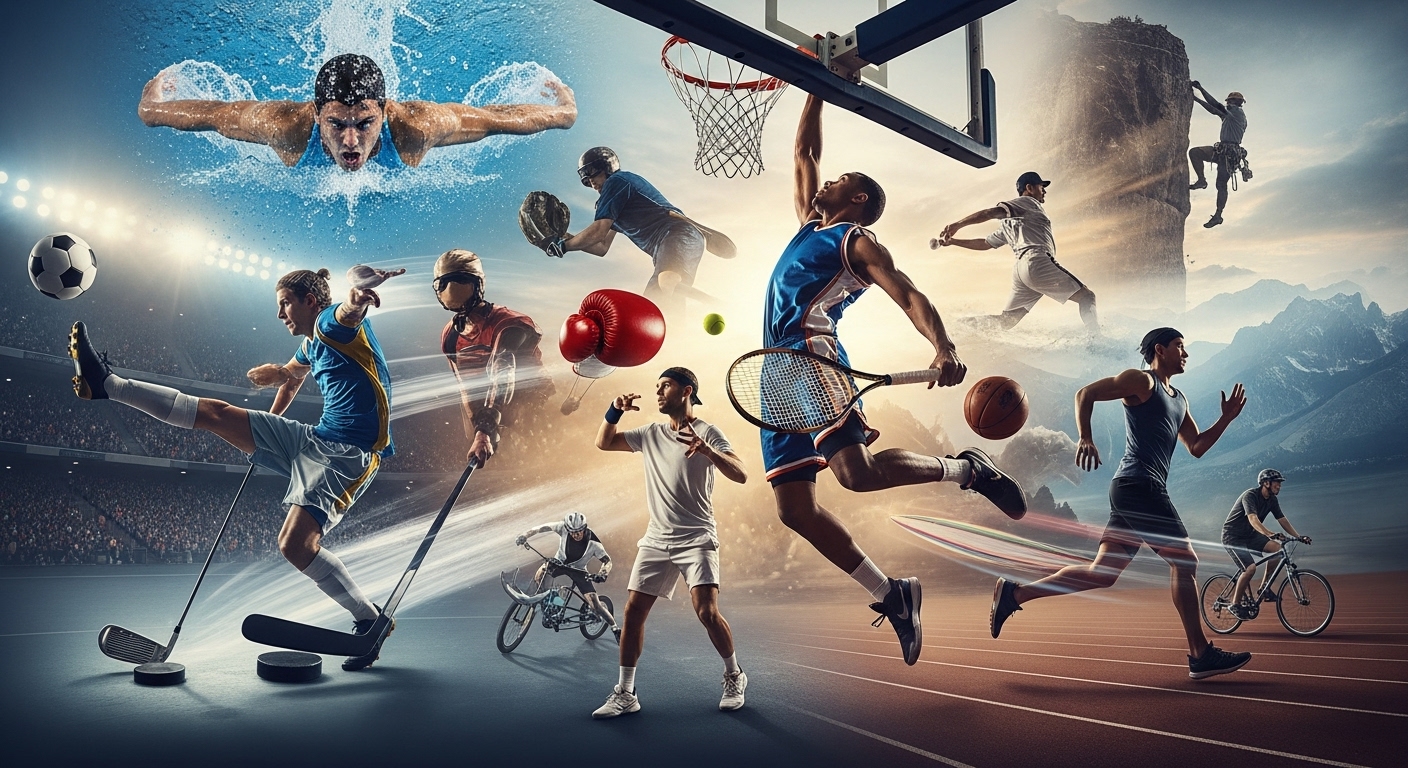
Sports are woven into the very fabric of our lives, connecting us to something larger than ourselves. They hold a unique power to transcend boundaries, evoke deep emotions, and create lasting memories. Whether played on a dirt field, in a state-of-the-art arena, or watched from the comfort of our homes, sports offer something universal—an escape, a challenge, and a collective experience. In this blog post, we explore the deeper significance of sports, the lessons they teach, and the lasting influence they have on individuals and society as a whole.
The Universal Appeal of Sports
There’s something profoundly captivating about the way sports bring people together. No matter where you are in the world, sports have a unique ability to connect individuals, regardless of language, culture, or background. Whether it’s soccer in Brazil, cricket in India, or basketball in the United States, the language of sport is universally understood.
This universal appeal speaks to a deeper part of our human nature—a desire to compete, to be challenged, and to share experiences with others. Sports tap into basic instincts like teamwork, strategy, and perseverance, making them accessible to people from all walks of life. No matter the game, sports have the power to unite individuals, communities, and even nations in moments of shared joy or collective disappointment.
The Cultural Role of Sports
Sports often reflect the cultures in which they are played, serving as a mirror to societal values, priorities, and traditions. Take soccer, for example—its worldwide popularity isn’t just about the game itself, but about what it represents: national pride, unity, and passion. From the streets of Buenos Aires to the parks of Paris, soccer is more than a sport; it’s a cultural institution that brings people together in moments of national celebration and grief.
Every culture has its own relationship with sports, influenced by history, geography, and social values. In the United States, American football is emblematic of a culture that values strategy, teamwork, and physicality. In Japan, sumo wrestling reflects respect for tradition, discipline, and honor. These sports aren’t just games; they’re part of the cultural identity of the people who play and follow them.
The Life Lessons Sports Teach
One of the most valuable aspects of sports is their ability to teach important life lessons. From the first time we kick a ball to the moment we step onto a competitive field, sports have a way of instilling core values like discipline, resilience, and teamwork.
In many ways, sports act as a microcosm for life itself. Athletes must learn how to deal with victory and defeat, how to maintain focus under pressure, and how to overcome obstacles both physical and mental. The discipline required to train for a sport is often transferable to other areas of life, teaching people how to set goals, stay consistent, and deal with setbacks.
Team sports, in particular, emphasize collaboration, communication, and leadership. They teach individuals that success isn’t just about personal achievement, but about working with others toward a common goal. In this way, sports help shape not just skilled athletes, but well-rounded individuals capable of navigating the complexities of life.
Sports as a Tool for Social Change
Throughout history, sports have played a significant role in social change, often serving as a platform for challenging the status quo. Athletes, with their visibility and influence, have been at the forefront of movements advocating for racial equality, gender rights, and other social causes.
A perfect example of this is the legacy of athletes like Muhammad Ali, Jackie Robinson, and Billie Jean King, who used their platform to fight against injustice. These athletes understood the power of sports as a tool for social change and used their visibility to advocate for equal rights and opportunities.
More recently, the rise of athletes like Colin Kaepernick, who took a knee during the national anthem to protest racial inequality, shows that sports remain a powerful vehicle for political and social expression. In this way, sports do more than entertain—they challenge societal norms, ignite important conversations, and encourage progress.
The Health Benefits of Sports
It’s no secret that physical activity is good for the body, but sports take it to the next level. Participating in sports promotes cardiovascular health, builds muscle strength, and improves coordination. Whether you’re playing tennis, running, or swimming, the physical benefits are immense.
For young people, sports contribute to healthy growth and development, helping build strong bones, muscles, and joints. In adults, regular participation in sports helps maintain a healthy weight, reduces the risk of chronic diseases like diabetes, and improves mental well-being. Sports also serve as a powerful tool for stress relief, providing an outlet for frustration and anxiety.
Beyond the body, sports have profound effects on the mind. They promote better cognitive function, improve concentration, and enhance emotional resilience. The mental challenge of pushing past physical limits teaches individuals how to manage stress, stay focused, and maintain a positive outlook.
The Economic Impact of Sports
Sports have become a multi-billion-dollar industry that drives economies in many countries. From ticket sales and merchandise to sponsorships and broadcasting rights, sports create a significant economic impact. Major sporting events like the Super Bowl, the Olympics, and the FIFA World Cup generate revenue for cities and countries, creating jobs and boosting tourism.
Beyond the professional leagues, sports also have a profound local economic impact. Youth sports leagues, recreational centers, and community events provide job opportunities, promote local businesses, and contribute to the overall economy. Sports infrastructure—such as stadiums, training facilities, and sports academies—drives investment and helps revitalize communities.
Additionally, sports have a powerful advertising presence, with brands using athletes as influencers to reach a global audience. The commercial side of sports has created an ecosystem that spans media, merchandise, and global marketing campaigns.
The Future of Sports: Innovation and Inclusion
The future of sports is incredibly exciting, with innovation driving change in both how the games are played and how they are experienced. Technology is revolutionizing sports training, performance analysis, and fan engagement. Virtual reality (VR) and augmented reality (AR) are being used to enhance training, offering athletes real-time feedback and simulating game scenarios.
eSports, a rapidly growing industry, is bridging the gap between traditional sports and digital entertainment, offering new avenues for competition and spectator involvement. Online gaming tournaments now attract millions of viewers and competitors, blurring the lines between sports and technology.
Inclusion is also an important factor in the future of sports. There is a growing movement to ensure that sports are accessible to people of all genders, races, abilities, and backgrounds. Women’s sports, in particular, are gaining more recognition and support, while adaptive sports for athletes with disabilities are increasingly celebrated.
Conclusion: Sports as a Reflection of Us
Sports have always been more than just games; they are a reflection of our society, our values, and our shared humanity. They teach us lessons about perseverance, unity, and personal growth. They unite us across cultures, break down barriers, and challenge us to be better, both as individuals and as communities.
Whether we are playing them or watching them, sports have an undeniable power to shape our lives. They remind us of our potential, our strength, and our capacity to overcome obstacles. In a world often divided by differences, sports offer a universal language that speaks to the heart of who we are as people.