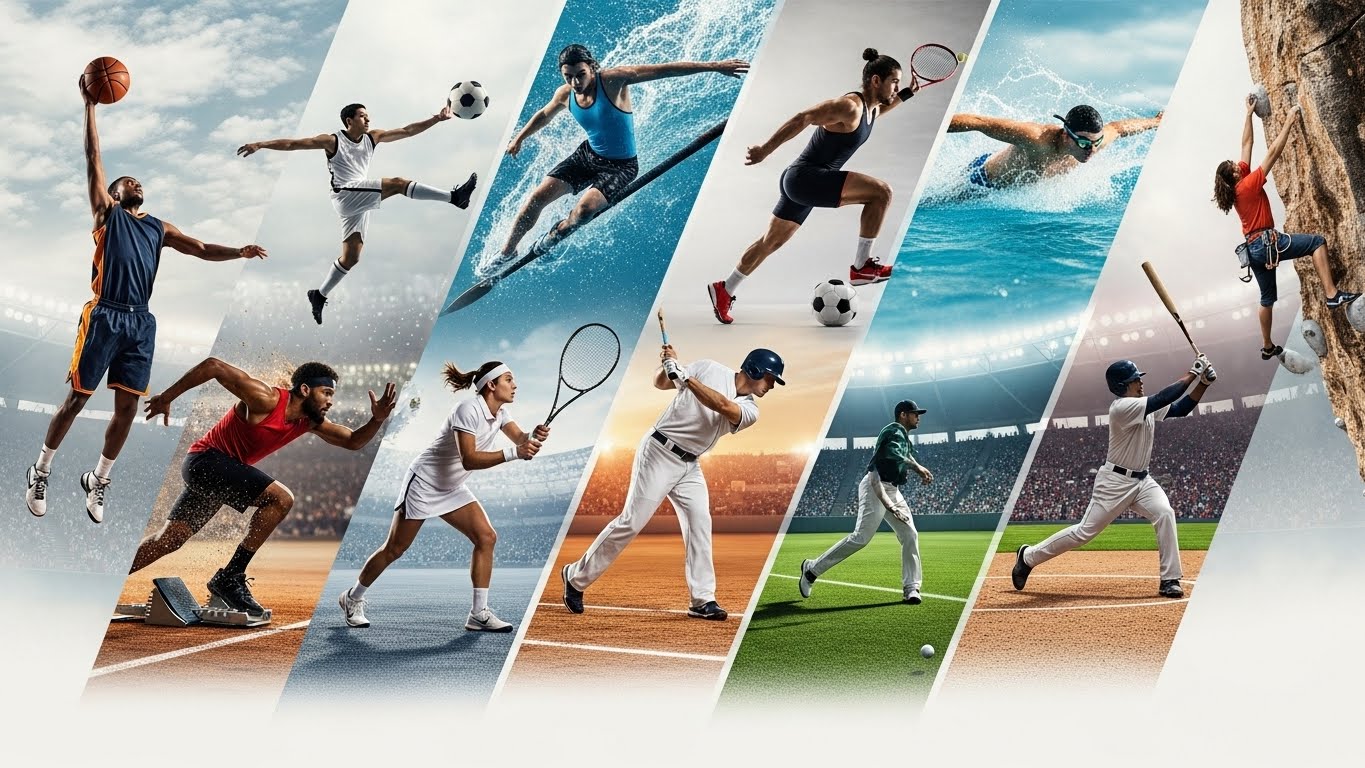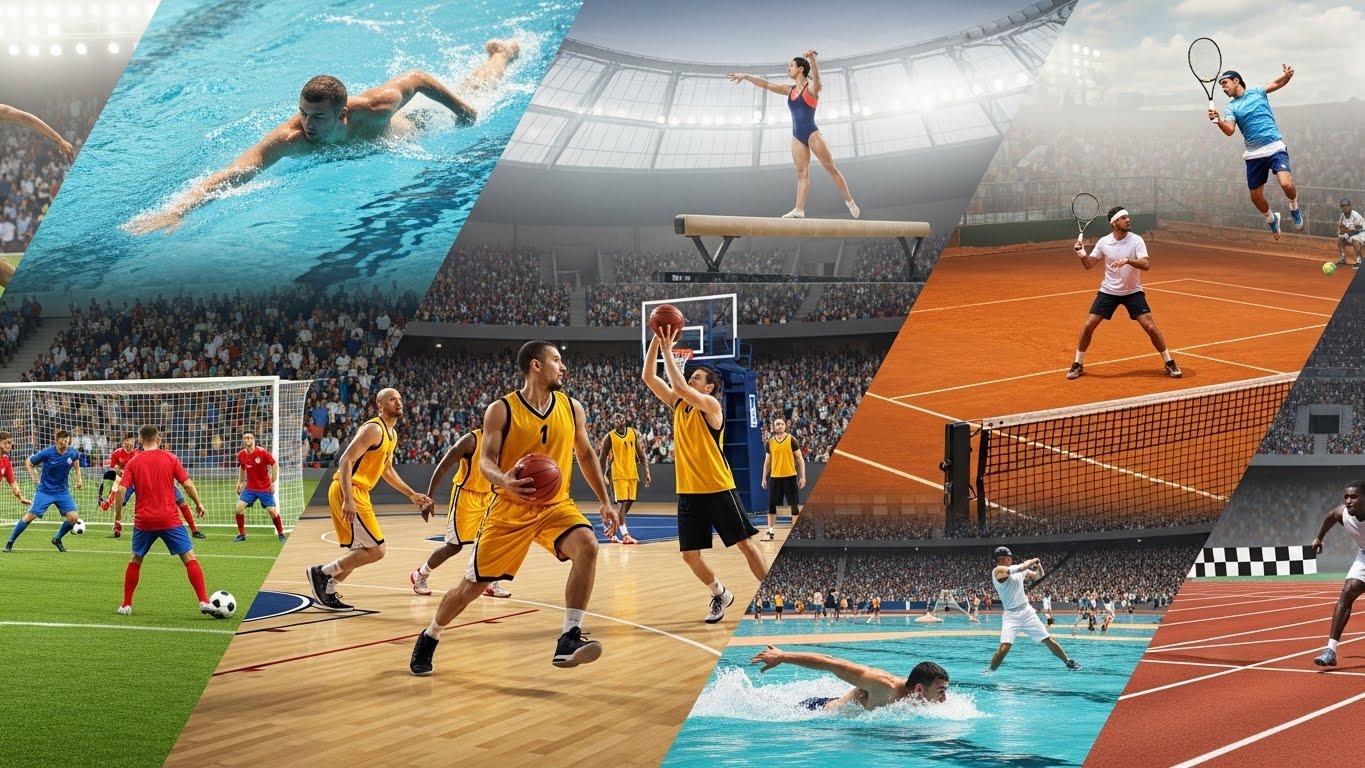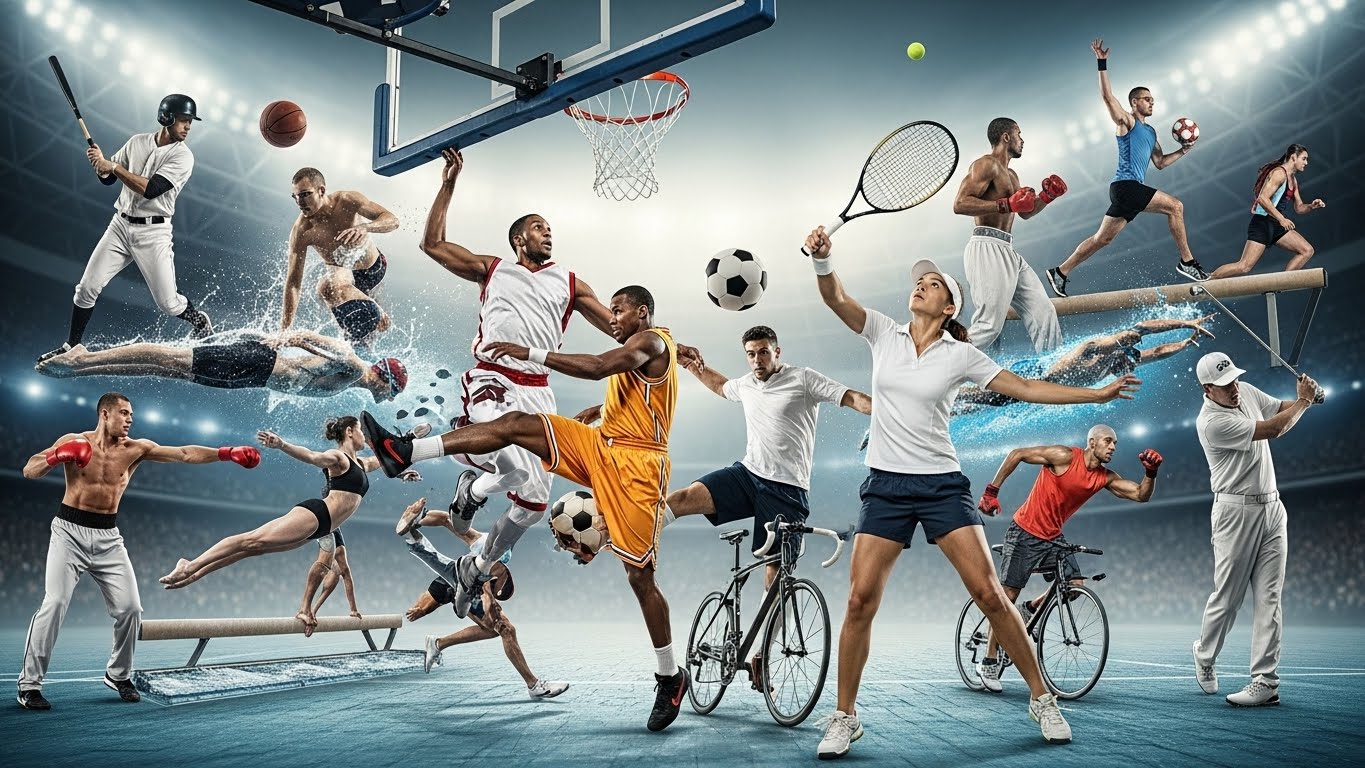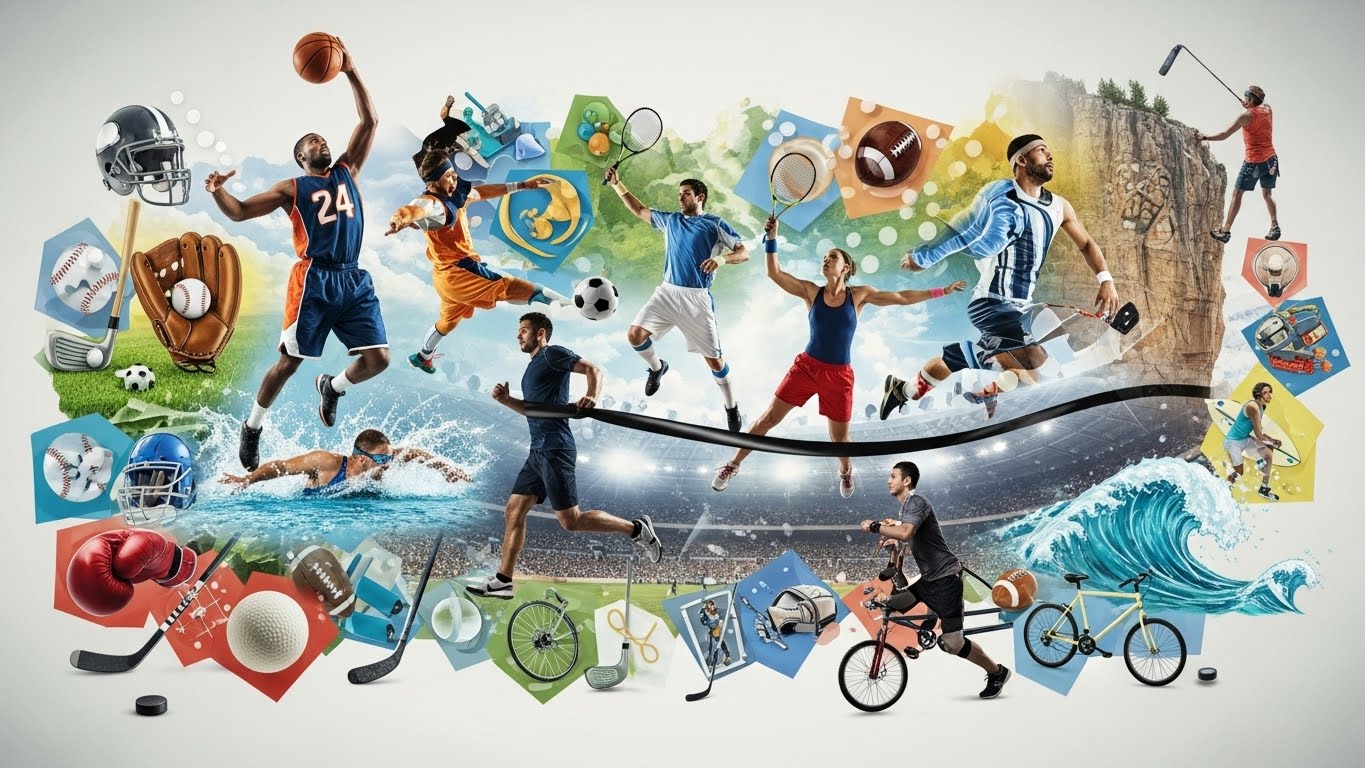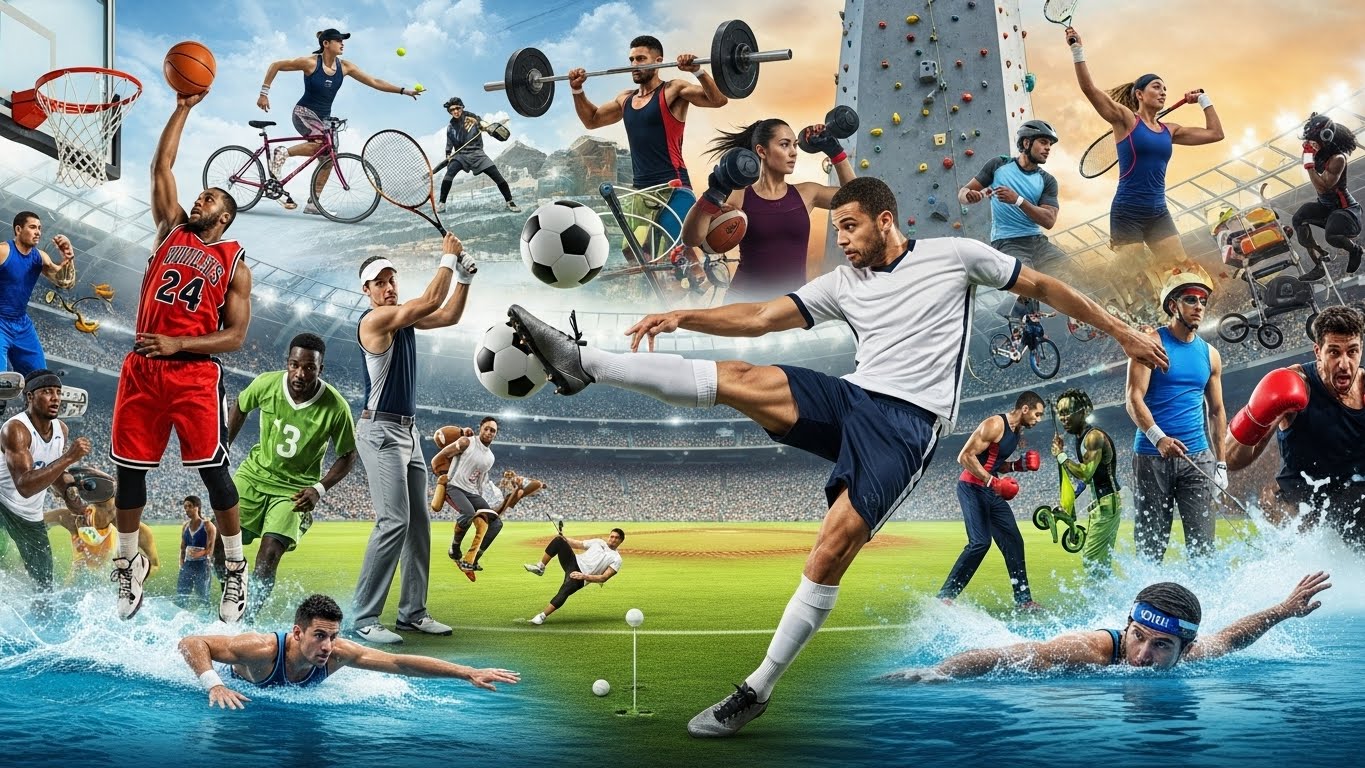

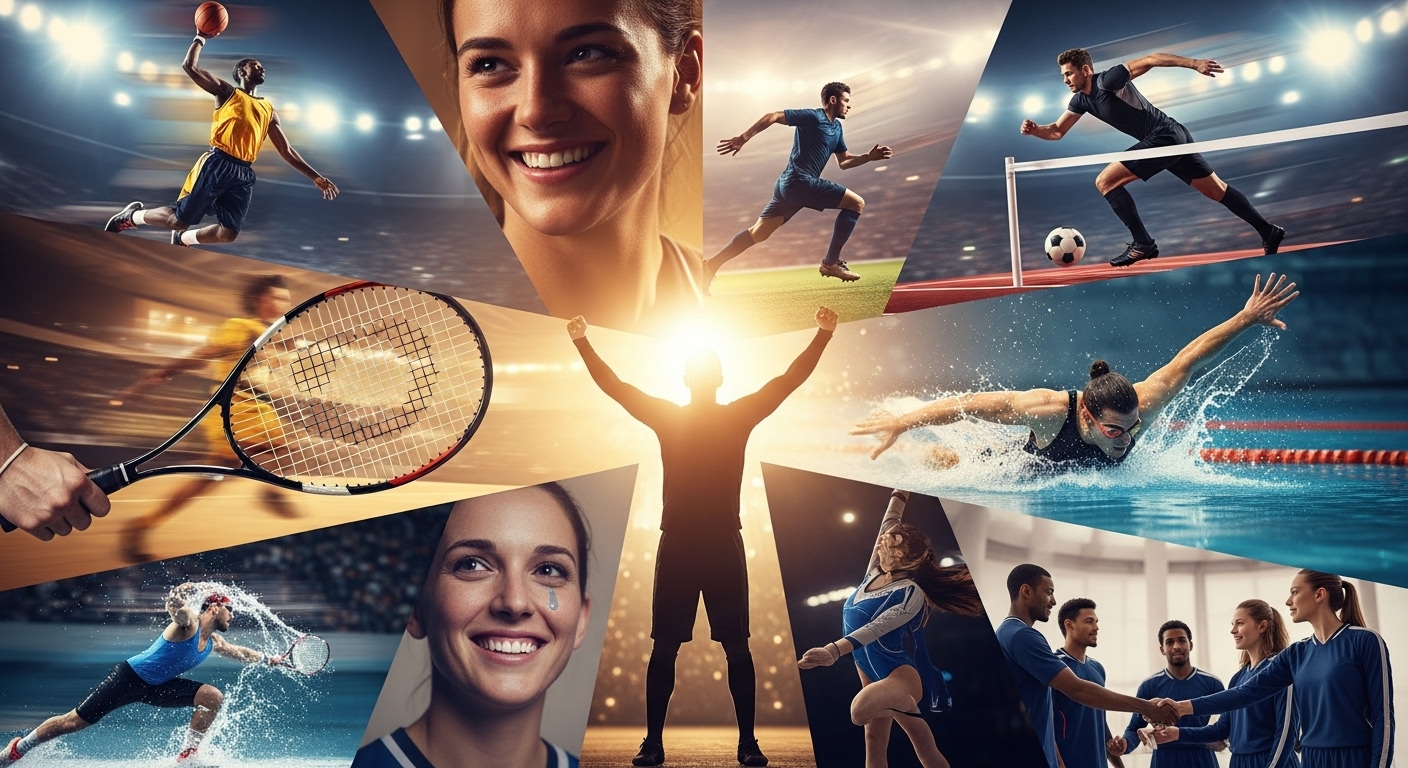
Sports have always held a unique position in human culture, bridging gaps between nations, generations, and communities. They are more than just games played on fields or courts; they are a testament to human resilience, skill, and passion. From the roar of stadiums to the quiet intensity of individual practice, sports shape identities, inspire greatness, and foster unity across the globe.
The Evolution of Sports Through History
Sports have been an integral part of human civilization for thousands of years. Ancient civilizations such as the Greeks, Romans, and Egyptians celebrated physical prowess, hosting events that tested strength, agility, and endurance. The Olympic Games, originating in ancient Greece in 776 BC, symbolize humanity’s long-standing love for competition and excellence. Over time, sports evolved, reflecting societal changes, technological advancements, and cultural preferences.
Medieval Europe saw the rise of jousting tournaments and archery competitions, while Asia cultivated martial arts traditions like kung fu, judo, and karate. Each sport carried cultural significance, embodying values such as honor, discipline, and perseverance. The modern era has expanded this legacy, transforming local games into global spectacles watched by millions.
The Power of Team Sports
Team sports are a unique blend of individual talent and collective strategy. Games like football, basketball, cricket, and rugby demand coordination, communication, and mutual trust. Each player contributes to a larger vision, and victories are shared, reinforcing a sense of community and belonging.
Football, known as soccer in some parts of the world, is perhaps the most globally celebrated team sport. The beauty of the game lies in its simplicity and universality. From dusty streets in Africa to state-of-the-art stadiums in Europe, football connects people through a shared love for the game. The FIFA World Cup, held every four years, epitomizes this global unity, attracting billions of viewers and celebrating cultural diversity through sport.
Basketball, invented in 1891 by Dr. James Naismith, emphasizes speed, precision, and agility. The NBA has transformed basketball into a cultural phenomenon, where players are not only athletes but also global icons. Team dynamics in basketball highlight the importance of strategy, positioning, and selflessness, creating moments of unparalleled excitement.
Individual Sports and Personal Achievement
While team sports celebrate collaboration, individual sports focus on personal skill, discipline, and mental fortitude. Athletes in tennis, swimming, athletics, and gymnastics push the boundaries of human capability, often competing against not only opponents but also their own limitations.
Tennis is a sport where endurance meets technique. Legends like Serena Williams, Roger Federer, and Rafael Nadal have demonstrated that success requires more than physical talent; it demands mental resilience, strategic thinking, and emotional control. Similarly, athletics showcases the raw power of human potential. Sprinters, marathon runners, and jumpers dedicate years to honing their abilities, aiming to achieve feats that inspire millions.
Swimming is another demanding individual sport, blending strength, technique, and stamina. Iconic swimmers like Michael Phelps and Katie Ledecky have shattered records, pushing the boundaries of human achievement while highlighting the importance of dedication and rigorous training.
The Role of Sports in Physical and Mental Health
Participation in sports has profound benefits for both physical and mental health. Regular physical activity improves cardiovascular health, strengthens muscles and bones, and boosts flexibility. Beyond physical fitness, sports promote mental well-being by reducing stress, enhancing focus, and fostering a sense of accomplishment.
Team sports also teach valuable life skills such as leadership, cooperation, and conflict resolution. Athletes learn to handle success and failure with grace, building resilience that extends beyond the playing field. Sports can serve as a coping mechanism, providing an outlet for emotions and a source of confidence for individuals of all ages.
The Economic Impact of Sports
Sports are not just a form of entertainment; they are a significant economic force. Major sporting events generate billions of dollars through ticket sales, sponsorships, broadcasting rights, and merchandising. Cities invest in stadiums and infrastructure to host international competitions, creating jobs and boosting tourism.
Professional athletes, coaches, and support staff contribute to a thriving industry that spans continents. Beyond the financial aspect, sports drive innovation in technology, medicine, and media, as organizations seek to enhance performance, safety, and fan experience. Esports, a modern offshoot, has created a digital economy where gaming tournaments attract global audiences and lucrative sponsorships.
Sports as a Cultural Phenomenon
Sports transcend borders and unite people through shared passion. National pride often finds expression in sporting events, where athletes represent their countries on international stages. Iconic moments, such as Jesse Owens winning four gold medals at the 1936 Olympics or Usain Bolt breaking world records, resonate far beyond the arena, shaping cultural narratives and inspiring generations.
Local traditions also influence sports culture. In India, cricket is more than a game; it is a national obsession that brings people together across regions and communities. In Japan, sumo wrestling embodies centuries of ritual and tradition, while Brazilian football is intertwined with music, dance, and social identity. Sports become a lens through which societies celebrate heritage, values, and collective spirit.
Women in Sports: Breaking Barriers
The role of women in sports has evolved significantly over the last century. Once restricted by societal norms, women now excel in every discipline, challenging stereotypes and inspiring change. Trailblazers like Billie Jean King, Mia Hamm, Serena Williams, and Simone Biles have not only achieved athletic excellence but have also advocated for gender equality and fair representation.
Women’s sports continue to gain recognition, with increasing media coverage, sponsorship, and professional opportunities. Female athletes are celebrated not just for their victories but for their perseverance, leadership, and impact on society. This transformation highlights the power of sports as a platform for social progress.
Sportsmanship and Ethics
Sportsmanship is the essence of ethical conduct in sports. It emphasizes respect, fairness, and integrity, reminding athletes and fans that how the game is played matters as much as the outcome. True sportsmanship fosters camaraderie among competitors and admiration from spectators, creating an environment where values transcend competition.
Ethical challenges, such as doping, match-fixing, and corruption, threaten the integrity of sports. Governing bodies continuously strive to enforce regulations and promote transparency, ensuring that athletic achievements remain genuine and honorable. Upholding ethical standards strengthens the credibility and emotional impact of sports on society.
Technological Advancements in Sports
Technology has revolutionized sports in the modern era. From video assistant referees in football to wearable devices that monitor athletes’ performance, innovation enhances both fairness and performance. Advanced analytics help coaches devise strategies, while biomechanics studies optimize training and prevent injuries.
Virtual reality and augmented reality have also transformed fan engagement. Spectators can experience games from multiple perspectives, while athletes can simulate challenging scenarios for training. Technology bridges the gap between athletes and audiences, making sports more accessible, immersive, and interactive.
The Globalization of Sports
Sports are a universal language, transcending geographic, linguistic, and cultural boundaries. Globalization has enabled competitions such as the Olympics, World Cup, and international leagues, bringing diverse communities together. Athletes frequently play abroad, exchanging knowledge, skills, and cultural insights, enriching both their personal growth and the sports themselves.
Social media platforms amplify the reach of sports, allowing fans worldwide to follow games, celebrate moments, and interact with athletes. This interconnectedness fosters a sense of global community, where achievements are shared and admired across borders.
The Future of Sports
The future of sports is shaped by innovation, inclusivity, and sustainability. Emerging disciplines like esports, adventure sports, and adaptive sports for differently-abled individuals are expanding the definition of athletic competition. Organizations are increasingly focusing on eco-friendly practices, ensuring that sporting events leave a positive impact on the environment.
As technology continues to advance, athletes will push human limits further, and fans will experience unprecedented levels of engagement. Sports will remain a powerful platform for inspiration, education, and social change, reflecting humanity’s enduring fascination with physical excellence and competition.
Conclusion: The Enduring Legacy of Sports
Sports are far more than physical contests; they are a reflection of human ambition, creativity, and resilience. They inspire passion, teach life lessons, and connect people across cultures and generations. Whether through the thrill of a last-minute goal, the precision of a gymnast’s routine, or the unwavering determination of an athlete chasing a personal best, sports capture the essence of human potential.
In celebrating sports, we celebrate more than victories and records. We celebrate dedication, perseverance, and the joy of participation. Sports remind us that every individual has the capacity for greatness, and that through discipline, teamwork, and courage, we can achieve remarkable things. The world of sports continues to evolve, but its core message remains timeless: through effort, passion, and integrity, humanity can reach extraordinary heights.