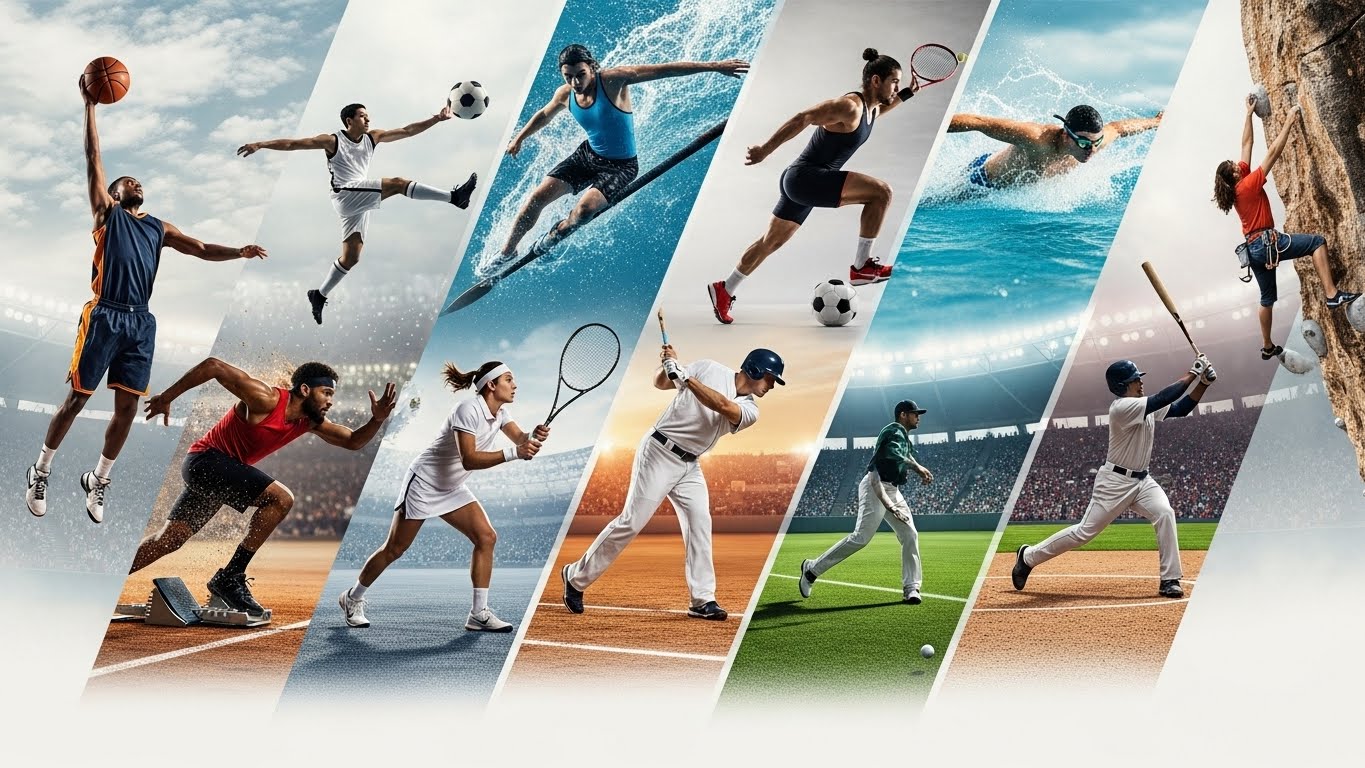

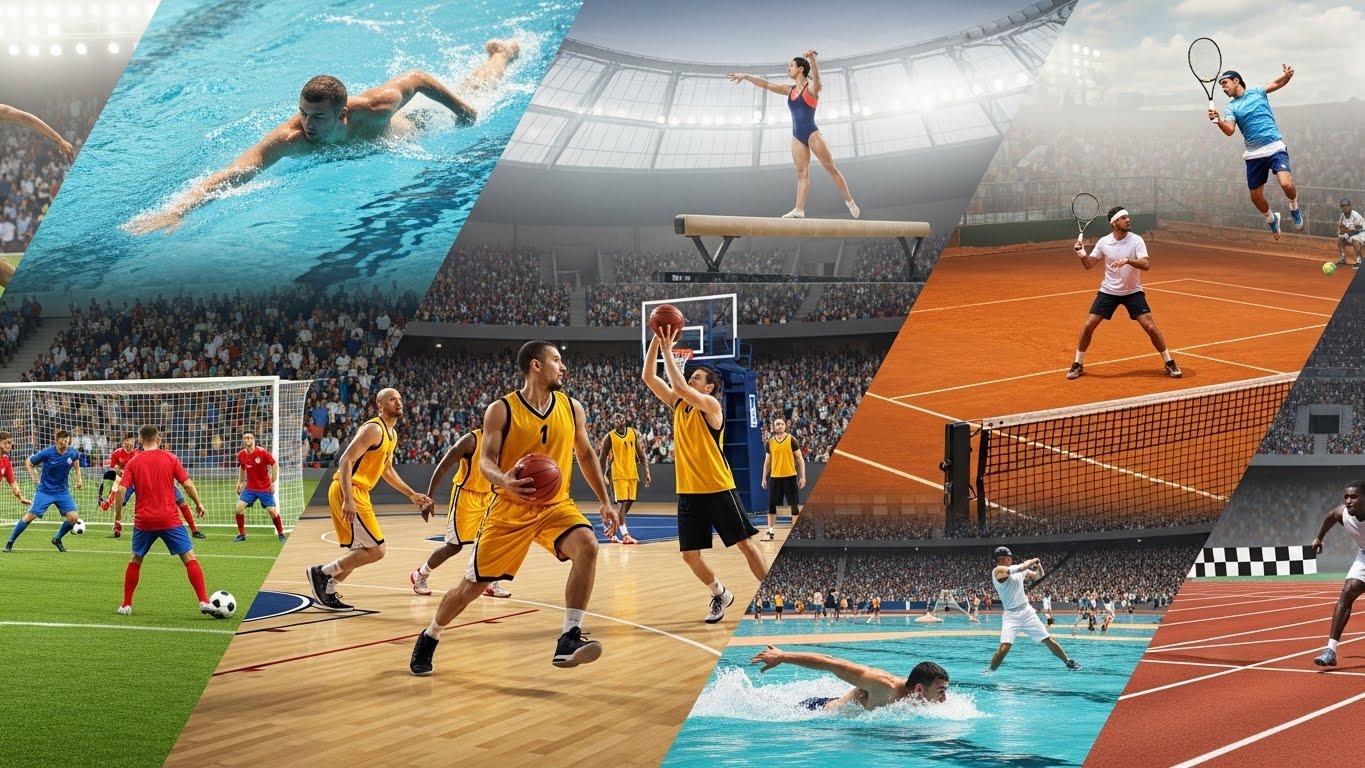
Sports have always been more than a form of entertainment. From ancient civilizations to modern-day international competitions, sports play a crucial role in shaping cultures, communities, and individual lives. They foster physical fitness, mental resilience, teamwork, and social cohesion. In this blog, we will explore the multifaceted impact of sports, examining how they influence personal development, society, culture, and even the economy.
The Historical Significance of Sports
Sports have a long history that reflects human society’s evolution. Ancient civilizations, including the Greeks, Romans, and Egyptians, organized competitive games to showcase physical prowess, celebrate culture, and strengthen community ties. The Olympic Games, originating in Greece over two thousand years ago, symbolized unity, excellence, and fair competition—values that continue to define sports today.
Throughout history, sports have been a vehicle for social change and cultural expression. They have bridged political divides, fostered national pride, and provided opportunities for marginalized groups to achieve recognition. The evolution of sports from recreational activity to organized competition highlights their enduring significance in human life.
Physical Benefits of Sports
One of the most immediate benefits of sports is its contribution to physical health. Regular physical activity strengthens muscles, improves cardiovascular health, enhances flexibility, and increases stamina. Whether it’s swimming, football, running, or yoga, sports help maintain a healthy body and prevent chronic diseases such as obesity, diabetes, and heart problems.
For children and adolescents, sports promote healthy growth and development, ensuring proper bone density, muscle strength, and coordination. Adults benefit from sports as a way to counter sedentary lifestyles, manage weight, and maintain mobility. Beyond physical fitness, sports instill habits that encourage a lifelong commitment to health and wellness.
Mental Health and Cognitive Benefits
Sports also have profound effects on mental health. Engaging in physical activity stimulates the release of endorphins, chemicals in the brain that improve mood, reduce stress, and combat anxiety and depression. Regular participation in sports contributes to emotional stability, resilience, and overall mental well-being.
Cognitive benefits are equally significant. Sports often require strategic thinking, concentration, and decision-making under pressure. Games like chess, basketball, and tennis demand mental agility in addition to physical skill. Young athletes develop problem-solving abilities, focus, and discipline—skills that carry over into academics, careers, and everyday life.
Discipline and Personal Growth
One of the key lessons sports teach is discipline. Consistent practice, adherence to rules, and striving for improvement require commitment and perseverance. Athletes learn to set goals, manage time effectively, and maintain focus despite challenges.
Sports also teach resilience in the face of failure. Losing a match or underperforming in training provides a safe environment to experience setbacks, learn from mistakes, and bounce back stronger. These experiences build character, self-confidence, and a growth mindset, preparing individuals for the challenges of life beyond the playing field.
Teamwork and Social Skills
Team sports, in particular, highlight the importance of collaboration. Football, basketball, volleyball, and other team games require communication, coordination, and mutual trust among players. Success depends on understanding each teammate’s strengths and weaknesses and working together toward a common goal.
Even in individual sports, social interactions with coaches, competitors, and support staff foster interpersonal skills, empathy, and community engagement. The teamwork and leadership skills gained through sports are transferable to professional settings, family life, and community involvement.
Sports as a Cultural Phenomenon
Sports are deeply embedded in culture and identity. National leagues, local tournaments, and international competitions foster a sense of belonging and pride. Major events like the FIFA World Cup, the Olympics, and the Super Bowl capture global attention, uniting fans across borders.
Different countries have unique sporting traditions that reflect their history and values. Cricket in India, basketball in the United States, and sumo wrestling in Japan illustrate how sports shape cultural identity. Beyond national pride, sports also serve as a platform for social issues, including gender equality, racial justice, and environmental awareness.
Economic Impact of Sports
The economic impact of sports is substantial. From professional leagues to local clubs, sports generate employment, tourism, and commercial opportunities. Athletes, coaches, referees, and support staff contribute to a broad ecosystem that drives economic growth.
Revenue streams include ticket sales, broadcasting rights, merchandise, sponsorships, and endorsements. The sports industry also stimulates entrepreneurship, innovation in fitness and equipment technology, and urban development through stadiums and sports facilities. Beyond entertainment, sports are a powerful economic engine.
Inclusion and Accessibility in Sports
Sports have the power to bring people together, regardless of age, gender, or physical ability. Adaptive sports for people with disabilities, women’s leagues, and community programs ensure that everyone can participate. Inclusive sports foster empathy, social cohesion, and equal opportunities.
Initiatives promoting access to sports in underprivileged areas provide youth with healthy recreational activities and pathways for personal development. Beyond physical health, these programs instill confidence, leadership skills, and a sense of belonging, demonstrating the transformative power of sports in society.
The Role of Sports in Education
Educational institutions recognize the value of sports in holistic development. School and college-level competitions encourage students to balance academics with physical activity. Participation in sports teaches discipline, teamwork, and time management.
Scholarships and training programs enable talented athletes to pursue higher education while developing their sporting skills. Through sports, students cultivate confidence, resilience, and a competitive spirit, preparing them for challenges in academics, careers, and personal life.
Technological Advancements in Sports
Technology has transformed sports in multiple ways. Wearable devices monitor performance, heart rates, and fatigue levels, allowing athletes to optimize training and prevent injuries. Video analysis and data-driven coaching improve strategies and performance.
For fans, technology has enhanced viewing experiences through instant replays, interactive broadcasts, and virtual simulations. Innovations in sports technology not only elevate performance but also make sports more engaging, safe, and accessible.
Sports as a Lifelong Pursuit
Sports are not limited to youth or professional careers. Adults and seniors benefit from recreational activities, improving cardiovascular health, mobility, and mental sharpness. Activities such as swimming, cycling, walking, or even community sports provide enjoyment, social engagement, and overall well-being.
The lessons from sports—discipline, resilience, teamwork—remain relevant throughout life. Regular participation ensures a healthier lifestyle, better stress management, and stronger social connections, highlighting the lifelong value of sports.
Conclusion: The Enduring Power of Sports
Sports are far more than games or entertainment. They shape our physical, mental, and social well-being, foster cultural identity, and drive economic growth. Through discipline, teamwork, and perseverance, individuals gain skills that extend far beyond the playing field.
In a world increasingly dominated by technology and digital interaction, sports remind us of the human need for movement, challenge, and connection. They inspire us to push boundaries, achieve goals, and celebrate collective experiences. Whether played professionally or recreationally, sports remain a cornerstone of human development, culture, and society.