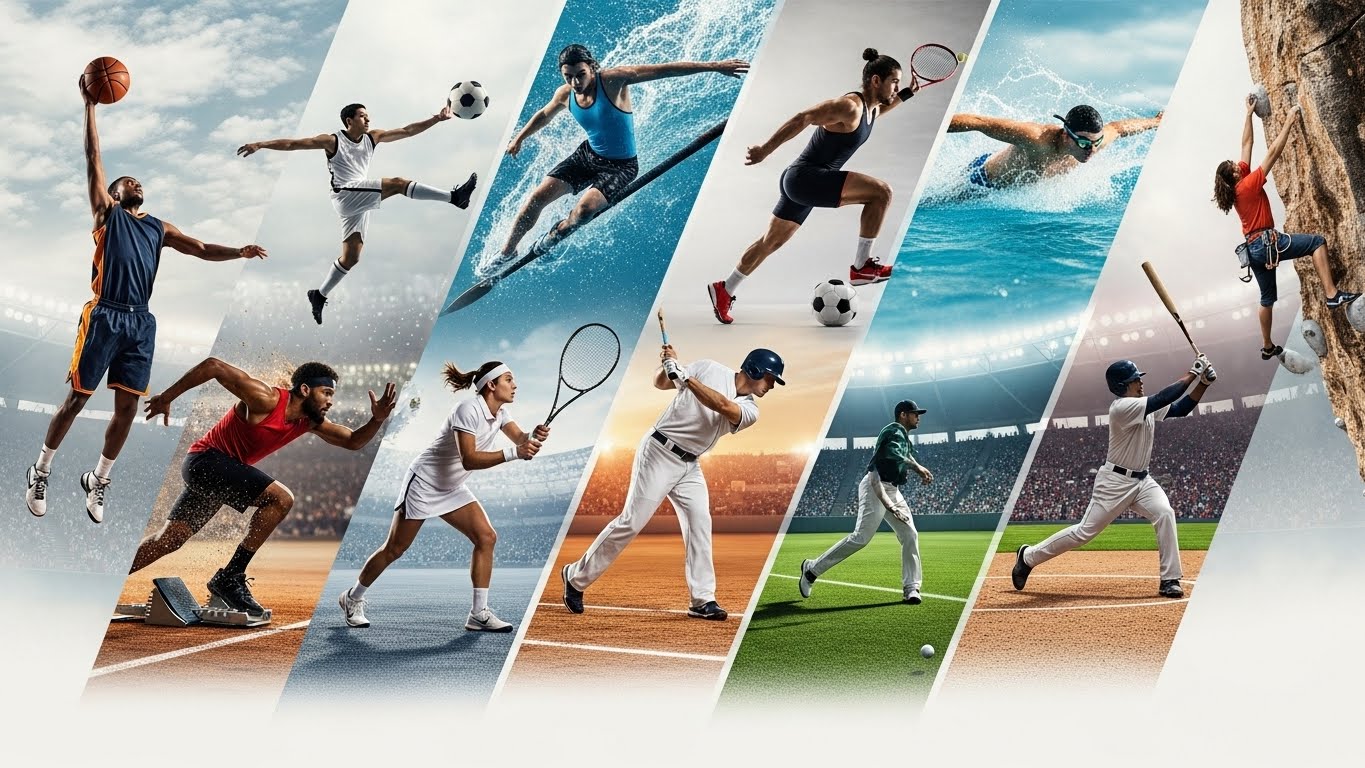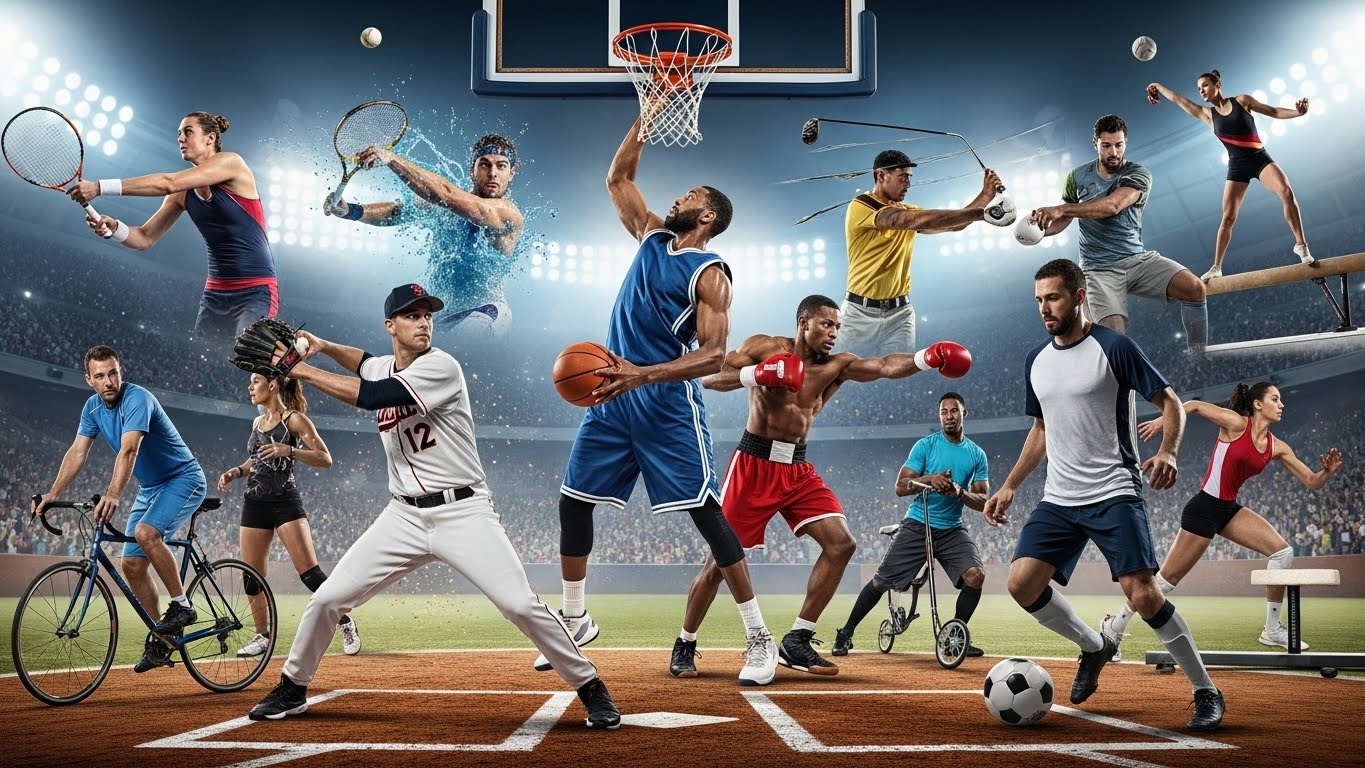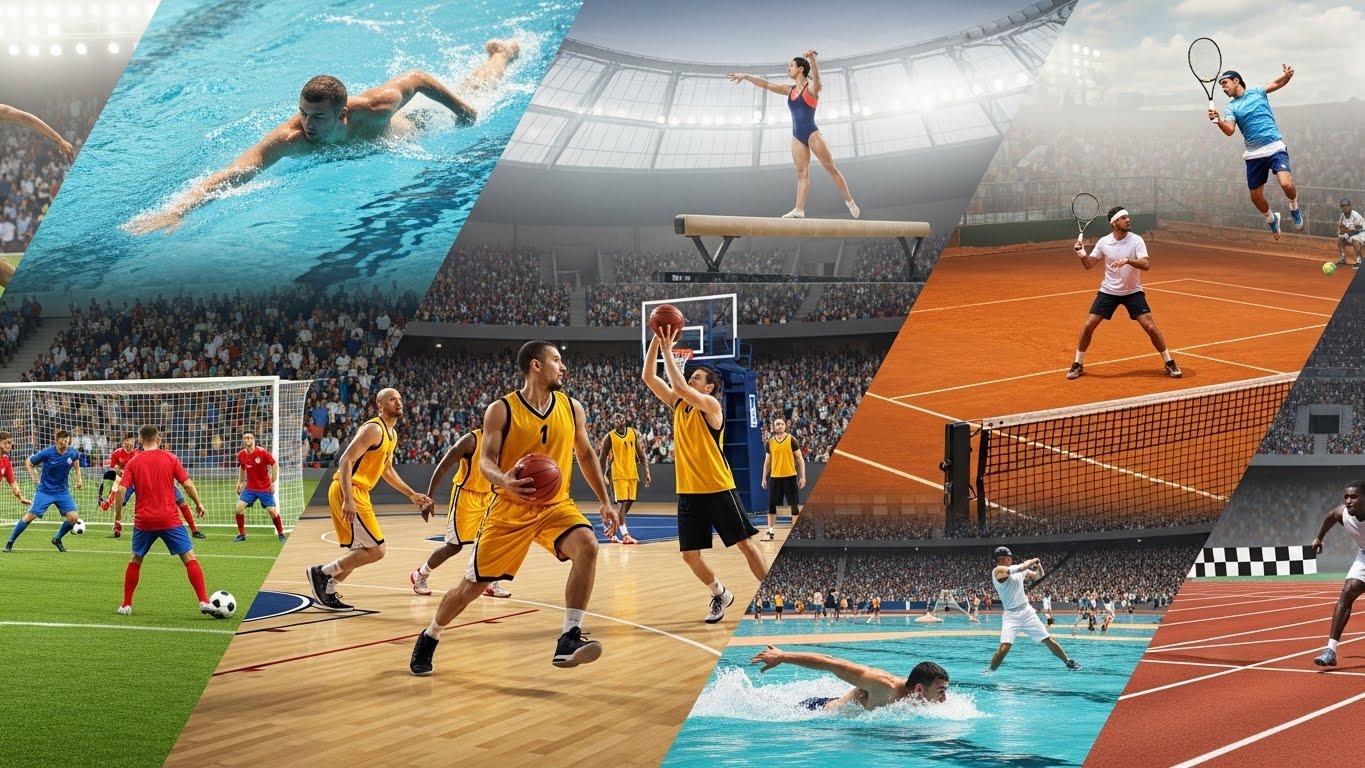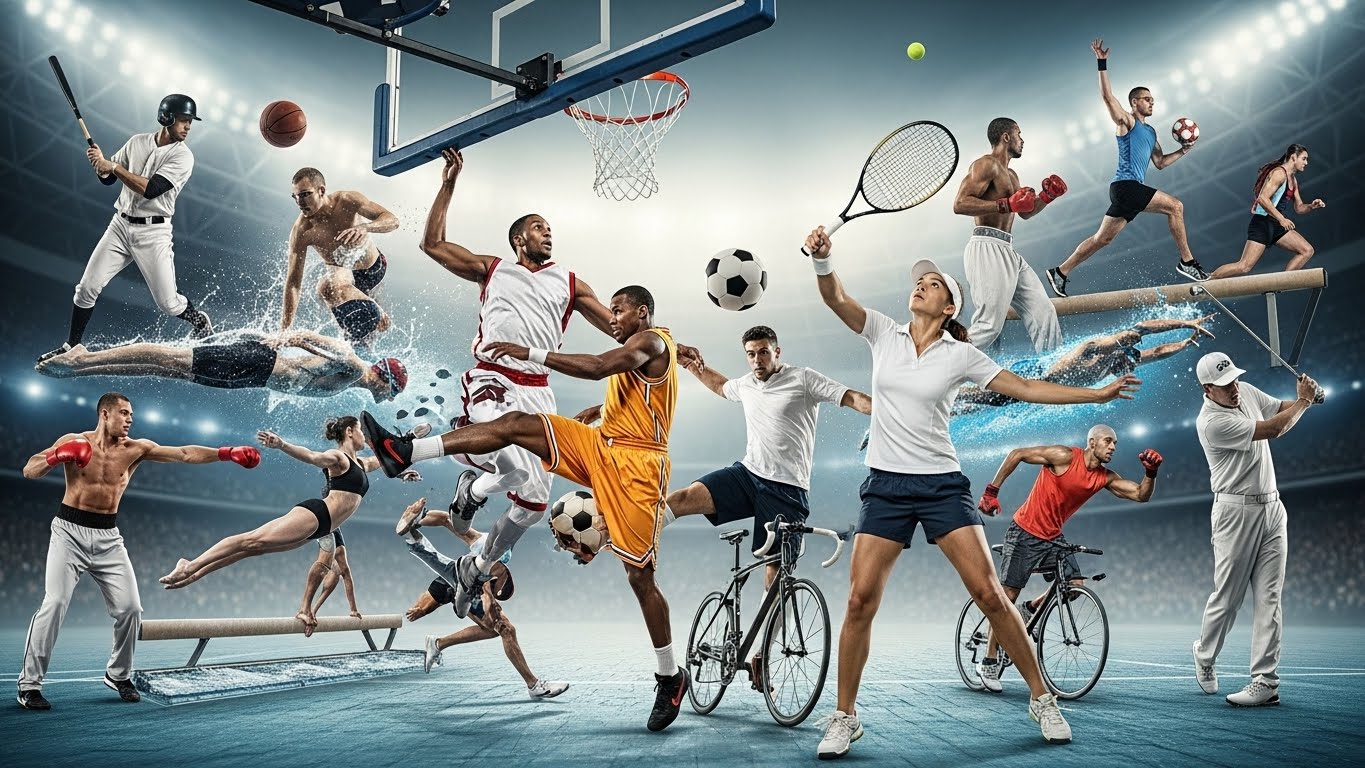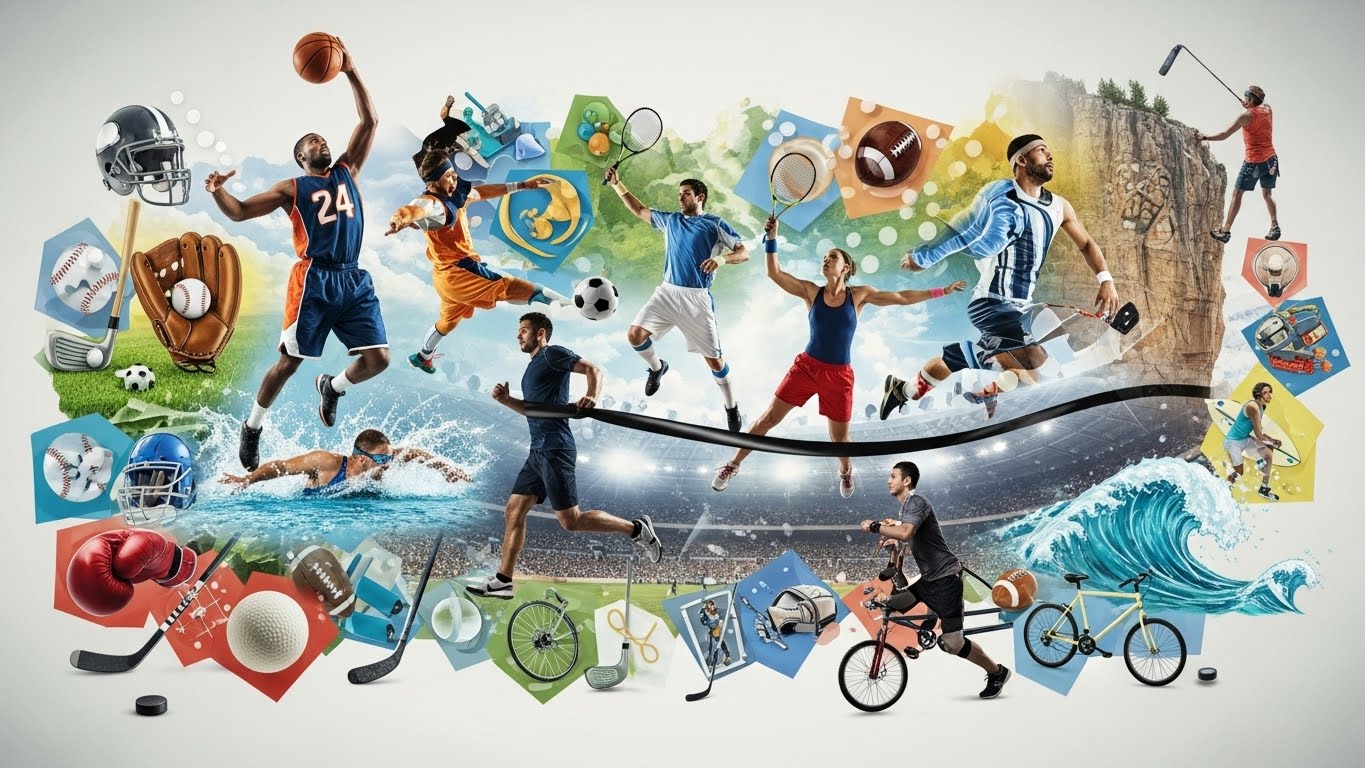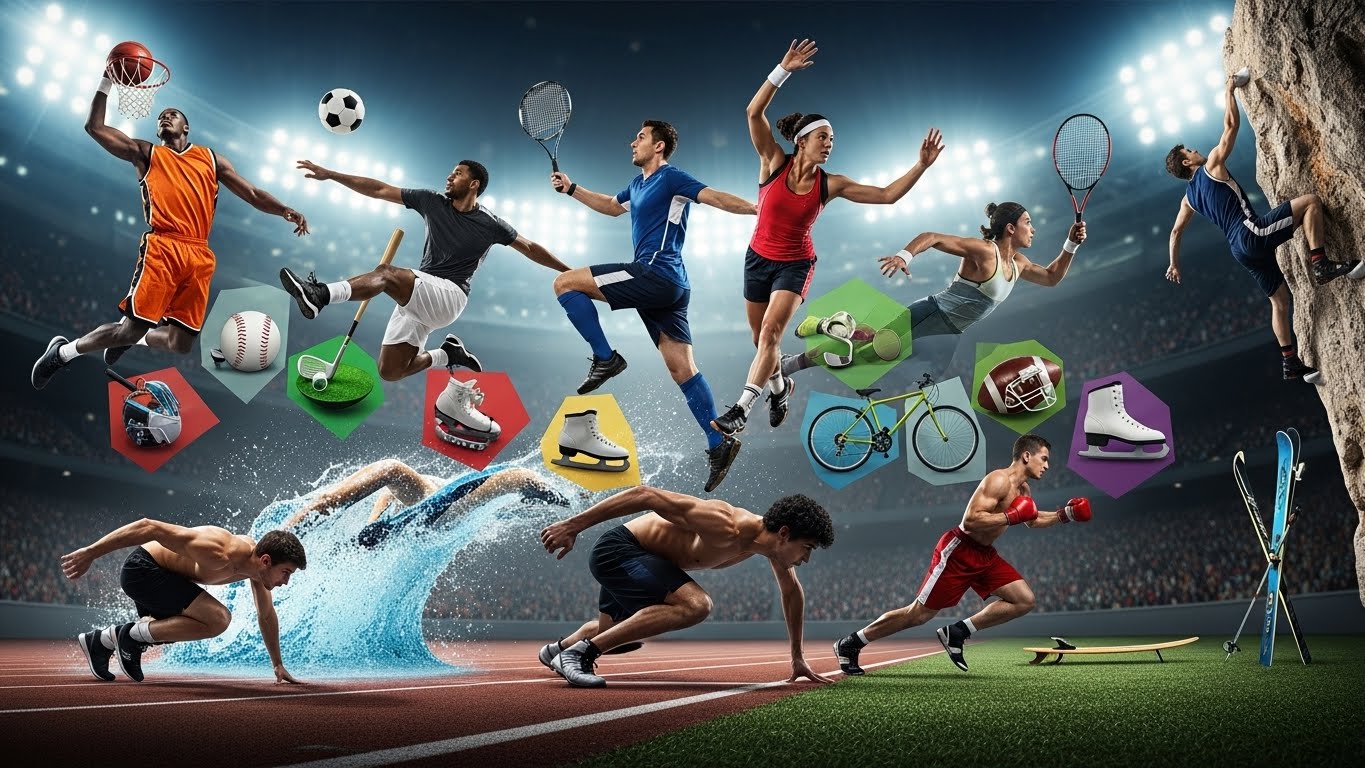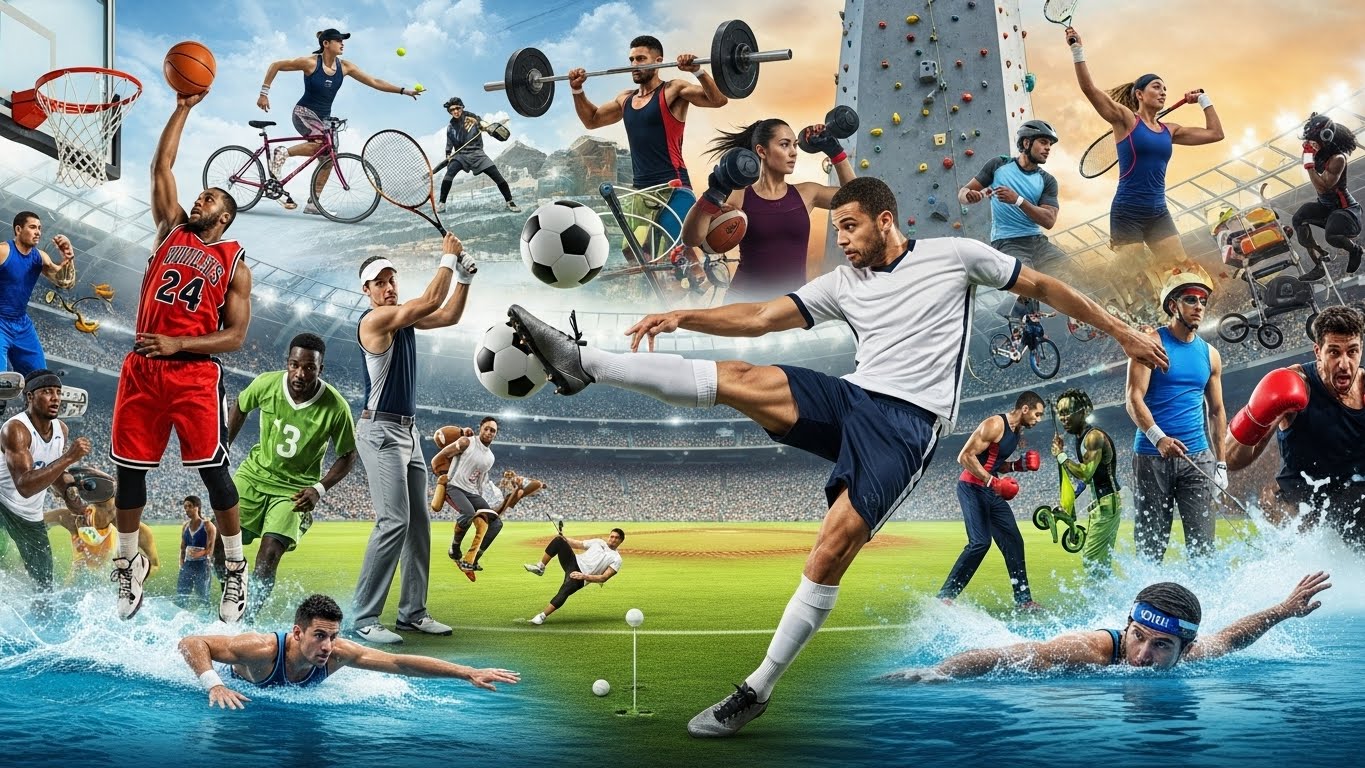

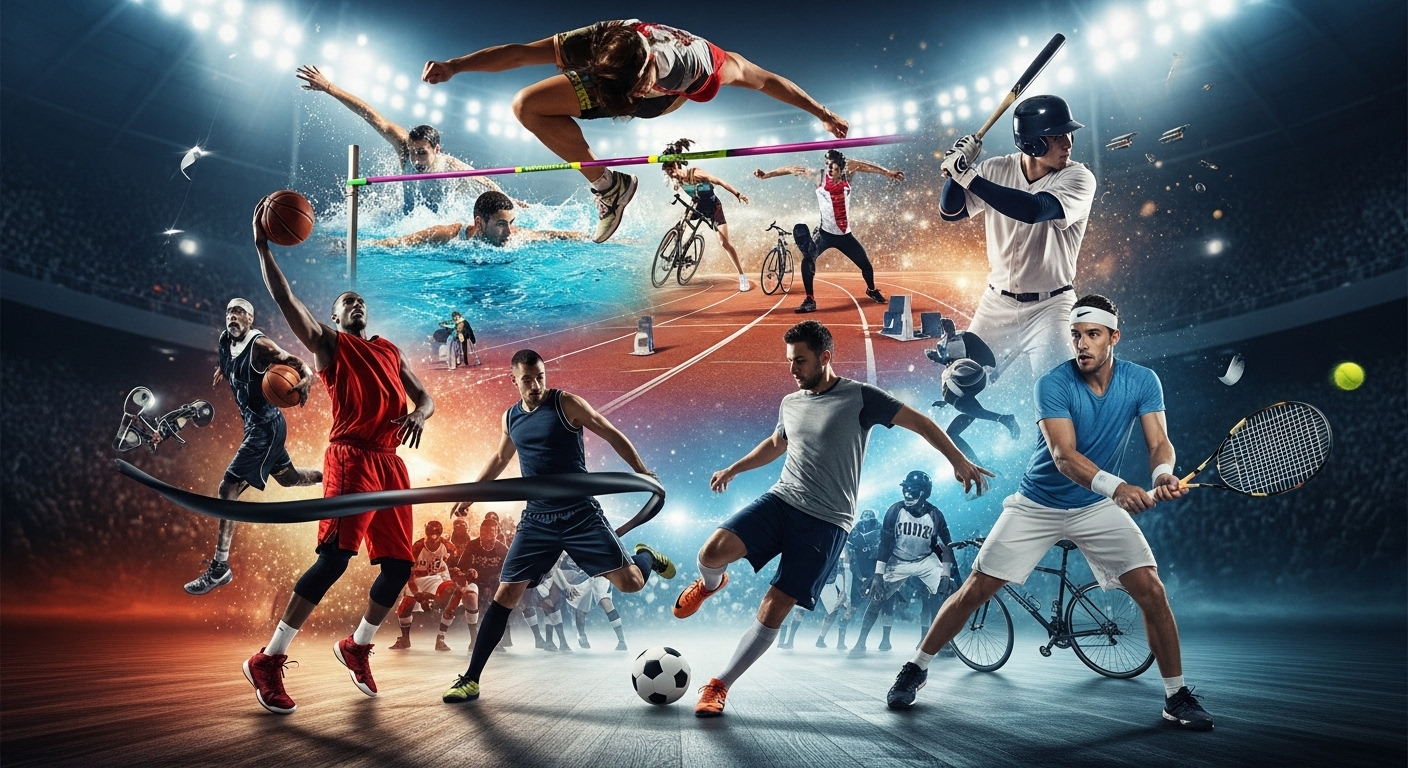
Sports have been an integral part of human civilization for centuries. From ancient Olympic Games in Greece to modern-day professional leagues, sports have transcended mere competition, becoming a powerful force in shaping culture, health, and social connection. Whether it is football, basketball, athletics, or martial arts, sports influence individual growth, community development, and even global diplomacy. This blog explores the multifaceted impact of sports, from physical and mental benefits to societal influence and future trends.
The Historical Significance of Sports
The origins of organized sports date back thousands of years. Ancient civilizations, including the Greeks, Romans, and Egyptians, celebrated physical contests as part of religious ceremonies and cultural rituals. The Olympic Games, which began in 776 BC in Greece, symbolized not only physical excellence but also unity and peace among city-states. Similarly, martial arts in Asia were intertwined with discipline, philosophy, and spiritual development.
Over time, sports evolved from ceremonial and local activities into structured competitions with established rules, leagues, and tournaments. This historical foundation emphasizes that sports have always been more than just recreation—they reflect values, culture, and human aspiration.
The Physical Benefits of Sports
Engaging in sports provides numerous physical benefits. Regular participation improves cardiovascular health, strengthens muscles, enhances flexibility, and supports weight management. Sports also help in maintaining bone density, reducing the risk of chronic diseases, and boosting the immune system.
Activities such as swimming, running, and cycling develop endurance, while team sports like football, basketball, and volleyball enhance coordination, agility, and balance. Beyond specific health improvements, sports cultivate overall fitness, encouraging individuals to adopt healthier lifestyles and maintain physical well-being throughout life.
The Mental and Emotional Impact of Sports
Sports offer significant mental and emotional benefits. Physical activity stimulates the release of endorphins, reducing stress and promoting a sense of well-being. Participation in sports helps manage anxiety, depression, and other mental health challenges by providing a positive outlet for energy and emotions.
Moreover, sports teach resilience, patience, and emotional regulation. Winning and losing are both opportunities for growth. Athletes learn to handle setbacks, manage pressure, and develop a mindset focused on improvement and perseverance. The mental discipline cultivated through sports often extends beyond the playing field, contributing to success in personal and professional life.
Sports as a Tool for Social Connection
Sports play a vital role in fostering social interaction and community building. Team sports encourage cooperation, communication, and mutual support. Athletes learn to work together toward a common goal, respect diverse perspectives, and build strong interpersonal relationships.
Sports events, whether local matches or international tournaments, create opportunities for community engagement. Spectators gather to cheer for teams, creating shared experiences that strengthen social bonds. Sports also bridge cultural and social divides, promoting inclusion and mutual understanding among diverse groups.
The Role of Sports in Education
Sports are increasingly recognized as a critical component of education. Schools and universities incorporate athletics into their curricula to develop physical fitness, teamwork, leadership, and time management skills. Student-athletes balance academics and sports, learning discipline and responsibility.
Participation in sports also cultivates character, teaching values such as fairness, respect, and perseverance. Educational programs that emphasize athletics help students build confidence, resilience, and a lifelong appreciation for health and well-being.
Sports and Personal Development
Beyond physical and mental health, sports contribute to overall personal development. They instill discipline, goal-setting, and time management. Athletes learn to assess their strengths and weaknesses, develop strategies for improvement, and push personal boundaries.
Sports also foster leadership and decision-making skills. Captains and team leaders manage group dynamics, motivate teammates, and make critical decisions under pressure. These experiences equip individuals with transferable skills applicable in careers, relationships, and personal growth.
The Cultural Significance of Sports
Sports have a profound cultural impact, shaping traditions, identity, and societal values. National and local sports teams often symbolize pride and unity, while international competitions foster cross-cultural understanding. Events like the FIFA World Cup, the Olympics, and the Super Bowl transcend sports, becoming global celebrations of talent, diversity, and human achievement.
Sports also influence art, music, fashion, and media. Iconic athletes inspire literature, film, and advertising, while sportsmanship and fair play serve as cultural ideals that influence behavior and ethics.
The Economic Impact of Sports
The economic influence of sports is substantial. Professional leagues, tournaments, and sporting events generate billions in revenue through ticket sales, broadcasting rights, sponsorships, and merchandise. Sports tourism attracts visitors to cities, stimulating local economies.
Additionally, sports create employment opportunities for athletes, coaches, medical professionals, event managers, and media personnel. The industry’s growth also drives innovation in technology, infrastructure, and training methods, demonstrating the significant economic footprint of sports.
Technology and Innovation in Sports
Technology has transformed how sports are played, viewed, and analyzed. Advanced equipment, wearable devices, and performance tracking software allow athletes to optimize training and prevent injuries. Video replay systems and analytics enhance fairness and strategy in competitions.
Innovation also shapes fan engagement, with live streaming, virtual reality experiences, and interactive platforms bringing global audiences closer to the action. Technology continues to expand the reach, accessibility, and impact of sports worldwide.
Sports and Global Diplomacy
Sports have historically played a role in diplomacy and international relations. Friendly competitions and tournaments can foster dialogue, promote peace, and strengthen ties between nations. The Olympic Games and international football tournaments are examples of sports serving as platforms for cultural exchange and mutual respect.
Athletes themselves often become ambassadors of goodwill, using their influence to advocate for social causes, humanitarian efforts, and cross-cultural understanding. Sports demonstrate the power of shared passion to transcend political, cultural, and linguistic barriers.
Inclusivity and Accessibility in Sports
Modern sports emphasize inclusivity and accessibility. Adaptive sports for individuals with disabilities, women’s leagues, and community-based programs ensure that people from diverse backgrounds can participate and benefit from athletic activities. Initiatives promoting equality in sports help challenge stereotypes, break social barriers, and create opportunities for underrepresented groups.
Accessible sports also foster social cohesion and personal empowerment, ensuring that everyone has the opportunity to experience the physical, mental, and social benefits of athletic participation.
Challenges Facing Sports Today
Despite their many benefits, sports face challenges. Issues such as doping, corruption, and unethical behavior can tarnish competitions and undermine public trust. Economic disparities limit access to quality training and facilities in many regions. Over-commercialization can prioritize profit over athlete welfare and fair play.
Moreover, injuries, burnout, and mental health concerns among athletes highlight the need for responsible management and holistic support. Addressing these challenges is essential to maintain the integrity, sustainability, and positive impact of sports.
The Future of Sports
The future of sports promises exciting developments. Emerging technologies, including artificial intelligence, virtual reality, and advanced analytics, will redefine training, performance, and fan engagement. Globalization and increased connectivity will continue to expand access and participation, while initiatives promoting sustainability and inclusivity will ensure that sports remain a force for good.
Esports and digital athletics are also becoming part of the broader sports ecosystem, merging traditional competition with interactive, technology-driven experiences. The future of sports will be shaped by innovation, inclusivity, and a continued emphasis on health, culture, and human achievement.
Sports and Personal Growth
At its core, sports are a medium for personal growth. They teach discipline, resilience, teamwork, and leadership. Sports challenge individuals to strive for excellence, overcome obstacles, and pursue continuous improvement. Athletes and participants develop confidence, perseverance, and a sense of purpose.
Even for spectators, sports provide lessons in empathy, fair play, and dedication. They inspire, motivate, and connect people, proving that sports extend far beyond the playing field to influence character, culture, and society.
Conclusion
Sports are more than games—they are a reflection of human potential, culture, and community. From physical fitness to mental resilience, personal growth to social connection, and economic influence to cultural impact, sports touch nearly every aspect of life. They foster unity, celebrate diversity, and provide a platform for excellence, competition, and creativity.
As society evolves, sports will continue to shape our world, inspiring individuals and communities while promoting health, inclusion, and global understanding. Beyond victories and records, the true value of sports lies in the lessons they teach, the connections they foster, and the enduring spirit of human achievement they celebrate.