

Introduction
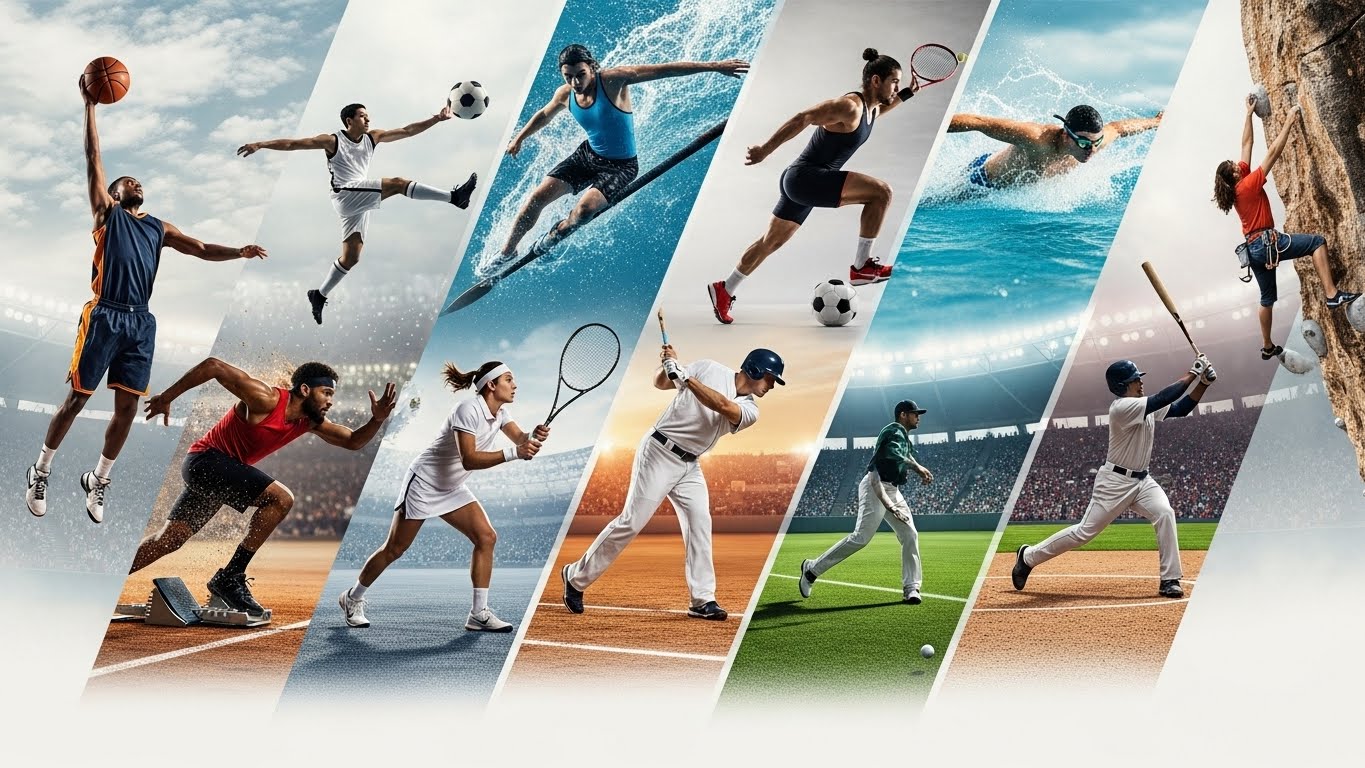
Sports are more than a form of entertainment or physical activity—they are a way of life. They teach valuable lessons about perseverance, teamwork, and resilience while promoting physical and mental well-being. From local community games to international competitions, sports have the power to shape character, bring people together, and inspire greatness in everyone.
The Impact of Sports on Personal Development
Participating in sports enhances physical fitness, strength, and endurance. Beyond the physical benefits, sports help develop discipline, focus, and determination. Players learn to set goals, overcome challenges, and remain motivated even in difficult situations. These skills extend beyond the game, positively influencing education, career, and personal life.
Team Sports and Collaboration
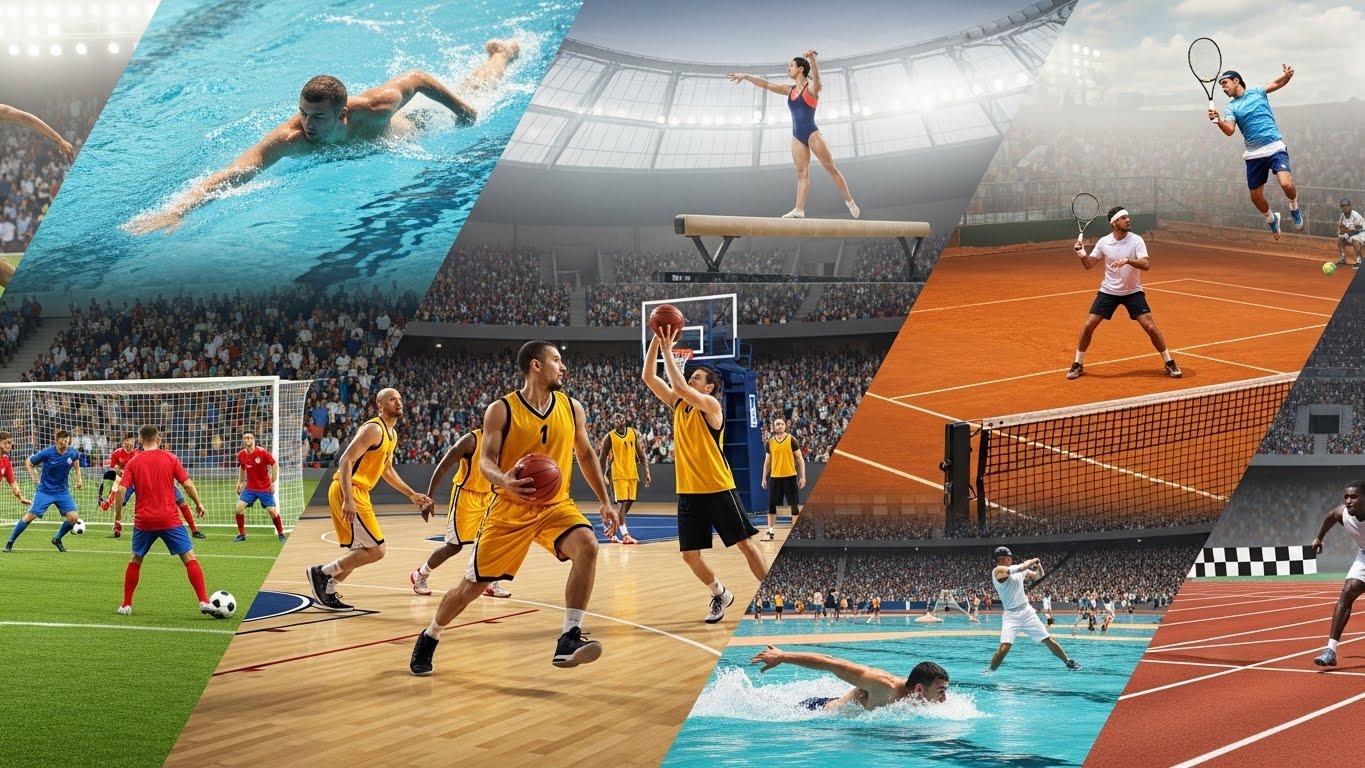
Team sports such as football, basketball, and cricket teach the importance of collaboration. Success depends on effective communication, trust, and collective effort. Players learn to value each team member’s contribution and to handle both victories and losses with grace. Team sports foster unity, friendship, and a sense of belonging, reinforcing the idea that working together achieves greater results than working alone.
Individual Sports and Self-Mastery
Individual sports like tennis, swimming, athletics, and gymnastics emphasize personal responsibility and self-discipline. Athletes must rely on their own motivation, dedication, and mental strength to succeed. Individual sports teach persistence, patience, and resilience, showing that growth and achievement are often the result of consistent effort and determination.
Sports as a Social Connector
Sports have the unique ability to unite people across cultures, communities, and generations. Local tournaments create a sense of community, while global competitions like the Olympics foster international unity. Through sports, people celebrate shared values such as fair play, dedication, and respect, creating connections that transcend differences in language, race, or background.
Technology and Modern Sports
Modern technology has transformed the world of sports. Advanced training equipment, wearable devices, and performance tracking allow athletes to improve skills and reach higher levels of performance. Broadcasting and digital platforms enable fans to watch live games and interact with their favorite teams, enhancing engagement and accessibility. Technology ensures fairness, precision, and excitement in every game.
Health and Lifestyle Benefits
Regular participation in sports promotes physical health, mental well-being, and overall fitness. It strengthens muscles, improves cardiovascular health, and enhances flexibility. Sports reduce stress, boost mood, and encourage discipline and time management. By integrating sports into daily life, individuals cultivate habits that lead to a healthier and more balanced lifestyle.
The Future of Sports
The future of sports is exciting and innovative. Esports and virtual competitions are redefining what it means to be an athlete. Sustainable practices in stadiums and events are promoting environmental awareness. Efforts to make sports inclusive ensure opportunities for all ages, genders, and abilities. As sports evolve, their core values of teamwork, dedication, and perseverance remain unchanged.
Conclusion
Sports are a powerful tool for personal growth, social connection, and inspiration. They teach resilience, discipline, and collaboration while fostering physical and mental health. Beyond trophies and victories, the true essence of sports lies in effort, passion, and the lessons learned along the way. Sports remind us that success is earned through determination, hard work, and the courage to keep striving.