
Introduction: The Universal Language of Sports
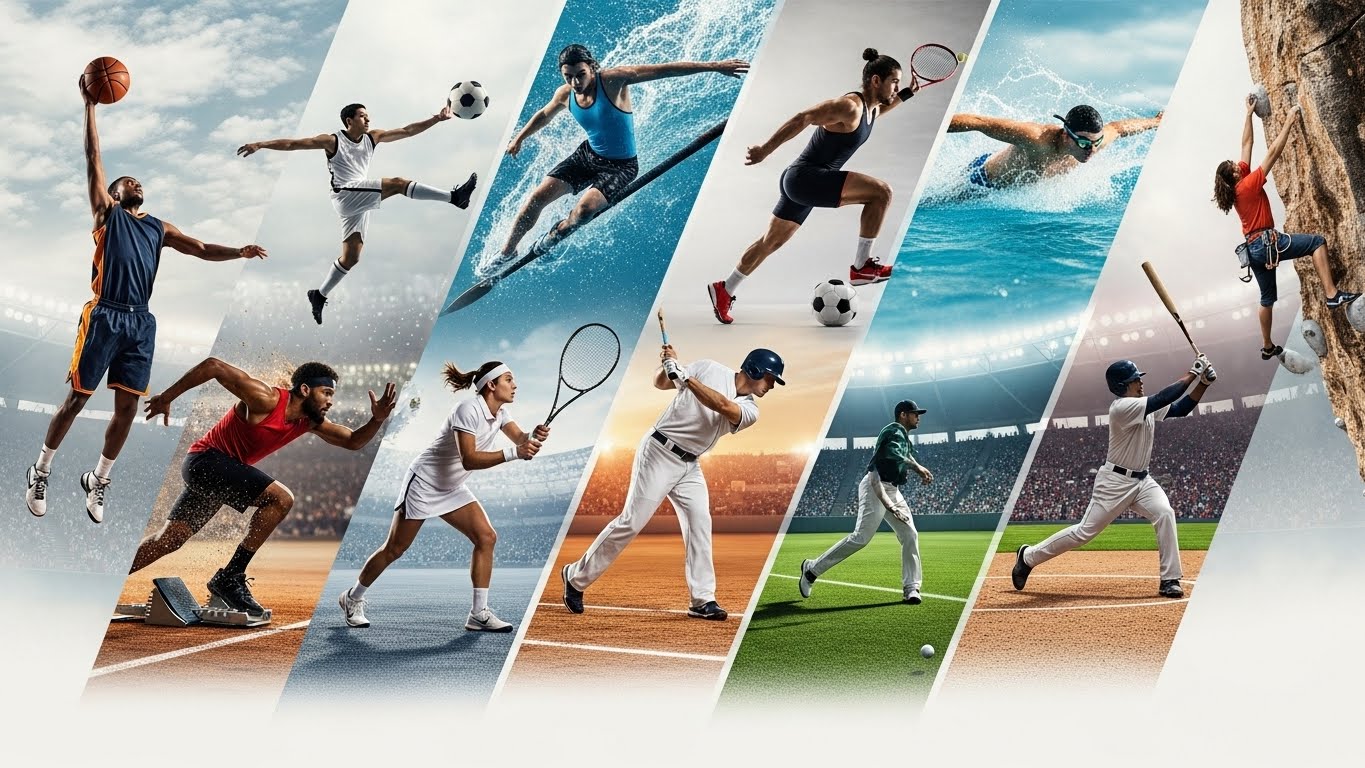
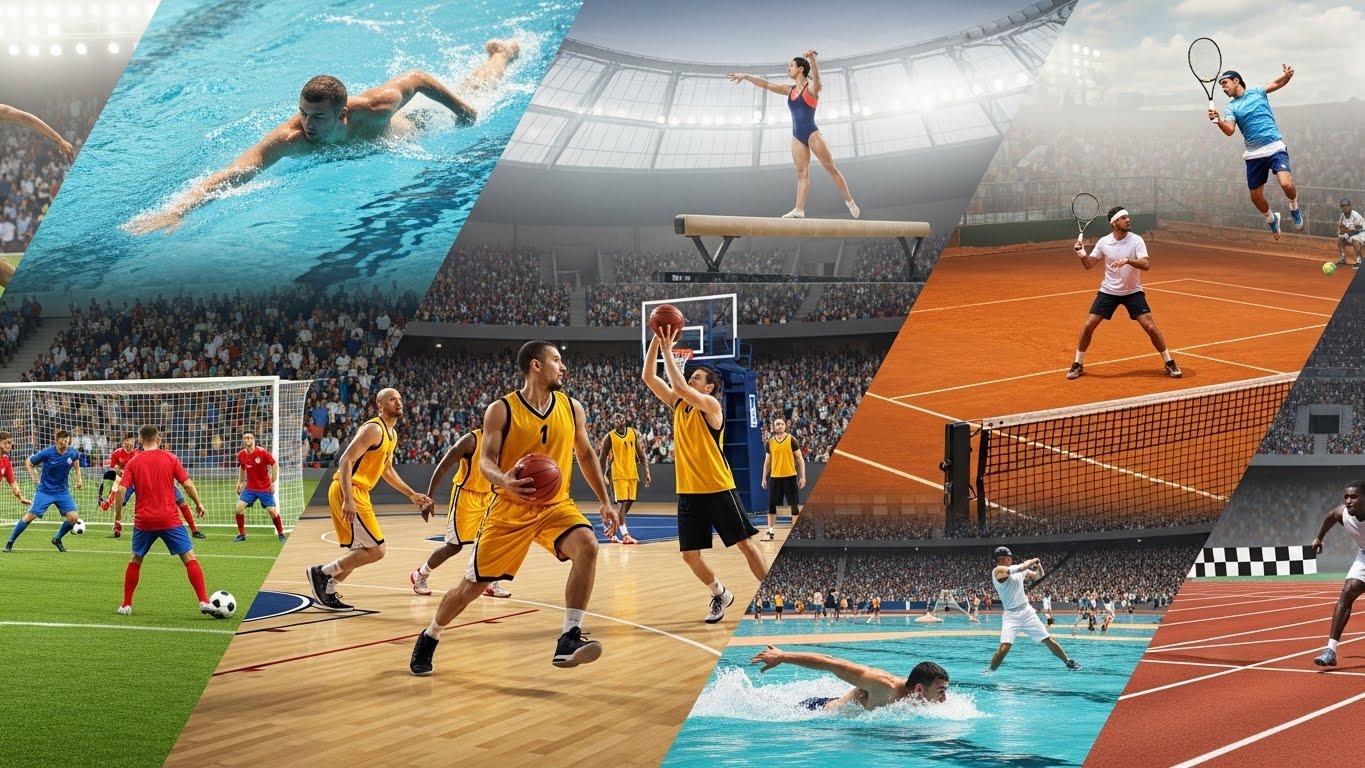
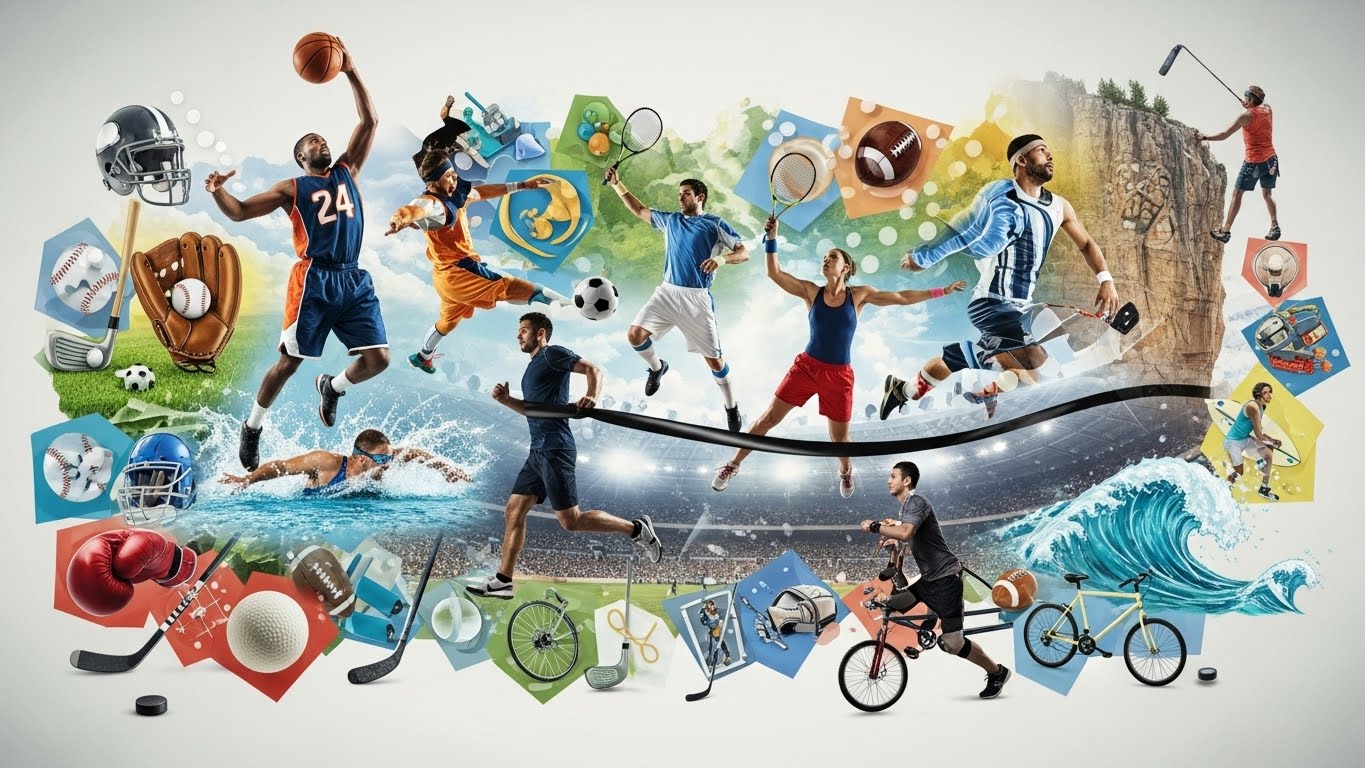
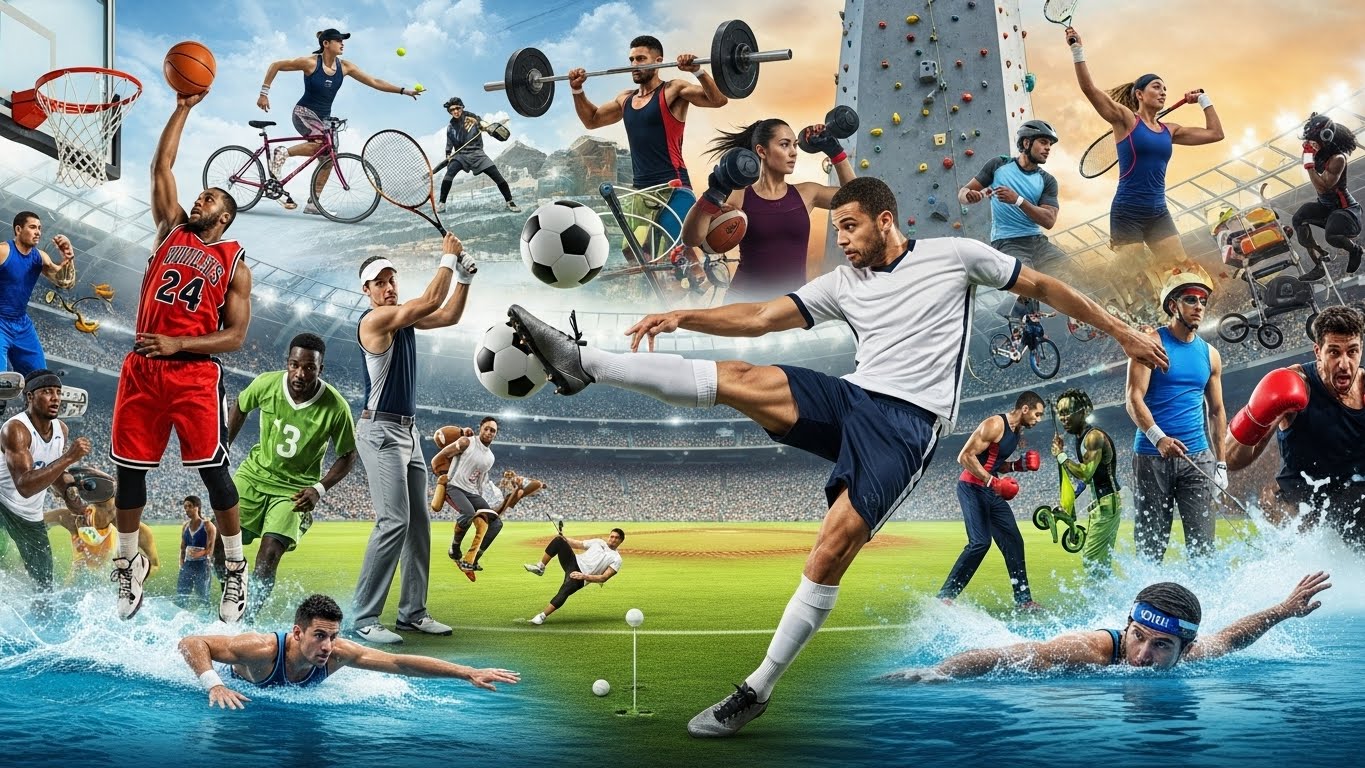
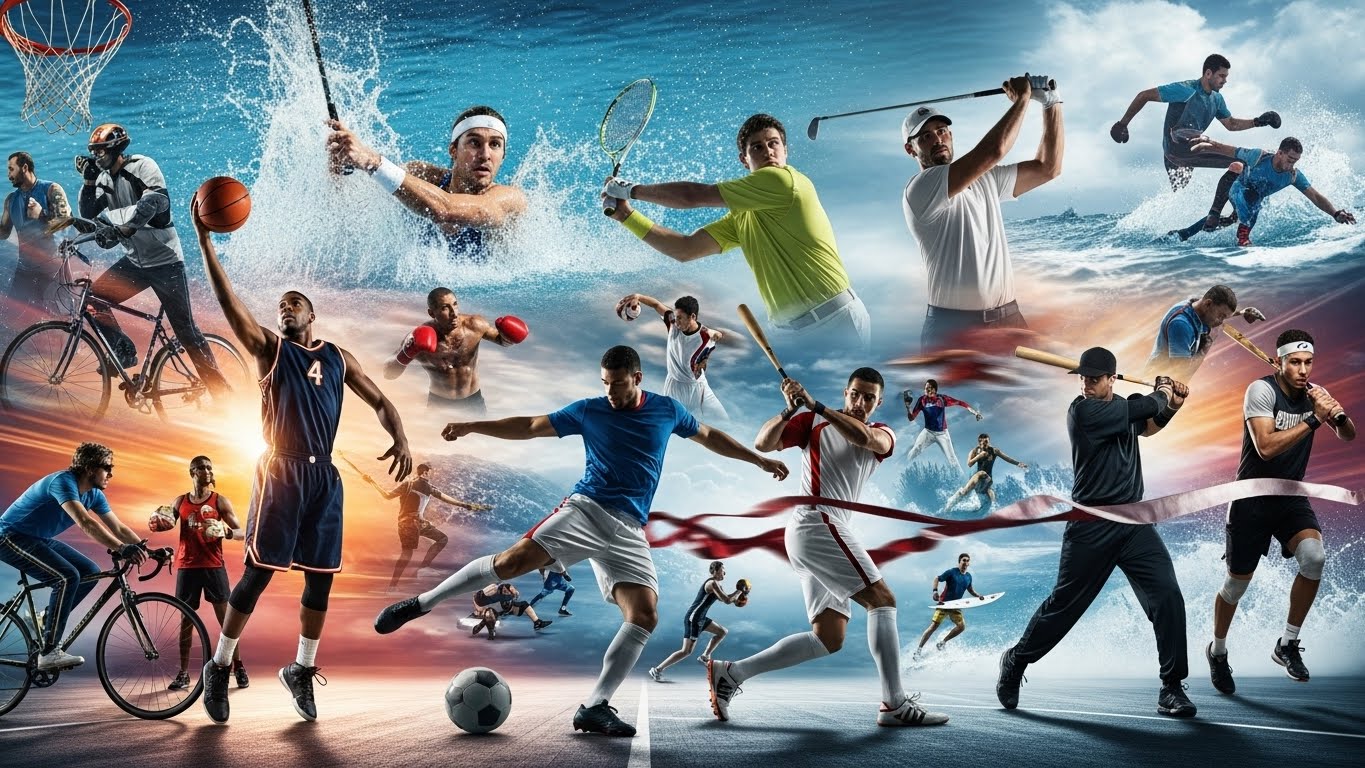
Sports have always been more than just a form of recreation. Across cultures, continents, and generations, sports serve as a universal language that unites people, challenges limits, and inspires greatness. Whether it is a local youth team practicing on a weekend or athletes competing in international championships, sports embody resilience, discipline, and passion. They influence our physical health, mental well-being, and even societal values. In this blog, we will explore the multifaceted role of sports and how they continue to shape our lives and communities.
The Evolution of Sports Over Time
Sports have existed since ancient times, evolving alongside human civilization. In ancient Greece, athletic competitions were central to culture and religion, with the Olympics celebrating physical excellence and competitive spirit. Similarly, ancient China, Egypt, and Rome had their own athletic traditions that showcased strength, skill, and teamwork. Fast forward to the modern era, sports have transformed into organized, professional, and technologically advanced endeavors. Today, athletes train with precision, teams employ strategic analytics, and fans enjoy unprecedented access to live events. Despite these changes, the essence of sports—competition, teamwork, and human achievement—remains constant.
Physical Benefits of Sports
One of the most apparent advantages of sports is the improvement of physical health. Regular participation in sports enhances cardiovascular fitness, builds muscular strength, and improves flexibility and coordination. It also helps in maintaining a healthy weight and reducing the risk of chronic diseases such as diabetes, hypertension, and heart conditions. For young people, engaging in sports contributes to growth and development, while adults benefit from sustained energy, mobility, and overall fitness. Sports are, in essence, a lifelong investment in the health of both body and mind.
Mental and Emotional Well-Being
Sports are not just about physical activity; they also have profound mental and emotional benefits. Engaging in sports can improve focus, discipline, and problem-solving abilities. Athletes learn to manage stress, overcome setbacks, and develop resilience. The thrill of victory and the lessons from defeat build character and mental toughness. Additionally, sports can combat anxiety, depression, and other mental health challenges by providing an outlet for energy, emotions, and self-expression. Whether it’s the satisfaction of mastering a skill or the joy of being part of a team, sports nurture emotional growth and balance.
Teamwork and Leadership Skills
Sports teach some of the most important life lessons: cooperation, leadership, and accountability. In team sports, success depends on collaboration, communication, and mutual trust. Athletes learn to work towards a common goal, support their teammates, and share responsibility for outcomes. Leadership naturally emerges in this environment, with captains or senior players guiding and motivating others. These skills extend beyond the field into workplaces, schools, and social relationships, proving that sports are a training ground for life.
The Role of Competition
Competition is central to sports, driving athletes to perform at their best. It encourages individuals to set goals, work hard, and embrace challenges. Competition teaches valuable lessons about perseverance, humility, and integrity. Winning brings satisfaction and recognition, while losing provides opportunities for reflection, learning, and growth. Sports help individuals understand that success is not solely defined by victory but by effort, commitment, and sportsmanship. This balance between ambition and humility is a fundamental life lesson imparted by sports.
Sports as a Cultural Phenomenon
Sports have a profound cultural impact. They bring people together, creating shared experiences that transcend language, race, and background. Major events like the World Cup, the Olympics, and international tournaments generate a sense of unity and national pride. Sports influence art, music, fashion, and social trends, reflecting the society in which they thrive. Fans celebrate victories, mourn defeats, and form communities based on shared passion. In this way, sports act as both a mirror and a driver of cultural identity, shaping how societies view themselves and each other.
The Influence of Athletes
Athletes are more than just performers; they are role models, inspirations, and symbols of dedication. Figures like Michael Jordan, Serena Williams, Lionel Messi, and Usain Bolt inspire millions with their achievements, work ethic, and resilience. Beyond their performances, many athletes engage in philanthropy, social activism, and mentorship, influencing society in positive ways. Their journey demonstrates that with focus, discipline, and perseverance, it is possible to achieve extraordinary results, encouraging fans to pursue their dreams with similar determination.
Technological Advancements in Sports
Technology has revolutionized sports in multiple ways. From wearable devices that track performance to advanced analytics that refine strategies, athletes now have tools that were unimaginable decades ago. Broadcast technology, virtual reality, and instant replay enhance how fans experience sports, making every moment accessible and interactive. Even training methods have evolved, with biomechanical analysis and simulation helping athletes optimize techniques and prevent injuries. Technology continues to push the boundaries of both athletic performance and fan engagement.
Youth Sports and Personal Development
Youth sports are vital for nurturing talent and shaping character. Participating in sports helps children develop physical skills, social abilities, and a sense of responsibility. It teaches discipline, time management, and resilience, equipping them with tools to face challenges both on and off the field. Organized programs provide mentorship and guidance, encouraging young athletes to embrace healthy habits, teamwork, and fair play. The lessons learned in youth sports often have a lifelong impact, influencing career choices, relationships, and personal growth.
Women in Sports
Women’s sports have made remarkable progress, breaking stereotypes and gaining recognition worldwide. Female athletes are excelling in diverse disciplines, inspiring new generations, and advocating for equality. The increased visibility of women’s sports has challenged outdated norms, proving that skill, determination, and talent are not limited by gender. As more opportunities and resources become available, women athletes continue to redefine what is possible, contributing to a more inclusive and diverse sports culture.
Sports and Society: Building Communities
Sports have the power to unite communities and drive social change. Local clubs, school teams, and community events foster social cohesion, offering people a sense of belonging and purpose. Sports initiatives often address social issues, promote inclusivity, and encourage youth engagement. They provide safe spaces for self-expression, skill development, and leadership. On a broader scale, sports diplomacy can bridge cultural divides, fostering mutual understanding and cooperation between nations.
The Economics of Sports
Sports contribute significantly to the global economy. Professional leagues, sponsorship deals, merchandise sales, and broadcasting rights generate billions annually. Sporting events stimulate tourism, create jobs, and boost local economies. Even grassroots programs have economic benefits by promoting health, reducing medical costs, and encouraging youth participation in structured activities. The financial impact of sports extends beyond entertainment, influencing development and prosperity in multiple sectors.
The Future of Sports
The future of sports is filled with innovation, growth, and inclusivity. Emerging disciplines, extreme sports, and electronic sports are attracting diverse audiences, expanding the definition of athleticism. Sustainability, accessibility, and technology integration are becoming priorities, ensuring that sports remain relevant and impactful. As society evolves, sports will continue to inspire, challenge, and unite, offering opportunities for new generations to push boundaries and redefine excellence.
Conclusion: Sports as a Life-Changing Force
Sports are far more than games or competitions. They are a reflection of human potential, creativity, and resilience. They teach lessons about teamwork, perseverance, leadership, and humility. They inspire communities, influence culture, and impact society on a global scale. From local playgrounds to international stadiums, sports connect us, challenge us, and motivate us to achieve greatness. Ultimately, the love for sports is a celebration of life itself, reminding us that effort, passion, and determination are universal values that transcend every boundary.
Sports are a testament to the power of the human spirit. They remind us that through discipline, collaboration, and courage, we can overcome challenges, inspire others, and leave a lasting legacy both on and off the field.