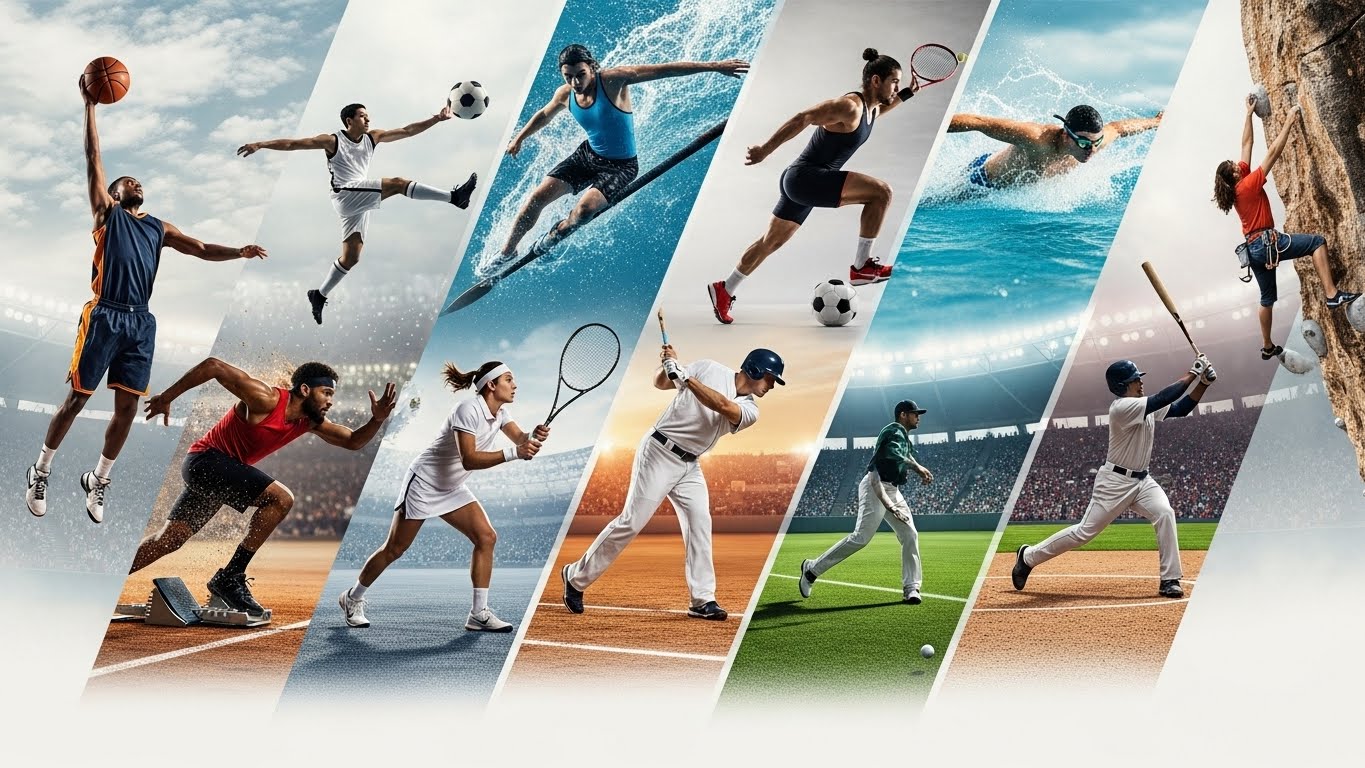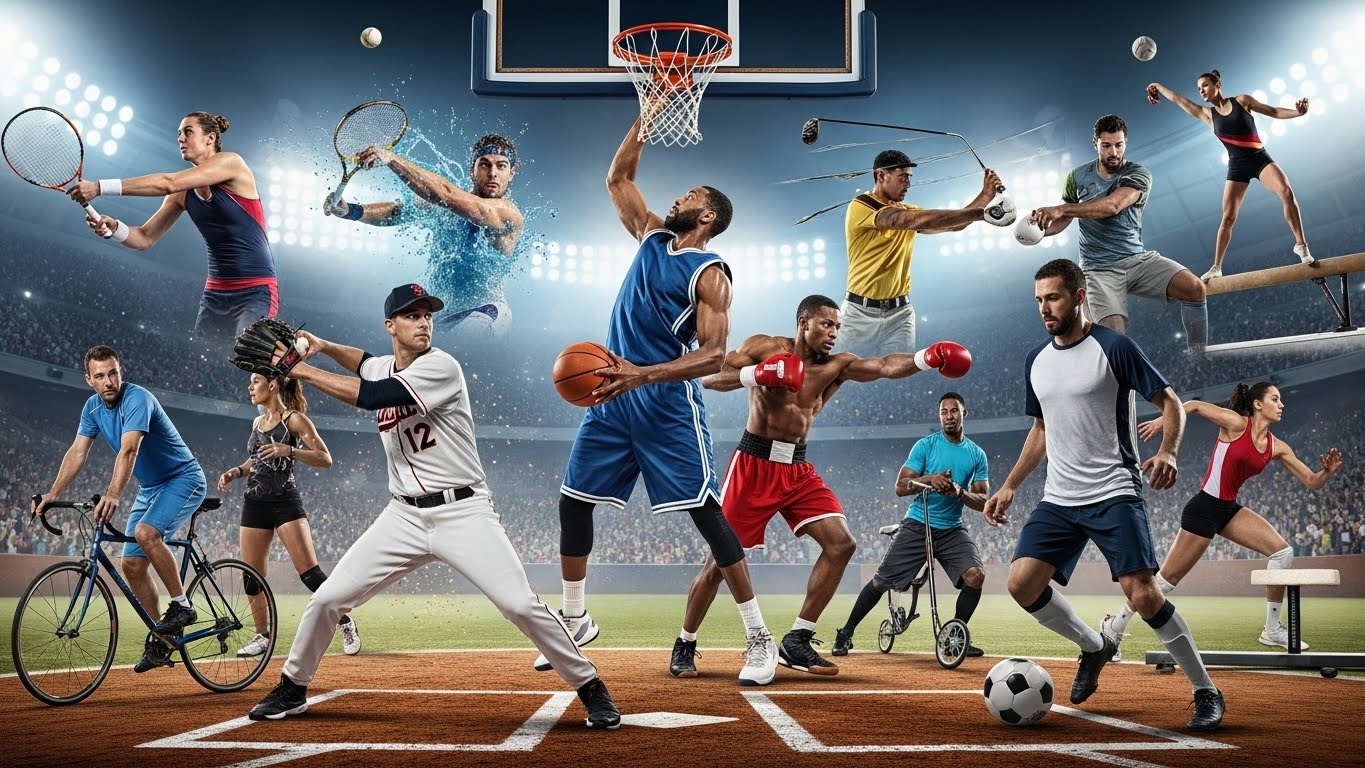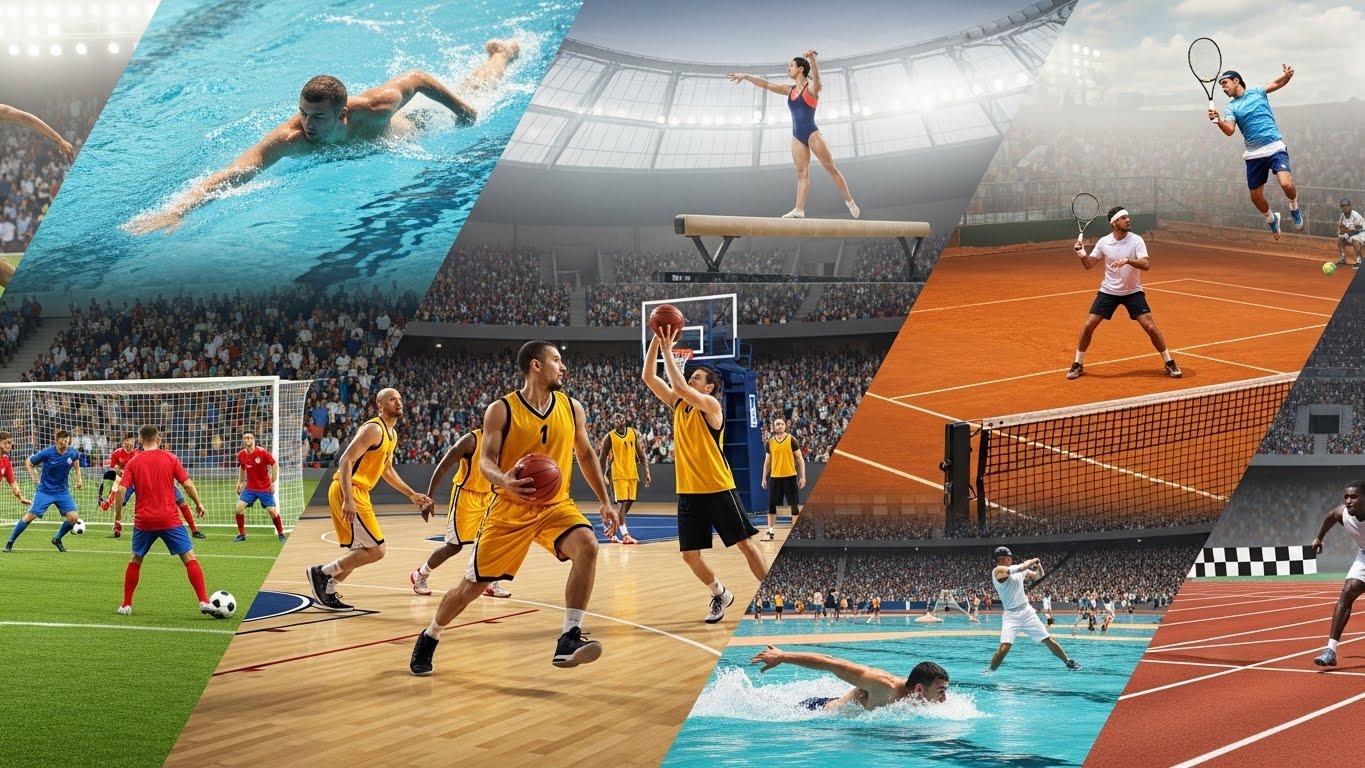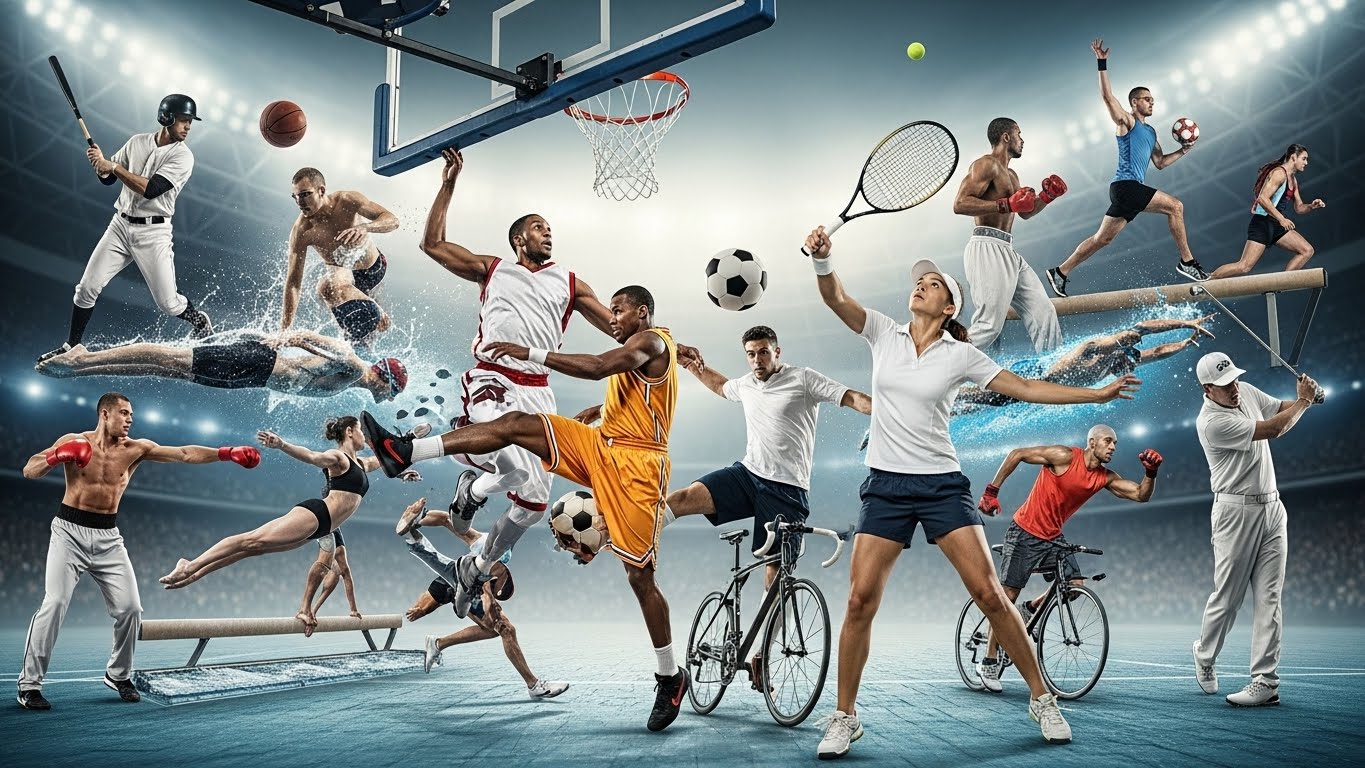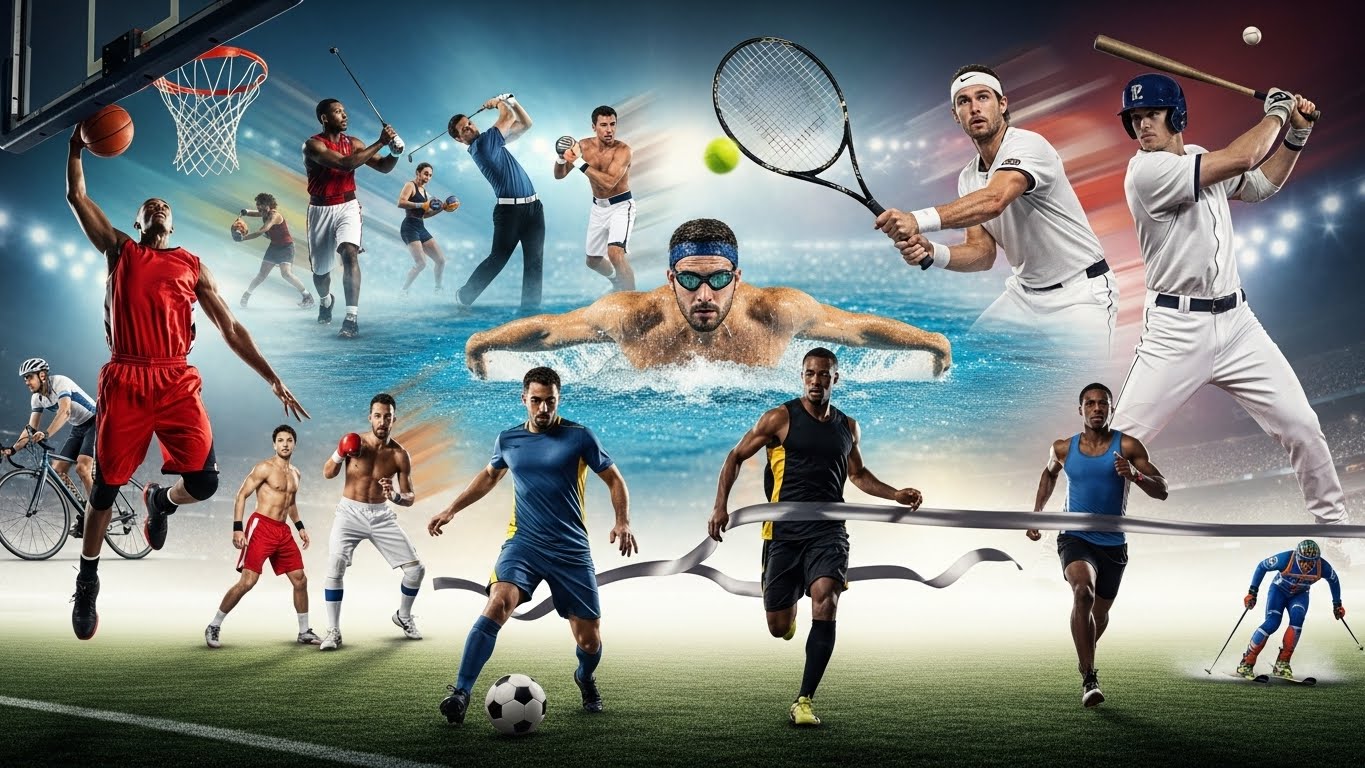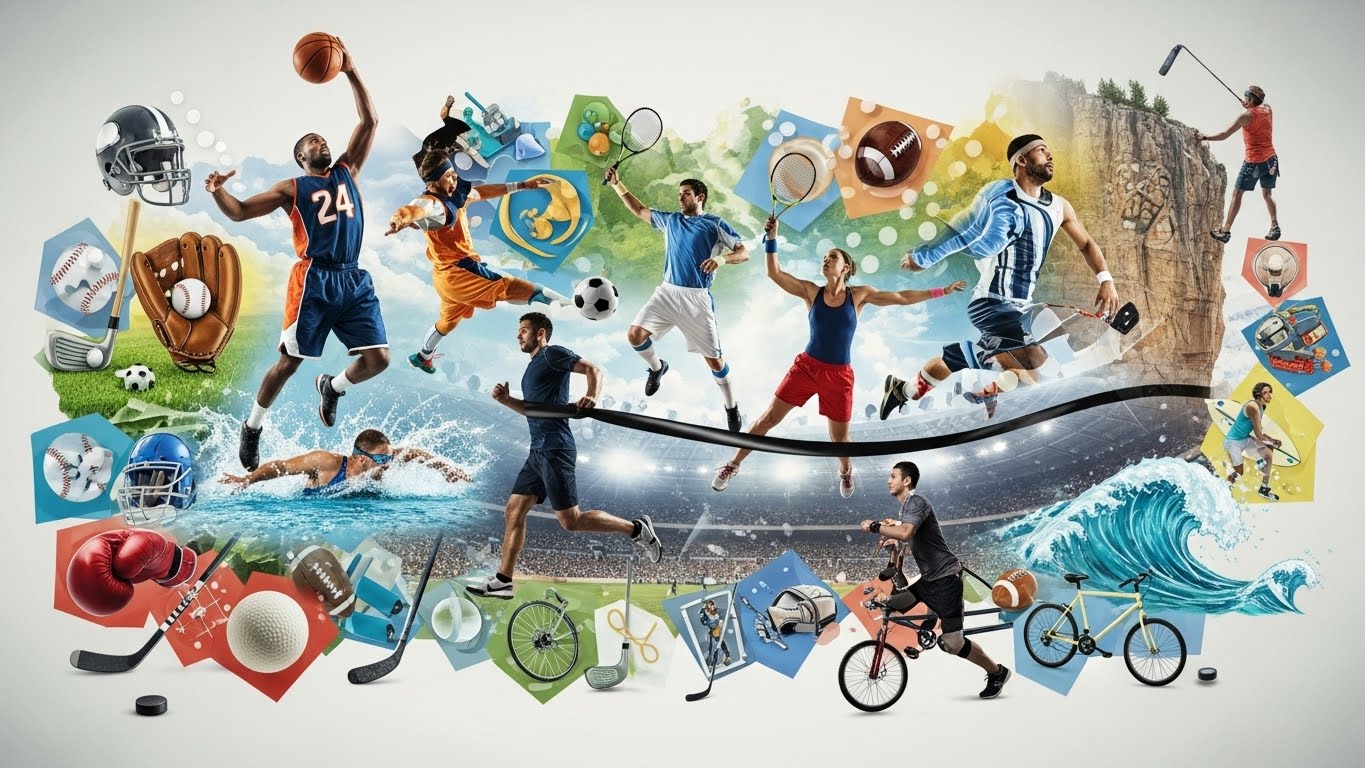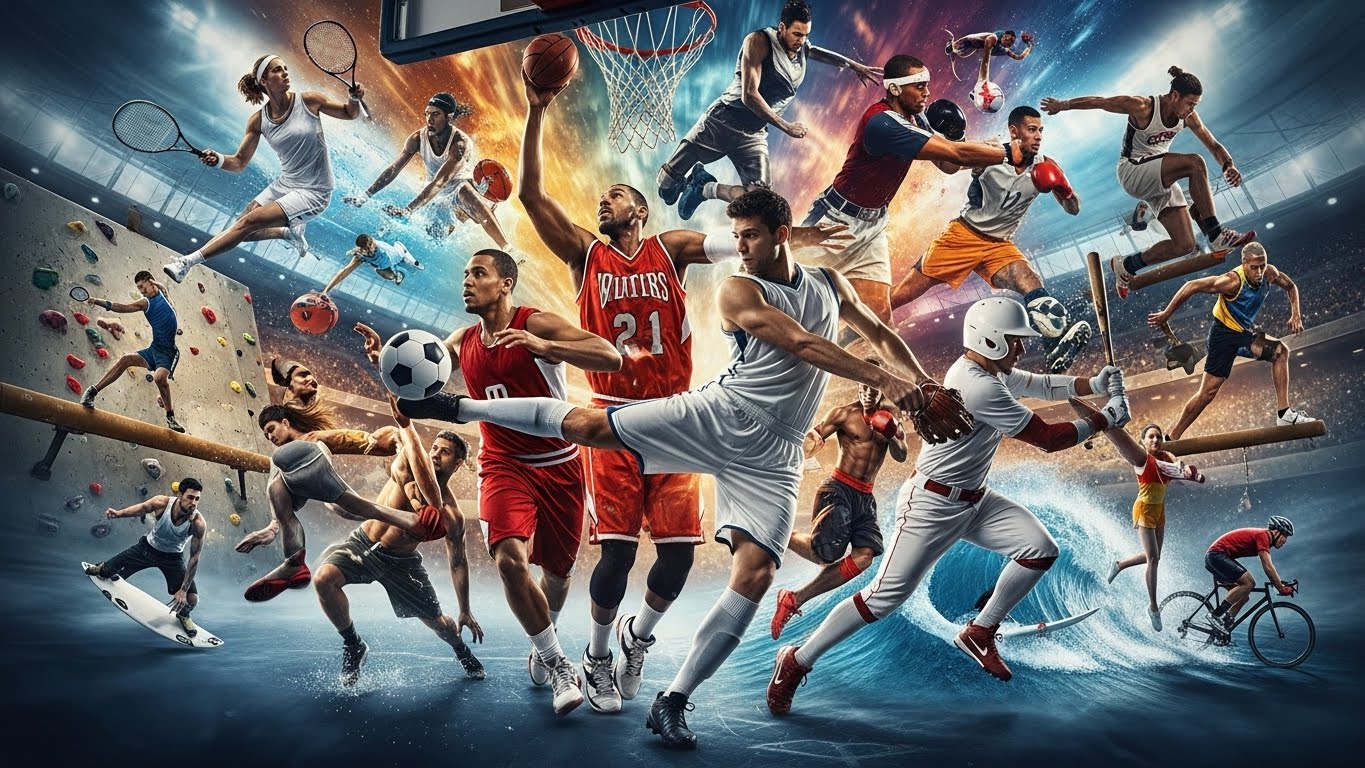

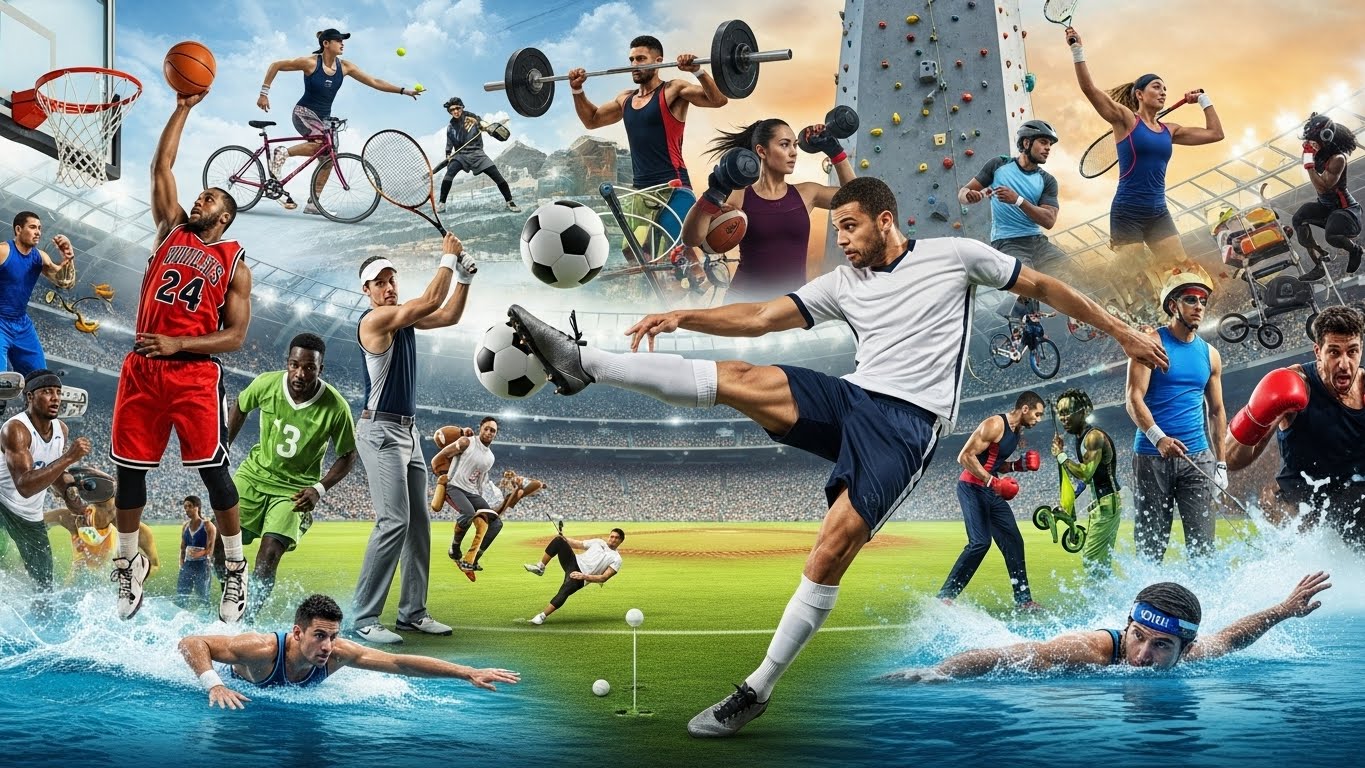
Sports have always been more than just games; they are a universal language that transcends borders, cultures, and generations. From local street games to international stadiums packed with thousands of fans, sports have an unparalleled ability to connect people. Whether you’re an athlete, a spectator, or simply someone who enjoys the energy of a live match, sports play an important role in shaping societies, cultures, and personal identities. In this blog post, we will explore the evolution of sports, their cultural significance, and the profound impact they have on individuals and communities worldwide.
The Origins of Sports: From Ancient Traditions to Modern Competitions
The history of sports can be traced back to ancient civilizations where physical activity and competition were integral parts of society. Sports in these early cultures served not only as entertainment but also as a way of demonstrating strength, skill, and bravery.
Ancient Civilizations and Their Sporting Rituals
The ancient Greeks are often credited with establishing the foundation for modern competitive sports with the creation of the Olympic Games in 776 BCE. These early Olympics were held in honor of Zeus and featured events like running, wrestling, boxing, and chariot racing. The Greeks placed great value on physical fitness, and the Olympics became a symbol of athletic prowess and unity.
In other parts of the world, sports played similar roles. The Mayans had their own ball game, pok-a-tok, which was both a sport and a religious ritual. In China, activities like archery and martial arts evolved into formalized sports, while in Japan, sumo wrestling became a centuries-old tradition with deep cultural and spiritual significance.
The Growth of Sports in the Modern Era
As the world entered the Industrial Revolution, the nature of sports began to change. With the rise of organized clubs, leagues, and competitions, sports became more structured and formalized. The development of new technologies, such as the printing press and mass media, also helped to spread the popularity of sports across the globe.
By the late 19th and early 20th centuries, sports had evolved from local or regional pastimes into global phenomena. The establishment of global competitions, such as the modern Olympic Games (which were revived in 1896), gave rise to international sports events that united athletes from different countries in peaceful competition.
The Power of Sports: Uniting People and Building Communities
Sports have an incredible ability to bring people together, transcending social, economic, and cultural divides. The excitement of a match, the thrill of victory, and the agony of defeat resonate with fans across the world, fostering a sense of community and shared identity.
Sports as a Unifying Force
One of the most remarkable aspects of sports is their power to unite people. Whether it’s cheering for a local team or watching the FIFA World Cup, sports bring people together regardless of background, nationality, or language. A football match in Brazil can unite fans from different socioeconomic backgrounds, while an international cricket tournament can bring together countries that have little in common outside of the sport.
In times of conflict and tension, sports have often served as a bridge between divided groups. The famous “Ping-Pong Diplomacy” between the United States and China in the 1970s exemplifies how sports can create opportunities for dialogue and peace. Similarly, major sports events like the World Cup or the Olympic Games allow countries with historical rivalries to set aside their differences and engage in friendly competition.
Sports and Community Building
On a local level, sports foster community cohesion. Youth sports leagues, local teams, and amateur competitions provide a sense of belonging and identity. Communities rally around their teams, whether it’s a high school football team or a neighborhood basketball league. These grassroots activities offer valuable life lessons, including teamwork, discipline, and leadership, that extend far beyond the field of play.
Sports also have the power to give marginalized communities a sense of purpose and pride. In many parts of the world, sports provide a platform for individuals to rise above their circumstances and make their voices heard. From inner-city youth leagues to national athletes who break records, sports give people the opportunity to shine and inspire others.
The Health Benefits of Sports: Physical, Mental, and Emotional Well-Being
Engaging in sports isn’t just about competition; it has profound health benefits for individuals. From improving cardiovascular health to boosting mental well-being, sports play an essential role in maintaining a balanced and healthy lifestyle.
Physical Health Benefits
One of the most obvious benefits of sports is physical health. Regular participation in physical activities can help individuals maintain a healthy weight, build strength and endurance, and reduce the risk of chronic diseases such as diabetes, heart disease, and high blood pressure. Sports that require cardiovascular effort, such as running, cycling, or swimming, are especially effective in improving heart health and overall fitness.
In addition to cardiovascular benefits, sports also enhance flexibility, coordination, and balance. These physical attributes are important not only for athletes but for individuals of all ages, helping to prevent falls and injuries as people get older.
Mental and Emotional Health Benefits
Sports also have a significant impact on mental health. Regular exercise releases endorphins, which are natural mood enhancers that help to reduce feelings of stress, anxiety, and depression. Engaging in sports can provide individuals with a sense of accomplishment and self-worth, especially when they improve their skills or achieve personal goals.
Furthermore, the social aspects of sports—whether it’s interacting with teammates or fans—help build relationships and a sense of community. These connections can offer emotional support and contribute to an individual’s overall well-being.
Sports as a Tool for Personal Growth
In addition to physical and mental health benefits, sports teach valuable life skills that extend to other areas of life. Athletes learn the importance of discipline, time management, resilience, and perseverance. These qualities are essential in overcoming life’s challenges, whether they are related to school, work, or personal relationships.
The experiences gained through sports—such as coping with victory and defeat—can foster emotional intelligence and self-awareness, helping individuals navigate the ups and downs of life.
The Commercialization of Sports: From Passion to Profit
While sports have long been about passion, competition, and national pride, the commercialization of sports has added a new layer of complexity. In recent decades, sports have become big business, with multi-billion-dollar industries built around professional leagues, television contracts, sponsorships, and merchandise.
The Rise of Professional Sports Leagues
Professional sports leagues, such as the NFL, NBA, Premier League, and La Liga, have turned athletes into celebrities and transformed sports into a massive entertainment industry. Television networks and streaming platforms pay huge sums for broadcasting rights, making sports one of the most-watched genres of content worldwide.
As a result, athletes have gained significant wealth and fame. Star players such as LeBron James, Lionel Messi, and Serena Williams have become global icons, using their platforms to endorse products, engage in social activism, and build their personal brands.
The Impact of Sponsorships and Commercial Partnerships
Sponsorships play a crucial role in the financial ecosystem of modern sports. Companies invest millions of dollars to have their brands associated with top athletes and teams. From stadium naming rights to jersey sponsorships, brands leverage the global reach of sports to boost their visibility and sales.
While this influx of money has helped elevate sports to new heights, it has also raised concerns about the commercialization of the athlete’s image. Some argue that the pressure to secure lucrative endorsement deals and maintain a public persona can distract athletes from the pure joy of competition.
The Future of Sports: Evolving with Technology
The sports industry is rapidly evolving, and the role of technology will continue to shape its future. Advances in technology, from equipment innovation to digital fan experiences, are revolutionizing the way sports are played, consumed, and experienced.
Technology in Sports Training and Performance
From advanced sports analytics to wearable devices that track performance metrics, technology has transformed training regimens. Athletes now have access to data-driven insights that help them optimize their performance. Whether it’s monitoring heart rate, analyzing biomechanical movement, or tracking recovery, technology is enabling athletes to push their limits like never before.
In addition, technological advancements in sports equipment have improved safety and performance. For example, improved helmets in American football and better footwear in soccer have minimized injuries while enhancing athletes’ abilities to perform at their best.
Digital Platforms and Fan Engagement
Technology has also changed the way fans engage with sports. Social media platforms and apps allow fans to follow their favorite teams and players in real-time, even from the comfort of their homes. Virtual and augmented reality technologies are creating immersive fan experiences, allowing individuals to “attend” games from anywhere in the world.
Additionally, eSports—competitive video gaming—has emerged as a massive global phenomenon. While different from traditional sports, eSports has created a new generation of fans, players, and broadcasters, making it an integral part of the sports landscape.
Conclusion: The Timeless Appeal of Sports
Whether it’s playing in a local park or watching the World Cup final, sports have an enduring appeal that transcends time and place. They offer more than just entertainment; they provide a sense of community, personal growth, and shared experiences that are fundamental to human connection. As sports continue to evolve, one thing remains certain: the power of sports to unite, inspire, and shape lives will never fade. In a world where differences often divide us, sports will always be the thread that ties us together.