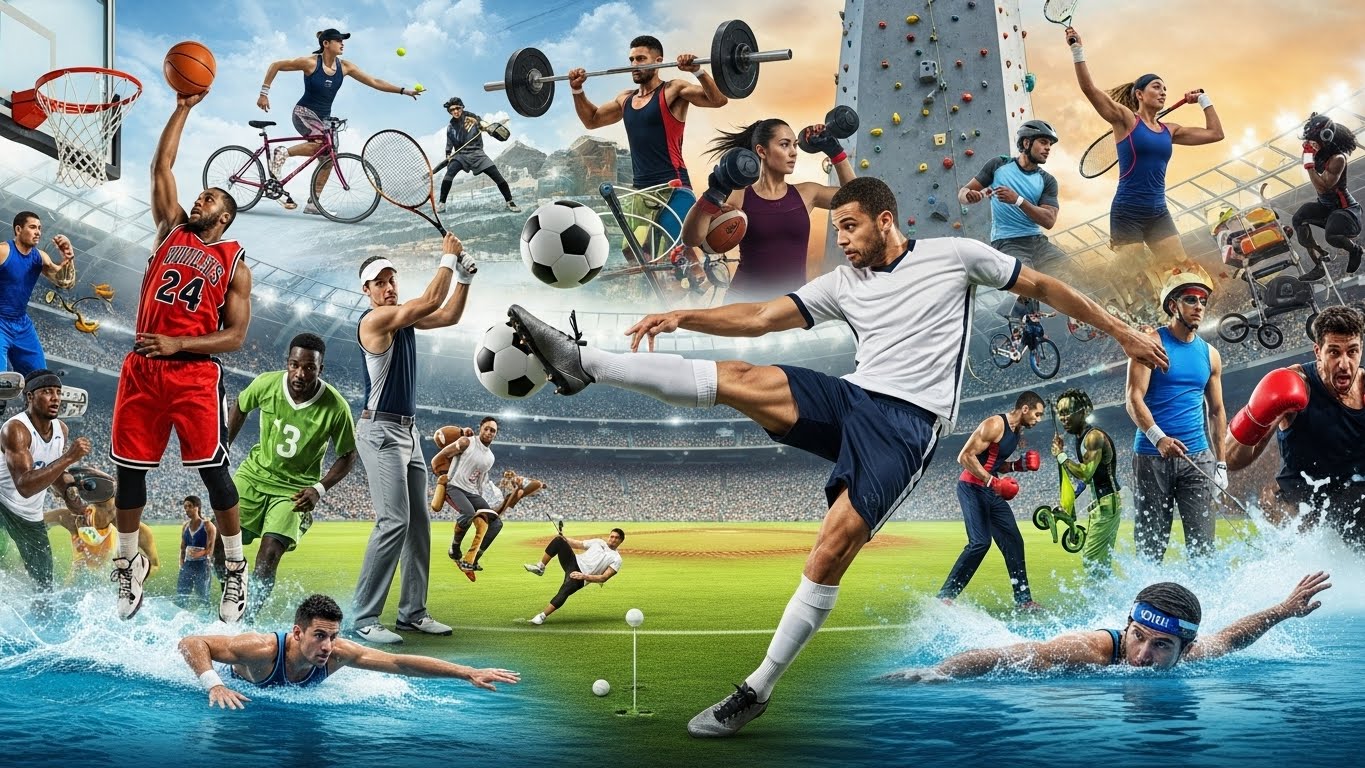

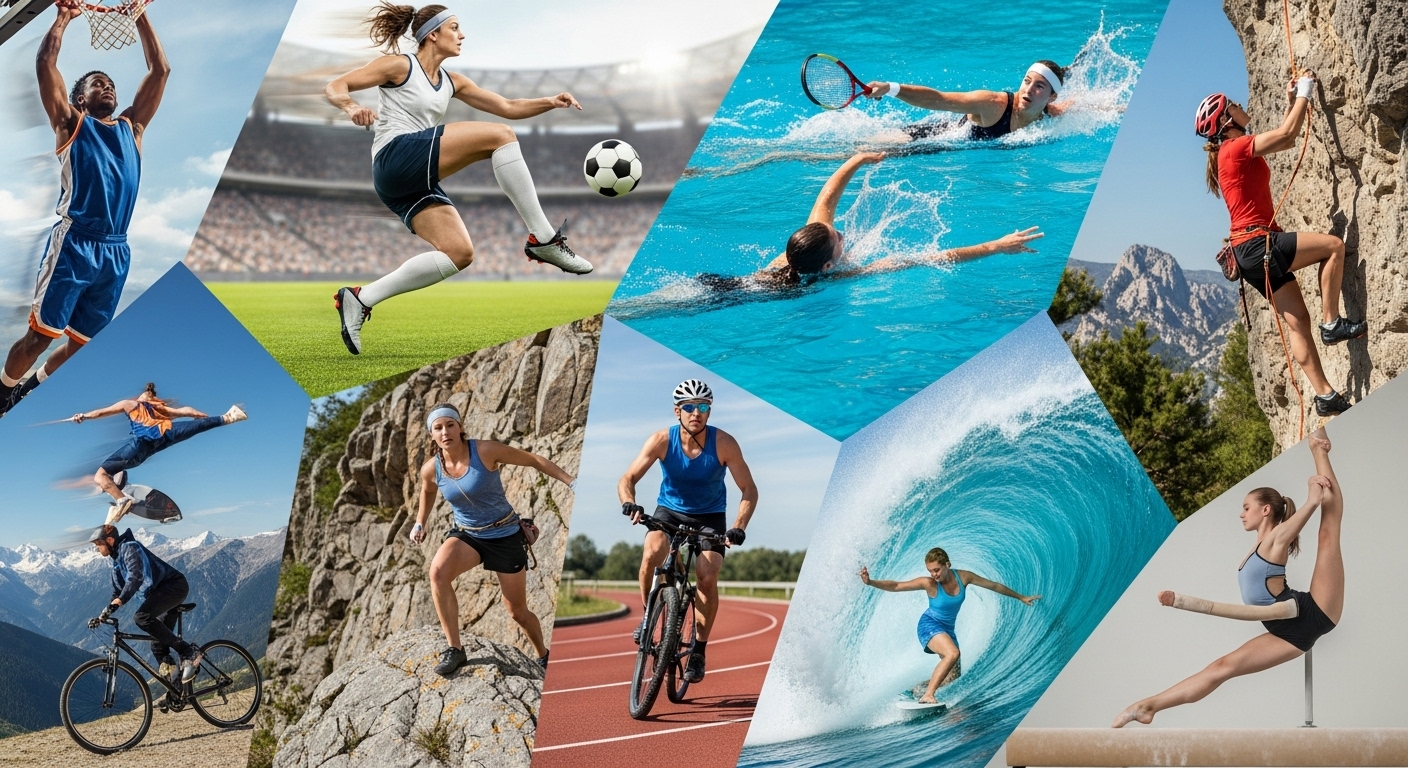
Sports have been an integral part of human culture for centuries, offering far more than just a way to pass time. Whether it’s a casual game of soccer with friends or the high-stakes atmosphere of professional sports leagues, the benefits of engaging in sports extend beyond physical fitness. Sports contribute significantly to mental health, social connections, and even broader societal benefits. In this post, we will explore the various ways sports impact physical health, mental well-being, social dynamics, and their role in shaping cultures globally. By the end of this article, you will have a deeper understanding of how sports contribute to both personal and societal growth.
Physical Health: The Foundation of Sports
The most evident and well-known benefit of participating in sports is the improvement of physical health. Regular physical activity, especially through sports, can enhance several aspects of physical fitness, from cardiovascular health to strength and flexibility. In today’s sedentary lifestyle, where many people spend most of their time sitting at desks or engaging in passive activities, sports offer a vital way to stay active and healthy.
Improved Cardiovascular Health
One of the primary benefits of sports is its positive impact on cardiovascular health. Cardiovascular exercise, such as running, cycling, or swimming, strengthens the heart and improves blood circulation. By engaging in such activities regularly, individuals can lower their risk of heart diseases, such as heart attacks and strokes. Sports that involve continuous movement and aerobic activity help reduce cholesterol levels, manage blood pressure, and increase lung capacity. By enhancing cardiovascular endurance, sports contribute to a longer, healthier life by ensuring that the heart and lungs function at their optimal levels.
Muscle Development and Strength
Different sports focus on various muscle groups, helping to build muscle strength and improve flexibility. Weight-bearing sports like weightlifting, rugby, and gymnastics focus on building strong muscles, which in turn help with bone density and joint strength. This reduces the risk of bone-related injuries and conditions like osteoporosis. Additionally, sports like swimming and cycling enhance both flexibility and strength, making the body more agile and resistant to injuries. Regular participation in sports strengthens muscles, improves coordination, and enhances posture. This is important not only for athletes but also for individuals seeking to stay fit as they age, maintaining strength and mobility over the years.
Weight Control and Fitness
For many people, maintaining a healthy weight is a key motivation for engaging in sports. Sports offer an enjoyable way to stay active and burn calories, making it easier to manage or lose weight. The more vigorous the sport, the more calories it burns. Sports like soccer, basketball, and tennis involve constant movement and can burn a significant number of calories. Even lower-impact activities like walking, cycling, or swimming can help individuals maintain a healthy body weight. By participating in sports, individuals can reduce the risk of obesity and the chronic diseases associated with it, such as diabetes, hypertension, and joint problems. Furthermore, the fitness achieved through sports increases energy levels, making daily tasks easier and improving overall quality of life.
Mental Health: The Psychological Benefits of Sports
Beyond physical health, sports offer profound mental health benefits. Engaging in sports has been shown to reduce stress, anxiety, and depression. Whether it’s the endorphin rush after a run or the sense of accomplishment after a game, physical activity through sports contributes significantly to a positive mental state.
Stress Relief and Mood Enhancement
One of the most immediate mental health benefits of sports is the release of endorphins, the body’s natural mood-boosting chemicals. These endorphins create feelings of happiness and euphoria, commonly referred to as the “runner’s high.” Whether engaging in a competitive match or a leisurely jog, sports act as a natural stress reliever. Physical activity allows individuals to unwind, disconnect from the pressures of daily life, and focus on the present moment. For many, this is a form of meditation, where the mind is engaged in a singular task, allowing worries to dissipate.
Reduction in Anxiety and Depression
Sports can also help combat feelings of anxiety and depression. Regular physical activity promotes better sleep patterns and reduces feelings of tension, which are often linked to anxiety. Engaging in sports helps individuals develop coping mechanisms for dealing with negative emotions. The rhythm of movement, the focus required, and the physical exertion involved in sports serve as effective distractions, helping individuals to shift focus away from troubling thoughts. In addition, participating in team sports can offer emotional support, as teammates become a source of camaraderie and encouragement. Individuals who engage in sports are often better equipped to handle the ups and downs of life, as sports teach resilience and adaptability.
Cognitive Function and Focus
Sports also have a positive impact on cognitive function. Mental sharpness is often required in sports, especially in team sports or competitive games that involve strategy and quick decision-making. This helps improve concentration and decision-making abilities. Regular physical activity has been linked to improved memory, faster reaction times, and enhanced problem-solving skills. Cognitive benefits from sports translate to better performance in other areas of life, including school, work, and personal development. Athletes often exhibit improved time management, multitasking, and analytical thinking, as they are required to juggle various aspects of their sport while staying focused.
Social Benefits: Building Relationships and Communities
In addition to improving physical and mental health, sports foster social connections and contribute to building strong communities. Whether playing at a local park or participating in a competitive league, sports encourage teamwork, communication, and the development of strong relationships.
Teamwork and Cooperation
Team sports, such as soccer, basketball, or rugby, teach individuals how to work together toward a common goal. These activities require players to communicate effectively, trust one another, and collaborate in order to succeed. The spirit of teamwork developed through sports can help individuals foster valuable relationships with others, both on and off the field. Whether it’s strategizing for a game or supporting a teammate during a tough match, sports promote an understanding of the importance of cooperation. These lessons carry over into other areas of life, such as the workplace, where teamwork is essential for success.
Building Friendships and Support Networks
Sports provide an excellent platform for making new friends and forming lasting relationships. Whether through casual games with neighbors or formal competitions, sports bring people together from diverse backgrounds. The shared experience of playing and competing forms the basis of strong friendships. Many athletes cite their teammates as some of their closest friends, and these friendships often extend beyond the sport itself. The sense of belonging and camaraderie that comes with being part of a team or community can help individuals feel supported, which is essential for mental well-being. This social aspect of sports also fosters a sense of identity and community pride, especially in local leagues or national teams.
Social Inclusion and Diversity
Sports can act as a bridge between different social groups. They promote inclusion, helping to break down barriers related to race, religion, gender, and socio-economic status. In a team setting, individuals from various walks of life come together to achieve a shared goal. This fosters understanding and mutual respect, as people learn to work with and support each other, despite differences. Many organizations use sports to promote social inclusion, especially in communities facing challenges such as poverty, inequality, or discrimination. By bringing people together, sports create opportunities for individuals to experience different cultures and perspectives, promoting tolerance and respect.
Sports as a Cultural and Global Connector
Sports have a unique ability to transcend geographical, cultural, and political boundaries. International sporting events like the Olympics, the FIFA World Cup, and the Rugby World Cup bring together athletes from around the world to compete in the spirit of friendly rivalry and unity. Sports serve as a universal language, one that unites people from all backgrounds and walks of life.
International Competitions and Unity
The global reach of sports creates a sense of shared experience among nations. Major sporting events captivate audiences from different cultures and provide a sense of unity that transcends political and social differences. For example, the Olympic Games bring together athletes from over 200 countries, fostering a sense of global camaraderie. These events create opportunities for people to celebrate athletic achievements, cheer for their national teams, and appreciate the talents of others from around the world. Despite political tensions, international sports often serve as a platform for promoting peace, cooperation, and mutual understanding.
Cultural Exchange Through Sports
Sports also provide an avenue for cultural exchange. Athletes who compete internationally share experiences that broaden their understanding of other cultures. Fans attending international competitions gain exposure to new ideas, customs, and ways of life. This exposure fosters greater appreciation for diversity and strengthens cross-cultural relationships. Many countries have used sports as a means of diplomacy, forging connections and goodwill with other nations through athletic competitions. For example, initiatives like “ping-pong diplomacy” between the United States and China in the 1970s demonstrate the potential for sports to foster dialogue and bridge divides.
The Economic Impact of Sports
The sports industry is a significant contributor to the global economy. From professional leagues to community events, sports create jobs, stimulate economic growth, and contribute to various industries.
Job Creation and Economic Growth
The sports sector generates millions of jobs worldwide, not only for athletes but also for coaches, referees, trainers, event organizers, and a host of other professionals. Additionally, the sports media industry provides jobs for broadcasters, journalists, and marketing professionals. Hosting major sports events can bring substantial economic benefits to local communities by boosting tourism and creating temporary employment. For example, cities that host the Olympics or the FIFA World Cup see increased demand for hotels, restaurants, transportation, and retail, which boosts the local economy.
Sponsorship and Commercialization
The commercial aspect of sports is another key driver of the economy. Corporate sponsorships, advertising, and merchandise sales generate billions of dollars each year. Companies are eager to partner with successful athletes, teams, and events to enhance their brand visibility. The revenue generated by professional sports leagues, television broadcasts, and digital platforms has made sports a multibillion-dollar industry. Major sporting events, such as the Super Bowl or the UEFA Champions League, attract global audiences, leading to significant commercial investments and revenue generation.
Conclusion
In conclusion, sports are much more than a source of entertainment—they are a powerful tool for enhancing physical health, improving mental well-being, fostering social connections, and creating economic opportunities. Whether participating in recreational sports or watching elite athletes compete, the benefits of sports extend far beyond the playing field. Through teamwork, discipline, and cultural exchange, sports provide a universal language that brings people together, promotes unity, and enhances quality of life. As we continue to invest in and celebrate sports, we can look forward to a healthier, more connected, and inclusive world.