
Introduction
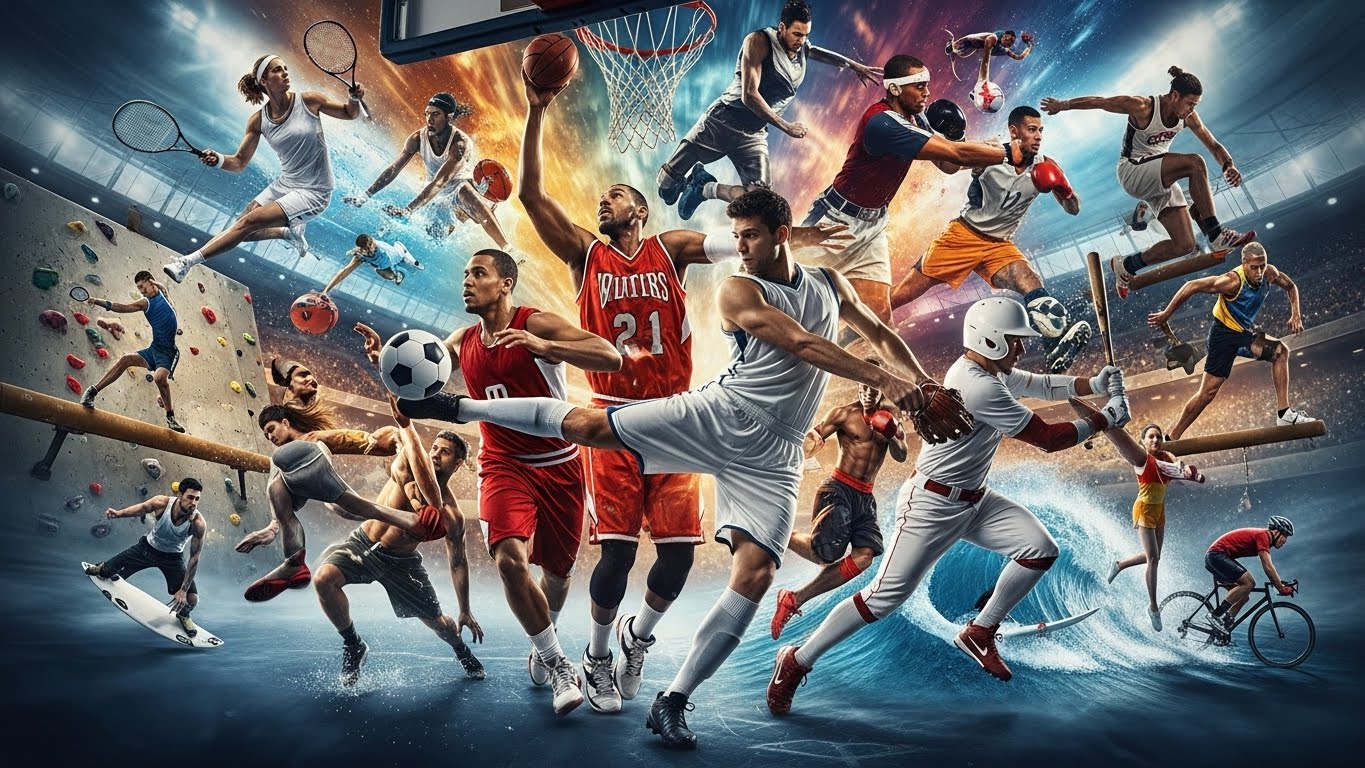
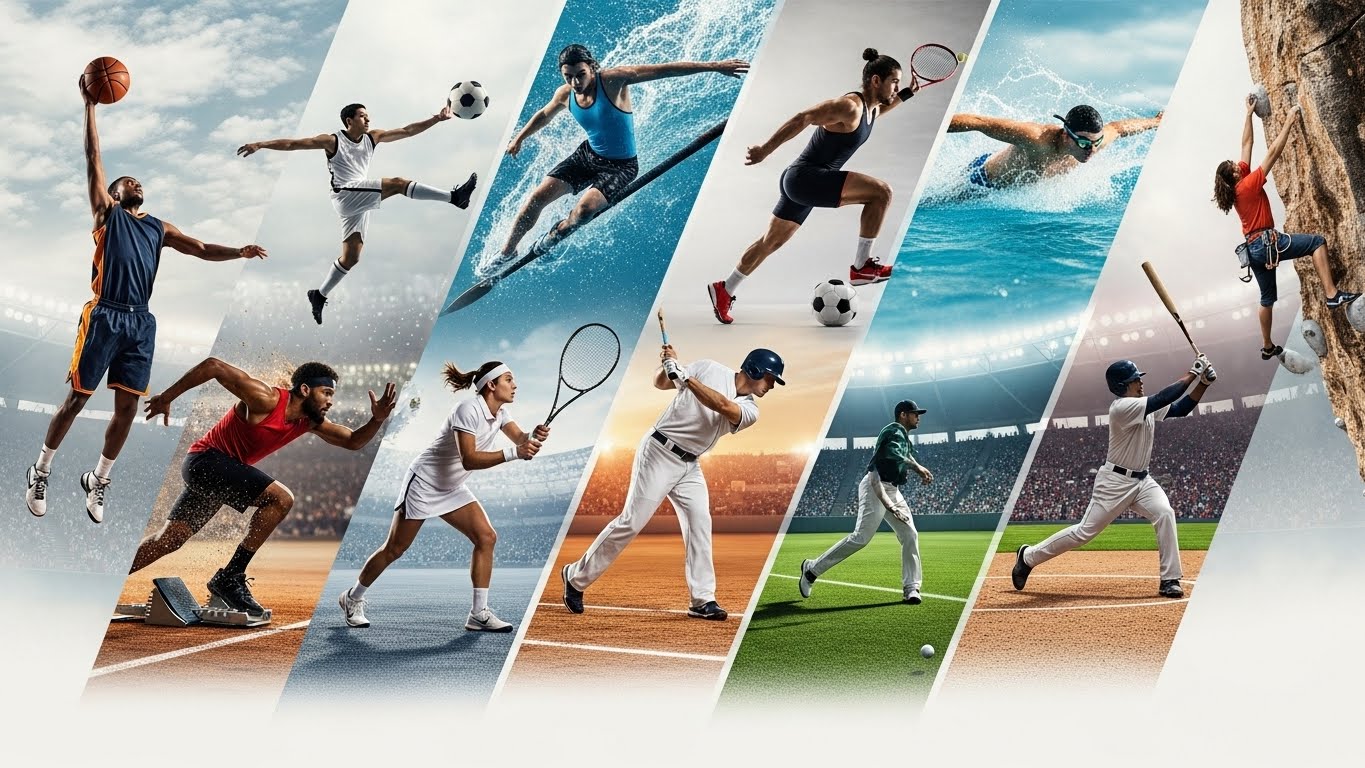
Sport is far more than a competition played on fields courts or tracks. It is a living pulse that runs through human history connecting people across cultures generations and beliefs. From ancient tribal games to modern global tournaments sports have always reflected who we are what we value and how we relate to one another. They inspire passion teach discipline create heroes and sometimes spark controversy. In every form sport mirrors life itself with its struggles victories failures and comebacks. This blog explores the deeper meaning of sports their impact on individuals and societies and why they remain essential in the modern world.
The Origins and Evolution of Sport
The roots of sport stretch back thousands of years when early humans engaged in physical contests to prepare for survival. Running throwing wrestling and archery were not only games but essential skills. Over time these activities evolved into organized competitions with rules traditions and spectators. Ancient civilizations such as Greece Rome China and Mesoamerica used sports for religious ceremonies military training and public entertainment. The Olympic Games of ancient Greece celebrated physical excellence and unity while medieval tournaments showcased honor and bravery.
As societies developed sports became more structured. The industrial era introduced standardized rules clubs and leagues making sports accessible to wider populations. Today modern technology media and globalization have transformed sports into a worldwide phenomenon watched by billions. Despite these changes the core spirit of sport remains the same a test of human potential and resilience.
Physical Benefits Beyond Fitness
One of the most obvious contributions of sports is physical health. Regular participation improves strength endurance flexibility and coordination. It helps prevent chronic diseases such as heart conditions diabetes and obesity. However the benefits go beyond visible fitness. Sports enhance immune function improve sleep patterns and boost energy levels. They teach individuals to respect their bodies understand limits and pursue long term well being.
For young people sports play a crucial role in growth and development. They encourage healthy habits from an early age reducing the risk of sedentary lifestyles. For older adults sports adapted to age and ability help maintain mobility balance and mental sharpness. At every stage of life physical activity through sport contributes to a healthier more active population.
Mental Strength and Emotional Resilience
Sport is a powerful tool for mental development. Athletes learn focus discipline and goal setting through training and competition. The pressure of performance teaches how to manage stress remain calm under challenges and make quick decisions. Losing a match or failing to meet expectations builds emotional resilience and teaches valuable lessons about perseverance and humility.
Participation in sports is also linked to improved mental health. Physical activity releases endorphins which reduce anxiety and depression. Team sports provide a sense of belonging and social connection which is vital for emotional well being. Even individual sports offer clarity self awareness and confidence. Through sport people often discover inner strength they never knew they possessed.
Character Building and Life Skills
Sports are among the most effective teachers of character. Values such as honesty respect teamwork and responsibility are learned not through lectures but through experience. Fair play teaches integrity while following rules instills discipline. Working with teammates builds communication skills empathy and trust. Leadership emerges naturally when individuals take responsibility and motivate others.
These lessons extend far beyond the playing field. Athletes carry the skills learned in sport into their education careers and relationships. Time management commitment and adaptability become part of their identity. In this way sports contribute to the development of well rounded individuals prepared to face real world challenges.
Social Unity and Cultural Identity
Sports have a unique ability to bring people together. Regardless of language religion or background fans unite in support of a team or athlete. Major sporting events create shared experiences that strengthen social bonds. Streets fill with celebration homes gather around screens and strangers exchange emotions in moments of victory or defeat.
At a national level sports often symbolize identity and pride. Success on the international stage boosts morale and inspires future generations. Traditional sports preserve cultural heritage while modern competitions showcase diversity and inclusion. In times of conflict or division sports can serve as a bridge promoting dialogue understanding and peace.
Economic Impact and Global Industry
In the modern era sports have grown into a significant economic force. Professional leagues tournaments sponsorships and merchandise generate employment and revenue worldwide. Cities invest in stadiums infrastructure and events to boost tourism and development. Athletes become global brands influencing fashion media and popular culture.
While commercialization brings opportunities it also raises challenges. Balancing profit with fairness accessibility and athlete welfare is an ongoing concern. Nevertheless the economic impact of sports supports communities creates careers and fuels innovation making it an integral part of the global economy.
Technology and the Changing Face of Sport
Technology has reshaped how sports are played trained and consumed. Advanced equipment improves performance and safety. Data analysis and sports science help athletes optimize training and recovery. Video review systems enhance fairness and accuracy in officiating. Fans experience games through immersive broadcasts social platforms and real time updates.
At the same time technology has expanded access. Virtual training online communities and digital content allow more people to engage with sports regardless of location. While tradition remains important innovation ensures that sports continue to evolve with society.
Challenges and Ethical Questions
Despite its many positives sport is not without challenges. Issues such as doping corruption inequality and excessive pressure on athletes threaten its integrity. The pursuit of victory at any cost can overshadow values of fairness and respect. Addressing these problems requires strong governance education and accountability.
There is also growing awareness of inclusivity and equality in sports. Efforts to promote gender balance disability access and opportunities for marginalized communities are essential. When sports reflect justice and respect they truly fulfill their role as a positive social force.
The Future of Sport
Looking ahead sports will continue to adapt to changing lifestyles and expectations. Emphasis on mental health sustainability and community engagement is increasing. Grassroots programs aim to make sports accessible to all while elite competition pushes the boundaries of human performance. New formats and emerging sports reflect the creativity and diversity of younger generations.
No matter how they change sports will always remain rooted in human emotion effort and connection. They will continue to tell stories of struggle triumph and hope inspiring people across the world.
Conclusion
Sports are far more than games played for entertainment. They shape bodies minds and societies in profound ways. They teach discipline build character unite communities and reflect cultural values. In a rapidly changing world sports offer something timeless a reminder of our shared humanity and our endless capacity to strive improve and overcome. Whether played casually or watched passionately sports remain a vital force that enriches life and connects us all.