

Introduction
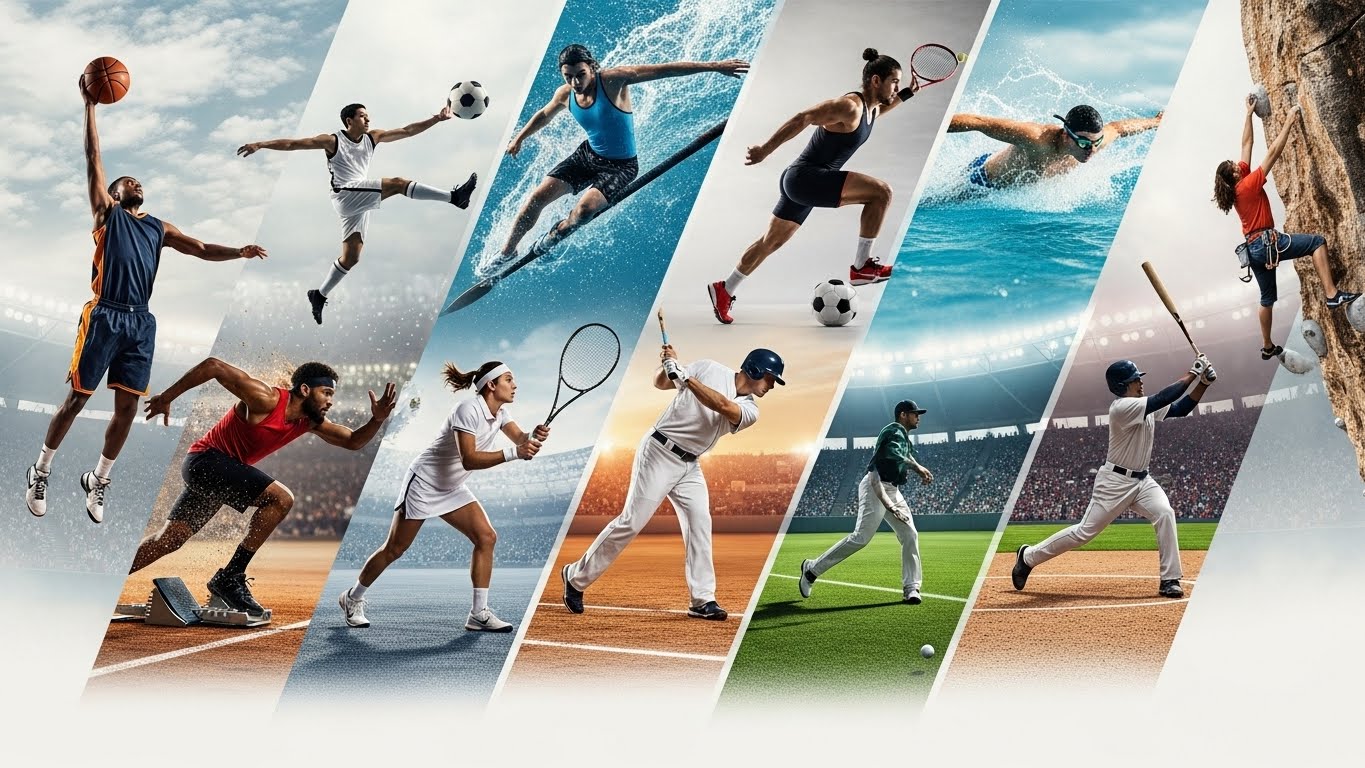
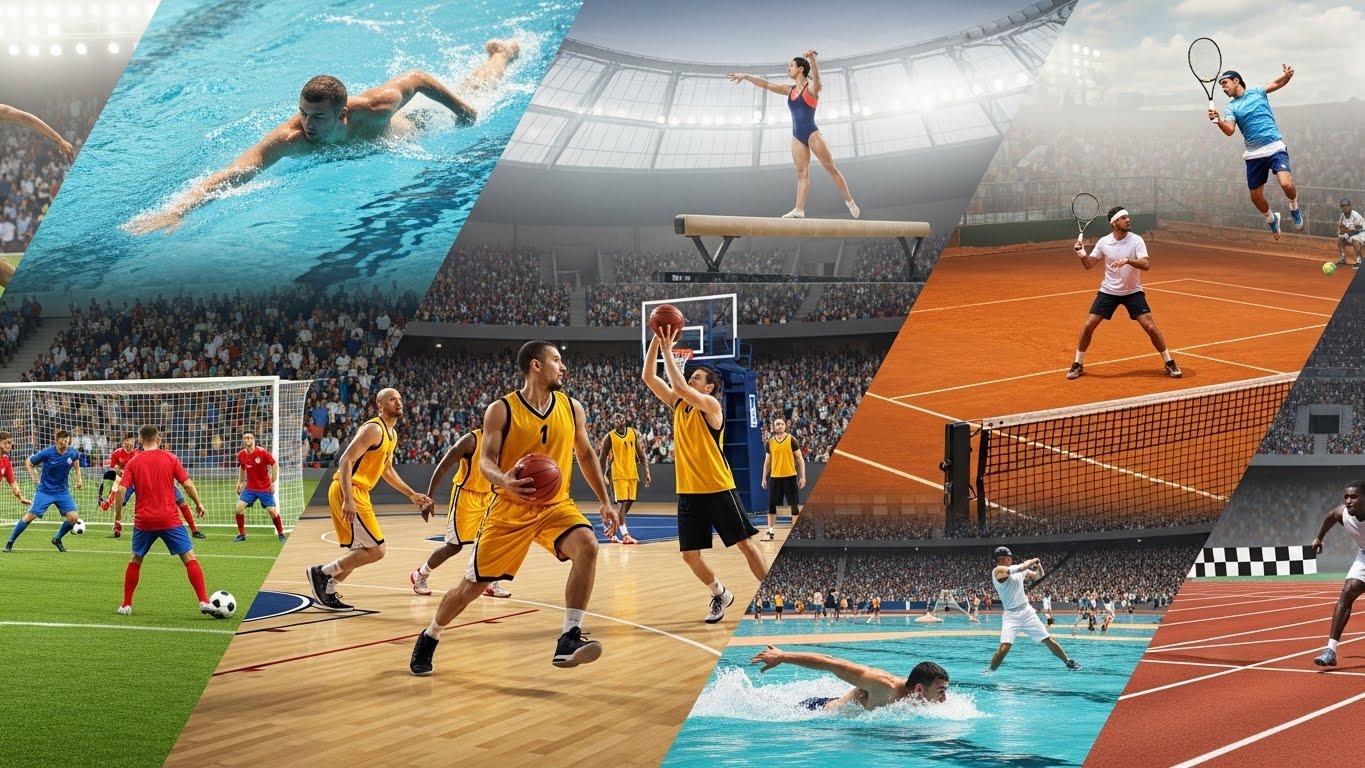
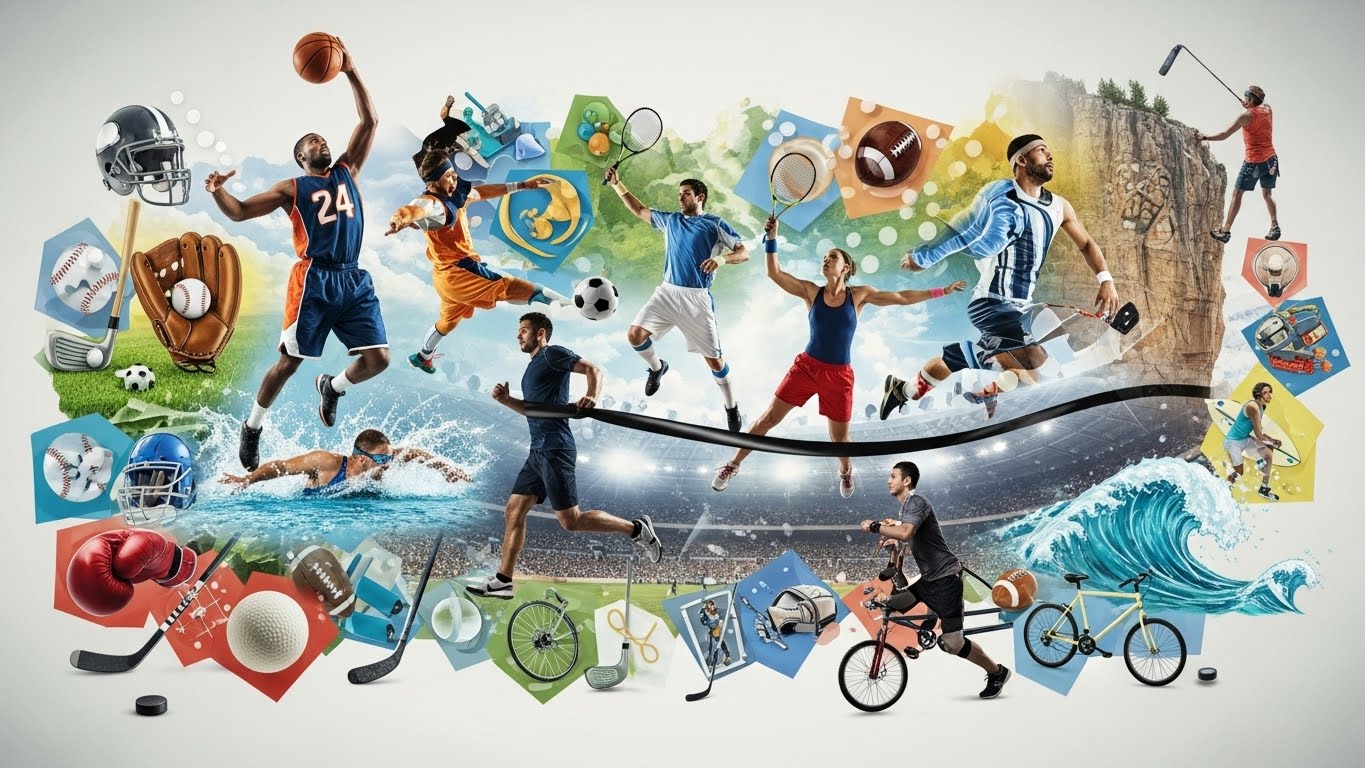
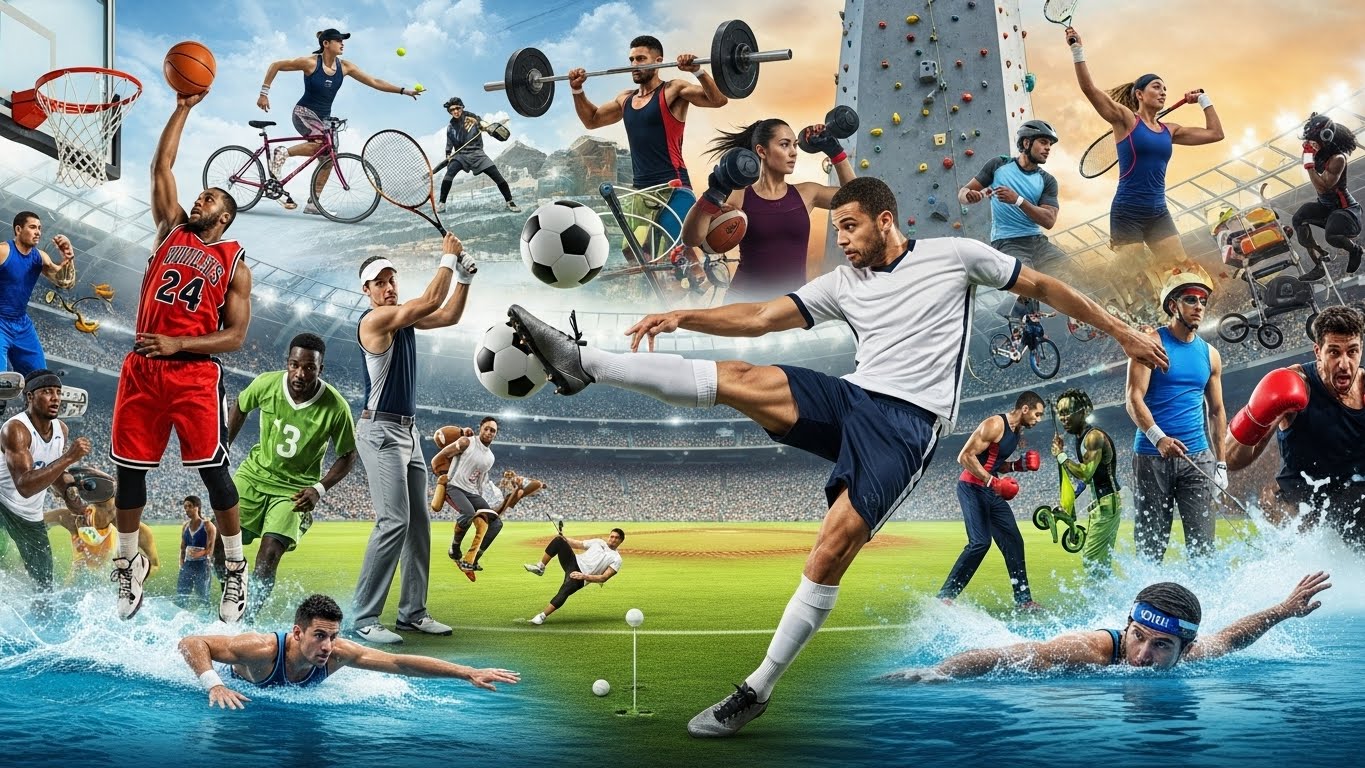
Sports have always been an integral part of human civilization. From ancient times when people competed in physical contests for honor and survival, to modern professional leagues and global tournaments, sports reflect both human skill and spirit. They are not just activities but powerful tools that influence health, culture, economy, and social connections. Sports inspire dedication, teamwork, and perseverance while uniting communities across nations. They go beyond competition, becoming a universal language that brings people together regardless of background, age, or nationality.
The Historical Evolution of Sports
The origins of sports date back thousands of years. Ancient civilizations, including the Greeks and Romans, organized competitive games such as the Olympics and gladiatorial contests. These events celebrated physical strength, strategy, and endurance. Over centuries, informal contests evolved into structured sports with standardized rules, from football and cricket to athletics and tennis. The growth of sports has paralleled human development, reflecting societal values and technological advancements. Today, sports are a global phenomenon, showcasing talent and passion while connecting cultures worldwide.
Sports and Physical Health
At the heart of sports lies the promotion of physical well-being. Regular participation in sports strengthens muscles, improves cardiovascular health, and enhances flexibility and stamina. Sports also help maintain a healthy weight, improve coordination, and reduce the risk of chronic diseases. For children and adolescents, sports encourage the development of motor skills, discipline, and lifelong healthy habits. Adults benefit from stress relief, improved mental health, and increased energy levels. In a world where sedentary lifestyles are becoming increasingly common, sports provide a fun and effective way to maintain physical fitness.
The Psychological Benefits of Sports
Sports have profound effects on mental health and emotional well-being. They teach resilience, helping individuals cope with setbacks and failures. Athletes learn to focus under pressure, set achievable goals, and maintain motivation. Participation in sports also fosters teamwork, leadership, and problem-solving skills. Recreational sports reduce stress, anxiety, and depression, while organized competitive sports provide a sense of achievement and purpose. By promoting mental discipline alongside physical activity, sports contribute to the overall development of the human mind and character.
Sports as a Social Connector
One of the greatest powers of sports is its ability to connect people. Sports bring families, friends, and communities together, creating shared experiences and memories. Local matches, school tournaments, and amateur leagues foster camaraderie and social interaction. International events, such as the Olympics or the FIFA World Cup, unite nations and create moments of global celebration. Sports provide a platform for cultural exchange, understanding, and mutual respect, proving that the love of the game can transcend language, culture, and borders.
Professional Sports and Global Influence
Professional sports have evolved into a multi-billion-dollar industry with worldwide influence. Athletes inspire millions with their skill, dedication, and perseverance. Professional leagues generate employment, drive economic growth, and foster tourism. Sports also influence fashion, media, and entertainment, creating a cultural ripple effect far beyond the playing field. The careers of professional athletes often extend into philanthropy, mentoring, and community development, demonstrating how sports can be a force for positive change.
Women in Sports: Breaking Barriers
Historically, sports were dominated by men, but women have gradually carved a significant space in the athletic world. Female athletes are now competing at the highest levels, breaking records and gaining recognition for their achievements. The rise of women’s leagues, international tournaments, and increased media coverage has inspired younger generations and promoted gender equality. Women in sports challenge stereotypes and prove that talent, hard work, and determination know no gender. Their success emphasizes inclusivity and the transformative power of opportunity in the sporting world.
Technology and Sports
Technology has revolutionized sports in multiple ways. Wearable devices track performance, health metrics, and training progress. Advanced analytics help teams devise strategies, assess opponents, and improve player performance. Video replay systems and goal-line technologies ensure fairness and accuracy in competitions. Fans can now experience games through virtual reality, augmented reality, and interactive digital platforms. Technology has enhanced both player capabilities and fan engagement, creating a more dynamic and immersive sporting experience.
Sports and Youth Development
Youth participation in sports is crucial for personal development. Sports teach discipline, teamwork, and leadership from an early age. Children develop social skills, confidence, and ethical values through training and competition. Youth sports programs also provide structured and safe environments for recreation, reducing the risks associated with inactivity and harmful behaviors. Coaching and mentorship guide young athletes to excel not only in sports but also in academics and personal growth, preparing them for future challenges.
Globalization of Sports
Sports have transcended local and national boundaries, becoming a global phenomenon. International tournaments and leagues attract audiences worldwide, fostering cultural exchange and mutual appreciation. Players often compete in foreign countries, sharing knowledge, talent, and sportsmanship. Global media coverage and social platforms enable fans to follow competitions in real-time, creating an interconnected sporting community. The globalization of sports demonstrates the universal appeal of competition and the shared excitement it generates across the world.
Economic Impact of Sports
Sports contribute significantly to national and global economies. Major tournaments stimulate tourism, hospitality, and merchandising. Professional leagues create employment in areas such as coaching, medical services, broadcasting, and marketing. Sponsorships, advertising, and media rights provide additional revenue streams. Investments in sports infrastructure, including stadiums, training centers, and recreational facilities, benefit local communities. Sports are not only a source of entertainment but also a powerful engine for economic growth and development.
Sports and Health Awareness
Sports play a vital role in promoting health awareness. Major sporting events and athlete campaigns highlight fitness, nutrition, mental well-being, and anti-doping practices. Communities are encouraged to adopt active lifestyles, engage in preventive health measures, and prioritize physical and mental wellness. Sports provide a platform for disseminating public health messages effectively, demonstrating the broader social responsibility of the sporting world.
The Role of Sports in Education
Education and sports are closely intertwined. Participation in sports enhances cognitive abilities, discipline, and time management. Many schools and universities incorporate athletics into their curriculum, fostering holistic development. Student-athletes learn to balance academics and sports, building resilience and multitasking skills. Sports also provide opportunities for scholarships and career development, emphasizing the importance of combining physical activity with intellectual growth.
The Future of Sports
The future of sports is both exciting and transformative. Emerging technologies like artificial intelligence, virtual reality, and advanced performance analytics will continue to elevate the game. Esports is becoming an increasingly significant branch of competitive sports, blending traditional athletic skills with digital strategy. Adaptive sports for differently-abled athletes will continue to expand, promoting inclusivity. The integration of technology, health awareness, and global connectivity promises a future where sports are more accessible, engaging, and influential than ever before.
Conclusion
Sports are more than mere games—they are a reflection of human potential, culture, and resilience. They inspire physical fitness, mental strength, social connection, and economic growth. From local communities to international stages, sports unite people, break barriers, and create lasting memories. With advancements in technology, increased inclusivity, and global participation, the impact of sports will continue to grow. Ultimately, sports remind us of the power of dedication, teamwork, and perseverance, proving that the lessons learned on the field extend far beyond the game.