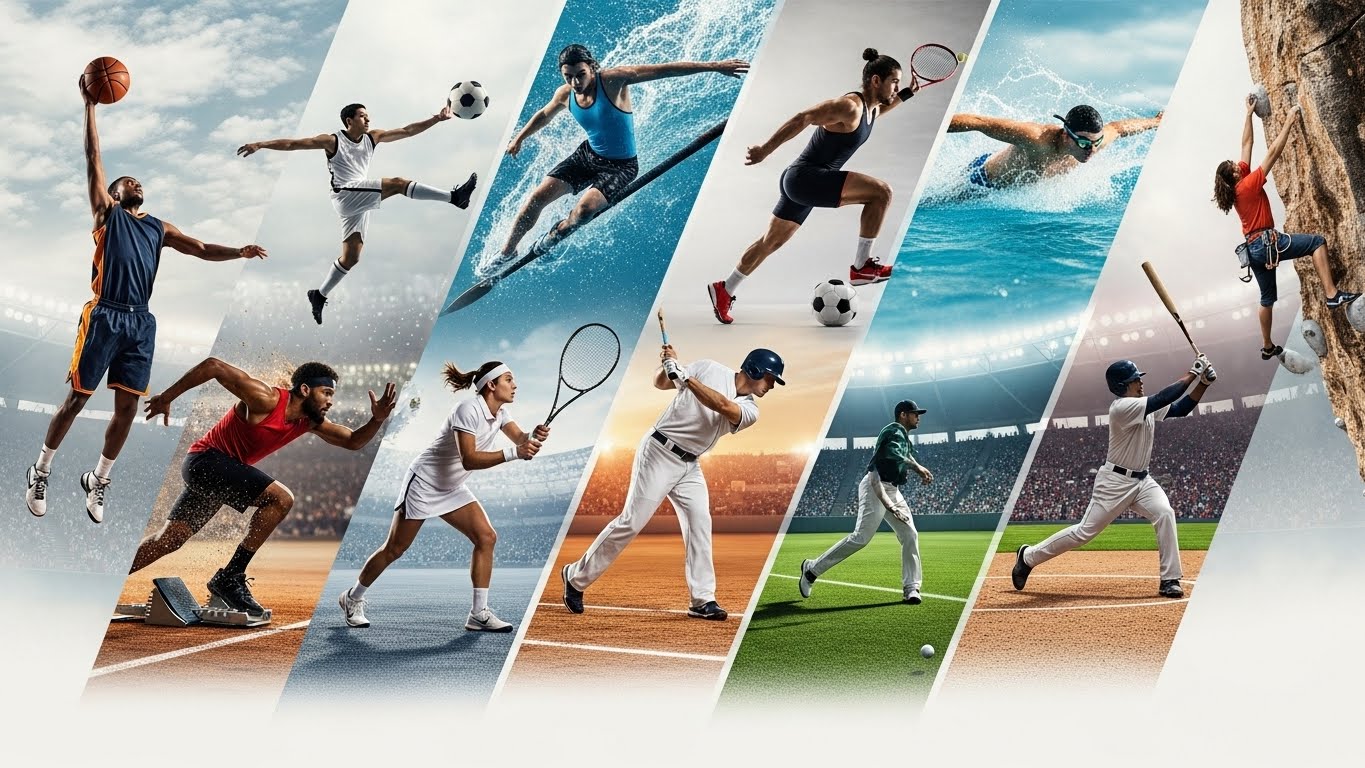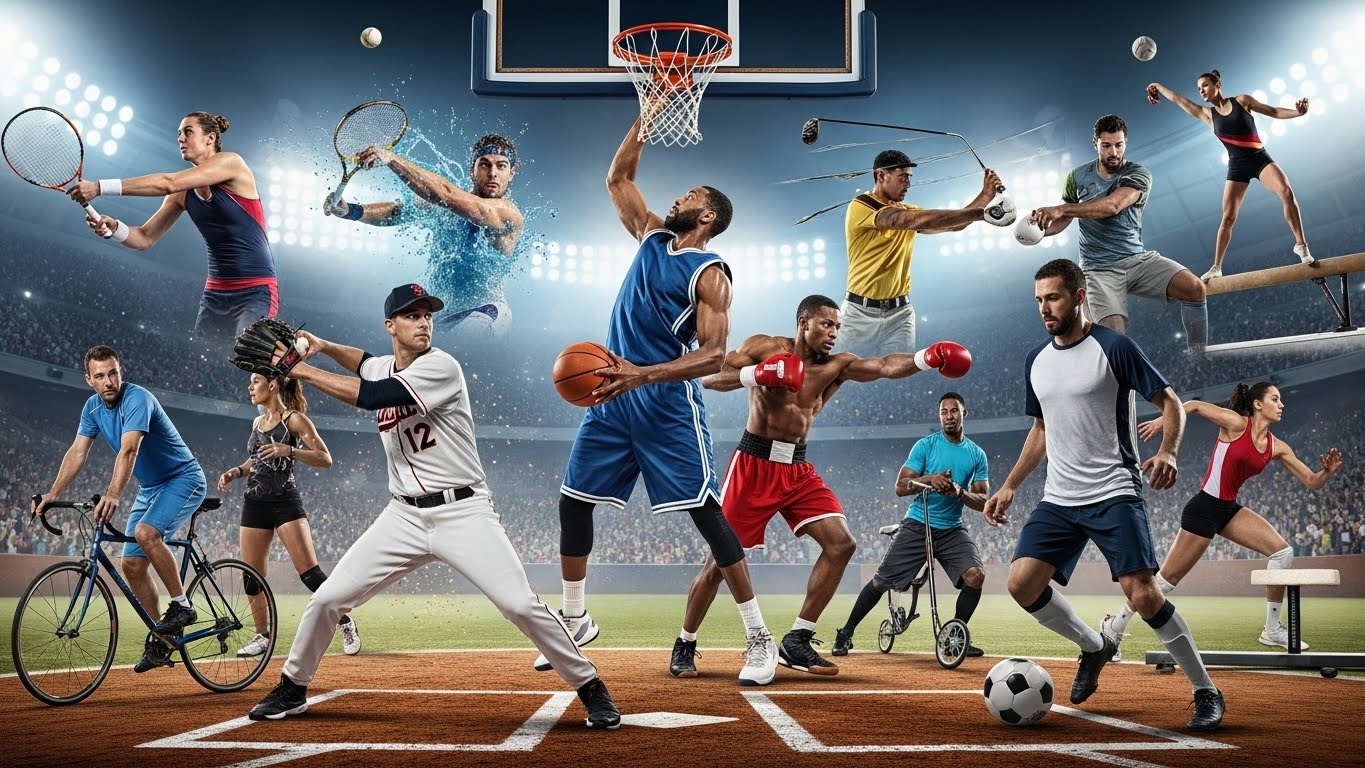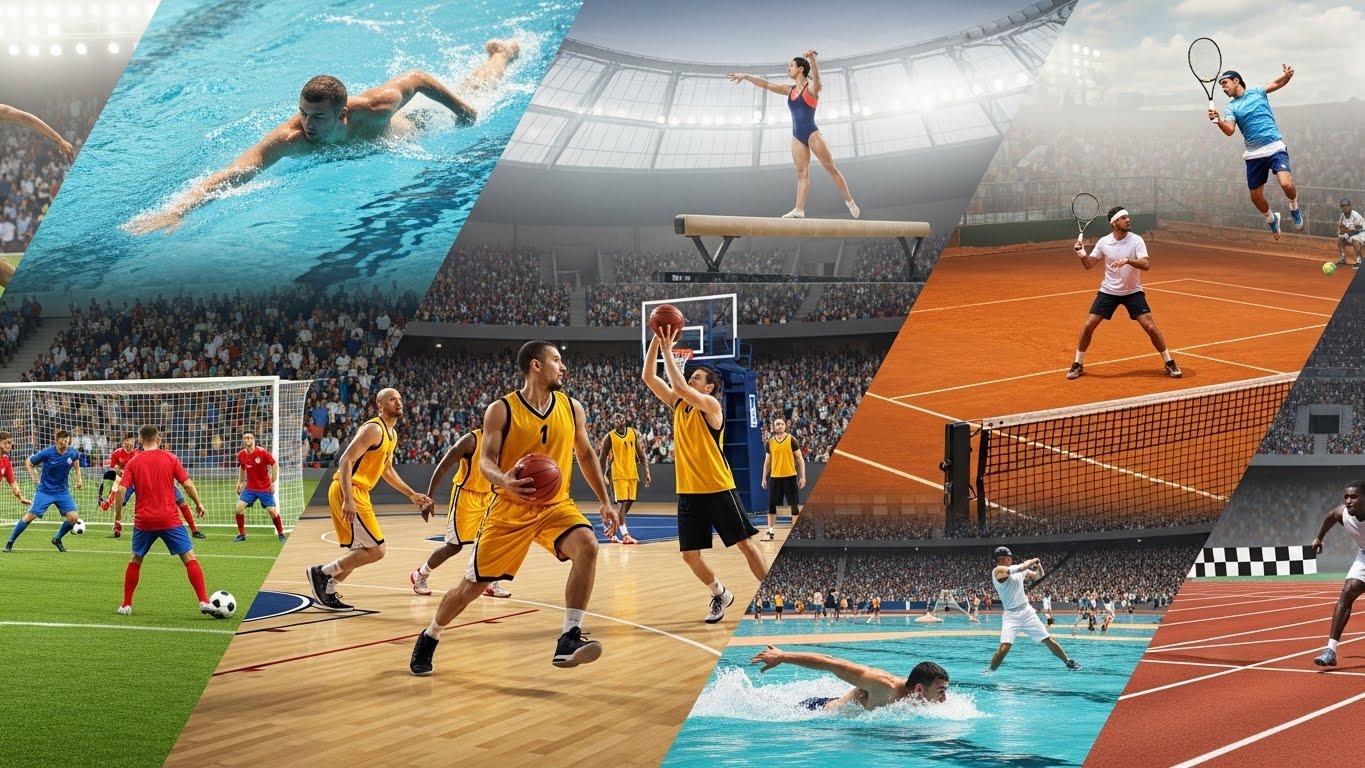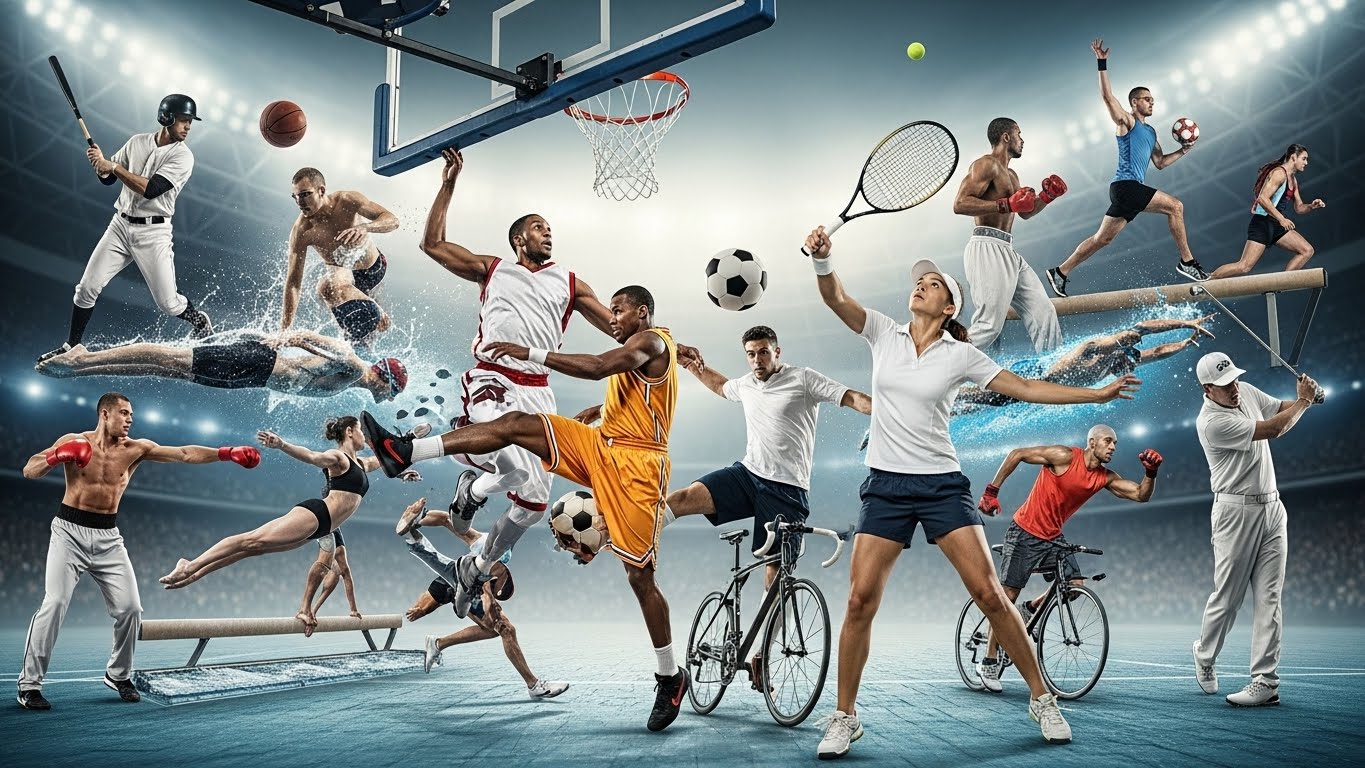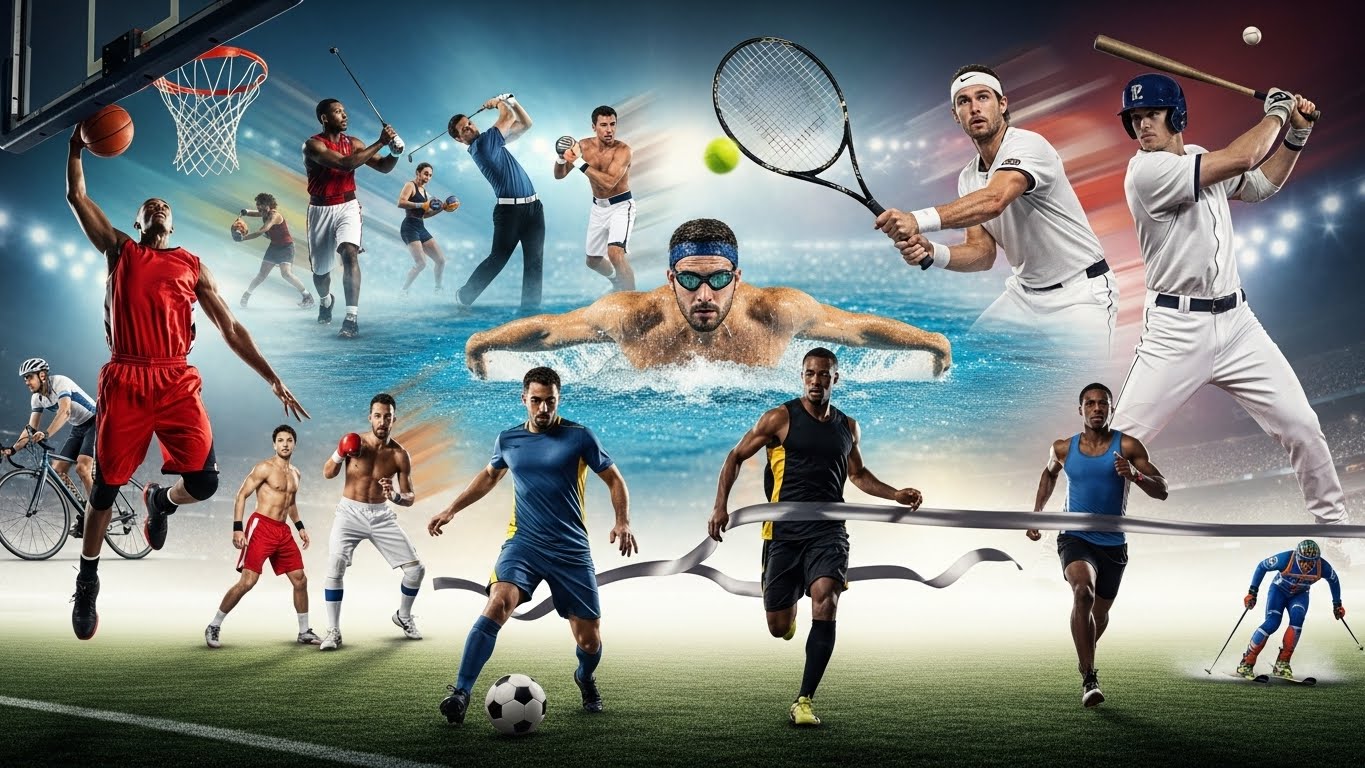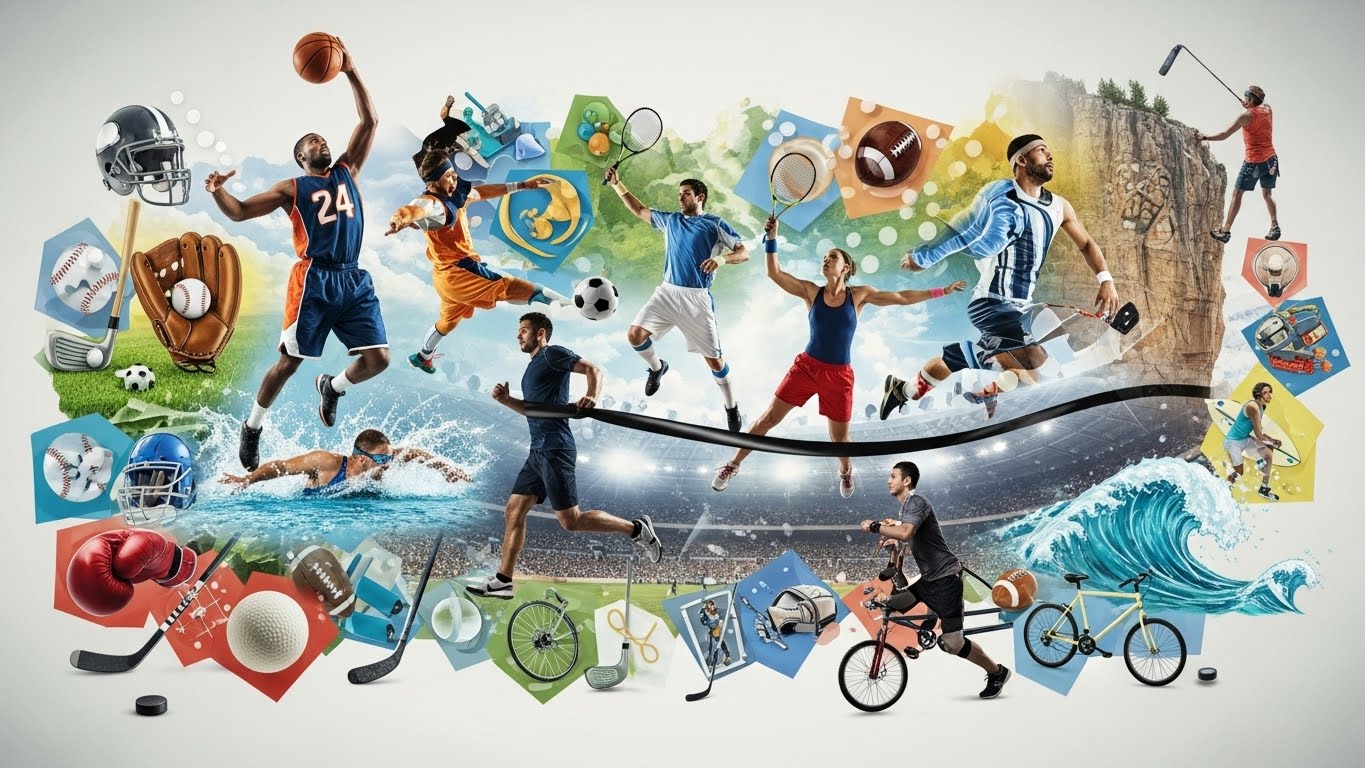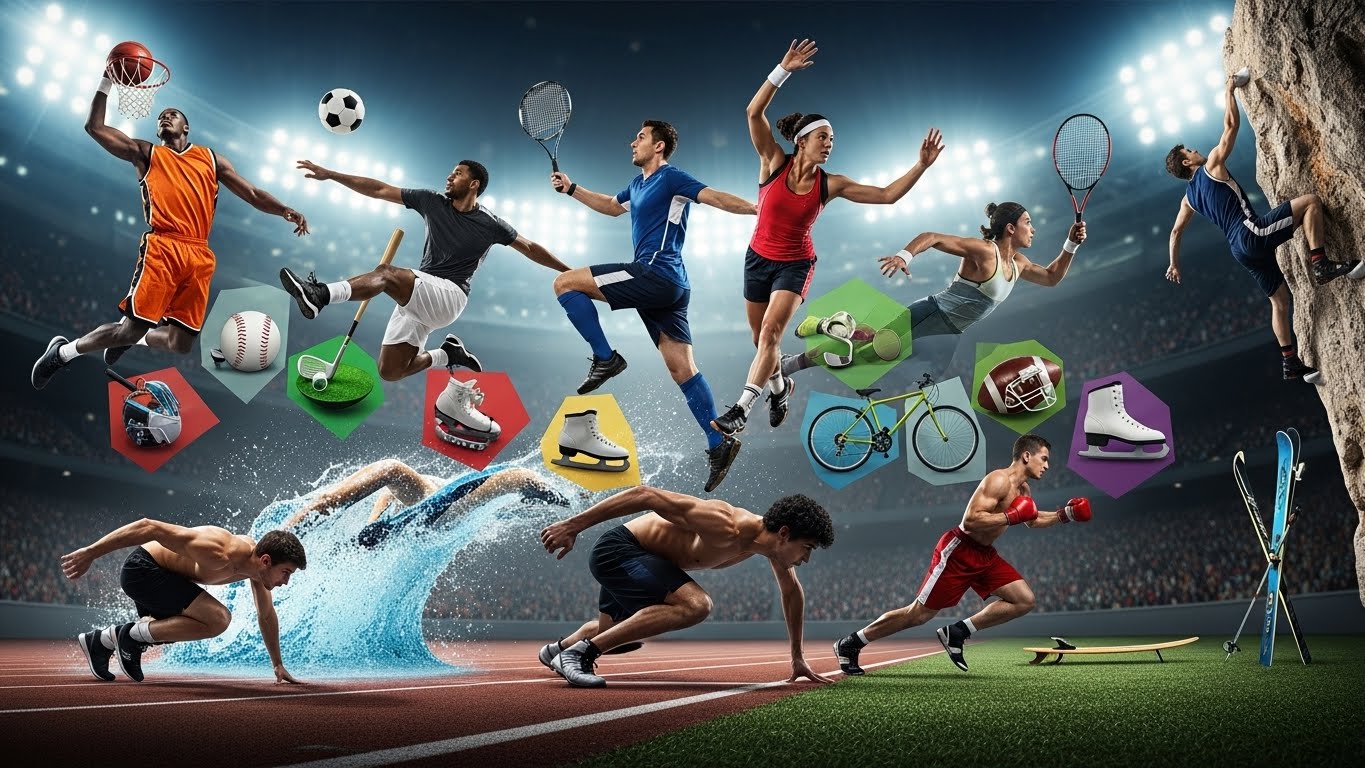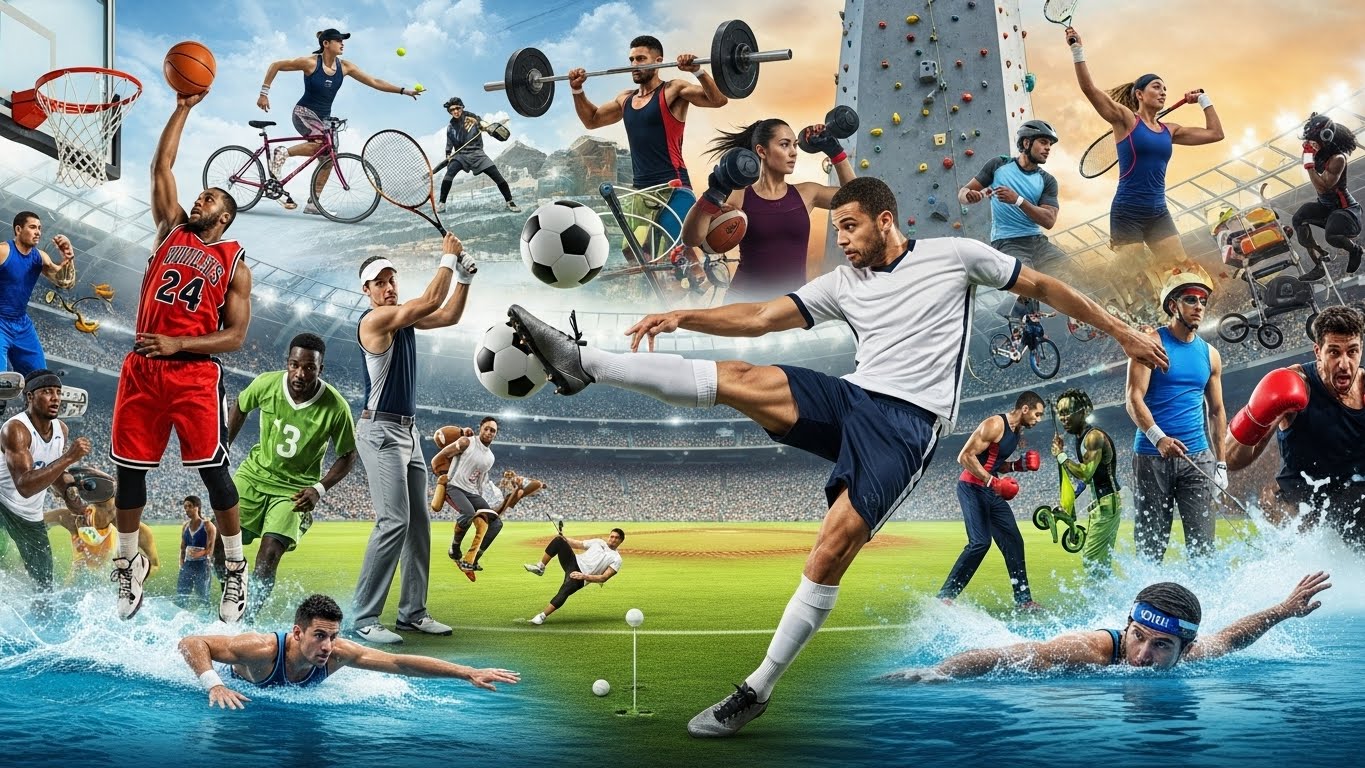

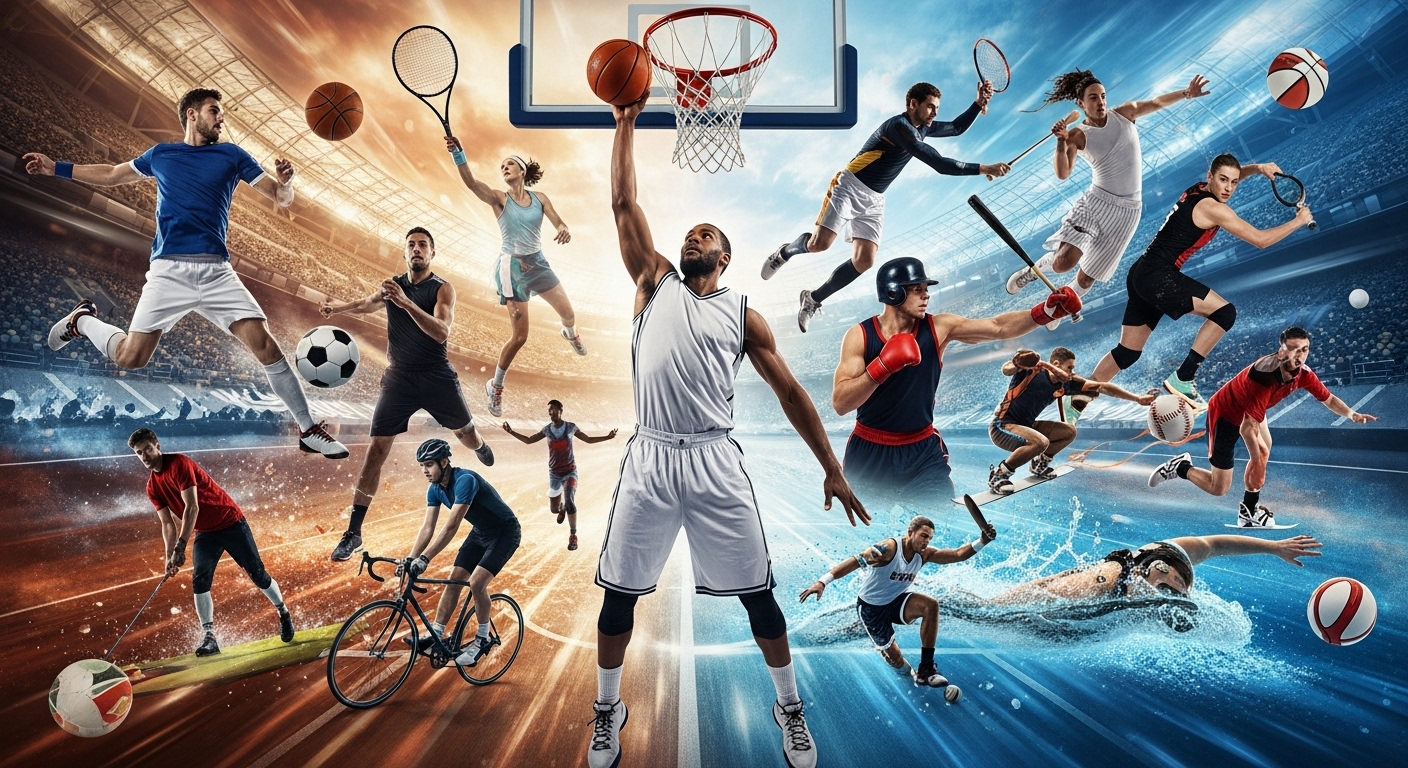
Sports are integral to human culture, providing more than just entertainment or a means to pass the time. They offer a diverse range of physical, emotional, and social benefits that can positively impact individuals and communities worldwide. Whether through the joy of playing a game, the discipline gained through training, or the sense of unity fostered during competition, sports are essential in shaping character, improving health, and even uniting people across borders. In this blog post, we will explore the far-reaching influence of sports, examining the physical benefits, their impact on mental health, the lessons learned from discipline and teamwork, the role of sports in fostering global unity, and their economic contributions to society.
The Physical Benefits of Sports
One of the most obvious reasons people engage in sports is for the physical benefits they offer. Regardless of whether you’re participating in a casual game of tennis with friends or competing in an intense marathon, regular physical activity through sports can significantly improve overall health and well-being.
Improved Cardiovascular Health
Physical activity is essential for maintaining cardiovascular health. Sports such as running, cycling, swimming, and team-based games like soccer or basketball provide excellent cardiovascular workouts. These activities increase heart rate, which strengthens the heart and improves blood circulation. With regular participation, athletes lower their risk of heart disease, stroke, and high blood pressure. Regular sports participation has been shown to improve endurance and stamina, making the heart more efficient at pumping blood and oxygen throughout the body. This is especially important as people age, as maintaining a healthy cardiovascular system is key to longevity.
Strength and Muscle Development
Different sports focus on strengthening various muscle groups, contributing to overall muscle mass and bone density. For example, weightlifting is excellent for building strength, increasing muscle tone, and enhancing joint flexibility. On the other hand, sports such as swimming or yoga focus on improving flexibility, joint health, and overall body posture. Whether you are sprinting, swimming, or lifting weights, sports require intense physical effort, and this effort translates to stronger bones, better muscle coordination, and improved posture.
Weight Management and Fitness
Sports also play an important role in maintaining a healthy weight. The energy expenditure associated with participating in sports leads to calorie burn, which can help in weight loss or maintenance. Sports like soccer, basketball, and rugby, which require continuous movement, help burn a significant number of calories, reducing body fat while maintaining lean muscle mass. Regular participation in physical activities can also boost metabolic rates, ensuring that individuals maintain a healthy weight over time. Engaging in sports not only makes weight management more fun and interesting but also encourages long-term commitment to fitness goals.
Mental Health and Emotional Well-being through Sports
Beyond the physical benefits, sports have a profound impact on mental health. The mental and emotional advantages of sports are becoming increasingly recognized, as they can offer stress relief, promote better mood regulation, and even improve cognitive functioning.
Stress Relief and Improved Mood
Engaging in sports is a natural way to alleviate stress. Physical exercise releases endorphins, which are often referred to as “feel-good” hormones. These endorphins help to reduce stress and anxiety, boost mood, and increase feelings of happiness and relaxation. Whether it’s the competitive rush of a football match or the calm rhythm of yoga, sports offer an opportunity to clear your mind and focus on the present moment. The physical exertion involved in sports can also help to release pent-up emotional tension, promoting a sense of relaxation and calmness post-exercise.
Improved Self-Esteem and Confidence
Sports help improve self-esteem in several ways. First, through the achievement of personal goals—whether it’s improving a personal best, scoring a winning goal, or mastering a challenging technique—individuals gain a sense of accomplishment. This fosters self-confidence, which carries over to other areas of life. In addition, participation in sports often leads to a stronger sense of self-worth. Athletes who experience improvement in their skills or achieve success in their chosen sports often develop a more positive self-image, which helps them deal with challenges in work, school, and personal relationships.
Better Focus and Mental Clarity
Sports also contribute to cognitive health. Regular physical activity has been linked to improved memory, sharper concentration, and better overall mental performance. Through sports, individuals develop mental discipline, which can enhance focus both on and off the field. Strategic games like chess, tennis, or basketball require players to think critically, anticipate opponents’ moves, and make fast decisions. These cognitive demands help sharpen the brain, improve problem-solving abilities, and increase mental agility, which translates into better decision-making in everyday life.
Discipline and Teamwork: Life Lessons from Sports
In addition to the physical and mental benefits, sports also teach invaluable life lessons related to discipline, perseverance, and teamwork. These lessons have a lasting impact on individuals, both inside and outside the sporting arena.
The Value of Discipline
In sports, achieving success requires consistent effort, practice, and commitment. Athletes must adhere to training schedules, follow healthy diets, and maintain focus on long-term goals. The discipline required to excel in sports teaches individuals how to set goals, manage time effectively, and stay motivated through challenges. This sense of discipline extends far beyond the sports field, helping athletes stay focused on academic or professional goals as well. Learning how to push through difficult times, stay committed to objectives, and remain disciplined in the face of adversity is one of the most valuable takeaways from sports.
Learning to Overcome Setbacks
Sports often involve setbacks—whether it’s losing a match, making mistakes during a game, or enduring injuries. However, these setbacks teach resilience and perseverance. Athletes quickly learn that failure is part of the journey and that success often requires overcoming obstacles. Learning how to handle disappointment, adjust strategies, and keep moving forward builds resilience that serves individuals well in their personal and professional lives. The ability to bounce back from setbacks with a positive attitude is a crucial skill that sports help instill.
Teamwork and Cooperation
One of the greatest strengths of team sports is the emphasis on collaboration and cooperation. Working together toward a shared goal fosters strong bonds between teammates, helping them learn to communicate effectively, trust each other, and support one another. Team sports also teach conflict resolution skills, as athletes must work through disagreements, compromise, and find solutions together. Whether playing soccer, basketball, or rugby, athletes quickly realize that success depends not just on individual skill but on the collective efforts of the team. These lessons in teamwork extend into the workplace and everyday life, where the ability to collaborate with others is essential.
Sports as a Global Connector: Building Cultural Bridges
Sports are a powerful tool for connecting people, transcending borders, and fostering understanding between diverse cultures. Whether on a local, national, or international scale, sports have the unique ability to unite individuals from different walks of life, regardless of their background or origin.
Global Sporting Events and Unity
International sporting events like the Olympics, the FIFA World Cup, and the Commonwealth Games bring nations together in the spirit of friendly competition. These events provide a platform for athletes from all over the world to showcase their skills and demonstrate their national pride. At the same time, fans from various countries come together to support their teams, creating a global sense of unity and excitement. Regardless of political differences, cultural divides, or language barriers, sports have the power to bring people together, celebrating shared human experiences through competition.
Promoting Cultural Exchange
Sports also serve as a medium for cultural exchange. Athletes from different countries interact, learn from one another, and promote mutual respect through their shared love of sport. This exchange helps break down stereotypes, challenges misconceptions, and fosters a deeper understanding of other cultures. Fans who travel to support their teams or participate in international competitions gain firsthand exposure to new cultures, helping to broaden perspectives and build connections that last beyond the sporting event.
Sports as a Force for Social Change
Sports have historically been at the forefront of social change. From breaking racial barriers, such as Jackie Robinson’s integration of Major League Baseball, to advocating for gender equality, sports have been a vehicle for progress. Prominent athletes have used their platforms to speak out on issues like civil rights, gender discrimination, and environmental sustainability, inspiring others to take action. The power of sports to influence social change is undeniable, as athletes continue to advocate for a better, more inclusive world.
The Economic Impact of Sports
Sports are not just a source of personal and social benefit—they also have a significant economic impact. The sports industry is a multibillion-dollar sector that contributes to the global economy in numerous ways.
Job Creation and Economic Growth
The sports industry provides millions of jobs worldwide, not just for athletes, but also for coaches, referees, medical professionals, event organizers, marketing experts, and broadcasters. Professional leagues, tournaments, and sports clubs create employment opportunities in multiple sectors. Furthermore, large-scale sporting events like the Super Bowl, the Olympics, or the World Cup can generate substantial revenue for host cities through ticket sales, tourism, and local business spending. These events often lead to infrastructure improvements, such as new sports facilities, transportation upgrades, and hospitality developments.
Sponsorship and Advertising
Sponsorship deals between companies and sports organizations contribute billions of dollars to the economy. Businesses sponsor athletes, teams, or events as a way to increase their visibility and connect with a broad, diverse audience. These sponsorships help fund sporting events and allow companies to enhance their brand image, while also supporting the athletes and teams they sponsor. Advertising revenue from sports broadcasts also plays a major role in funding sports at all levels, from grassroots programs to professional leagues.
Sports Tourism
Sports tourism is another growing economic sector. Fans traveling to major sporting events contribute significantly to the local economy through spending on hotels, restaurants, transportation, and entertainment. The influx of visitors for international sporting events creates opportunities for local businesses to thrive, boosting tourism and generating tax revenue for host cities.
Conclusion
In conclusion, sports are far more than just a pastime—they are a vital part of our physical, mental, and social well-being. They provide individuals with the opportunity to improve their health, build confidence, develop life skills, and create lasting relationships. Sports foster unity, cultural exchange, and social change, and their economic impact is felt worldwide. Whether you’re playing a casual game with friends or watching the world’s best athletes compete, sports have the power to transform lives and bring people together in ways that few other activities can. So, lace up your sneakers, grab a ball, and embrace the benefits of sports—there’s no limit to what they can offer.