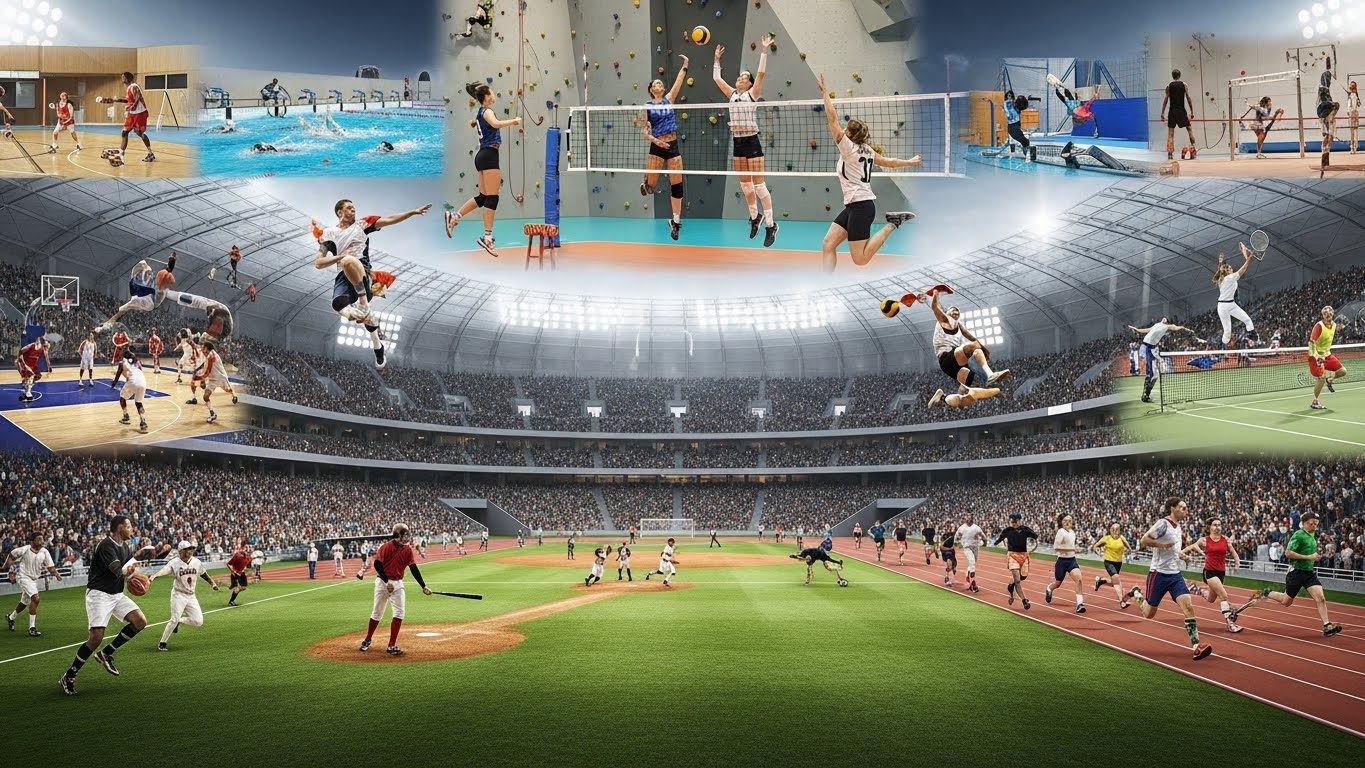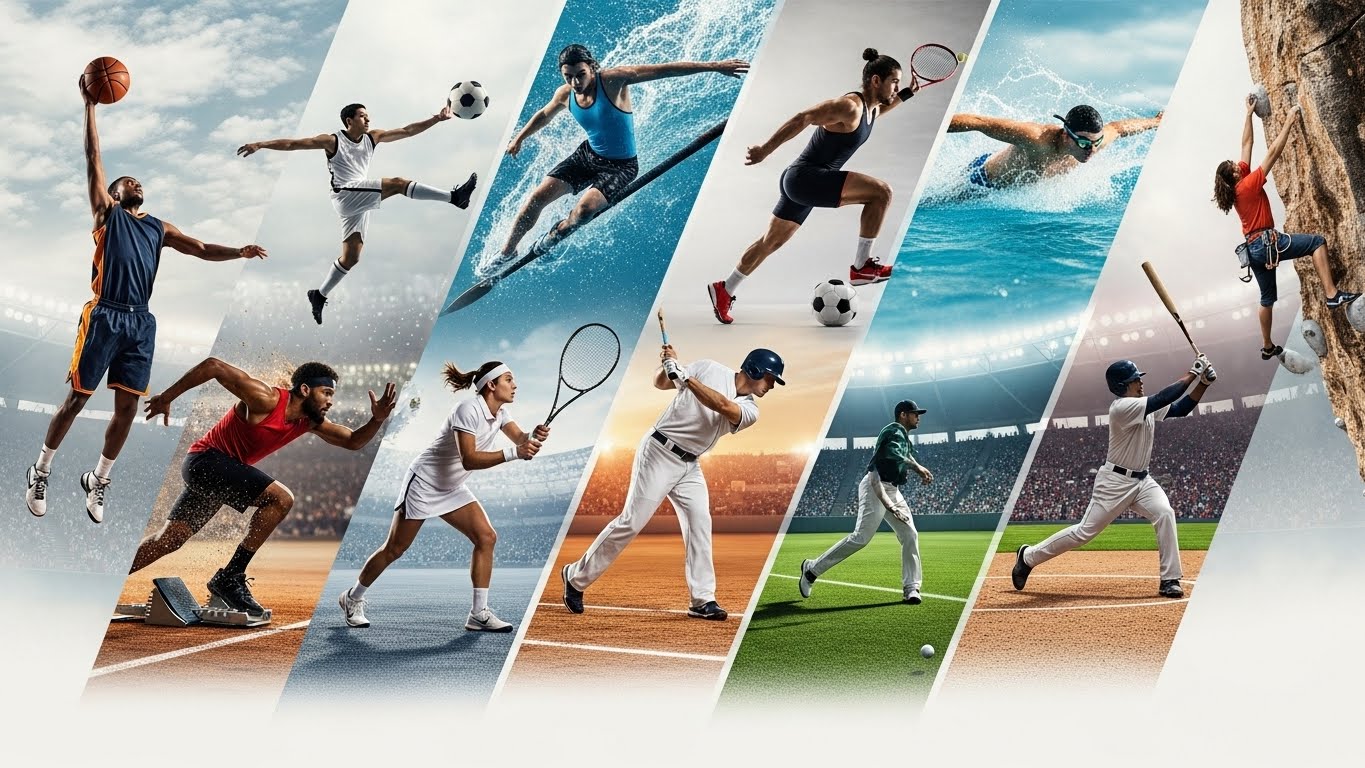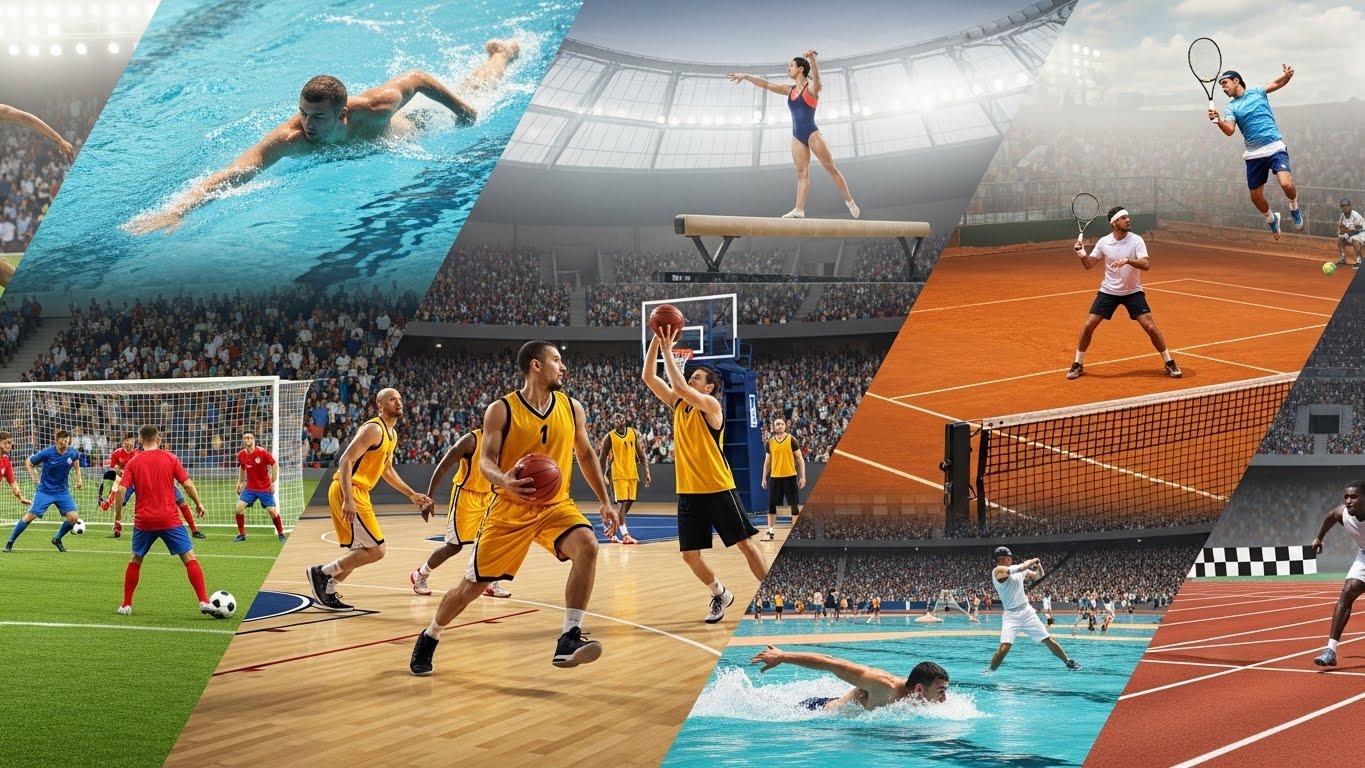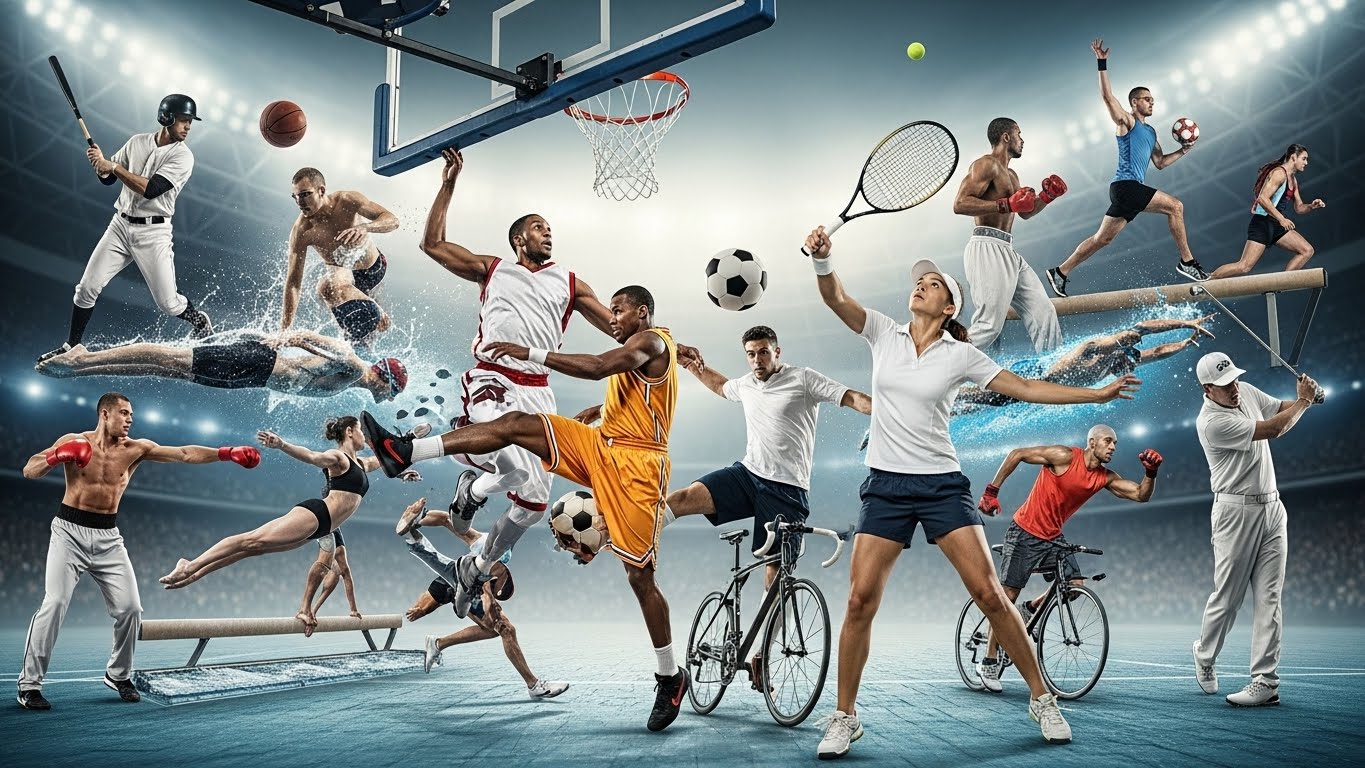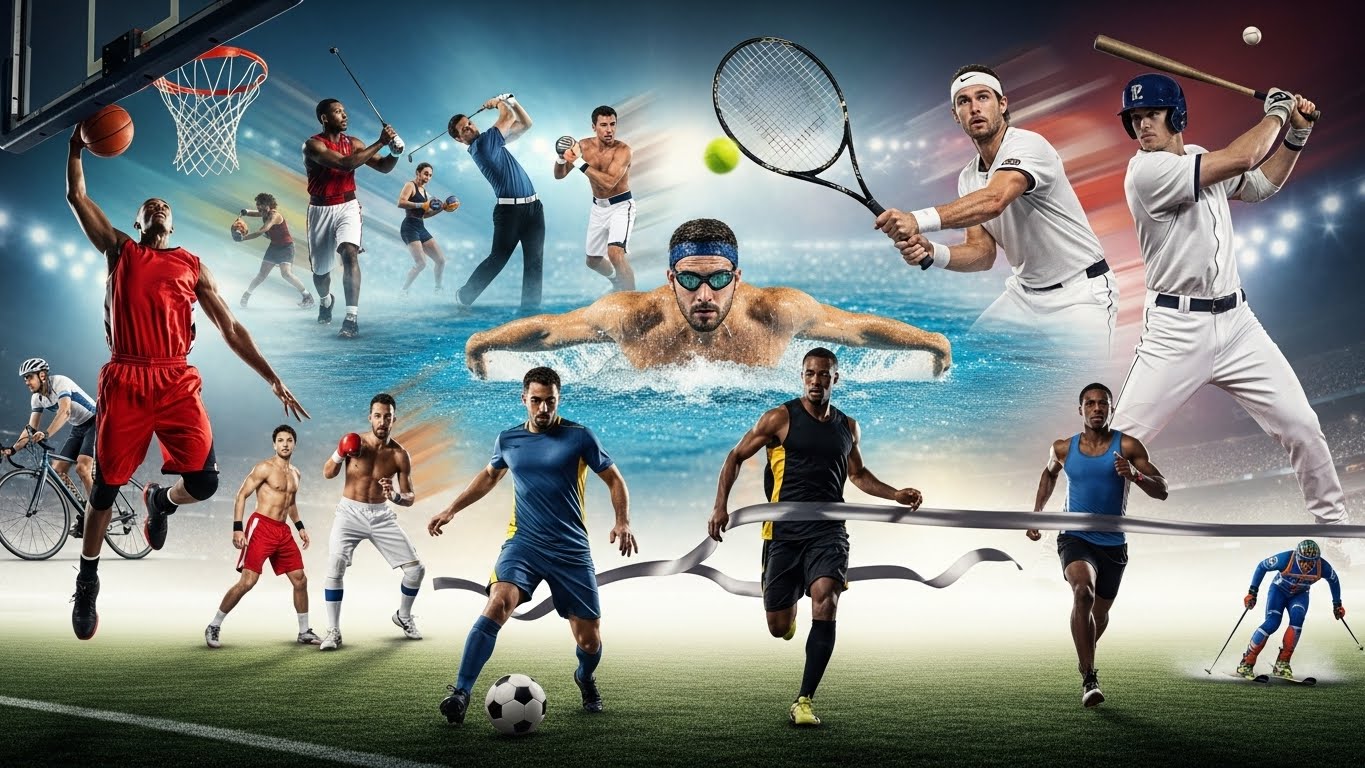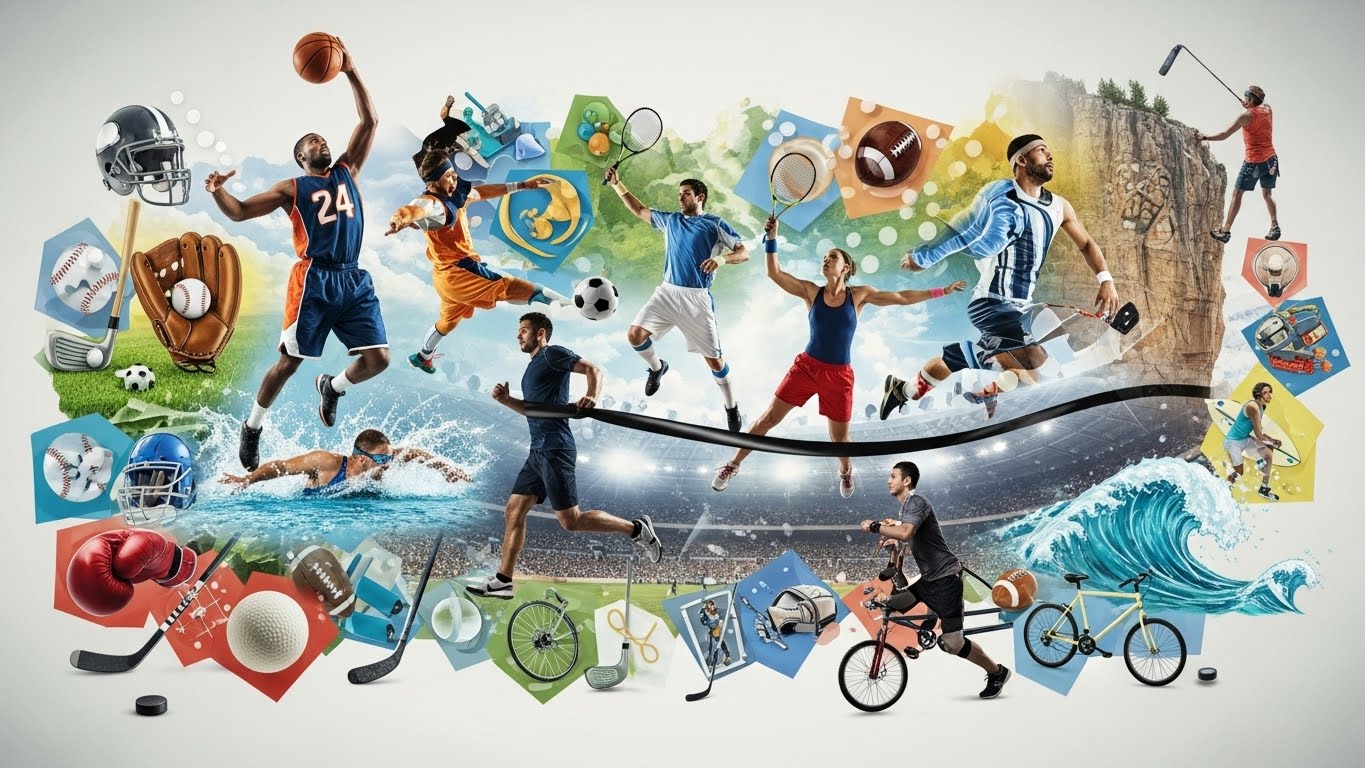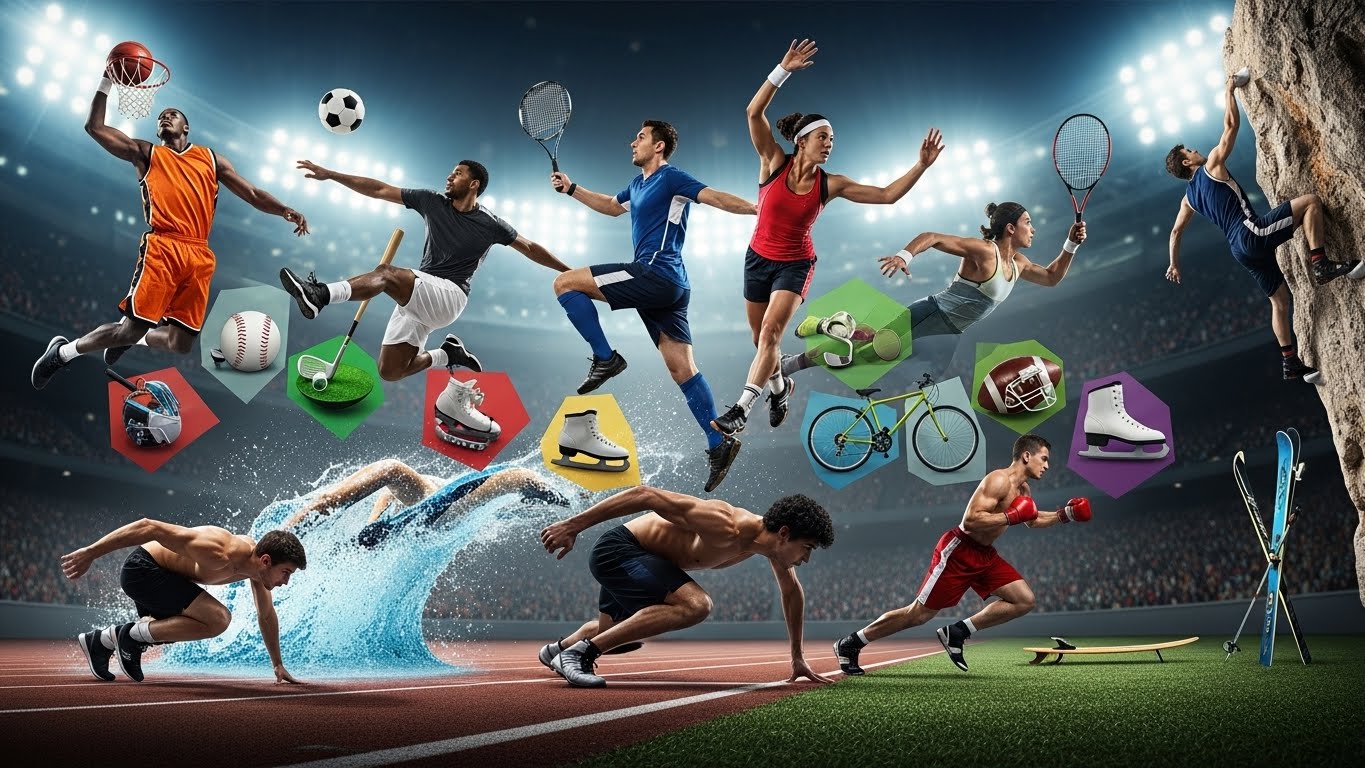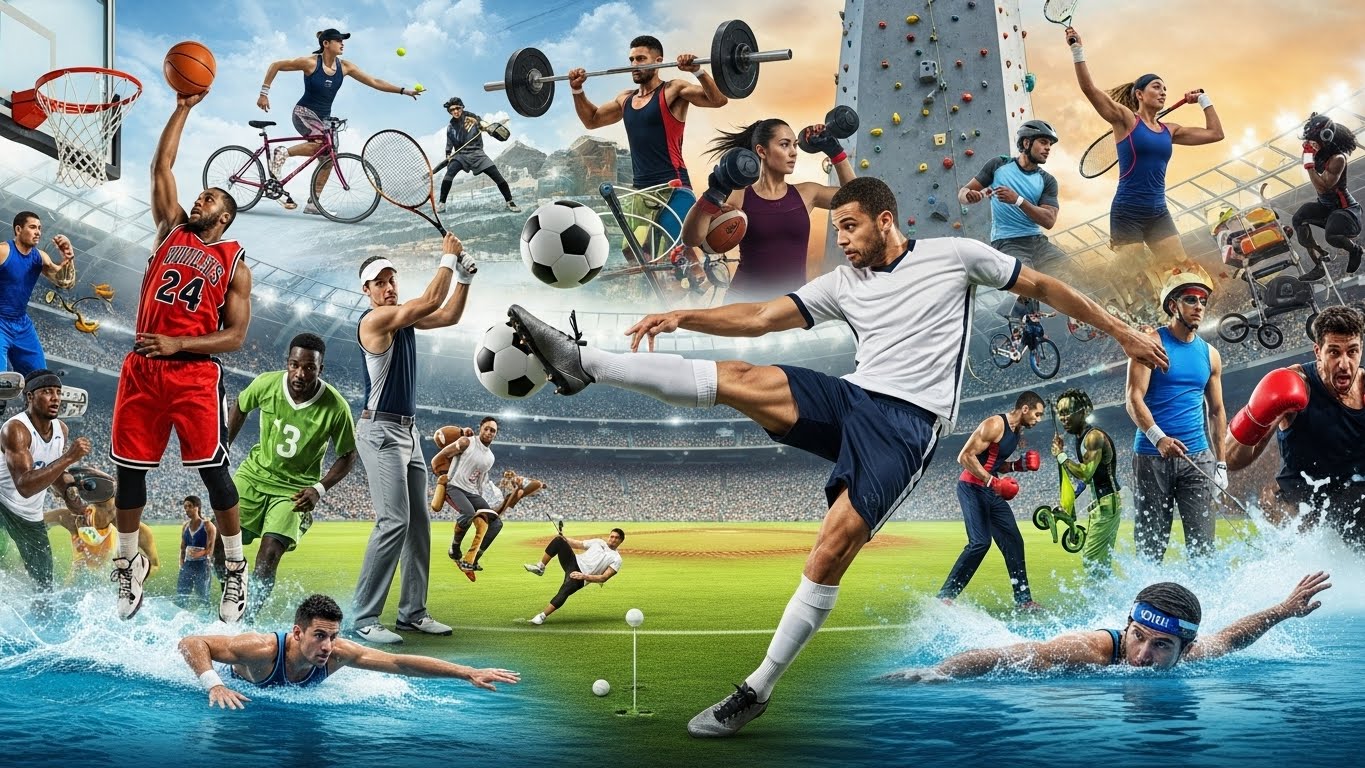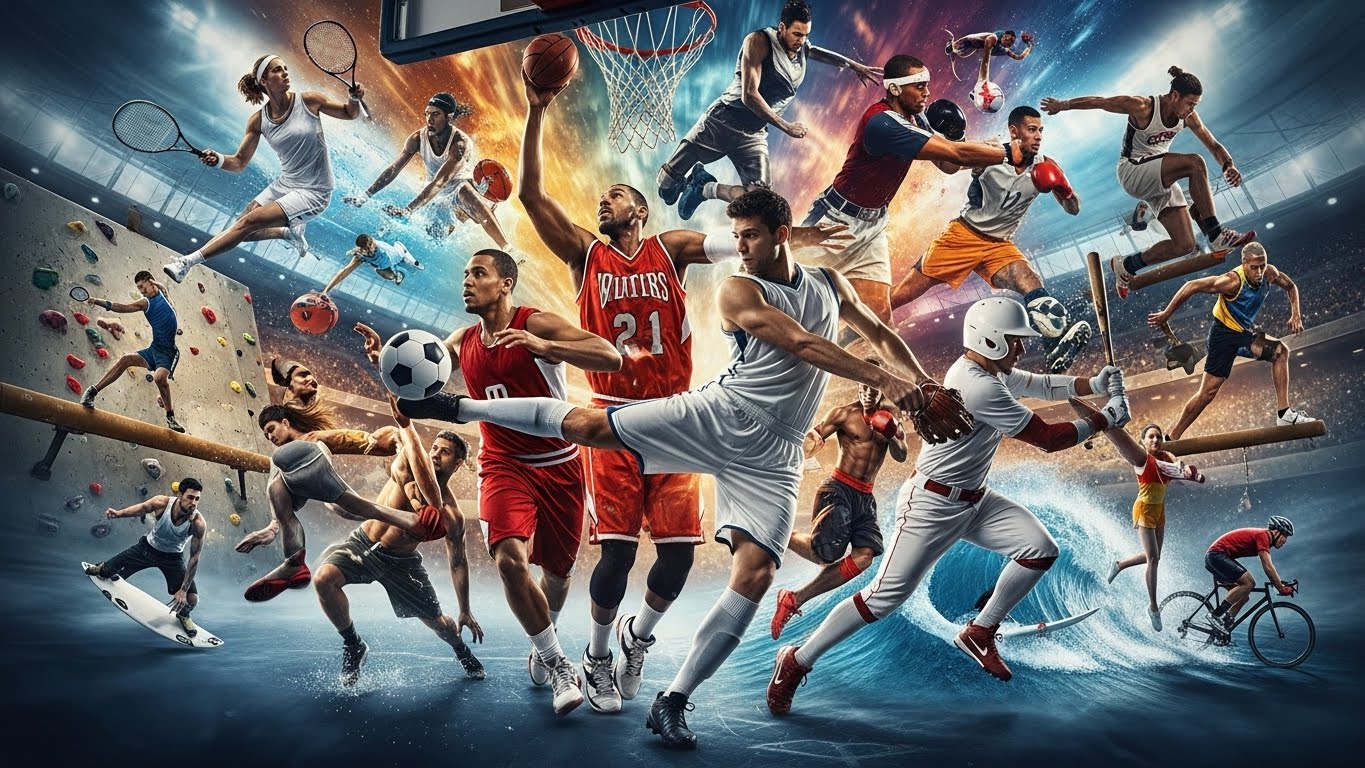

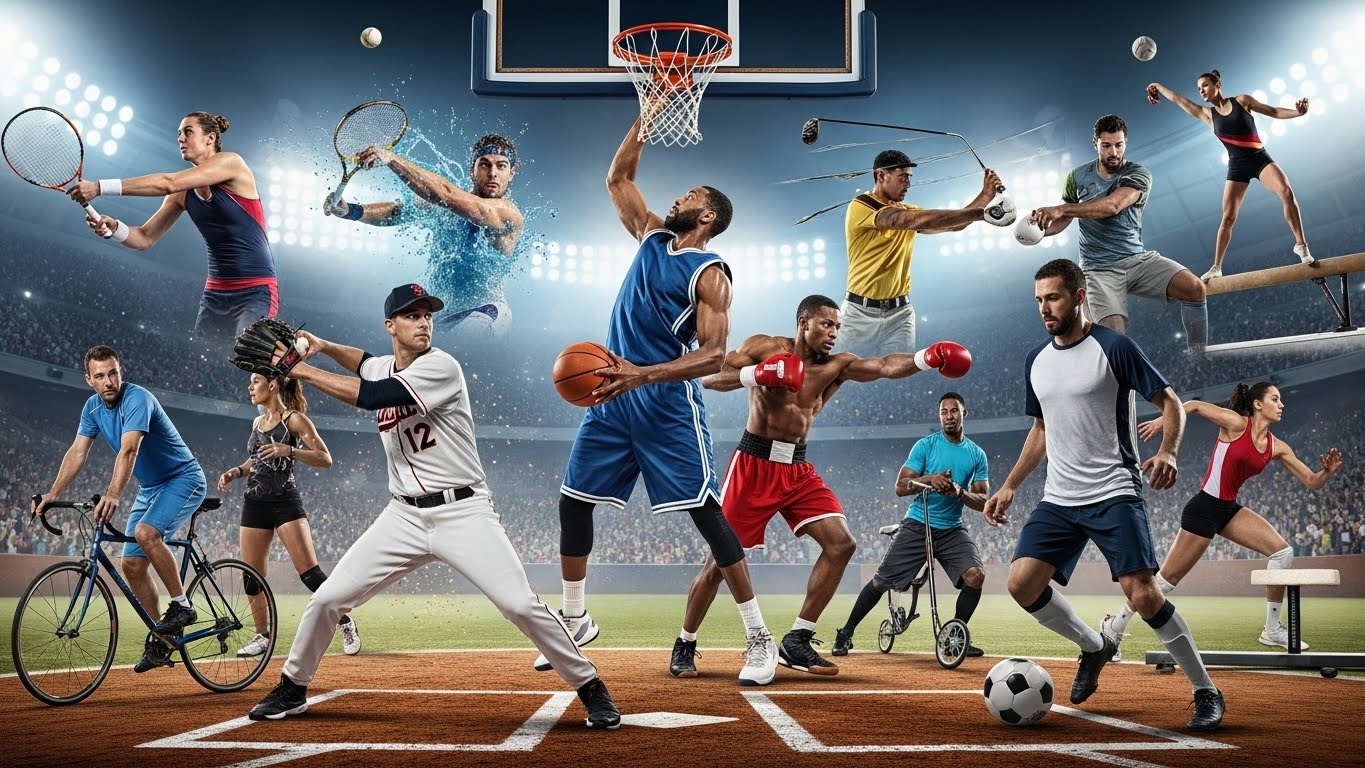
Sports have always been an integral part of human culture, transcending geographical boundaries, language barriers, and socio-economic divides. From the ancient Olympic Games to the modern-day soccer World Cup, sports have captivated the hearts and minds of millions. Yet, while the thrill of competition and the joy of victory are easily understood, the full impact of sports extends far beyond the playing field. In this blog post, we will explore the multifaceted power of sports, examining how they influence physical health, social dynamics, mental well-being, and global unity.
1. The Physical Benefits of Sports
One of the most obvious benefits of participating in sports is the positive impact on physical health. Whether you are playing a high-intensity game of basketball or enjoying a leisurely walk in the park, sports provide a wide range of health advantages.
Building Physical Fitness
Sports are an excellent way to improve cardiovascular health, build muscle, enhance flexibility, and boost overall endurance. Regular participation in physical activities strengthens the heart, reduces the risk of chronic diseases such as diabetes, and improves bone density. For instance, weight-bearing activities like running and tennis promote bone health, while activities like swimming and yoga improve flexibility and muscle tone.
Weight Management and Fat Reduction
Engaging in sports is an effective way to burn calories and maintain a healthy body weight. With modern sedentary lifestyles, obesity has become a significant global concern. Sports offer an enjoyable and dynamic solution, helping individuals burn calories while also promoting long-term weight management.
Increased Longevity
Studies have shown that regular physical activity, such as engaging in sports, can contribute to a longer life. Active individuals tend to live longer, healthier lives, as exercise helps prevent diseases like heart disease, stroke, and certain types of cancer. Even moderate levels of activity can significantly increase life expectancy.
2. The Mental and Emotional Impact of Sports
While the physical benefits of sports are widely acknowledged, the mental and emotional benefits often go underappreciated. Sports have a profound impact on mental well-being, offering individuals a variety of ways to manage stress, anxiety, and depression.
Stress Relief
The physical exertion involved in sports helps release endorphins, which are the body’s natural stress relievers. Engaging in physical activity allows individuals to clear their minds, forget about their worries, and experience a sense of euphoria. Whether it’s running, playing soccer, or even practicing yoga, the focus on physical movement can provide a much-needed break from the pressures of daily life.
Building Resilience
Sports teach valuable life skills, including perseverance, discipline, and resilience. Through wins and losses, athletes learn how to cope with challenges and setbacks. For example, a soccer player who misses an important penalty kick must find the mental strength to move forward, improving both their physical and emotional resilience. This mindset can be applied to other areas of life, enabling individuals to face adversity with confidence.
Social Connection and Teamwork
In team sports, the sense of belonging and camaraderie is essential. Working together to achieve a common goal fosters a spirit of teamwork and cooperation. This creates strong social bonds that contribute to emotional well-being. Whether in school, a community league, or a professional team, the relationships built through sports can last a lifetime, offering individuals a support system that extends beyond the field of play.
3. The Role of Sports in Education and Youth Development
Sports play a pivotal role in shaping the development of young people. Beyond the physical benefits, sports offer a platform for personal growth and academic achievement.
Teaching Discipline and Time Management
Participation in sports helps children and young adults develop important life skills, such as time management, goal-setting, and discipline. Balancing schoolwork and sports requires individuals to stay organized and focused. Athletes often have to plan their study time around practice sessions and games, teaching them the importance of responsibility and prioritization.
Promoting Leadership and Confidence
Through sports, young people learn leadership skills and how to work within a team. Athletes are often tasked with taking on leadership roles, whether as captains or simply by encouraging and supporting their teammates. This helps to build self-confidence and a sense of empowerment. These skills are transferable to other areas of life, including school projects, workplace environments, and personal relationships.
Fostering a Sense of Belonging
Sports create a unique sense of community. For many young people, being part of a team provides them with a sense of identity and belonging. In school or in local sports clubs, athletes often form tight-knit groups that share similar experiences and interests. This sense of belonging can combat feelings of loneliness and provide a positive outlet for energy and emotions.
4. Sports as a Catalyst for Social Change
Sports have historically been a powerful tool for addressing social issues and promoting change. Athletes and sporting events have used their platforms to raise awareness, advocate for equality, and challenge societal norms.
Breaking Down Social Barriers
Sports have the ability to transcend race, gender, and socio-economic backgrounds. Athletes from diverse backgrounds often come together in the spirit of competition, proving that talent and hard work can overcome societal divides. For example, the rise of women’s sports has empowered countless women and girls to pursue their passions, leading to a greater push for gender equality in the sports world.
Political Activism in Sports
Some athletes have used their platform to speak out against political injustices. One of the most famous examples of this is the 1968 Olympic protest, where athletes Tommie Smith and John Carlos raised their fists in a Black Power salute during the medal ceremony. Their protest was a bold statement against racial inequality and remains one of the most iconic moments in the history of sports activism.
Promoting Global Unity
Major sporting events, such as the FIFA World Cup, the Olympic Games, and the Paralympics, bring together athletes from around the world to compete in the spirit of friendship and mutual respect. These events celebrate diversity and provide an opportunity for people from different cultures and backgrounds to come together, fostering a sense of global unity and cooperation.
5. The Economic Impact of Sports
Beyond the social and emotional benefits, sports also play a vital role in the global economy. The sports industry generates billions of dollars in revenue each year, supporting not only athletes but also a wide range of sectors, including media, sponsorships, tourism, and hospitality.
Job Creation and Economic Growth
The sports industry provides employment opportunities in various sectors, from event management to media broadcasting. For example, the growth of professional leagues and international competitions has created millions of jobs worldwide. Sports tourism, where fans travel to attend games or tournaments, contributes to local economies, boosting hotels, restaurants, and transportation sectors.
Sponsorships and Advertising
The commercial side of sports is enormous. Major companies pay athletes, teams, and events huge sums of money for sponsorship deals and advertising. These deals help fund everything from grassroots sports programs to multi-million-dollar stadiums. Corporate sponsorships ensure that athletes and teams have the financial resources to compete at the highest level while also providing businesses with a platform to reach global audiences.
Sports as a Driver for Innovation
In the age of technology, sports have also become a driving force for innovation. Advancements in equipment design, broadcasting technology, and fan engagement are just a few examples of how the sports industry is pushing the boundaries of what’s possible. Virtual reality, for instance, is now being used to enhance fan experiences, allowing them to “attend” games from the comfort of their homes.
6. The Future of Sports
As the world continues to evolve, so too does the role of sports. Technological advancements, changing social attitudes, and global challenges will shape the future of sports in ways we can only begin to imagine.
The Rise of E-Sports
In recent years, e-sports have exploded in popularity, with competitive gaming drawing millions of viewers worldwide. While different from traditional sports, e-sports share many of the same benefits, including promoting teamwork, strategy, and mental resilience. As technology continues to advance, the growth of e-sports is likely to play a significant role in the future of competitive sports.
Inclusivity and Accessibility
The future of sports will likely see greater inclusivity, with more opportunities for people with disabilities, women, and underrepresented groups to participate. The Paralympic Games, for example, have gained immense visibility and support, and efforts to make sports more accessible to people with physical or mental disabilities are growing worldwide.
Environmental Sustainability in Sports
With the growing awareness of climate change and sustainability, the sports industry is also becoming more eco-conscious. Stadiums are being designed with sustainability in mind, and major events are taking steps to reduce their carbon footprints. Green initiatives, such as using renewable energy and reducing waste, will likely become the norm in the future of sports.
Conclusion
Sports are much more than just games; they are a microcosm of society that reflects the human experience. Whether it’s the physical benefits of exercise, the emotional power of teamwork, the social impact of activism, or the economic contributions to the global economy, sports have an unparalleled ability to influence individuals and communities worldwide. As we look to the future, the power of sports will continue to shape our world, inspiring generations to come and reminding us of the unity, resilience, and joy that competition brings to our lives.