
Introduction: More Than Just a Game
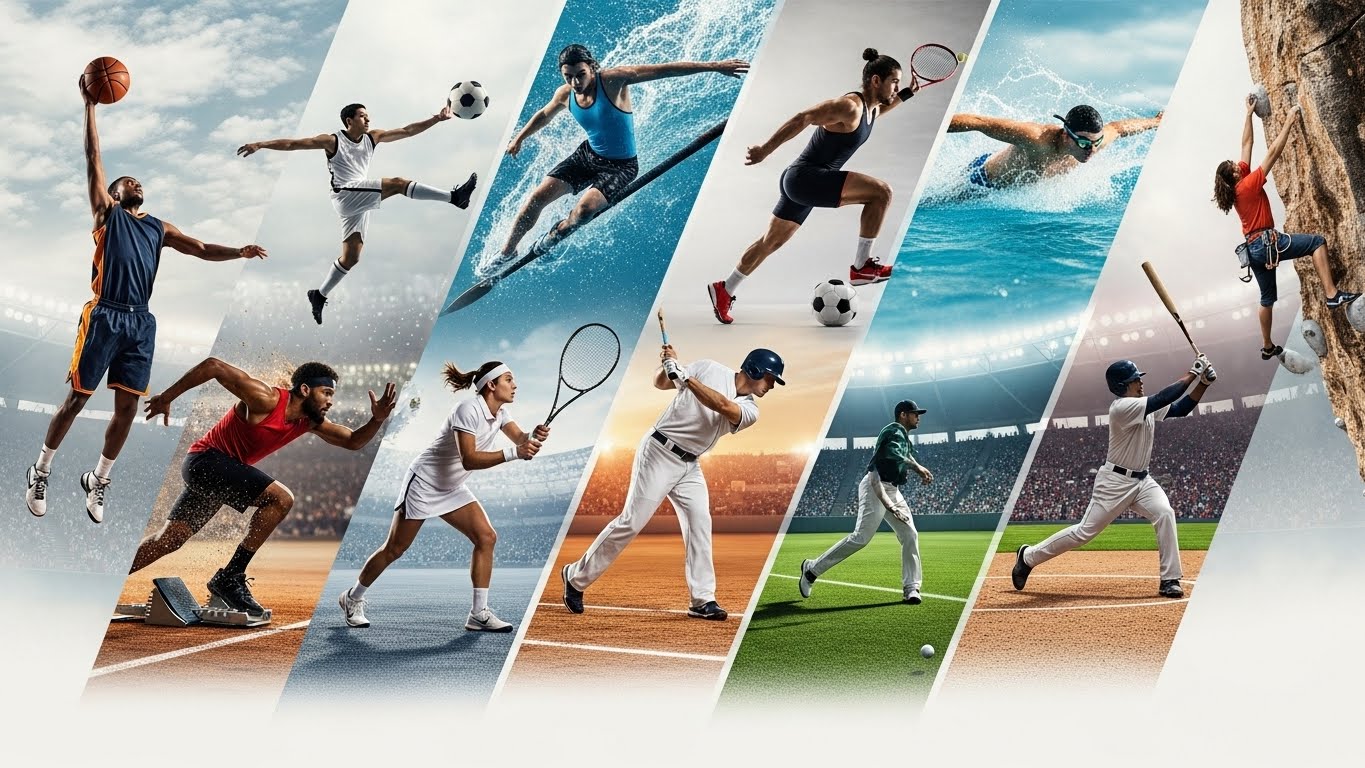
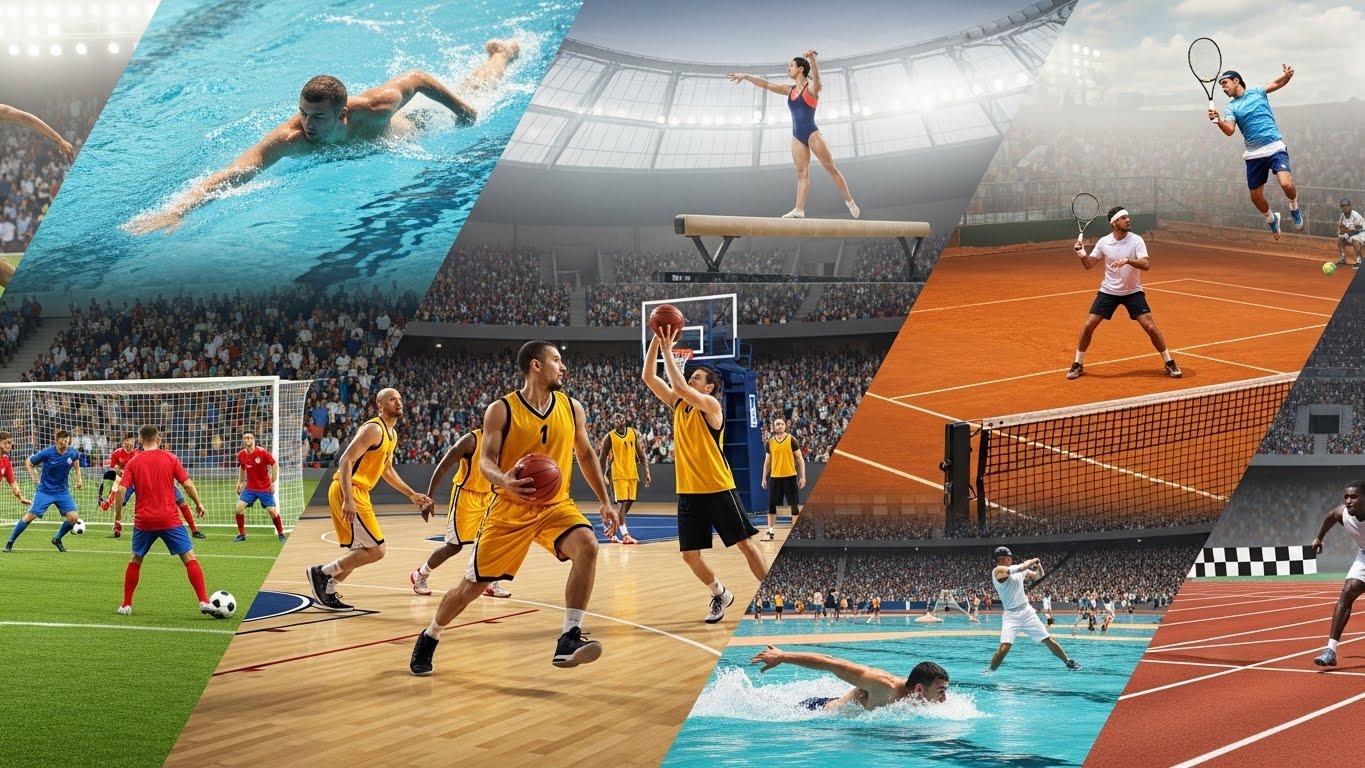
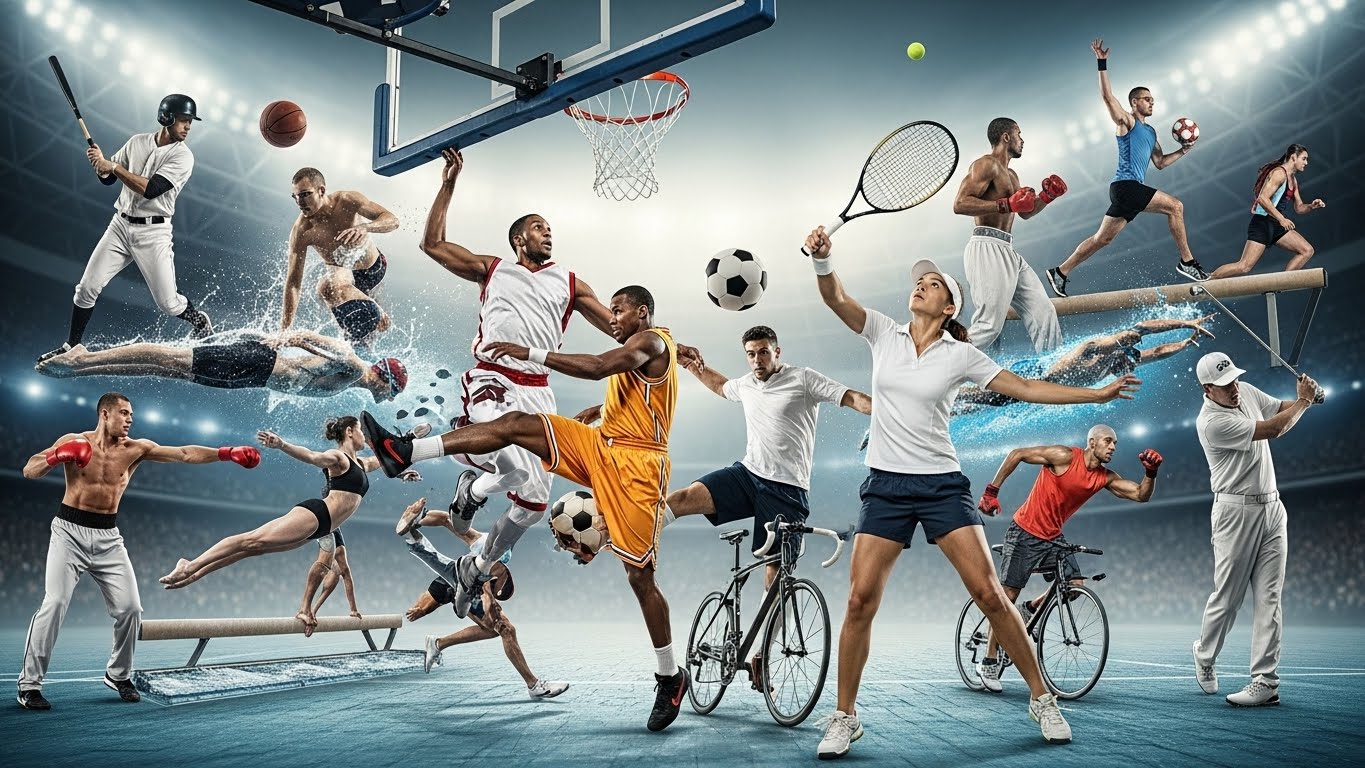
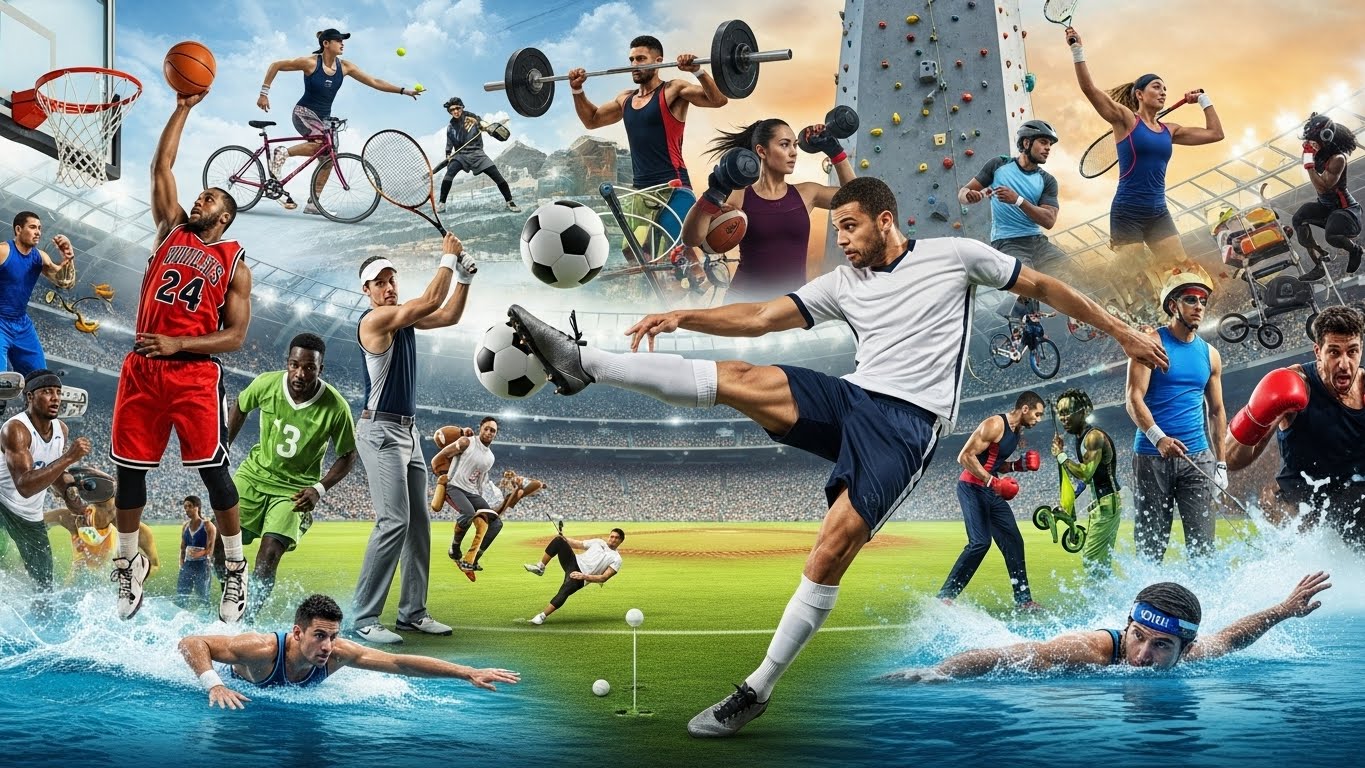
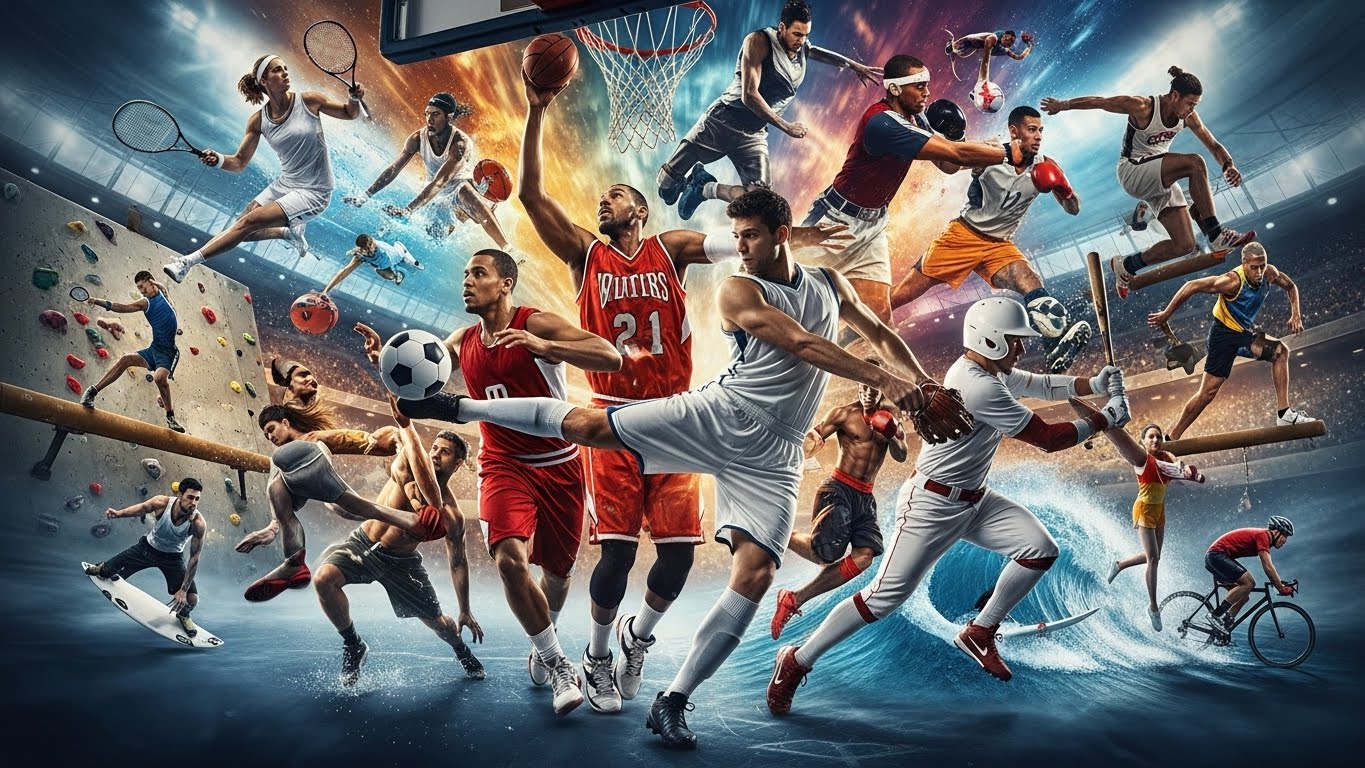
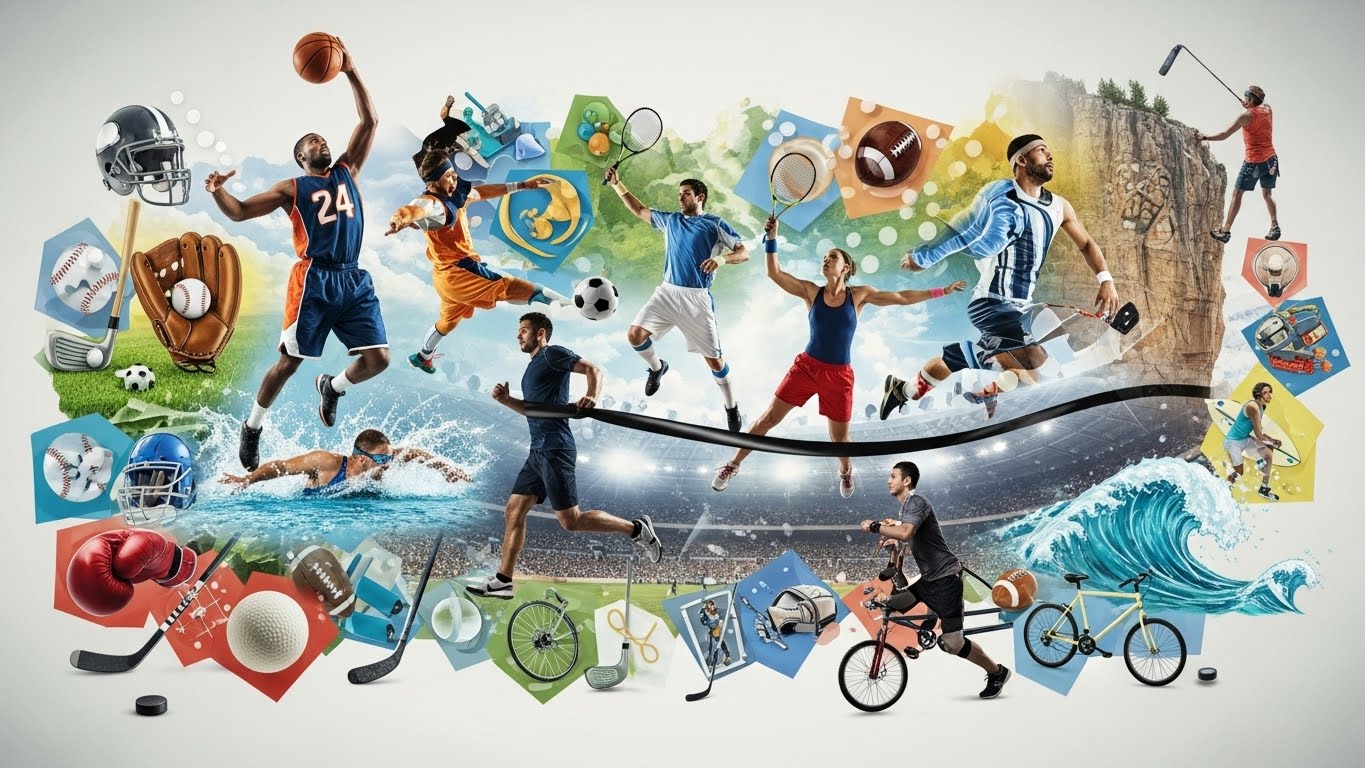
Sports have long been woven into the fabric of human life. From ancient civilizations competing in early athletic contests to modern stadiums filled with roaring fans, sports have transcended entertainment and become a global cultural force. Today, they influence our social relationships, mental health, physical wellbeing, and even national identity. In this blog, we explore how sports continue to inspire generations, foster community, teach resilience, and shape the world in powerful ways.
The Universal Language of Sports
One of the most fascinating aspects of sports is their ability to unite people across borders, languages, and cultures. A single match can bring together individuals from completely different backgrounds, all aligned by a common passion. Whether it is a local basketball court or an international football championship, the emotions are similar: excitement, anxiety, joy, and pride.
Sports break down barriers without needing translation. You do not need to understand a player’s language to admire their dedication or athleticism. This shared understanding is what makes sports a universal language. It allows people to connect deeply, even if they have nothing else in common. In a world that often emphasizes differences, sports create a sense of belonging and unity.
Building Character and Discipline
One of the most valuable gifts sports offer is character development. Athletes, regardless of age or skill level, learn important life lessons that stay with them long after they leave the field. These include discipline, teamwork, leadership, and perseverance.
Success in sports does not happen overnight. It requires consistent effort, practice, and the willingness to push through difficulties. Athletes learn to manage their time, prioritize their goals, and stay committed to improvement. This type of discipline often translates into other areas of life, such as academics, careers, and personal relationships.
Team sports, in particular, teach the importance of collaboration. Players must trust one another, communicate effectively, and work toward a shared objective. These skills are essential not only for sporting success but also for building strong communities and professional environments.
Sports and Physical Wellbeing
In a world where sedentary lifestyles are becoming increasingly common, sports offer a crucial pathway to better physical health. Engaging in regular sports activity strengthens the heart, builds muscle, improves flexibility, and enhances overall endurance. It also reduces the risk of chronic illnesses such as diabetes, obesity, and cardiovascular disease.
Even non-competitive sports like swimming, cycling, or jogging can have tremendous health benefits. They help maintain a balanced physical condition and keep our bodies active in a natural and enjoyable way. For many people, sports provide motivation to stay fit because they make physical activity fun rather than a chore.
In addition, participating in sports encourages healthy habits. Athletes learn the importance of proper nutrition, adequate sleep, and hydration, all of which contribute to a healthier lifestyle. These habits often follow individuals throughout their lives, leading to long-term benefits.
Mental Strength and Emotional Balance
Sports do not just shape the body—they also impact the mind. Many studies highlight the connection between physical activity and improved mental health. Sports help reduce stress, anxiety, and depression by releasing endorphins, the body’s natural mood boosters.
Beyond biology, sports offer emotional stability. When athletes engage in a game, they enter a flow state, a mental zone where they feel fully focused and free from everyday worries. This escape helps clear the mind and promotes a sense of satisfaction.
Sports also teach emotional resilience. Athletes face wins, losses, and unexpected challenges. Handling defeat gracefully, staying motivated after setbacks, and celebrating victories without arrogance all foster emotional maturity. These experiences prepare individuals to face real-life challenges with a stronger mindset.
The Power of Sports in Community Building
Communities often revolve around shared experiences, and sports play a powerful role in bringing people together. Local teams create a sense of pride and identity within neighborhoods and cities. Families and friends gather to watch games, bonding over shared excitement or disappointment.
Youth sports programs are especially important in fostering community. They offer children a safe and structured environment where they can learn, grow, and make lasting friendships. For parents and coaches, these programs provide opportunities to guide young people and encourage positive behavior.
Sports events also contribute to local economies. From small-town tournaments to major championships, they attract visitors, generate revenue, and create jobs. This economic boost strengthens communities and highlights how deeply sports are integrated into society.
Role Models and Inspiration
Athletes often become role models, inspiring millions with their achievements, dedication, and stories of overcoming adversity. Their journeys remind us that success is rarely easy. Every triumph usually involves countless hours of practice, sacrifice, and determination.
For young fans, these role models provide examples of hard work and ambition. Children who admire athletes may develop a passion for sports themselves, leading to healthier lifestyles and better self-discipline. Athletes also inspire adults by proving that age is not always a barrier and that commitment can lead to excellence at any stage of life.
Moreover, athletes frequently use their platforms to advocate for meaningful causes, from gender equality to racial justice and mental health awareness. Their influence extends beyond sports, empowering people to create positive change in society.
The Evolution of Sports Through Technology
Sports have evolved significantly with technological advancement. Modern training methods use data analytics, wearable devices, and virtual simulations to improve performance. Coaches and athletes can now analyze every movement, monitor physical conditions in real time, and refine strategies based on precise information.
Broadcasting and digital platforms have also transformed the sports experience. Fans can now watch live games from anywhere, follow their favorite players online, and access behind-the-scenes content that was once unavailable. This increased accessibility has helped expand the global sports fanbase.
Technology has also enhanced fairness in sports. Tools such as goal-line technology, video review systems, and smart timing devices ensure accurate decisions and reduce human error. While debates continue about their influence, these innovations have undoubtedly shaped the modern era of sports.
Sports as a Reflection of Society
Sports often mirror the world around us. They reflect societal values, cultural shifts, and political movements. Throughout history, significant moments in sports have influenced or symbolized broader change. For example, athletes standing up for equality or taking public stances on important issues demonstrate how powerful sports can be as a platform for expression.
In some cases, sports have even helped ease political tensions. International competitions create opportunities for dialogue, cooperation, and mutual respect among nations. While rivalry exists, sportsmanship ultimately promotes peace and understanding.
The Future of Sports: A Continuing Legacy
The future of sports looks bright and dynamic. With growing emphasis on inclusivity, more people from diverse backgrounds are joining the sports world. Women’s sports are receiving increasing recognition and support, opening doors for a new generation of female athletes.
Additionally, emerging sports like esports are redefining what it means to be an athlete. These digital competitions attract massive audiences and require strategy, focus, and skill. The evolution of sports is ongoing, blending tradition with innovation to create new opportunities for fans and players alike.
Conclusion: The Lasting Impact of Sports
Sports have an extraordinary ability to influence, uplift, and connect people. They nurture discipline, create lifelong memories, and bring joy to millions. Whether you are a passionate athlete, a casual fan, or someone who simply appreciates the beauty of human movement, sports offer something for everyone.
Their impact reaches far beyond the playing field. Sports shape character, build communities, encourage healthy living, and inspire us to strive for greatness. As long as humans have the desire to compete, cooperate, and celebrate together, sports will continue to thrive and enrich our lives.