
Introduction: Breaking Barriers in the World of Sports
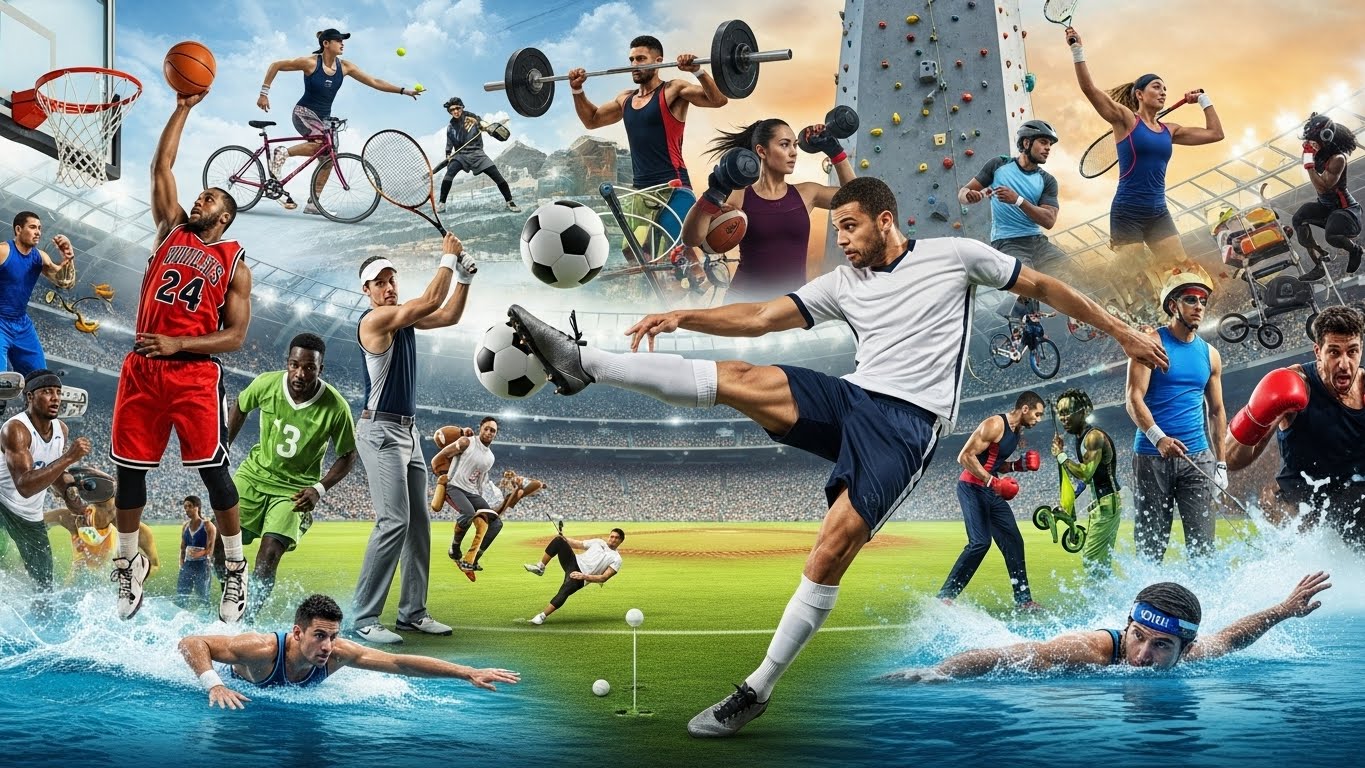
Sports have always been a way for individuals to push the limits of human potential. From the early days of Olympic history to modern professional leagues, athletics have been a platform where excellence is celebrated and barriers are continually challenged. However, in recent years, there has been an inspiring shift towards a more inclusive form of sports—adaptive sports. These sports are specifically designed for people with disabilities, offering them an opportunity to compete, excel, and push the boundaries of what is possible.
Adaptive sports are breaking down physical, mental, and societal barriers, providing athletes with disabilities not just a chance to compete, but to thrive. This blog post will explore the rise of adaptive sports, its importance, the impact on athletes, and how it is transforming perceptions of disability.
What Are Adaptive Sports?
Adaptive sports are competitive or recreational sports that have been modified to accommodate athletes with physical or intellectual disabilities. The modification can include altering the rules, equipment, or environment to ensure inclusivity. These sports range from wheelchair basketball and para-swimming to adaptive rock climbing and sitting volleyball.
Adaptive sports enable individuals with disabilities to experience the same joy, camaraderie, and sense of accomplishment that able-bodied athletes feel when they participate in traditional sports. The idea is simple: to allow athletes with disabilities to access and enjoy the same competitive opportunities as their non-disabled peers, all while promoting physical fitness, mental health, and social integration.
The Growth of Adaptive Sports: A Global Movement
Over the last few decades, adaptive sports have gained considerable traction worldwide. This growth has been fueled by several factors, including increased awareness, advancements in technology, and changing societal attitudes towards disability. Major organizations like the International Paralympic Committee (IPC) have played a crucial role in increasing visibility and support for adaptive athletes.
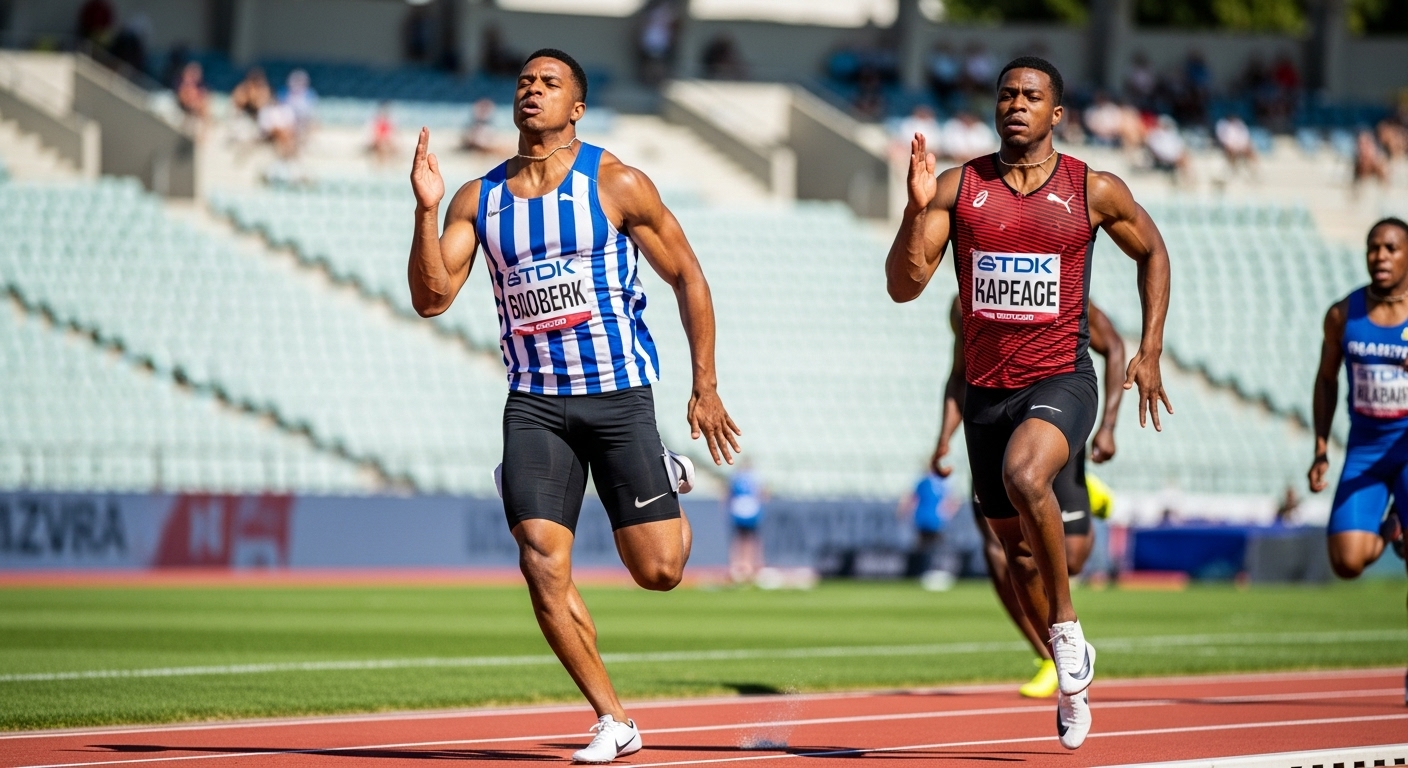
The Paralympic Games, which are held every four years in conjunction with the Olympic Games, is one of the most high-profile platforms for adaptive sports. Featuring athletes with physical disabilities competing at the highest level, the Paralympic Games have not only showcased incredible athleticism but have also helped change the perception of disability on a global scale.
In addition to the Paralympics, numerous regional and local events are being organized to encourage participation at all levels, from youth to professional athletes. These platforms have empowered individuals to pursue sports they may have once believed were out of reach.
The Impact on Athletes: Empowerment and Resilience
For athletes with disabilities, adaptive sports are more than just a physical challenge—they are a powerful tool for empowerment and personal growth. The benefits of engaging in adaptive sports extend far beyond the field or court, touching various aspects of an athlete’s life.
Physical Health: Like any sport, adaptive sports promote physical fitness. From strengthening muscles to improving cardiovascular health, athletes with disabilities who participate in adaptive sports often experience significant improvements in their physical well-being. The specialized equipment used in many adaptive sports also ensures that athletes are able to compete in a way that is safe and tailored to their needs.
Mental Health: The mental health benefits of adaptive sports are equally significant. The sense of accomplishment, camaraderie with teammates, and overcoming personal challenges all contribute to a more positive self-image and mental outlook. Participating in sports provides an emotional outlet and fosters resilience, helping athletes build confidence and develop coping strategies for dealing with life’s obstacles.
Social Integration: Adaptive sports also provide an opportunity for athletes to connect with others in a meaningful way. Many adaptive athletes face social isolation due to their disabilities, but engaging in sports allows them to form bonds with teammates, coaches, and competitors. These connections are essential for emotional support and can help foster a sense of community and belonging.
Overcoming Challenges: The Road Ahead
Despite the many successes of adaptive sports, there are still challenges that remain. One of the biggest hurdles is access. While the popularity of adaptive sports is growing, there are still limited resources and facilities available for athletes in many regions. The cost of specialized equipment, such as custom wheelchairs or prosthetics, can also be prohibitively high for some individuals, making participation difficult.
Moreover, societal attitudes towards disability continue to evolve. While progress has been made, people with disabilities are often still subject to misconceptions and prejudice. The media can play a crucial role in changing these perceptions by highlighting the achievements of adaptive athletes and showcasing their extraordinary talents.
However, the future of adaptive sports is promising. As technology advances and more opportunities for athletes with disabilities are created, the world of adaptive sports will continue to grow. With advocacy, continued education, and support, adaptive sports have the potential to further bridge gaps in society and create a more inclusive world for all athletes, regardless of ability.
Conclusion: A New Era of Inclusivity and Achievement
Adaptive sports are proving that disability is not a limitation, but a different way to compete and excel. By challenging traditional notions of ability, adaptive sports are rewriting the rules of what it means to be an athlete. The athletes involved in adaptive sports are not just competing—they are leading a movement that promotes empowerment, resilience, and inclusion for all.
As we look towards the future, the rise of adaptive sports signals a shift toward a more inclusive and compassionate world. With the support of the global community, adaptive sports will continue to inspire, challenge, and transform lives for years to come. For anyone who believes in the power of sport to change the world, adaptive sports are an undeniable testament to the strength of the human spirit.