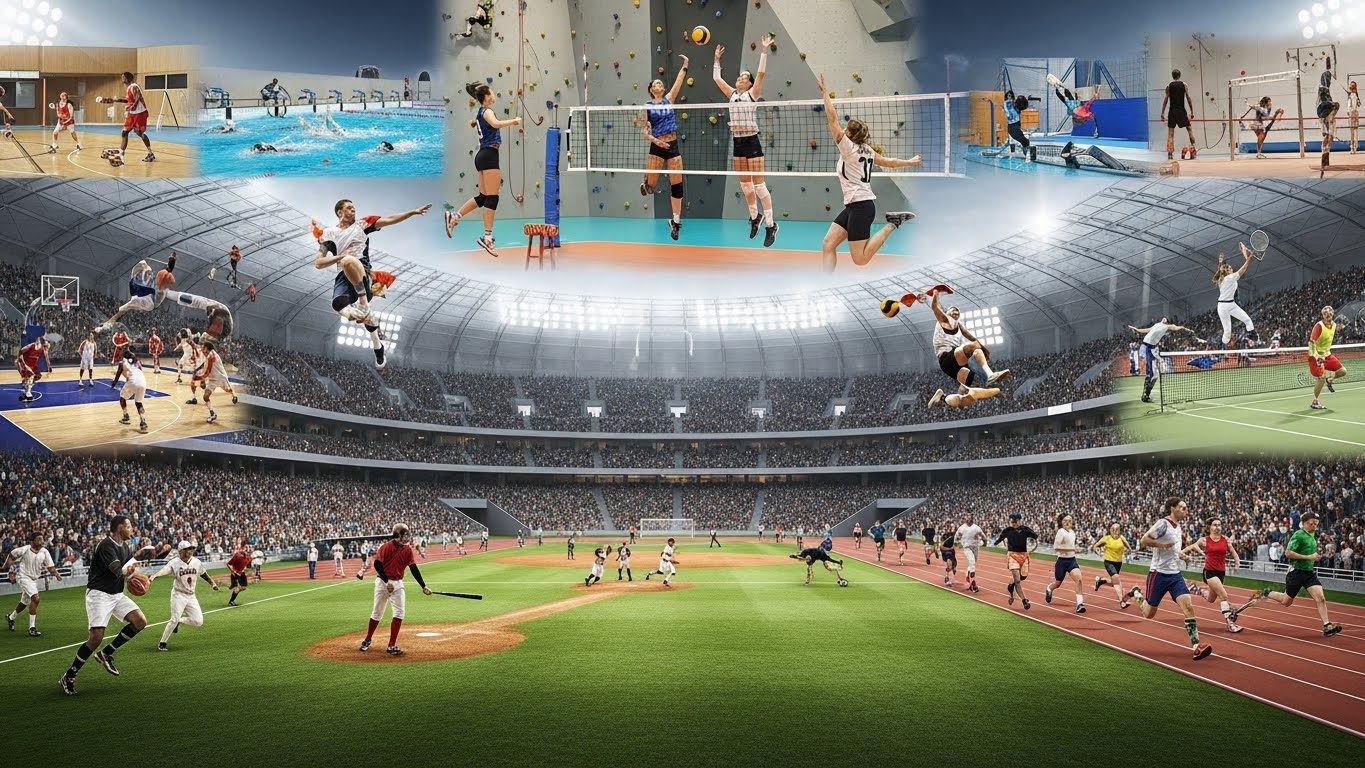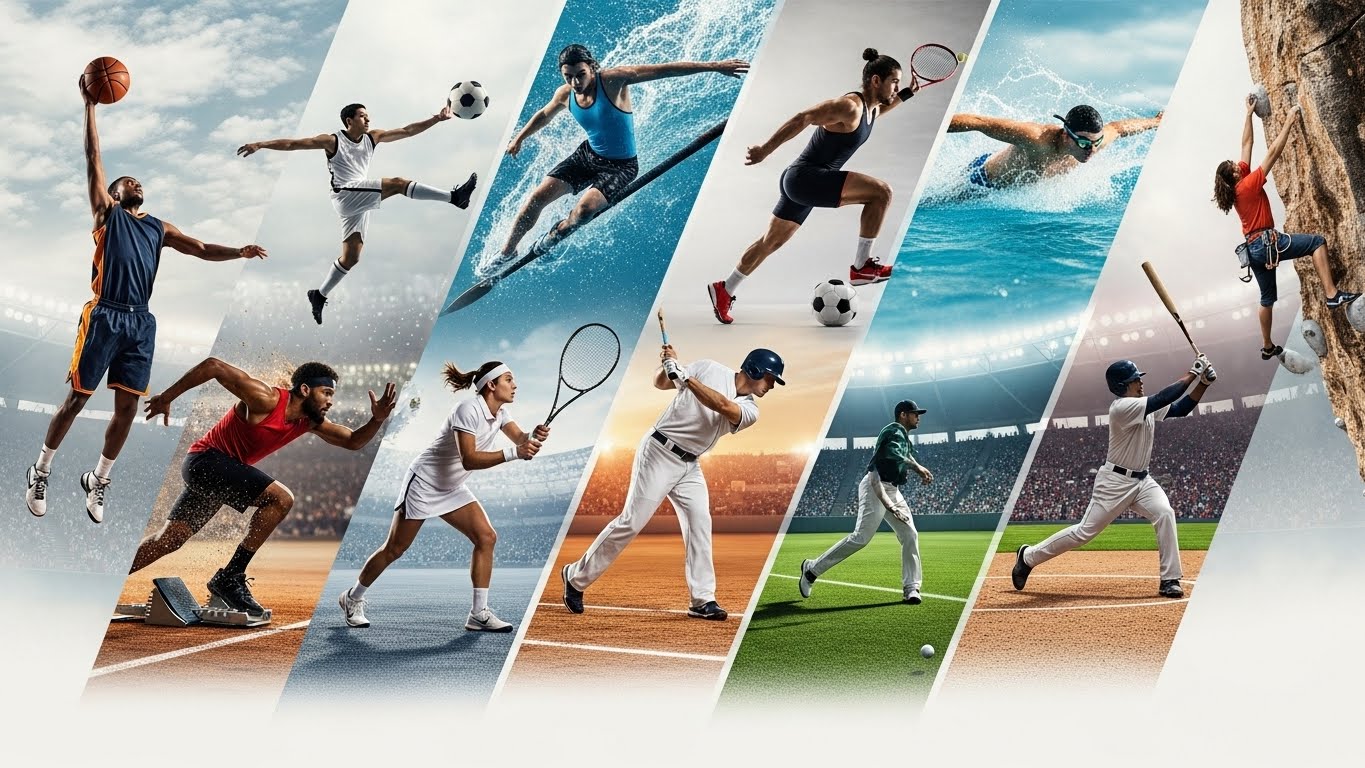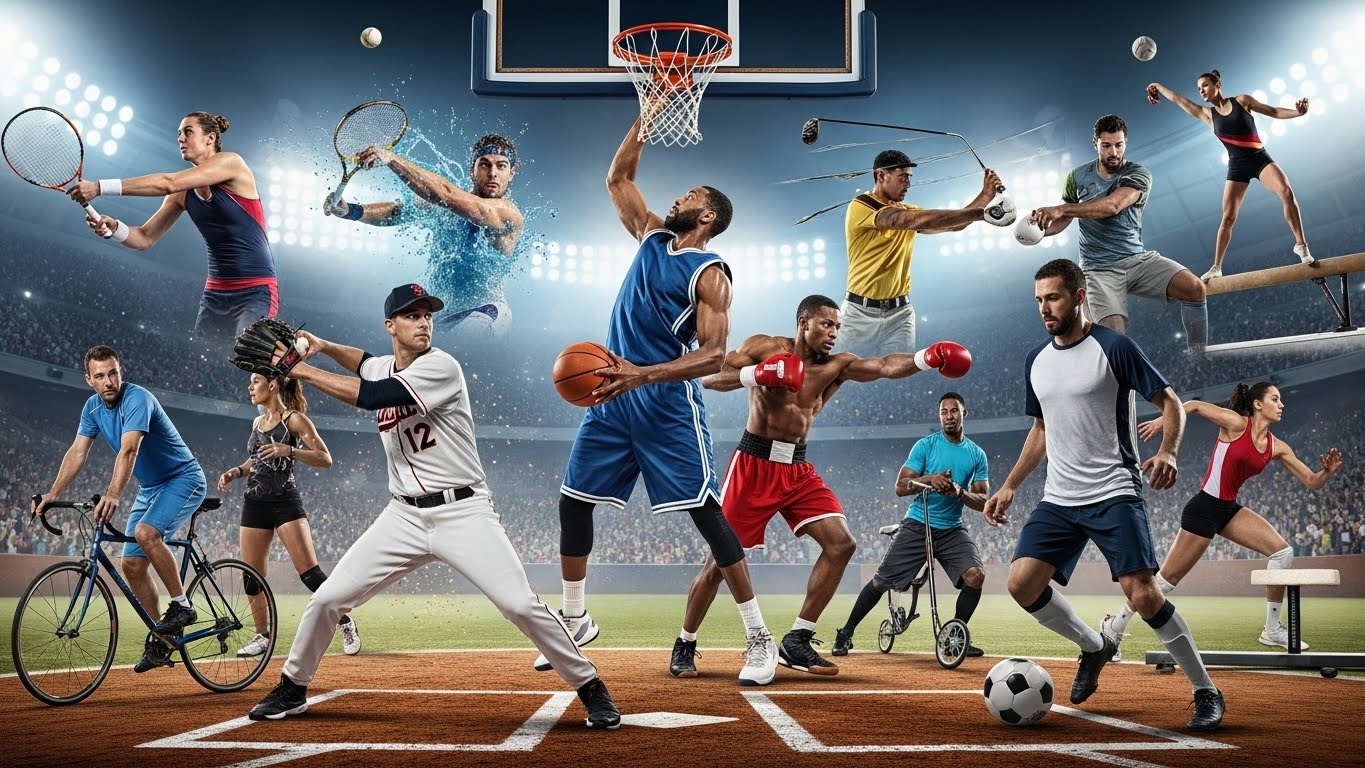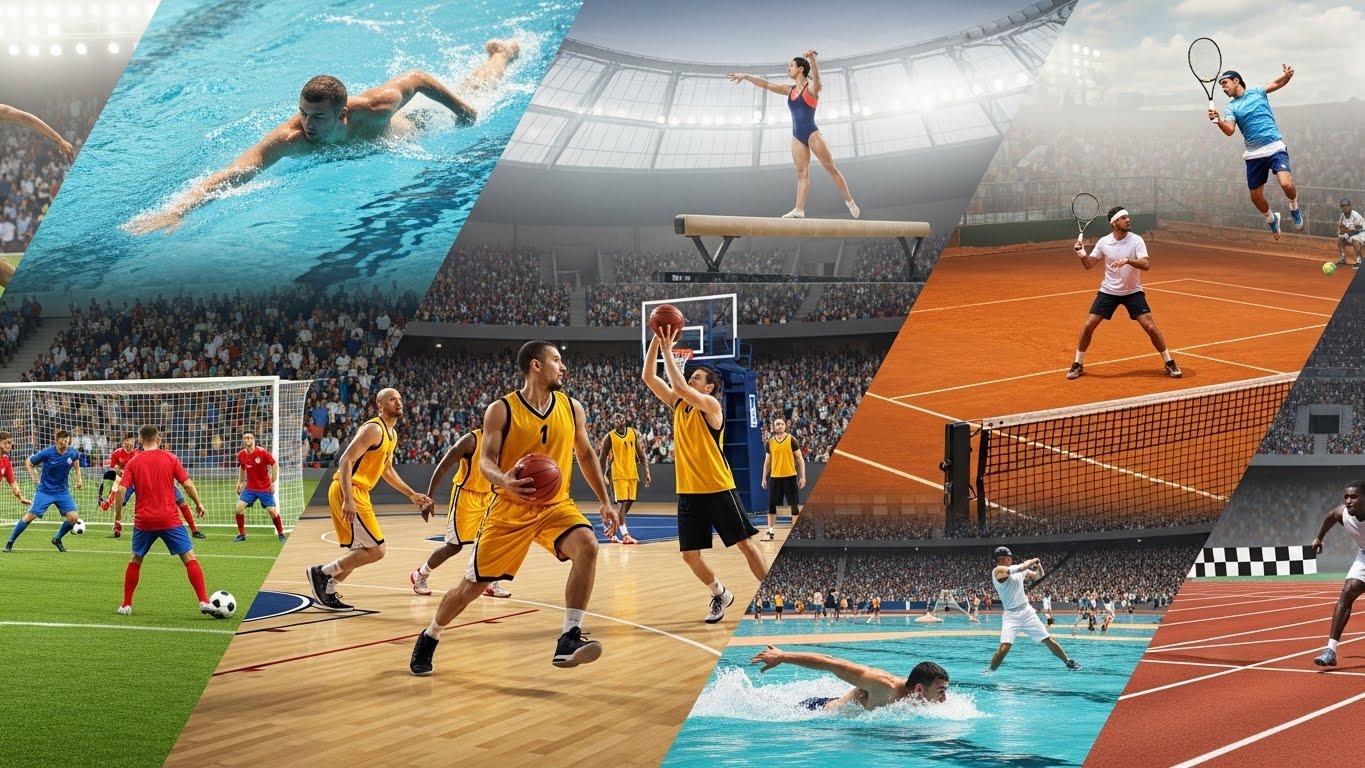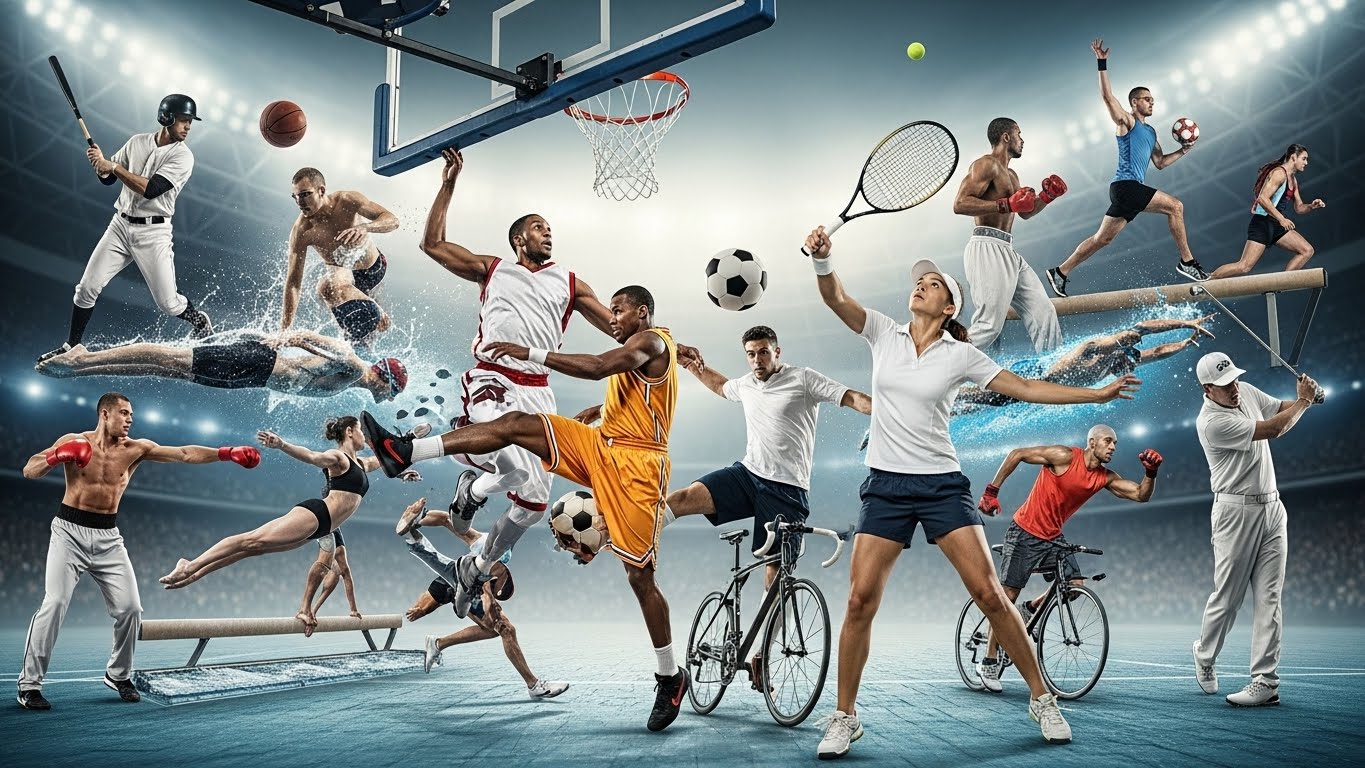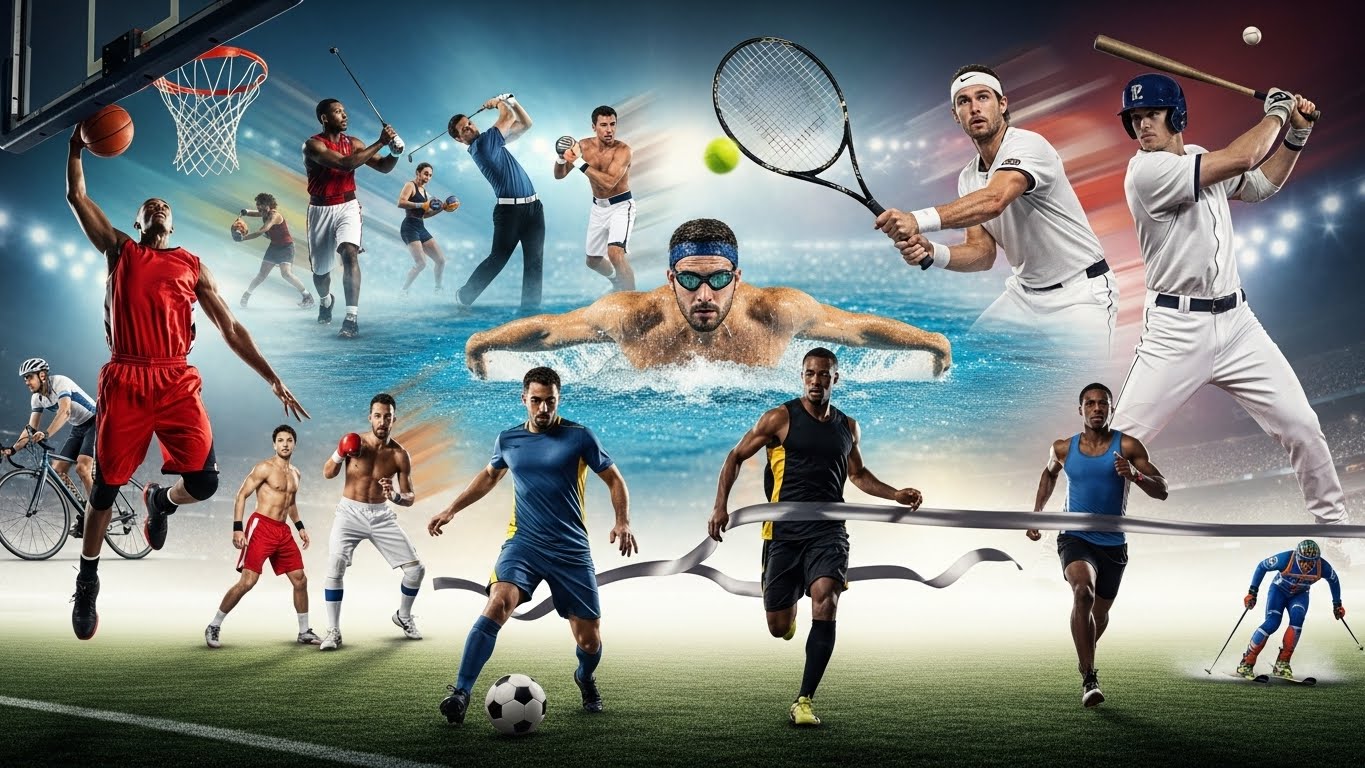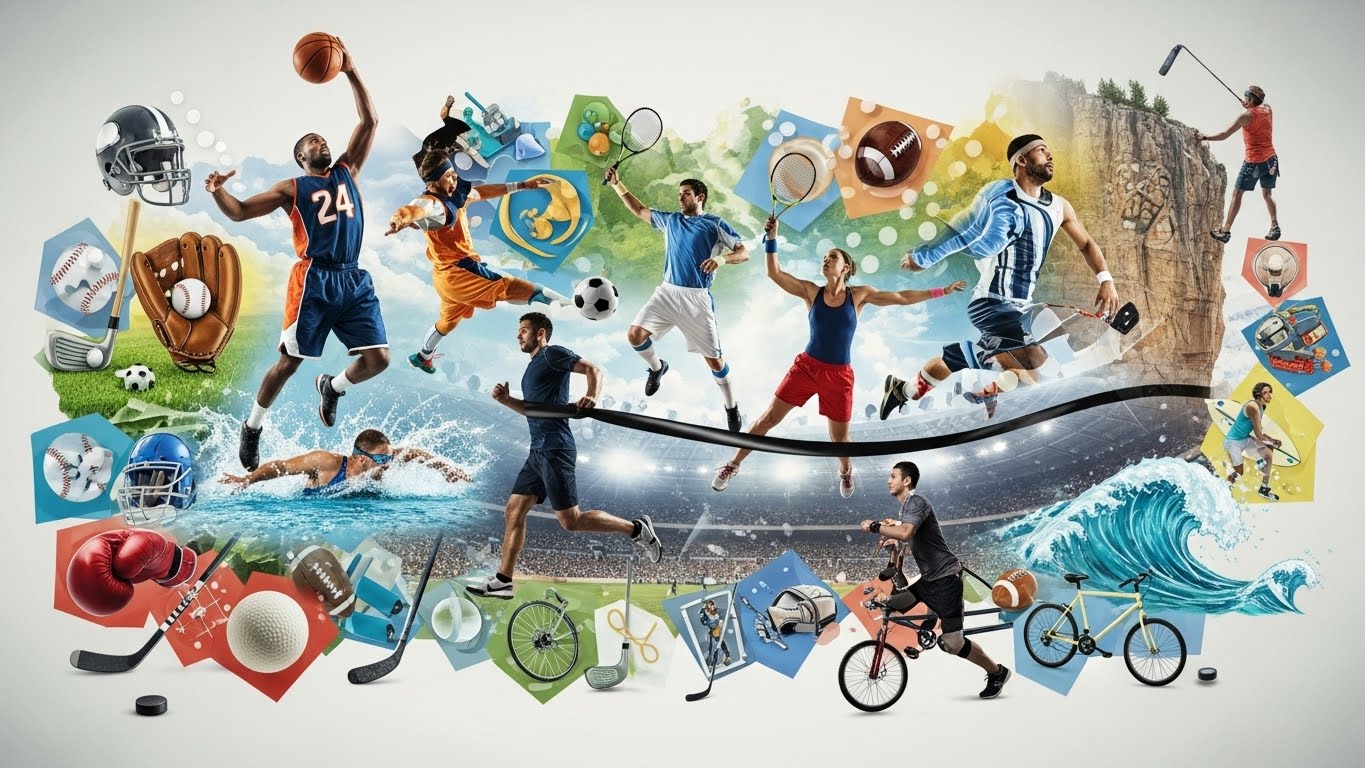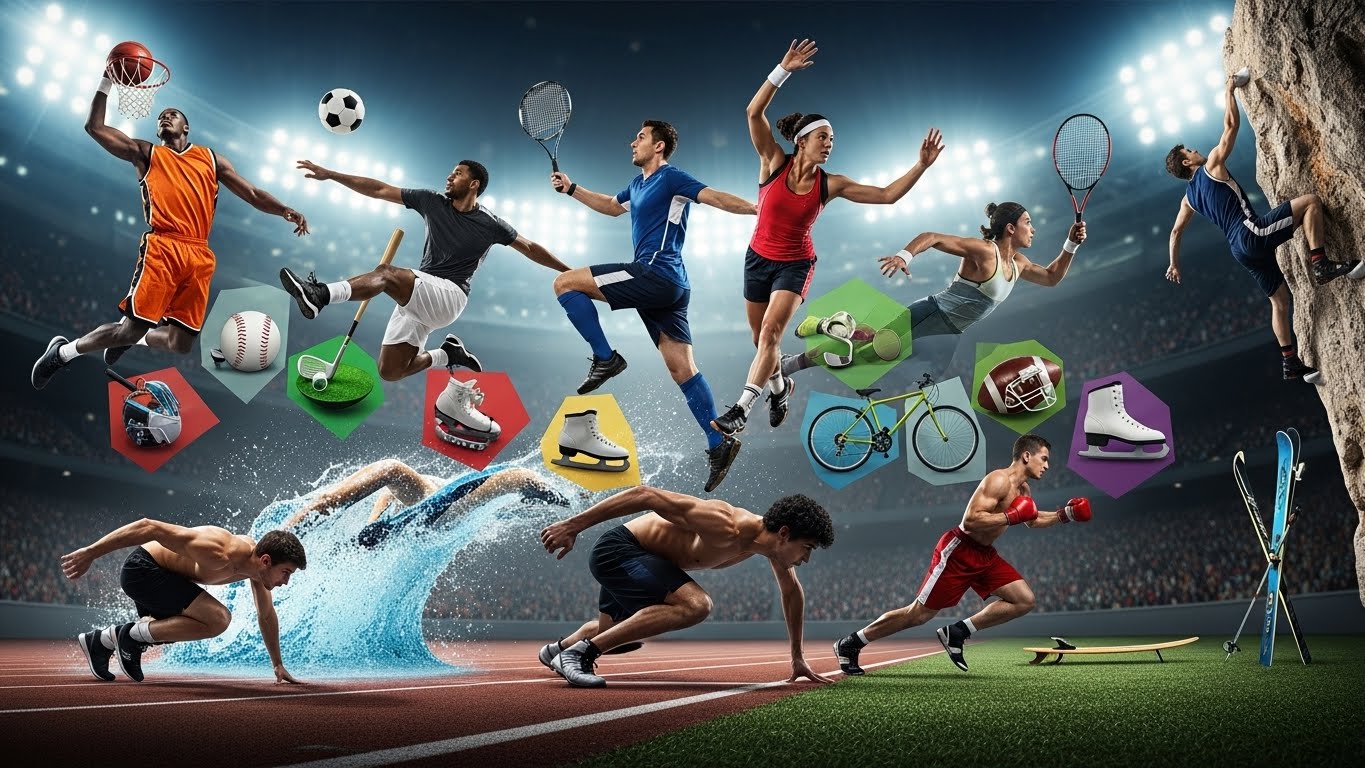

Introduction: The Timeless Power of Sports
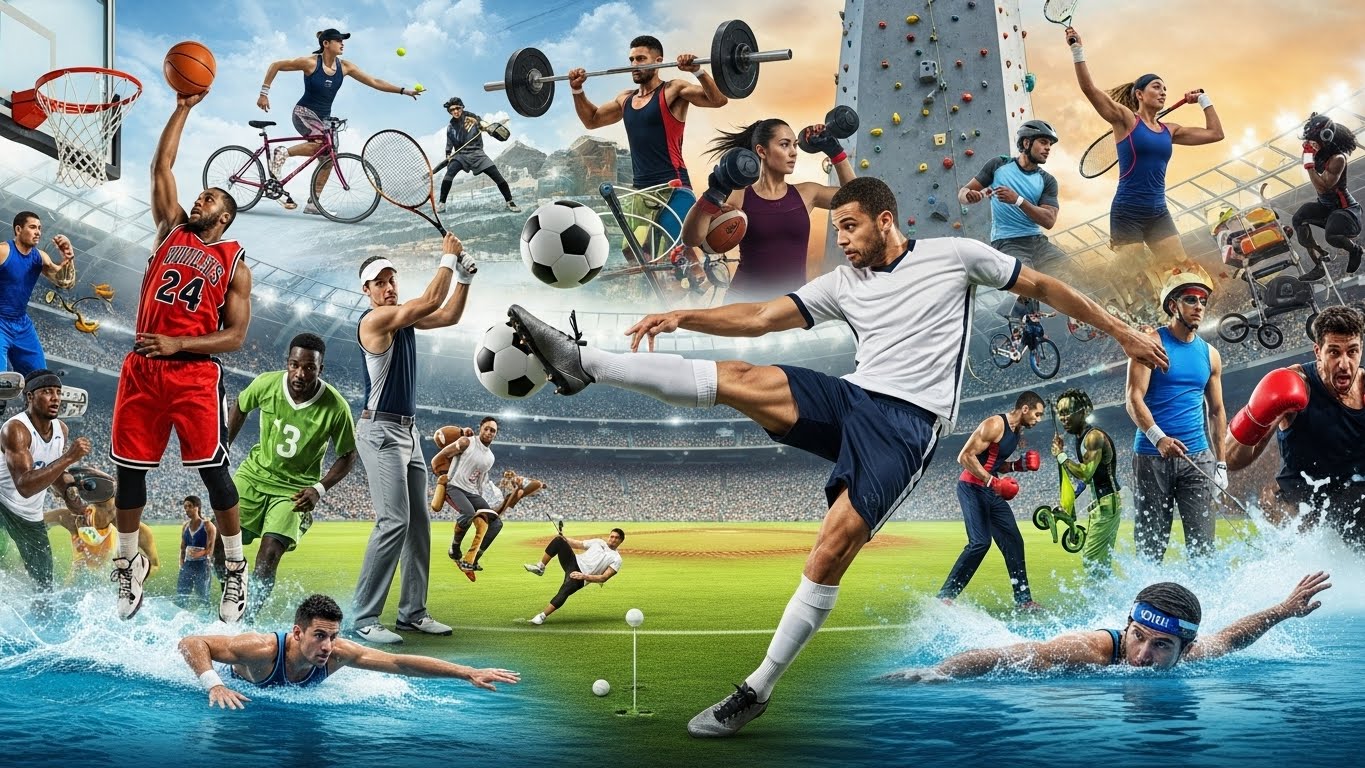
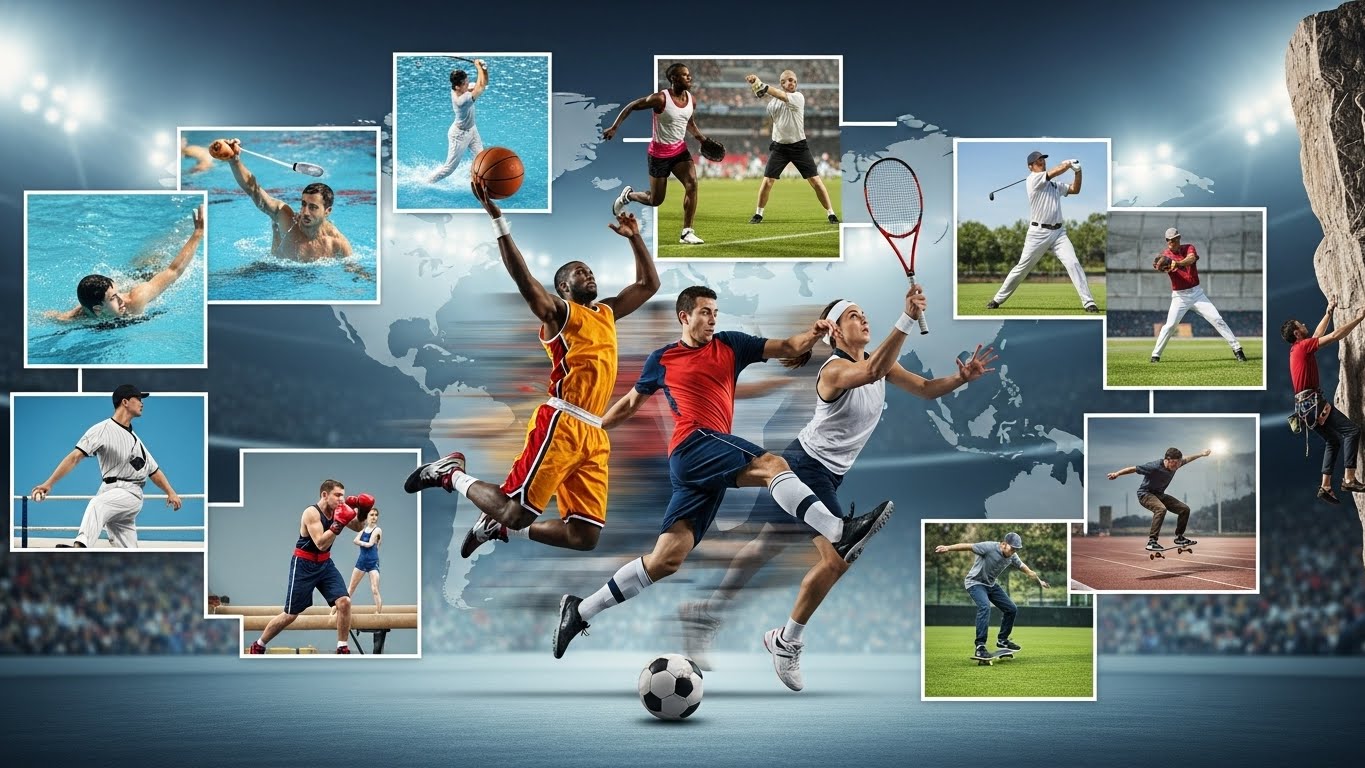
Sports have been a vital part of human civilization for centuries, transcending borders, languages, and cultures. From ancient Olympic games to modern professional leagues, athletic competition has inspired people, fostered community, and promoted personal growth. Sports are not just about winning or losing—they reflect values such as discipline, teamwork, resilience, and fair play.
In the modern world, sports influence entertainment, culture, education, and health. They connect communities, inspire fans, and encourage physical activity. Beyond the field, court, or track, sports contribute to the development of character, social cohesion, and national pride.
The History and Evolution of Sports
Sports have deep historical roots. Ancient civilizations practiced athletic contests as forms of ritual, recreation, and training. The Greeks formalized competitive games with the Olympic tradition, emphasizing excellence and honor. Similarly, cultures worldwide developed unique sports, from martial arts in Asia to ball games in the Americas.
The industrial era introduced organized leagues, standardized rules, and professional competition. Mass media, including radio, television, and now digital streaming, expanded the reach of sports, turning athletes into global icons and events into cultural phenomena. Today, sports encompass traditional games, extreme sports, esports, and adaptive sports for differently-abled athletes, reflecting both innovation and inclusivity.
The Physical and Mental Benefits of Sports
Sports provide profound physical and mental health benefits. Regular participation improves cardiovascular fitness, muscle strength, flexibility, and coordination. It reduces the risk of chronic illnesses, boosts immunity, and promotes longevity.
Mentally, sports enhance focus, discipline, problem-solving, and strategic thinking. They teach athletes to manage stress, cope with pressure, and cultivate resilience. Participating in sports also promotes emotional well-being, boosting confidence, self-esteem, and overall happiness.
Team Sports and the Power of Collaboration
Team sports such as football, basketball, volleyball, and hockey emphasize collaboration and communication. Players learn to work toward common goals, adapt to team dynamics, and support each other in challenging situations. Team sports teach leadership, negotiation, and conflict resolution—skills that extend beyond the playing field.
Being part of a team fosters camaraderie, social connection, and a sense of belonging. It also encourages accountability, as each member’s actions influence collective success. The lessons learned in team sports often translate into personal, academic, and professional growth.
Individual Sports: Personal Discipline and Mastery
Individual sports, including tennis, swimming, running, and gymnastics, focus on personal skill, determination, and self-discipline. Athletes must rely on their own abilities, mental strength, and training to achieve success.
These sports foster perseverance, concentration, and goal-setting. They teach athletes to push their limits, embrace challenges, and celebrate incremental progress. The self-reliance cultivated in individual sports is invaluable in building character and resilience.
Sports as a Cultural and Social Phenomenon
Sports are deeply intertwined with culture and society. They provide shared experiences that unite people across differences. National teams evoke pride, local clubs build community, and global tournaments create a sense of international camaraderie.
Cultural traditions influence sports participation and celebration. Festivals, rituals, and local competitions often highlight unique forms of athletic expression. Sports can also serve as platforms for social change, raising awareness of inequality, inclusion, and human rights issues.
The Economic Impact of Sports
Sports are not just recreational—they are a major economic driver. Professional leagues, tournaments, and events generate billions in revenue annually. Sports industries support athletes, coaches, event organizers, media professionals, sponsors, and local businesses.
Hosting international sporting events boosts tourism, infrastructure development, and community engagement. Sponsorships and merchandising create additional revenue streams. The economic impact of sports extends beyond money—it influences jobs, urban planning, and the global economy.
Sports and Technology: Enhancing Performance and Experience
Technology has revolutionized sports in multiple ways. Advanced analytics, wearable devices, and video review systems help athletes optimize performance, monitor health, and prevent injuries. Training simulations and performance tracking allow for precise improvement plans.
For fans, technology enhances engagement through live streaming, augmented reality experiences, and interactive platforms. Digital apps provide real-time statistics, fantasy leagues, and immersive experiences. Technology has transformed both participation and consumption, making sports more accessible, exciting, and data-driven.
The Role of Women in Sports
The rise of women’s sports has challenged stereotypes and expanded opportunities for female athletes globally. Women compete at elite levels in virtually every sport, from football and basketball to martial arts and athletics.
Increased visibility, sponsorship, and media coverage have empowered women in sports, promoting equality, representation, and inspiration for future generations. Women’s sports highlight resilience, skill, and leadership, emphasizing that athletic excellence transcends gender.
Adaptive and Inclusive Sports
Adaptive sports provide opportunities for differently-abled athletes to compete, excel, and participate in the global sports community. Events such as the Paralympics showcase talent, determination, and innovation in sports equipment and training methods.
Inclusive sports programs promote equality, community engagement, and personal empowerment. They demonstrate that sports are for everyone, regardless of physical or cognitive abilities, reinforcing the universal value of play and competition.
The Psychology of Sports: Mind Over Matter
Sports psychology examines how mental processes influence athletic performance. Confidence, focus, motivation, and emotional regulation are crucial for success. Athletes train not only their bodies but also their minds to handle pressure, recover from setbacks, and maintain consistency.
Visualization, mindfulness, and goal-setting are common techniques used to enhance performance. The psychological benefits of sports also extend to spectators, who experience excitement, suspense, and emotional connection with their favorite teams and players.
Youth Sports: Building the Next Generation
Youth participation in sports is essential for physical, social, and emotional development. Playing sports teaches children discipline, teamwork, perseverance, and goal-setting. It encourages healthy lifestyles, builds confidence, and fosters friendships.
Youth sports also cultivate leadership skills and community engagement. Coaching and mentorship provide guidance, support, and inspiration. Early involvement in sports sets the foundation for lifelong health, skill development, and personal growth.
Sports and Global Events
International sports events such as the Olympics, World Cup, and international championships showcase global talent and foster unity. These competitions inspire national pride, cultural exchange, and friendly rivalry. They also create opportunities for diplomacy, tourism, and international collaboration.
Global sports events highlight stories of perseverance, teamwork, and human achievement. They demonstrate that sports are more than competition—they are a celebration of human potential and shared values.
The Influence of Sports on Media and Entertainment
Sports heavily influence media, entertainment, and popular culture. Television, streaming platforms, and social media have expanded access to games, highlights, and athlete stories. Sports celebrities become cultural icons, influencing fashion, music, and social trends.
Documentaries, live coverage, and sports journalism provide insight, education, and entertainment. The intersection of sports and media amplifies its cultural impact, connecting fans with athletes and events worldwide.
Sportsmanship and Ethics
Sports teach ethical values such as fairness, integrity, respect, and responsibility. Good sportsmanship emphasizes the importance of effort, respect for opponents, and humility in victory or defeat.
Ethical conduct ensures that sports remain a positive, constructive, and inspiring force. Fair play, adherence to rules, and respect for others reinforce social values and cultivate character both on and off the field.
The Future of Sports
The future of sports will continue to evolve with innovation, inclusivity, and global connectivity. Technology will enhance training, performance, and fan engagement. Esports and virtual competitions will coexist with traditional sports, expanding the definition of athletic achievement.
Sustainability initiatives, adaptive programs, and gender equity will continue to shape sports culture. The future promises a world where sports remain a central pillar of community, culture, health, and personal development.
Conclusion: More Than Just a Game
Sports are far more than entertainment—they are a reflection of human creativity, effort, and community. They promote health, develop character, inspire passion, and unite people across boundaries. From youth leagues to professional competitions, from local clubs to global events, sports shape societies and individual lives alike.
Participation in sports teaches resilience, teamwork, and discipline while fostering social bonds and cultural exchange. As technology, inclusion, and global engagement evolve, sports will continue to inspire, challenge, and connect people worldwide. The spirit of sports endures as a testament to human potential, passion, and the joy of play.