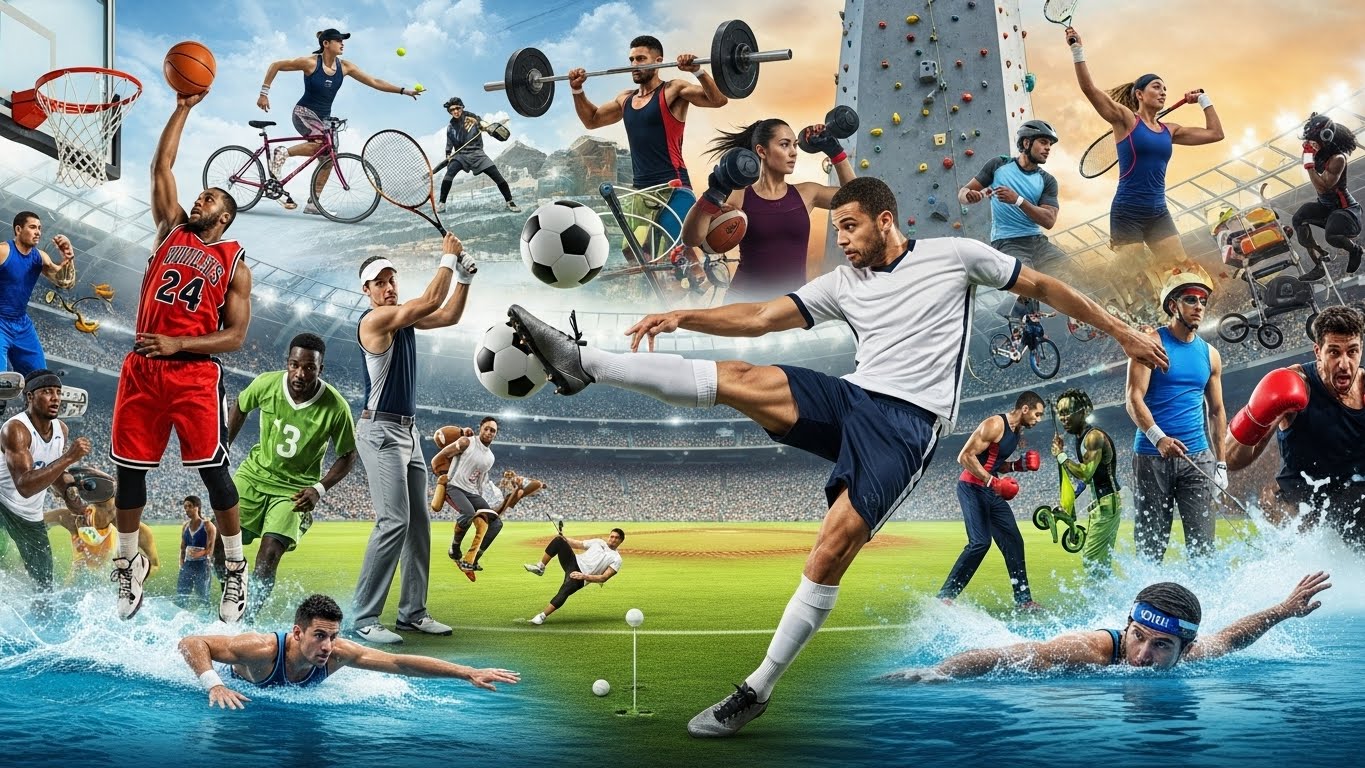

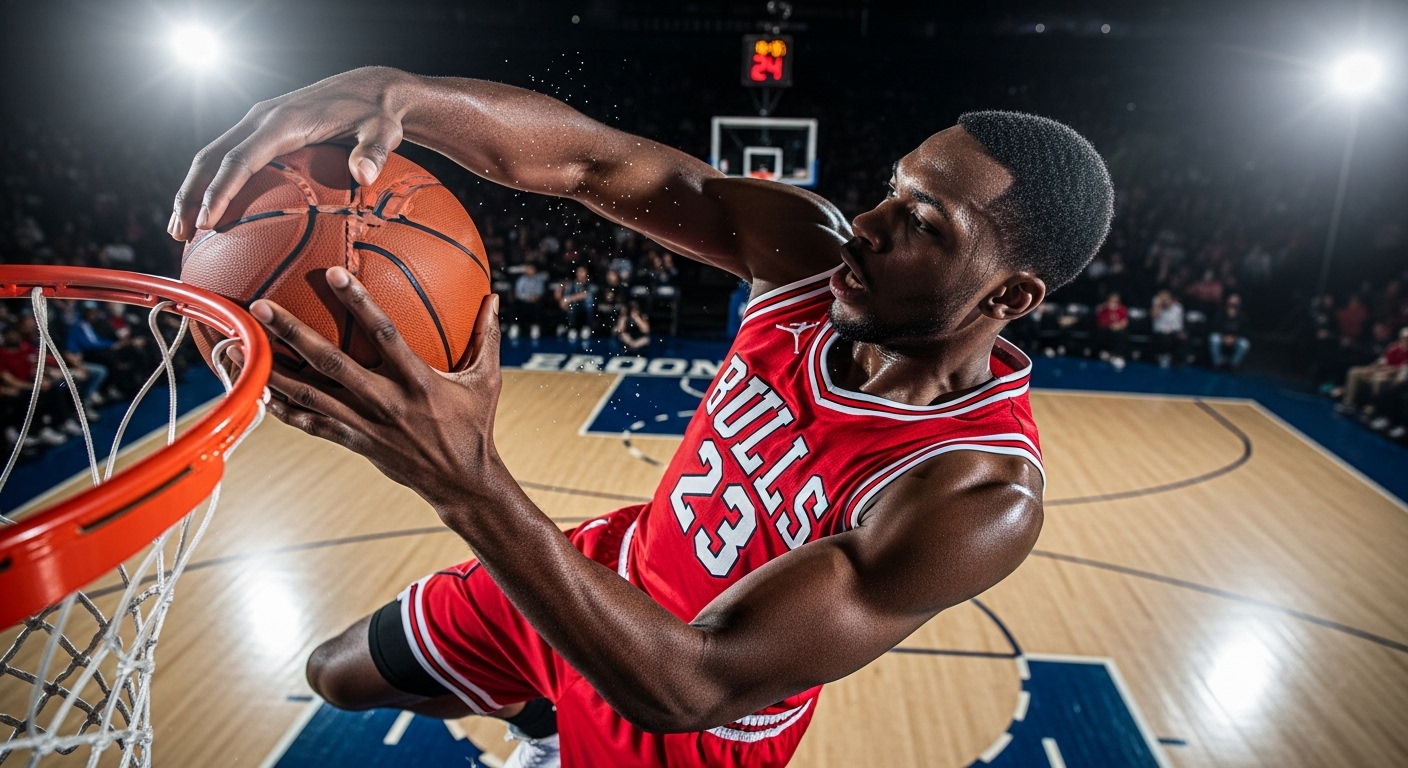
Sports have been an integral part of human civilization for centuries. From the ancient Olympic Games in Greece to modern professional leagues around the world, sports have always provided a platform for physical activity, mental stimulation, and social connection. The world of sports is vast, encompassing countless disciplines, each with its unique rules, skills, and cultural significance. In this comprehensive guide, we will explore the history of sports, their types, benefits, social impact, and much more.
The History of Sports
The origins of sports date back thousands of years. Early humans engaged in physical contests for survival, entertainment, and community bonding. Archaeological evidence shows that activities resembling wrestling, running, and ball games were practiced in ancient civilizations such as Egypt, Mesopotamia, and China.
The Olympic Games, first held in 776 BCE in Olympia, Greece, are among the most famous early examples of organized sports. These games were not only a celebration of physical excellence but also a way to honor the gods. Over the centuries, sports evolved and spread across different cultures, each adapting physical activities to their social and cultural contexts.
With the industrial revolution and modernization, sports became more organized. The establishment of rules, leagues, and international competitions transformed sports from simple physical contests into structured, professionalized endeavors that captured global attention.
Types of Sports
Sports can be categorized into several types based on the skills involved, physical demands, and environment. Understanding these categories helps appreciate the diversity and specialization in the sporting world.
1. Team Sports
Team sports involve groups of players working together to achieve a common goal, usually scoring points or goals against an opposing team. Examples include football, basketball, cricket, and rugby. Team sports foster collaboration, communication, and strategic thinking.
2. Individual Sports
In individual sports, athletes compete alone, relying entirely on their skills and performance. Sports such as tennis, swimming, gymnastics, and athletics fall under this category. Individual sports emphasize self-discipline, focus, and personal growth.
3. Adventure and Extreme Sports
Adventure sports, sometimes called extreme sports, are characterized by risk, thrill, and excitement. These include rock climbing, skydiving, snowboarding, surfing, and paragliding. Adventure sports not only test physical abilities but also mental courage and resilience.
4. Combat and Martial Arts
Combat sports involve direct physical competition between opponents, often with specific rules to ensure safety. Popular examples include boxing, judo, karate, taekwondo, and mixed martial arts. Combat sports enhance strength, reflexes, and discipline while instilling respect for opponents.
5. Mind Sports
Not all sports are purely physical. Mind sports, such as chess, e-sports, and bridge, involve strategic thinking, problem-solving, and cognitive skills. While they may not require intense physical exertion, they demand mental endurance and precision.
6. Water and Winter Sports
Sports can also be categorized based on the environment. Water sports like swimming, sailing, diving, and kayaking leverage aquatic skills, while winter sports like skiing, ice hockey, and snowboarding take advantage of cold climates. These sports often require specialized equipment and training.
Benefits of Playing Sports
Engaging in sports has a multitude of benefits that extend beyond physical fitness. Participation in sports positively influences mental, emotional, and social well-being.
1. Physical Health Benefits
Sports enhance cardiovascular health, improve muscular strength, increase flexibility, and help maintain a healthy weight. Regular participation reduces the risk of chronic diseases such as obesity, diabetes, and hypertension. Endurance sports improve stamina, while strength-based activities enhance muscle tone and bone density.
2. Mental Health Benefits
Physical activity stimulates the release of endorphins, chemicals that act as natural mood boosters. Sports participation reduces stress, anxiety, and depression. Furthermore, the discipline, focus, and goal-setting required in sports translate into improved cognitive abilities and better decision-making skills.
3. Social and Emotional Development
Team sports teach valuable social skills such as communication, cooperation, and conflict resolution. Athletes learn how to handle success and failure gracefully, develop empathy, and build lifelong friendships. Sports can also foster a sense of community and belonging, especially when played at local clubs or schools.
4. Life Skills and Character Building
Participation in sports nurtures important life skills. Punctuality, discipline, leadership, teamwork, and resilience are all cultivated through regular engagement in sporting activities. Overcoming challenges in sports builds confidence and instills a growth mindset that benefits other areas of life.
The Role of Sports in Society
Sports are not just individual activities; they have a profound impact on society and culture. Across the globe, sports serve as a medium to unite people, promote national pride, and inspire collective action.
1. Cultural Significance
Sports often reflect the values and traditions of a culture. For instance, sumo wrestling is deeply tied to Japanese heritage, cricket holds a revered place in South Asia, and American football is intertwined with U.S. identity. Sports can also act as a bridge between cultures, fostering international understanding and cooperation.
2. Economic Impact
Sports contribute significantly to the economy through ticket sales, merchandise, broadcasting rights, and tourism. Major events like the Olympic Games and FIFA World Cup generate billions in revenue, create jobs, and boost local economies.
3. Sports as a Tool for Education
Educational institutions use sports to teach discipline, teamwork, and perseverance. School and college competitions encourage healthy competition and provide opportunities for scholarships and professional careers. Sports education also emphasizes the importance of physical and mental health.
4. Promoting Social Change
Sports can be a powerful platform for social change. Initiatives that promote gender equality, inclusivity, and mental health awareness often use sports to reach a broad audience. For example, women’s football and para-sports have gained recognition worldwide, challenging stereotypes and promoting inclusivity.
Modern Developments in Sports
The modern era has brought significant changes to how sports are played, viewed, and managed. Technology, commercialization, and global connectivity have reshaped the sporting landscape.
1. Technological Advancements
Technology has revolutionized sports in multiple ways. Video-assisted refereeing ensures fair play, wearable devices track athletes’ performance, and data analytics optimize training and strategy. Virtual reality and simulation technologies are increasingly used in training for sports like football, racing, and skiing.
2. Professionalization and Commercialization
Sports have become a major industry, with professional leagues attracting worldwide audiences. Sponsorships, endorsements, and media rights have transformed sports into a lucrative career option. This professionalization also drives higher standards of athletic performance and competition.
3. Globalization of Sports
Global communication and travel have allowed sports to transcend geographical boundaries. Football clubs have fan bases spanning continents, and events like the Olympics bring together athletes from over 200 nations. Global sports networks broadcast events in real-time, connecting fans worldwide.
4. Inclusion and Diversity
Modern sports increasingly emphasize inclusivity. Efforts to encourage participation from women, differently-abled individuals, and minority communities are reshaping the sporting world. Adaptive sports and initiatives promoting equal opportunities reflect society’s evolving values.
Famous Sports Around the World
Certain sports have achieved global recognition due to their popularity, competitiveness, and cultural resonance.
1. Football (Soccer)
Football is the most popular sport in the world, celebrated for its simplicity and excitement. Played professionally in leagues across Europe, South America, Asia, and Africa, football unites fans across cultures and generations.
2. Basketball
Basketball is renowned for its fast pace and high scoring. With leagues like the NBA setting the standard, basketball has a global following, particularly in North America, Europe, and Asia.
3. Cricket
Cricket is a major sport in countries like India, England, Australia, and Pakistan. Its various formats, from Test matches to Twenty20, offer different experiences for players and fans alike.
4. Tennis
Tennis is both an individual and doubles sport, celebrated for its technical precision and physical endurance. Grand Slam tournaments such as Wimbledon and the US Open are watched worldwide.
5. Athletics
Athletics, including running, jumping, and throwing events, forms the core of the Olympic Games. Track and field sports showcase raw human ability and are universally accessible.
The Future of Sports
The future of sports promises innovation, inclusivity, and broader global participation. Emerging trends include the rise of e-sports, sustainable sporting events, and integration of artificial intelligence in training and performance analysis. Sports will continue to inspire, entertain, and unite people while adapting to the technological and cultural shifts of the modern world.
Conclusion
Sports are far more than just games; they are a reflection of human creativity, endurance, and passion. They bring people together, foster personal growth, and have a profound impact on society. From ancient traditions to modern professional leagues, sports continue to evolve, inspiring millions to lead healthier, more disciplined, and connected lives. Whether played professionally or recreationally, sports remain a universal language that transcends borders and cultures, celebrating the spirit of human achievement.