

Introduction: The Global Influence of Sports
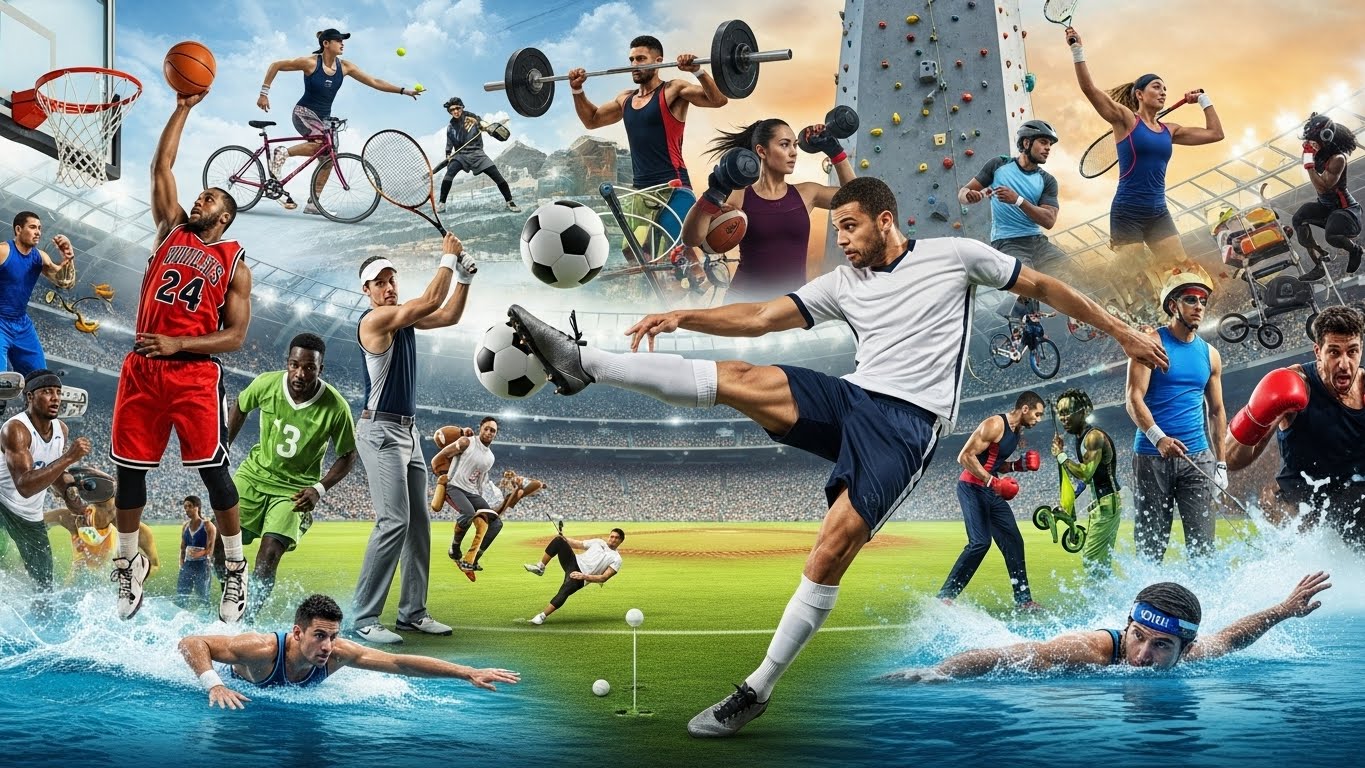
Sports have always been an integral part of human culture, transcending geographical, social, and economic boundaries. Whether it’s the world’s most popular game of football or a local community gathering for a weekend soccer match, the power of sports to unite people is undeniable. Sports are more than just physical activity; they are a global language, a shared experience that binds people together. It is a force that transcends nationalities, ethnicities, and religions, fostering unity and fostering a sense of belonging.
In this blog post, we will explore the far-reaching impact of sports, from its ability to bring people together to its role in shaping societies and cultures. We will delve into how sports shape personal identity, influence social change, and continue to evolve in response to technological advancements and global trends.
The Power of Sports to Unite: A Shared Global Experience
One of the most extraordinary aspects of sports is its ability to unite people from all walks of life. Regardless of where we are from, what language we speak, or what religion we follow, sports create a common ground for people to come together. Major sporting events such as the FIFA World Cup, the Olympic Games, and the Super Bowl serve as global celebrations of athleticism, national pride, and the spirit of competition. These events capture the attention of millions, if not billions, of people worldwide.
For instance, the Olympics have been celebrated for over a century, bringing nations together every four years to compete in the spirit of camaraderie and peaceful competition. Athletes from different countries not only compete for gold but also share a unique experience that connects them to the global community. In moments of triumph and defeat, the shared emotions experienced by athletes and fans alike reinforce the universal power of sports.
Similarly, in football, the FIFA World Cup is a time when people forget their differences and cheer for their teams, while the atmosphere in the stadiums is a reflection of the passion and energy that sports generate. The unity felt in these moments—where rivalries are set aside for a shared love of the game—is a reminder of how powerful sports can be in breaking down barriers and creating lasting connections.
Sports as a Tool for Personal Identity
For many individuals, sports are more than just a hobby or form of entertainment; they are a central part of personal identity. Whether it’s playing sports, watching a favorite team, or following a beloved athlete, sports offer a sense of belonging and pride. Personal identity and self-esteem are often tied to one’s involvement in sports, whether as a player or as a fan.
In youth sports, for example, participation often shapes a child’s sense of self-worth and teaches important life skills. Through team sports, children learn cooperation, teamwork, leadership, and discipline. These experiences form the foundation for personal growth and development. From a young age, athletes are taught to compete fairly, push their limits, and respect both their teammates and their opponents.
For fans, their connection to a team or sport can create a deep sense of loyalty and identity. The highs of a win and the lows of a loss become personal. Fans often identify so strongly with their team’s success that it becomes an extension of their own sense of accomplishment. This shared passion creates a community that transcends individual differences, giving fans a sense of purpose and pride, whether they are at a local sports bar or in a stadium filled with thousands of people.
The Evolution of Sports: From Ancient Times to Modern Global Phenomena
Sports have evolved significantly over time, from ancient games played by early civilizations to the organized, professional events we watch today. The roots of modern sports can be traced back to ancient cultures, where athletic competitions were held as part of religious festivals, celebrations, and public gatherings. The ancient Greeks are credited with the creation of the Olympic Games in 776 BC, which laid the foundation for modern sports competition.
In medieval Europe, jousting, archery, and hunting were popular forms of aristocratic sport, while peasants enjoyed games like soccer and handball. These games, while entertaining, also served as a way to build community and social ties. With the rise of the Industrial Revolution, however, sports began to undergo a transformation. Organized competitions and standardized rules were introduced, paving the way for professional sports leagues.
By the 20th century, sports had become a significant part of popular culture. The establishment of professional leagues for baseball, football, and basketball in the United States, as well as the rise of European football leagues, laid the groundwork for the modern global sports culture we know today. The media explosion of the 1950s and 1960s, driven by television, further popularized sports, turning athletes into global celebrities and making sports events into mass entertainment phenomena.
Sports as a Catalyst for Social Change
While sports are often associated with entertainment and physical prowess, they have also played a significant role in social and political movements. From civil rights struggles to gender equality, sports have served as a powerful platform for raising awareness and advocating for social change.
In the 1960s, athletes like Muhammad Ali and Tommie Smith used their visibility to speak out against racial inequality and injustice. Ali famously refused to serve in the Vietnam War as a statement against the injustice faced by Black Americans, while Smith and John Carlos raised their fists in protest during the 1968 Olympics to highlight racial inequality in the United States. These acts of defiance were pivotal moments in the civil rights movement, showing how athletes could use their platform to fight for justice.
In more recent times, the Black Lives Matter movement has seen athletes, particularly in the National Basketball Association (NBA) and National Football League (NFL), take a stand against racial injustice. Colin Kaepernick’s decision to kneel during the national anthem in protest of police brutality sparked national conversation and led to widespread support and controversy. Similarly, women’s sports have gained significant attention, with athletes demanding equal pay, better treatment, and more visibility. The success of women’s soccer, basketball, and tennis has helped to break down gender barriers, inspiring future generations to participate in sports regardless of gender.
The Role of Technology in Sports: Enhancing Performance and Fan Experience
Technology has dramatically changed the world of sports, influencing both how athletes train and how fans engage with their favorite teams. In recent years, technological innovations in data analysis, biomechanics, and performance tracking have enhanced the way athletes train and compete.
Wearable technology such as fitness trackers, heart rate monitors, and smartwatches are now commonly used to monitor an athlete’s performance and health. These devices provide real-time data, helping athletes track their progress, improve their fitness levels, and prevent injury. Coaches and trainers also use video analysis software to study players’ movements and techniques, allowing for more precise coaching and a more scientific approach to training.
For fans, technology has revolutionized the way sports are consumed. High-definition broadcasts, 4K streaming, and even virtual reality (VR) and augmented reality (AR) experiences have transformed how fans watch games. VR, for example, offers fans the chance to experience games from the perspective of the players, providing a more immersive experience. Additionally, live streaming and social media platforms allow fans to engage with their teams in real-time, share highlights, and interact with fellow supporters worldwide.
The Commercialization of Sports: The Business Side of Athletics
As sports have evolved, so too has their commercialization. The rise of professional sports leagues, media coverage, and sponsorship deals has turned sports into a multi-billion-dollar industry. Broadcasting rights, sponsorships, and advertising are key revenue streams for sports organizations, fueling the growth of teams, events, and leagues worldwide.
The rise of television, and later streaming platforms, has made it possible for sports to reach a global audience. The economics of sports today are inextricably linked to television and digital platforms, which generate revenue from advertisers and subscription fees. Major events like the Super Bowl, the FIFA World Cup, and the Olympics are watched by millions, with advertisers willing to pay top dollar for commercial spots during these high-profile broadcasts.
Sponsorships and endorsements also play a significant role in the financial success of athletes and teams. Companies pay large sums to have their brand associated with top athletes, teams, and events. This commercial relationship has led to a shift in how athletes are perceived—not just as athletes, but as global brands. With sponsorship deals in everything from apparel to cars, athletes like Cristiano Ronaldo and Serena Williams have turned their sports careers into multi-million-dollar businesses.
The Future of Sports: New Trends and Challenges
As we look to the future, the world of sports will continue to evolve. The integration of technology into training, broadcasting, and fan engagement will only increase, with artificial intelligence, data analytics, and VR playing an even greater role. Esports, a rapidly growing sector, will continue to gain popularity, offering new opportunities for both players and fans.
However, there are also challenges on the horizon. As the commercialization of sports intensifies, there are concerns about the integrity of the game, athlete welfare, and the balance between entertainment and competition. Issues like player health, safety, and mental well-being are becoming more prominent, and the growing influence of money in sports raises questions about equity and fairness.
Nevertheless, the future of sports remains bright. Whether through community-based initiatives, professional leagues, or technological advancements, sports will continue to play a central role in society. They will continue to inspire, unite, and drive positive change for years to come.
Conclusion: Sports as a Reflection of Society
Sports are much more than games; they are a reflection of society. From their ability to unite people across borders to their role in shaping personal and collective identities, sports have a profound impact on our lives. They teach us about competition, teamwork, and resilience, while also offering a platform for social change and cultural exchange.