

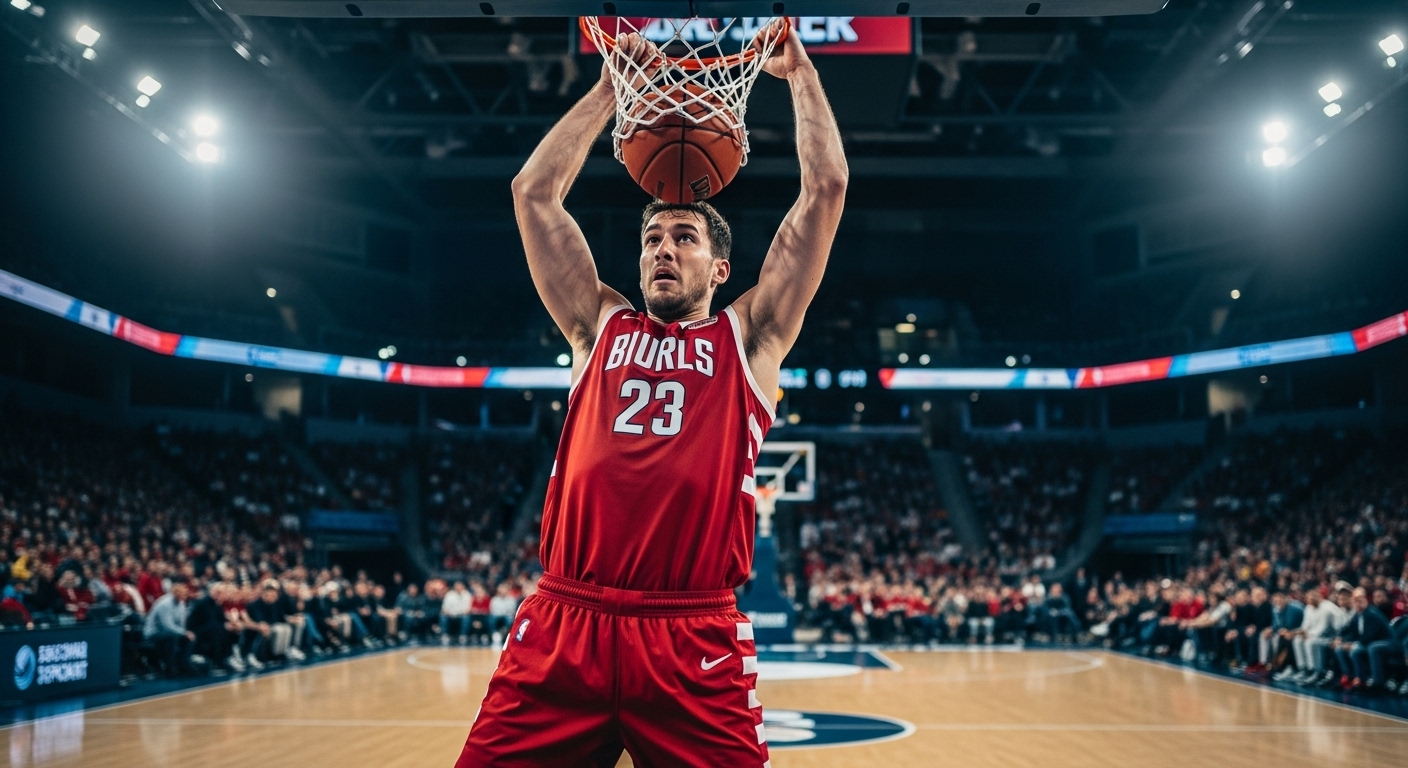
Sports have long been celebrated for their physical benefits—strengthening muscles, improving cardiovascular health, and enhancing overall fitness. However, what often goes unnoticed is the profound impact that sports have on mental resilience. Beyond the sweat and physical strain, athletes develop mental fortitude, emotional control, and problem-solving skills that carry over to all aspects of life. In this blog post, we’ll dive into how engaging in sports can help foster mental toughness and resilience.
1. The Role of Sports in Building Mental Toughness
At the heart of every competitive sport lies a test of mental toughness. Whether it’s pushing through the final lap of a marathon or maintaining focus during the last few minutes of a tense basketball game, athletes learn to push their mental boundaries. This mental resilience is not something that happens overnight—it’s honed over years of practice, discipline, and overcoming setbacks. Athletes learn how to manage stress, stay calm under pressure, and maintain focus in the face of adversity, skills that are invaluable in everyday life.
2. Failure as a Stepping Stone: Embracing Setbacks
One of the most significant lessons learned in sports is how to deal with failure. In every sport, whether it’s missing a shot, losing a match, or not meeting a performance goal, athletes face setbacks. However, rather than allowing these setbacks to break their spirit, they become the stepping stones for growth. The key to success in sports often lies in the ability to embrace failure, learn from it, and continue striving for improvement. This process fosters resilience, teaching individuals to persevere even when success feels out of reach.
3. The Power of Teamwork in Mental Resilience
While individual sports like tennis or boxing highlight personal endurance, team sports like football or soccer emphasize collective strength. The ability to work with others, communicate effectively, and rely on teammates during high-pressure moments plays a crucial role in developing mental resilience. In team sports, athletes learn that mental toughness isn’t just about personal grit; it’s also about understanding the dynamics of collaboration and mutual support. Teamwork teaches athletes to keep their heads in the game not just for their benefit, but for the benefit of the group.
4. Overcoming the Inner Critic: Confidence in the Face of Doubt
Every athlete has faced that nagging voice in their head—the one that tells them they’re not good enough, that they’ll never make it, or that failure is imminent. This inner critic can often be the most difficult opponent to overcome. However, through consistent practice and positive reinforcement, athletes learn to push past these self-doubts and build a foundation of confidence. This is where the real mental toughness lies—not just in the ability to succeed, but in the ability to believe in yourself despite the odds.
5. Sports as a Catalyst for Emotional Regulation
Sports are also an excellent way to learn emotional regulation. In high-stress situations, athletes experience a range of emotions—frustration, excitement, anxiety, and joy. The pressure of competition forces athletes to confront these emotions head-on and learn how to manage them effectively. This ability to control emotions not only helps in athletic performance but also in personal life, where emotional intelligence can contribute to better decision-making and relationship-building.
6. Building Mental Resilience Off the Field
The mental lessons learned on the field often extend far beyond it. Athletes who cultivate resilience through sports often translate these skills into their professional and personal lives. Whether it’s persevering through challenges in the workplace, managing personal relationships, or navigating life’s hardships, the skills developed in sports—problem-solving, focus, emotional regulation, and adaptability—become invaluable assets. In essence, sports act as a training ground for mental resilience that prepares individuals for the challenges life throws at them.
7. The Scientific Backing: How Sports Affect the Brain
Recent research has shown that regular physical activity can improve brain function, reduce stress, and enhance cognitive abilities. Exercise boosts the production of endorphins, often referred to as the “feel-good hormones,” which help alleviate anxiety and depression. Furthermore, engaging in sports increases neuroplasticity—the brain’s ability to form new neural connections. This means that participating in sports not only strengthens the body but also the brain, making it better equipped to handle mental and emotional challenges.
8. Sports as a Lifelong Practice for Mental Well-Being
The mental benefits of sports are not limited to competitive athletes or young people; they can be reaped at any age. Participating in physical activity at any stage of life helps maintain mental agility, reduces stress, and improves mood. Whether it’s playing tennis in retirement or jogging after a long day at work, engaging in sports can be a lifelong practice that nurtures mental well-being and resilience. As we age, the importance of maintaining both physical and mental health grows, and sports offer a practical and enjoyable way to achieve this balance.
Conclusion: Embrace the Resilience of Sport
Sports are much more than a means of staying fit; they are a powerful tool for building mental resilience. From learning to deal with failure to managing emotions and boosting confidence, the lessons learned through sports extend far beyond the field or court. Whether you are an elite athlete or someone who enjoys a casual workout, the mental benefits of sports are undeniable. By embracing the challenges and opportunities that sports present, you can foster mental toughness that will serve you in all areas of life.
The next time you lace up your shoes or hit the field, remember—it’s not just your body that’s being trained, but your mind as well. Keep pushing, keep learning, and above all, keep building resilience.